
Britain commits $11.3B to its next generation of submarines
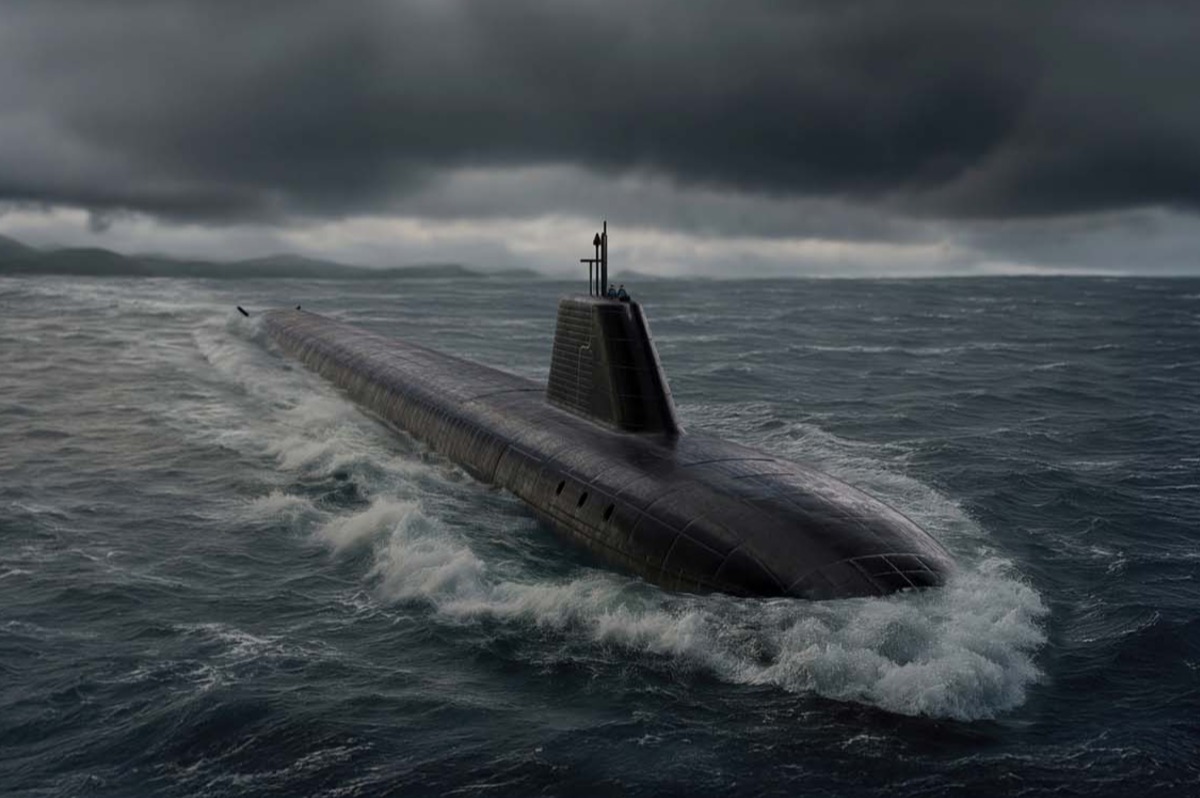
Britain has committed more than £8 billion, roughly $11.3 billion, into submarines most of the public will never see, hear about, or know the location of, because that invisibility is precisely the point of the weapon they carry.
The Royal Navy confirmed on July 30, 2026, that more than £8 billion ($11.3 billion) is being invested in the fourth phase of production for the Dreadnought-class submarine program, the Royal Navy’s next-generation fleet of nuclear-armed vessels built to replace the aging Vanguard-class boats that have quietly carried Britain’s nuclear deterrent beneath the ocean for decades. The funding will carry the program through a set of critical near-term milestones, including the completion of sea trials and entry into service for the lead submarine, HMS Dreadnought, continued construction of the second boat, HMS Valiant, through to the start of her own sea trials, and ongoing work on the third and fourth vessels, HMS Warspite and HMS King George VI.
A Dreadnought-class submarine is a genuinely massive piece of engineering, displacing more than 17,000 tons and stretching over 500 feet (152 meters) in length, making it slightly larger than the Vanguard-class boats it is designed to succeed, with each vessel carrying a crew of around 130 sailors who will spend months at a time submerged and completely out of contact with the outside world. These submarines exist to carry out what the Royal Navy calls Operation Relentless, the continuous at-sea deterrent patrol the United Kingdom’s so-called Silent Service has maintained without a single interruption since 1969, ensuring at least one nuclear-armed British submarine remains hidden somewhere in the ocean at all times, ready to respond if the country ever faced a nuclear attack. That unbroken 57-year patrol record represents one of the longest continuously maintained military deterrence operations by any nation on Earth, and the four Dreadnought-class boats now under construction are meant to extend that record deep into the second half of this century.
The submarines currently on patrol are showing their age in the most literal sense. Britain’s four existing Vanguard-class submarines range from 27 to 33 years old, well beyond the service life originally envisioned when they entered the fleet in the 1990s, making their replacement not simply a modernization exercise but an increasingly urgent operational necessity to avoid any gap in deterrent coverage as the older boats approach the end of what their reactors and hulls can safely sustain.
The investment was announced during a visit to BAE Systems’ shipbuilding facility in Barrow-in-Furness by Prime Minister Andy Burnham, who took office on July 20, 2026, and Defence Secretary Wes Streeting, where the two met with some of the workers directly involved in assembling the new submarines.
“Keeping this country safe is the first responsibility of any government, but security is not only about what we build, it is about who builds it, and who benefits from it,” Burnham said. “The submarines produced in Barrow will protect Britain for decades to come, and the 47,000 jobs and apprenticeships will change lives both in this town and in dozens of places like it.”
That employment figure points to something the Dreadnought program delivers well beyond military capability. Britain’s Defence Nuclear Enterprise, the umbrella organization overseeing the entire nuclear submarine endeavor from construction through operational patrol, currently supports approximately 47,000 jobs across the country, with more than a quarter of those positions concentrated in Barrow, where the boats are physically built. Devonport accounts for another 8,000 jobs supporting submarine refits and maintenance, while roughly 5,000 more jobs sit in Faslane, Scotland, home to the naval base where Britain’s nuclear-armed submarines are stationed between patrols. Barrow alone has added 1,800 new jobs over just the past two years as construction on the Dreadnought program has accelerated.
Officials expect that employment footprint to keep expanding well beyond current levels. The total number of jobs tied to both maintaining the existing submarine fleet and constructing the new Dreadnought boats is projected to reach 65,000 by 2030, with the program supporting roughly 22,000 apprenticeship positions by 2035, according to the Royal Navy. That workforce sits atop a much broader industrial base, with the nuclear submarine program feeding a supply chain of more than 6,000 companies scattered across the United Kingdom, illustrating how deeply the Dreadnought program’s economic impact reaches beyond the shipyard walls in Barrow into manufacturing and engineering firms nationwide.
Today’s funding also arrives on the back of measurable improvements in how efficiently BAE Systems has been building these submarines. The company has increased productivity by 40 percent over the past three years, according to the Royal Navy, a gain that matters enormously for a program where delays and cost overruns have historically plagued complex nuclear submarine construction efforts in Britain and allied nations alike, and one that suggests the shipyard workforce and management have found real efficiencies rather than simply throwing more money at a persistently slow production line.
Content preview only. Full article available at source. View Full Article
Britain committed $11.3 billion to the Dreadnought-class submarine program on July 30, 2026, to replace its aging Vanguard-class submarines. The investment will support the construction of four new submarines, ensuring continuous nuclear deterrent patrols. The program is expected to create approximately 65,000 jobs by 2030, with significant economic impacts across the UK.
- Britain committed $11.3 billion to the Dreadnought-class submarine program.
- The Royal Navy confirmed the investment on July 30, 2026.
- The Dreadnought-class submarines are designed to replace the aging Vanguard-class boats.
- The program supports approximately 47,000 jobs across the UK.