

The United Kingdom has confirmed that steel cutting for the first British SSN-AUKUS will happen in 2027. This is a major milestone for the trilateral UK-US-Australia submarine program. Britain ultimately wants SSN-AUKUS to replace the Astute-class attack submarines. But the timing might not work out as planned. The Royal Navy is already suffering availability issues stemming from maintenance problems in its attack-submarine fleet. At times, reports have suggested that all five of Britain’s commissioned Astute-class boats were simultaneously unavailable.
Britain is also confronted with a variety of conflicting priorities, such as maintaining the existing Astutes, finishing the remaining Astute construction, building four Dreadnought SSBNs, and beginning construction on the SSN-AUKUS program—it’s a lot.
So AUKUS won’t just challenge Britain’s submarine-building capabilities but also its broader military-industrial capacity.
What is SSN-AUKUS? The Future of Attack Submarines
SSN-AUKUS is a next-generation nuclear-powered attack submarine jointly developed principally by the UK and Australia, with extensive US technology cooperation. UK boats will eventually replace seven Astute-class SSNs.
Australia, meanwhile, plans to build its own SSN-AUKUS boats at Osborne in South Australia, after acquiring Virginia-class submarines from the US as a transitional capability. Britain’s SSN-AUKUS construction is centered at BAE Systems Barrow-in-Furness, with nuclear propulsion from Rolls-Royce Submarines in Derby.
The hope is that the new boat will enter service in the late 2030s.
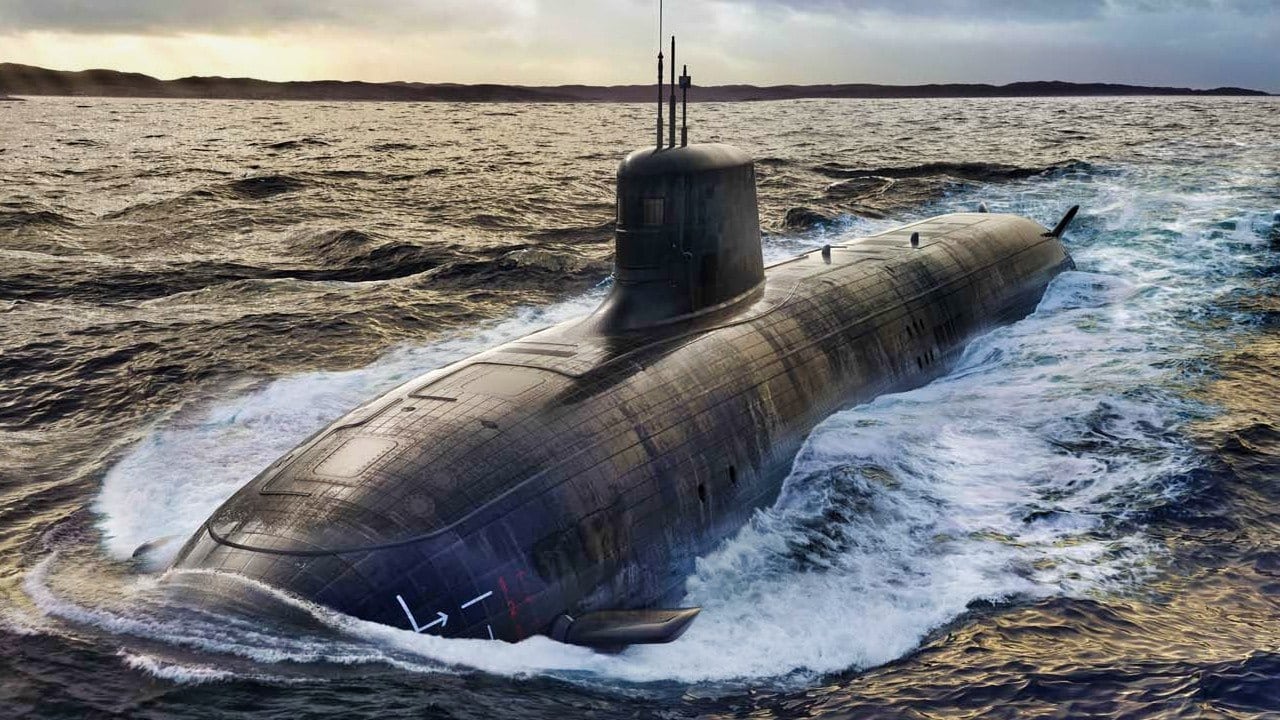
SSN-AUKUS Submarine. Image is Creative Commons Artist Rendering.
The exact performance envelope remains classified, but the expected mission profile includes anti-submarine warfare, anti-surface warfare, ISR, land attack, special operations, and the protection of carrier and strategic forces.
Nuclear propulsion means that SSN-AUKUS will offer unlimited propulsion endurance and sustained high underwater speeds without the need to surface or snorkel to recharge batteries. The boat’s endurance will be limited only by crew, food, and maintenance.
Replacing Astute-Class Submarines for Royal Navy
SSN-AUKUS should be substantially more capable than the Astute-class.
That’s not to say that Astute isn’t a respectable submarine.
At roughly 318 feet with 7,400 tonnes submerged, the Astute has a Rolls-Royce PWR2 reactor and Spearfish heavyweight torpedoes.
Astute also offers Tomahawk land-attack missiles and a sophisticated sonar suite. But SSN-AUKUS is expected to incorporate newer reactor technology, improved stealth and acoustic quieting, advanced sonar, US/UK combat-system technology, greater payload capacity, and improved integration of unmanned systems.
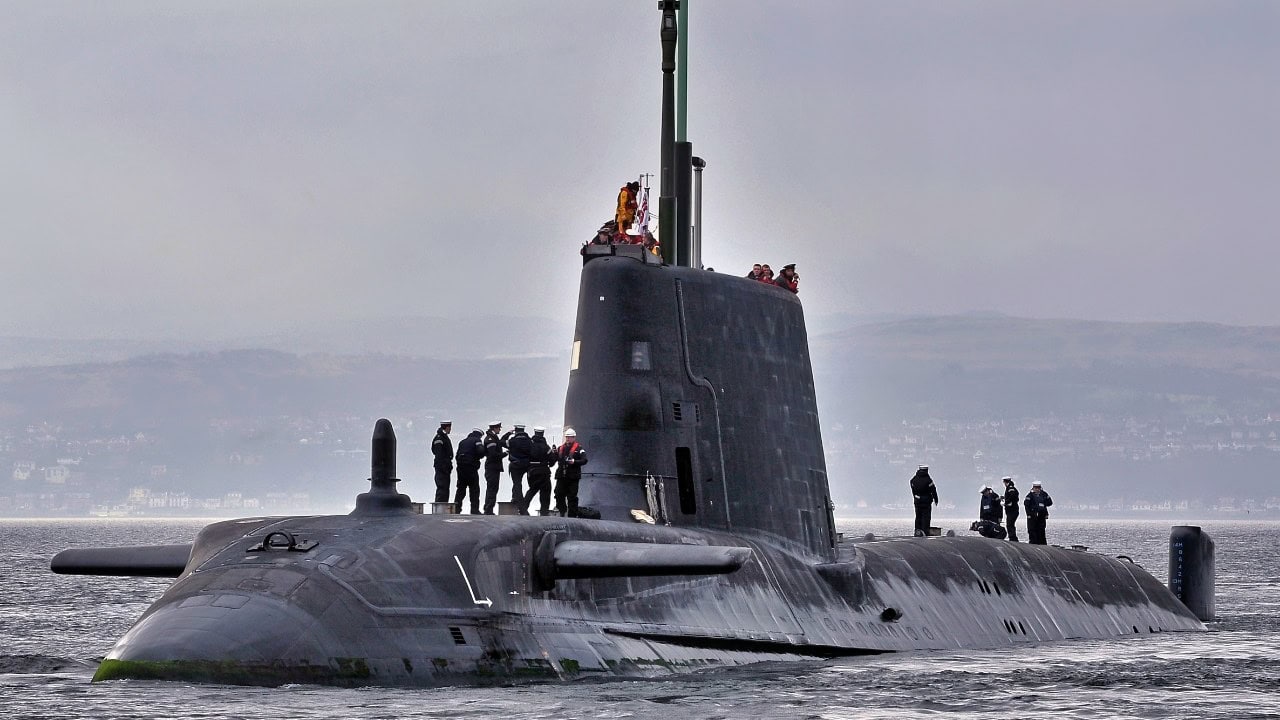
Astute-Class Submarine. Image Credit. Creative Commons.
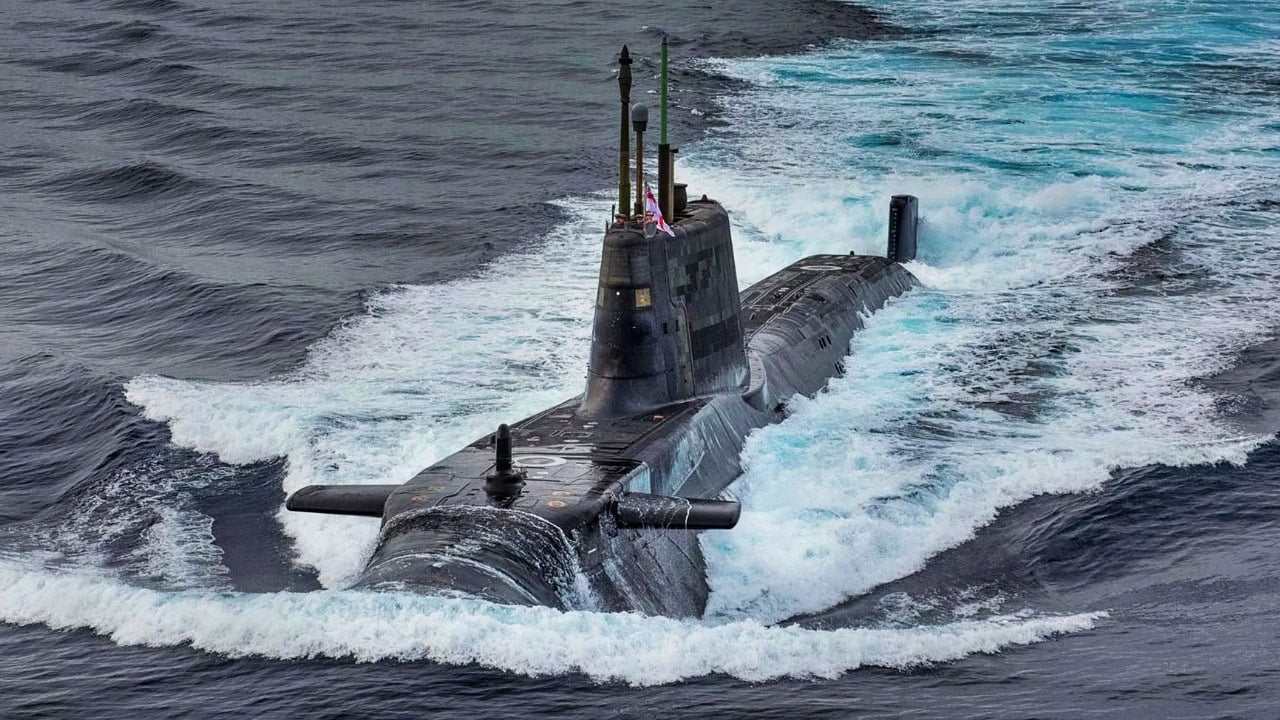
Astute-Class Royal Navy Submarine. Image Credit: Royal Navy.
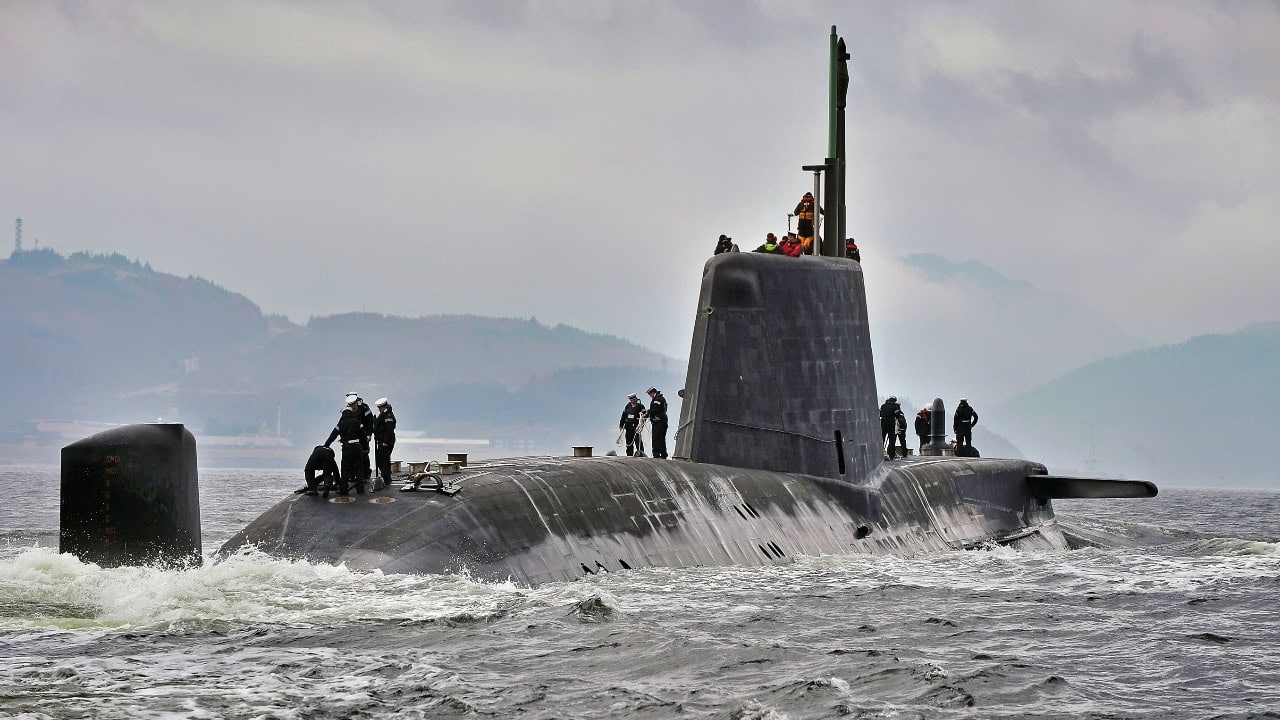
Astute-Class Submarine. Image Credit: Creative Commons.
The exact displacement, speed, weapons, etc., have not been disclosed. But the strategic objective for the program is to field an SSN for the 2030s–2070s capable of next-gen undersea warfare.
The Availability Problem
The Astute’s problem isn’t so much about capability as about availability. Nuclear submarines require extraordinarily intensive maintenance.
The hull, reactor, propulsion, sonar, weapons, electrical systems, and life-support all require inspection, repair, and refit.
Maintenance periods can last months or years. The UK has suffered a backlog at Devonport and Faslane, compounded by aging infrastructure and limited nuclear-qualified capacity.
The result is extremely expensive submarines that can spend long periods alongside waiting for maintenance or repairs. The lesson here is that fleet size does not directly equate to deployable force.
Production Problems
Nuclear submarines are not easy to create. Governments can’t simply double industrial output when they want more submarines.
The specialized trades central to nuclear submarine creation can take years to develop. Nuclear-quality welding, for example, requires extremely demanding certification.
The same applies to reactor engineering, pressure-hull fabrication, acoustic treatments, propulsion, combat-systems integration, and so on. And when shipbuilding cadence slows, experienced workers retire or leave, taking their highly specialized knowledge with them. Britain’s hope now is to produce roughly one new attack submarine every 18 months.
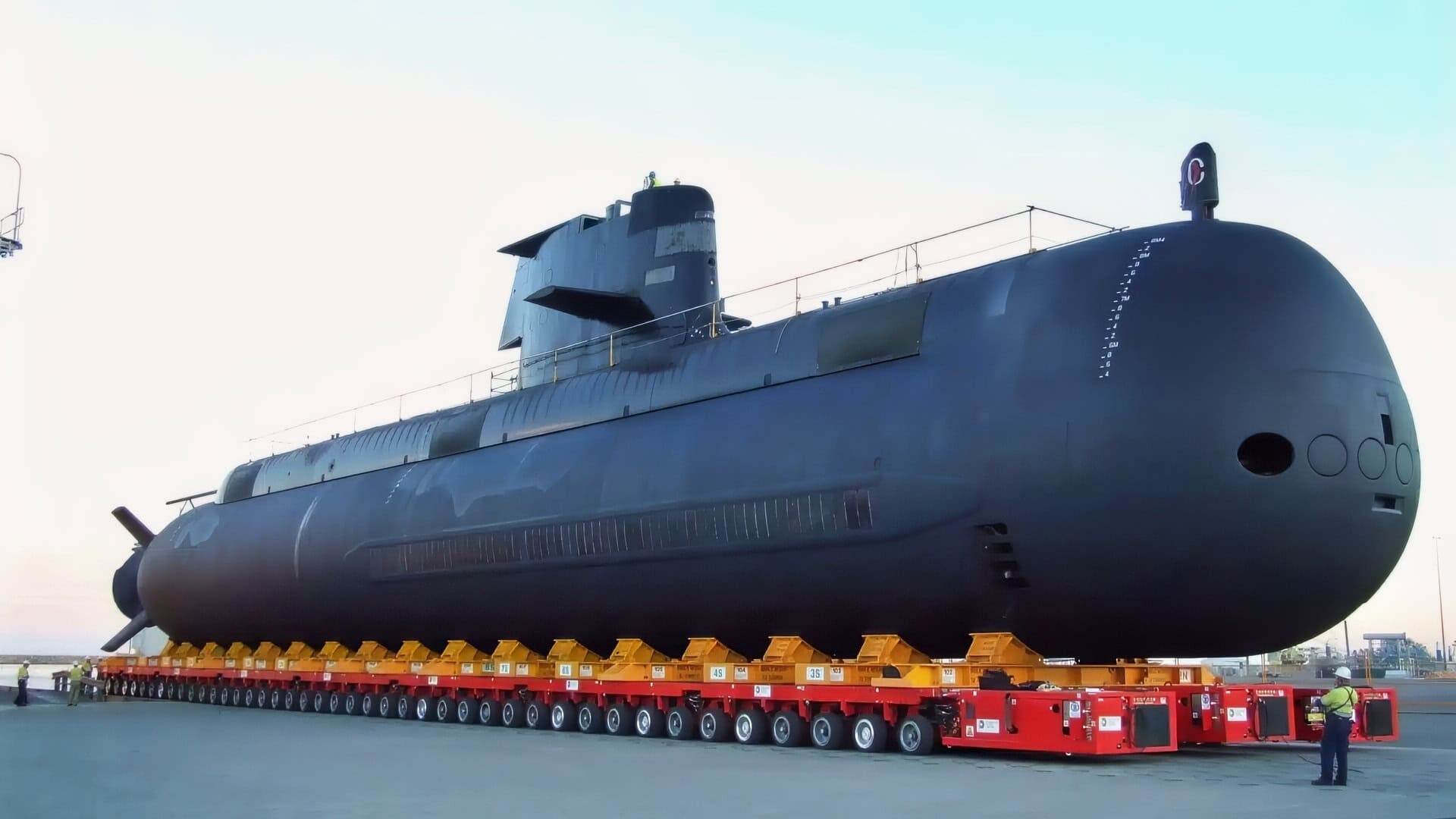
Collins-Class Submarine Australian Government
This expansion should support about 21,000 specialized jobs. So SSN-AUKUS could serve as a kind of industrial mobilization program.
The UK government is pouring billions into the enterprise, especially infrastructure modernization.
This includes expansion and modernization at Barrow, as well as shore-testing infrastructure such as SMITE2. The idea here is to assemble and test more systems ashore and discover faults before installation, thereby reducing the need for super-expensive troubleshooting after the submarine is mostly finished.
Ultimately, this is all about NATO and Indo-Pacific strategy.
British SSNs must cover the North Atlantic, the Russian Northern Fleet, and potentially Indo-Pacific deployments—while still offering an SSBN deterrent, escorting carrier strike groups, and conducting intelligence-gathering missions.
The need for submarines is high. SSN-AUKUS is intended to help meet that need.
About the Author: Harrison Kass
Harrison Kass is a writer and attorney focused on national security, technology, and political culture. His work has appeared in Tablet, City Journal, The Hill, The Spectator, and The Cipher Brief. He holds a JD from the University of Oregon and a master’s in Global & Joint Program Studies from NYU. More at harrisonkass.com.