
Britain's 2026 Battlefield AI Deal With Ukraine Is a Drone War Bet
 Alexandra Reeves
Britain's 2026 Battlefield AI Deal With Ukraine Is a Drone War Bet
Here’s the thing: Britain did not go to Kyiv to sign another polite technology memorandum. It went there to buy time in the one military market that matters in 2026, which is combat learning. Reuters described the announcement as a defence partnership linked directly to battlefield technology. That is the right emphasis. Strip away the diplomatic packaging and this deal is really about whether the UK can plug itself into Ukraine’s brutally efficient wartime innovation cycle before the rest of NATO catches up.
That makes this a much more serious development than the phrase “AI partnership” usually suggests. In most Western capitals, AI in defence still sounds like a conference panel, a procurement white paper, or a contractor demo that works beautifully in dry conditions and falls apart in mud, jamming and darkness. Ukraine is operating in the opposite world. Its data is not synthetic. Its feedback loop is not theoretical. Its failures are immediate, expensive and usually filmed.
This Is a Battlefield Deal First
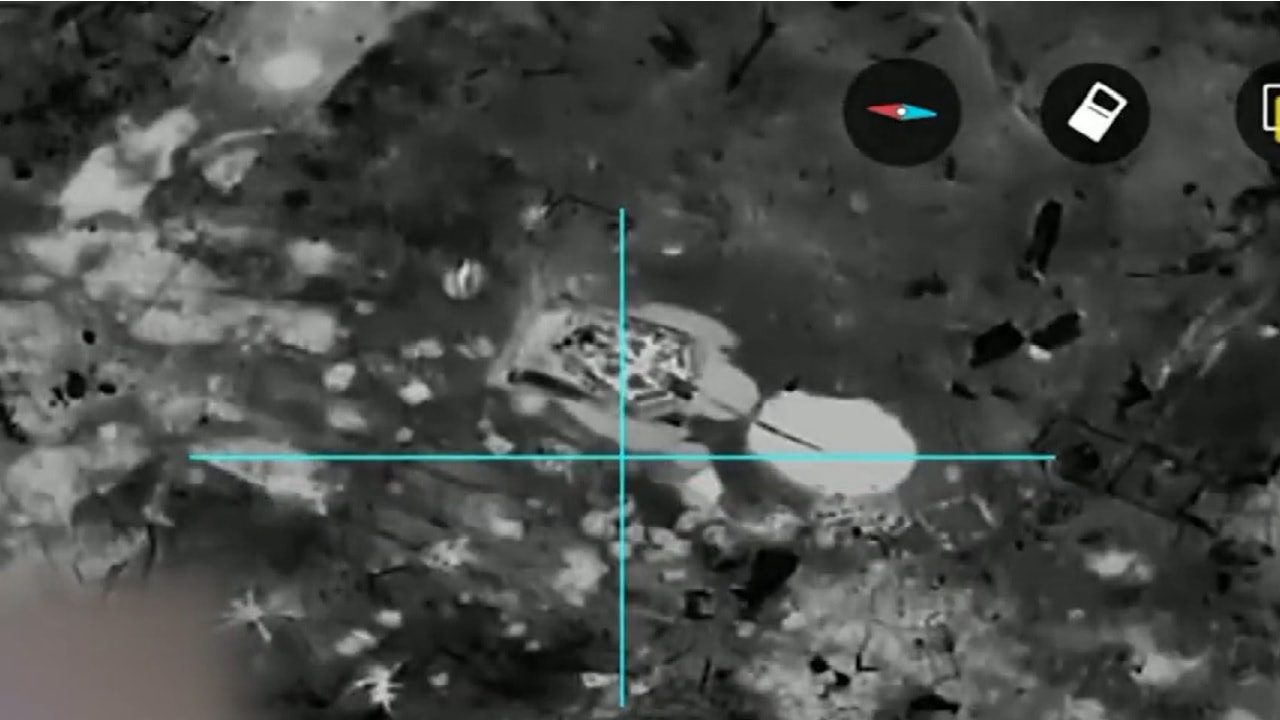
According to the UK government’s 24 August release, Britain will become the first international partner with access to Ukraine’s Avengers AI Labs database. That database is fed by thousands of daylight cameras and infrared sensors across the battlefield. The system captures millions of objects, including tanks, artillery, air defence systems, infantry, Shahed drones and reconnaissance UAVs, and turns them into training material for new AI models.
The joint declaration signed in Kyiv makes the intent even clearer. This is about building next-generation AI-enabled armed forces through co-developed models, secure data and compute pathways, joint assurance, and a pilot-first implementation model. In plain English, London is trying to skip the usual Western defence ritual of talking for two years before testing for six months. Ukraine, because it is fighting for survival, no longer has the luxury of that rhythm.
What Britain Is Actually Buying
Britain is not simply helping Ukraine. It is buying access to the hardest military dataset in Europe. Western militaries spend fortunes trying to simulate the conditions that Ukraine now records every day: low-light engagements, electronic warfare, cheap drone swarms, improvised camouflage, damaged infrastructure, degraded communications and the constant duel between sensors and deception. Ukraine has already paid for that knowledge in blood and steel.
- Operational data from real drone, missile and ground engagements
- A plug-and-play route for British startups, researchers and defence labs
- A faster path from prototype to fielded capability
The British release says pilot projects are already underway with three startups: Sintela in Bristol, Mind Foundry in Oxford and Skyral in London. One trial uses Ukrainian data and UK technology to turn buried fibre-optic cables into AI-enabled sensors for site protection, with obvious applications not only for bases but also for railways, airports, prisons and energy plants. Another explores low-power AI chips for drones, robotics and autonomous systems. That is not futuristic branding. It is a practical attempt to make force protection, sensing and targeting cheaper, faster and harder to fool.
Why Ukraine Signed Anyway
Ukraine is not handing over its most valuable war lesson archive out of sentiment. It needs compute, capital, research depth and industrial scale. The same UK release says Britain is offering its universities, technology firms and what it calls the world’s third-largest AI ecosystem. For Kyiv, the logic is straightforward: turn frontline necessity into long-term industrial leverage while the lessons are still fresh and before allied militaries dilute them into committee language.
The political timing matters as well. Prime Minister Andy Burnham paired the AI announcement with permission for MBDA to release classified information on UK components for the SCALP missile so local assembly lines can be established in Ukraine. That pairing is more revealing than it first looks. London increasingly seems to understand that the durable support model is not just stockpile transfer. It is technology transfer, industrialisation and shared production under wartime pressure.
NATO Should Pay Attention
The uncomfortable part for the rest of NATO is that this agreement quietly admits where the alliance still lags. Ukraine does not need to be told that AI, autonomy and networked warfare are the future. It is already living inside that future. Many NATO militaries are still debating procurement categories, ethics frameworks and service boundaries while Ukraine iterates in weeks and measures success by whether units survive the next rotation.
The joint declaration says the partnership should create a model for developing and fielding AI-enabled military capabilities that others can follow.
That sounds cooperative, but it is also competitive. If Britain becomes the first ally to institutionalise access to Ukraine’s combat data and operational problem sets, it could gain a real first-mover advantage in drones, autonomy and base defence while slower allies keep buying exquisite platforms for a battlefield that no longer exists. The deal is therefore not just about London and Kyiv. It is a test of whether NATO can learn from Ukraine at wartime speed rather than peacetime speed.
The Real Test Comes Next
The short answer is that this partnership will matter only if it stays ugly, fast and operational. If it gets trapped in export-control disputes, procurement ritual and ministerial self-congratulation, the advantage disappears. If the pilots move from press release to fielded capability, Britain will have done something much smarter than another symbolic visit to Kyiv. It will have imported the most valuable commodity in modern war, which is verified learning.
That is why this is more than a technology story. It is an alliance story about who adapts first. Watch the pilot projects. Watch whether SCALP-related industrial cooperation expands. Watch whether other NATO states start asking for the same sort of access London just secured. The democracies that learn fastest from Ukraine will shape the next battlefield. The ones that do not will still be talking about transformation after the war has already transformed them.
Britain signed a defense partnership with Ukraine in 2026 to access battlefield AI technology and data, enhancing military capabilities. This agreement allows Britain to utilize Ukraine's extensive military dataset, which includes real-time operational data from various engagements. The partnership aims to expedite the development and deployment of AI-enabled military systems, reflecting a significant shift in NATO's approach to defense technology and cooperation.
- Britain will access Ukraine's Avengers AI Labs database.
- The partnership aims to enhance military capabilities through AI and data sharing.
- Pilot projects are underway with British startups using Ukrainian data.
- Ukraine needs compute and capital for its military innovation.
- The deal signifies a shift in NATO's approach to military technology and cooperation.