
Building an Unmanned Combat System: Japan Plans to Develop Tactical AI Satellites

In early September, Japanese media revealed that the Ministry of Defense of Japan is developing tactical artificial intelligence satellites, and this project has been included in the defense budget draft for the fiscal year 2027. Unlike previous years, the focus of the defense budget for fiscal year 2027 will be on developing technologies related to artificial intelligence and unmanned combat, fully building an intelligent and unmanned combat system. There has been a significant shift in the allocation of exorbitant military spending; what are the core projects included? How is Japan's combat system changing?
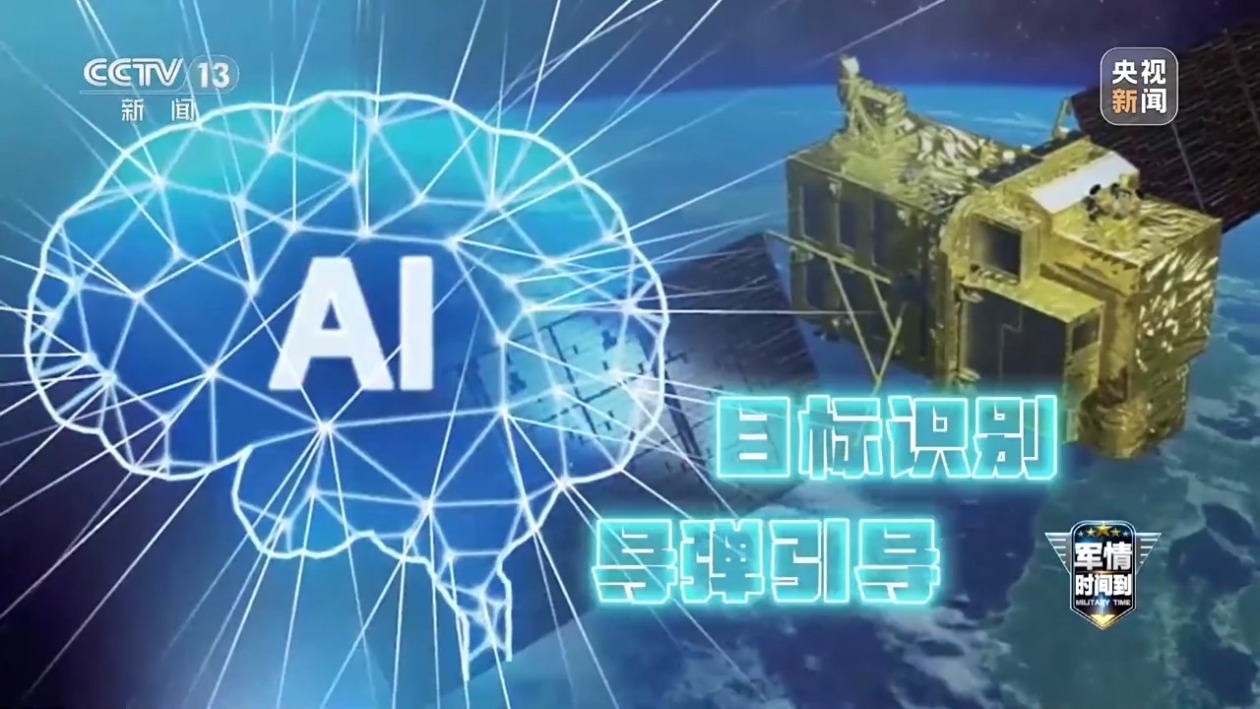
On September 5, the Nikkei reported that the Japanese Ministry of Defense is advancing a new military space program, preparing to develop tactical artificial intelligence satellites for target identification and missile guidance. The Ministry of Defense will collaborate with domestic defense contractors to develop experimental models of these satellites from fiscal year 2027 to fiscal year 2029, with on-orbit testing in space expected as early as fiscal year 2030.
On August 31, the Japanese Ministry of Defense publicly announced the draft application for the defense budget for fiscal year 2027, totaling approximately 8.89 trillion yen, setting a historical record. Among them, promoting the militarization of artificial intelligence applications is also a key focus of this budget application. Some Japanese government officials have indicated that the final defense budget scale, finalized at the end of the year, may be even higher, reaching about 10 trillion yen.
This budget list includes four unmanned technologies and artificial intelligence combat systems:
Introducing an artificial intelligence decision support system for selecting attack targets and analyzing battle conditions;
Utilizing civilian components and technologies to achieve mass production of low-cost attack drones;
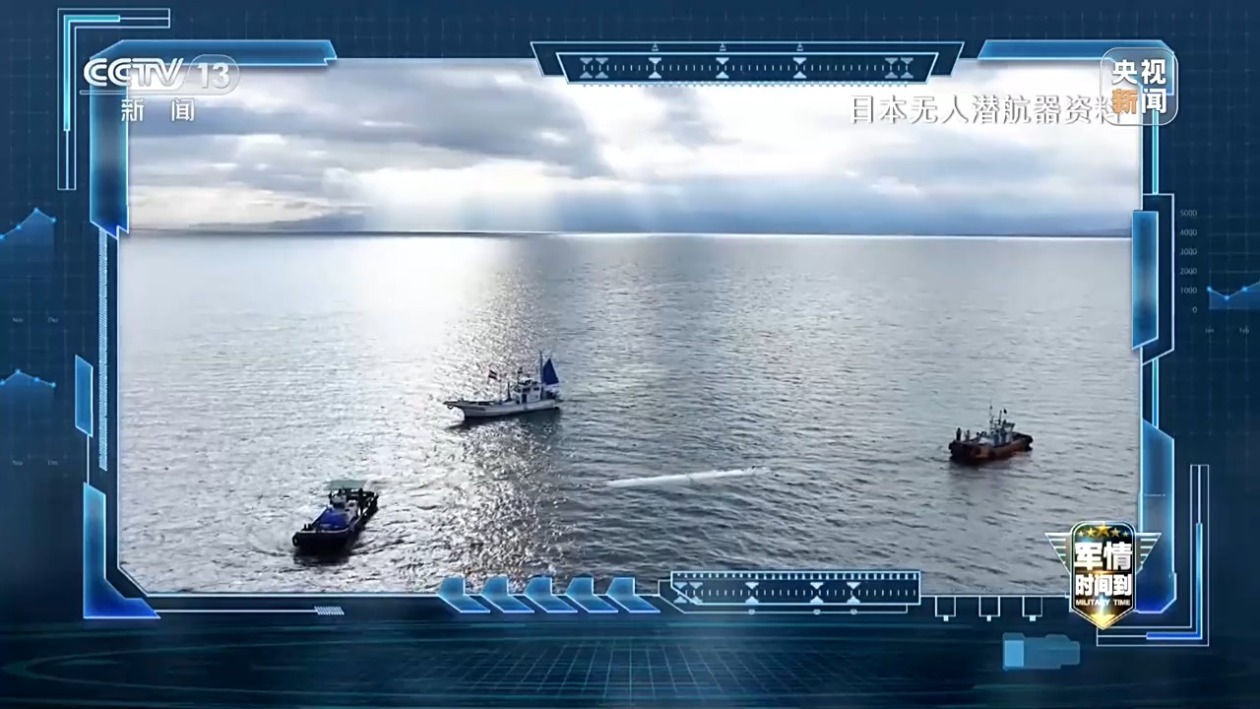
Researching long-range missiles for unmanned underwater vehicles;
Developing "tactical artificial intelligence satellites" for guiding missiles and drones.
These development directions indicate that Japan is shifting from a traditional manned combat system to an "unmanned + intelligent" proactive strike system.
Japan proposes to develop tactical artificial intelligence satellites
Host: Japan has proposed to develop tactical artificial intelligence satellites; how do they differ from previous reconnaissance satellites and navigation satellites?
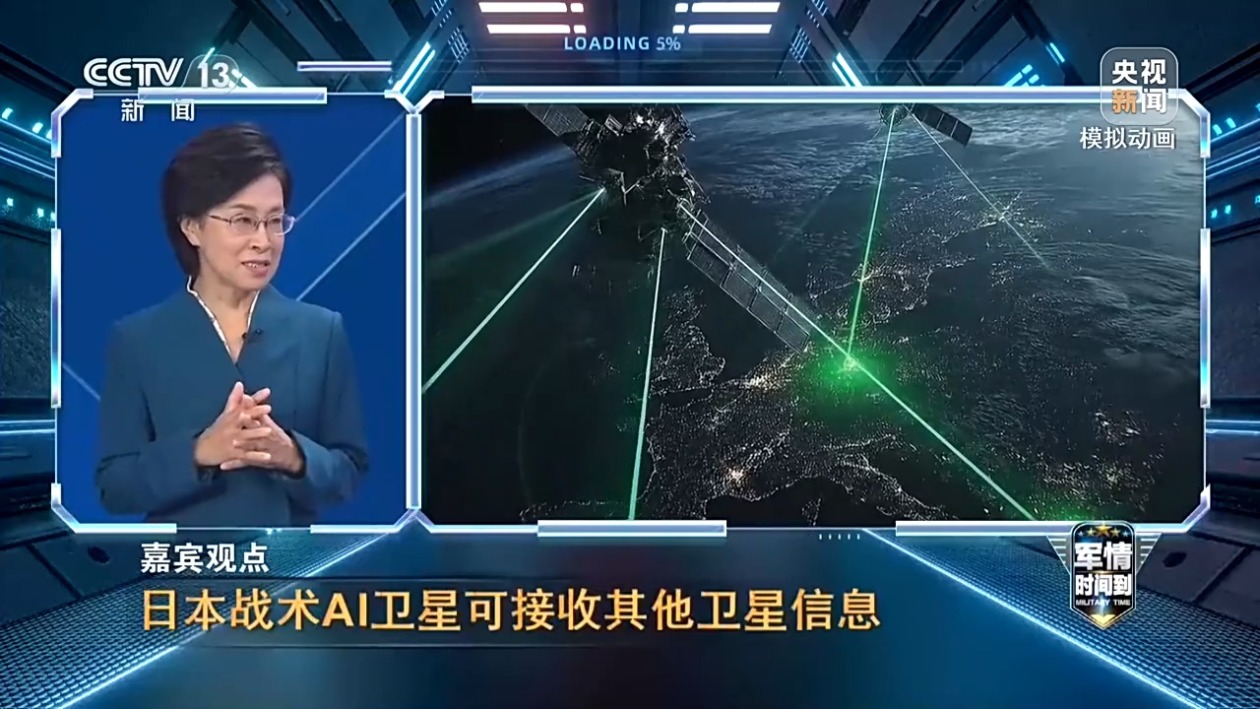
Military Commentator Shao Yongling: In fact, this AI tactical satellite is a type of reconnaissance satellite. However, it differs from traditional reconnaissance satellites in that it performs calculations in space, provides a conclusion, and then transmits it back to the ground. Additionally, this type of satellite can receive information from other satellites. Therefore, the intelligence or images it analyzes are not limited to its own data. Another very important function is that after a missile is launched, real-time information is needed; the satellite in space sends it to the ground, and then the ground sends commands to the missile. This process can be delayed. However, now, this AI satellite can directly command the missile. In this case, the advantages of the tactical AI satellite become evident.
Host: Among the four technologies, one mentions Japan's "Joint Operations Command," which officially introduces an artificial intelligence decision support system. What kind of system is this?
Military Commentator Shao Yongling: The decision support system focuses on support. It is not a decision-making system, which indicates that in this system, humans are still the core and most important part, and humans always control the entire process. Japan's system mainly addresses some preliminary preparations, with AI making the entire combat process more efficient.
Host: Meanwhile, in this defense budget, we also see a plan to develop long-range missiles equipped for unmanned underwater vehicles. What kind of system is this? Are there any successful precedents?
Military Commentator Shao Yongling: Currently, no country has achieved this. To carry long-range missiles, it is necessary to develop large unmanned underwater vehicles, which Japan certainly does not have. Additionally, the communication devices and sensors installed in unmanned underwater vehicles are quite limited. Therefore, it is believed that such large unmanned underwater vehicles carrying long-range missiles may pose safety issues.
What shortcomings does the Japan Self-Defense Forces currently have?
Host: What shortcomings does the Japan Self-Defense Forces currently have?
Military Commentator Shao Yongling: The Japan Self-Defense Forces have a certain foundation in AI and unmanned combat systems. However, its shortcomings are also very prominent. I believe Japan's current problem is its lack of integration capability.
Japan does not have companies capable of building large models, so its current idea is to buy large models from the United States and then make some adjustments at a higher level. This indicates that its core technology is constrained by others and cannot truly achieve independent research and development.
Additionally, Japan actually has a data problem; real battlefield data, including a large amount of reconnaissance data and data obtained during exercises, is crucial for training AI, and it faces many challenges.
Combining unmanned equipment, manned equipment, and artificial intelligence
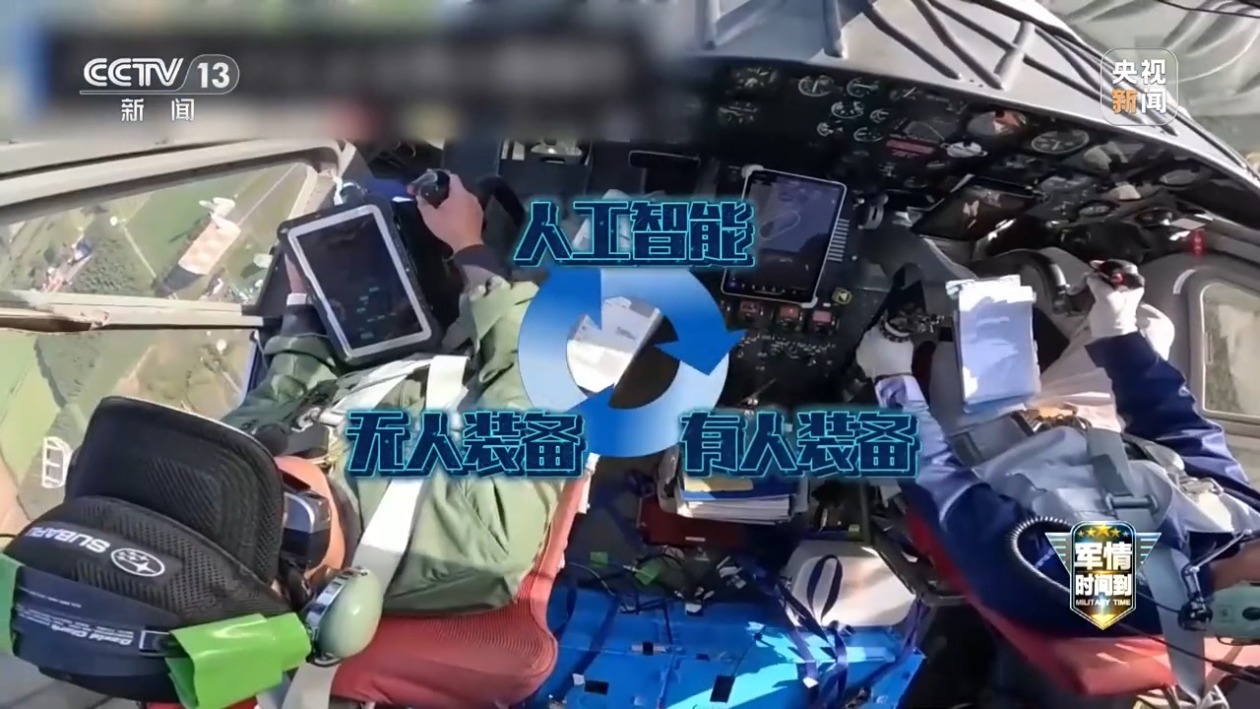
Host: Japan claims that combining unmanned equipment, artificial intelligence, and manned equipment can change the "game rules." Why do you think that is?
Military Commentator Shao Yongling: In the past, we knew that Japan was a country of "defensive defense," but in 2022, Japan revised relevant documents and clearly stated that it wants to have the capability to strike enemy bases. To achieve this, unmanned equipment and artificial intelligence are needed. Because Japan's traditional equipment has many issues, such as intelligence reconnaissance lagging behind and not being able to update target information in real-time.
Moreover, unmanned equipment is not afraid of sacrifice, has good concealment, and can remain hidden for long periods. This is a very important supplement, and even when necessary, it can act as the main force. Therefore, Japan emphasized the development of unmanned equipment in 2022. I believe Japan wants to use the development of asymmetric capabilities to make up for its shortcomings in traditional military capabilities. This method forms combat power quickly and cheaply, and in the future, it can create an effective complementary relationship with traditional military power.
Where does Japan obtain data?
Host: Training artificial intelligence and large models requires a lot of real data; where does Japan obtain this data?
Military Commentator Shao Yongling: Japan currently obtains data mainly through several channels.
First, Japan has various reconnaissance platforms and sensors, which are an important source.
Second, Japan conducts military exercises with the United States, which can also yield some data.
Third, it commonly uses open-source intelligence and publicly available information.
Finally, it uses data from the United States.
From the current perspective, Japan still wants to be as independent as possible in the data field, which is why it wants to develop its own AI satellites to break free from dependence on the United States. Additionally, we see that Japan also wants to cooperate with Ukraine because Ukraine has a lot of annotated data from the battlefield, which is truly invaluable. Now Japan wants to jointly design and produce drones with Ukraine, and I believe it has an important intention to utilize Ukraine's data. However, compared to other military powers, it indeed has significant limitations in obtaining data. Therefore, without first-class data, it cannot "feed" first-class AI.
What characteristics do Japan's unmanned equipment have?
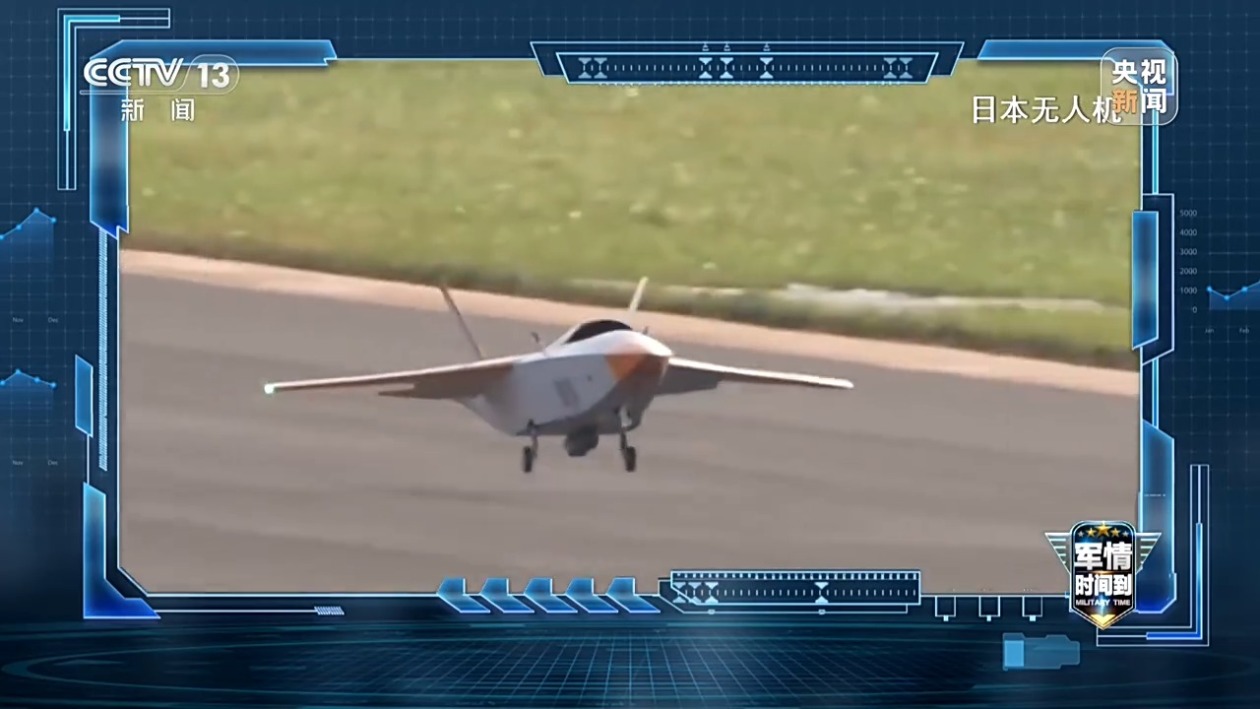
Host: What characteristics do the unmanned equipment used by Japan have?
Military Commentator Shao Yongling: As an island nation, Japan may have a higher demand for unmanned equipment. Japan is a country with a declining birthrate, making recruitment for the Self-Defense Forces difficult. It is impossible to deploy manpower on all islands, but unmanned equipment can solve this problem. Some islands can use drones for reconnaissance and patrol. On the islands, deploying long-range strike weapons can conduct reconnaissance and monitoring, and the information obtained can be transmitted back to the missile launch system. However, due to the harsh marine environment, including high temperatures, high humidity, and wind, the survival conditions for unmanned equipment are quite challenging.
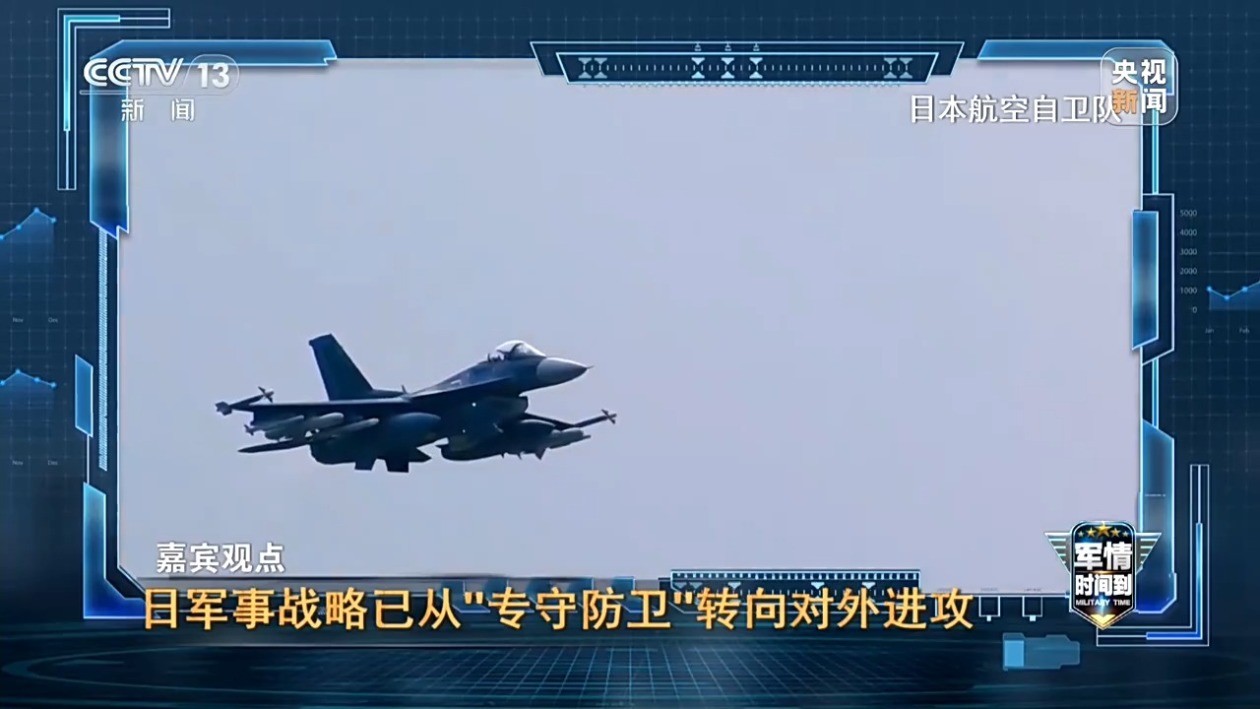
Host: Among the unmanned equipment that Japan is developing, are there any offensive systems?
Military Commentator Shao Yongling: Japan wants to buy attack drones or loitering munitions from Israel and the United States; these are of great interest to Japan and can be used immediately upon arrival. However, the range of drones is relatively limited, and Japan has previously focused on using unmanned devices for reconnaissance. But in the next step, Japan will definitely shift its focus from reconnaissance to "reconnaissance-strike integration." Why are the "Patriot" missiles in the Gulf region not enough? Because there are too many drones. Iran has been launching drones that the U.S. cannot intercept. Therefore, I believe Japan will definitely push in this direction next, but for now, it can only be said that it has just begun.
In the long term, Japan is definitely not going to stop at so-called "island defense" or "maritime denial." In the long run, it aims to build a very strong offensive capability, allowing its firepower coverage to extend further. Japan's entire military strategy has long shifted from "defensive defense" to actively offensive operations. With so many large platforms in place, if you take out the weapons and equipment, you cannot see the appearance of "defensive defense." Therefore, I believe that Japan's development of unmanned and intelligent systems is an attempt to keep up with the trend and the future development of military capabilities worldwide, ensuring that these elements provide strong support for traditional military power.
Japan is developing tactical AI satellites for military applications, with plans to conduct space testing by 2030. The defense budget for fiscal year 2027 emphasizes AI and unmanned systems, totaling approximately 8.89 trillion yen. This initiative marks a significant shift towards an unmanned and intelligent combat framework, involving collaboration with local defense industries.
- Japan is developing tactical AI satellites for military use by 2030.
- The defense budget for fiscal year 2027 is approximately 8.89 trillion yen, focusing on AI and unmanned systems.
- Japan aims to transition to an unmanned and intelligent combat system.
- The project includes collaboration with domestic defense contractors.