
Bulgaria's NATO F-16 Request Exposes Europe's 2026 Black Sea Drone Gap
 Alexandra Reeves
Bulgaria's NATO F-16 Request Exposes Europe's 2026 Black Sea Drone Gap
Bulgaria is asking NATO for fighter aircraft, air-defence missiles, counter-drone systems and patrol aviation after a run of attacks on merchant ships in the Black Sea. That request sounds like routine alliance burden-sharing. It is not. It is an admission that NATO's southeastern flank still lacks the layered surveillance and air-defence architecture needed to protect the waters directly beside alliance territory.
A shipping crisis inside NATO's security perimeter
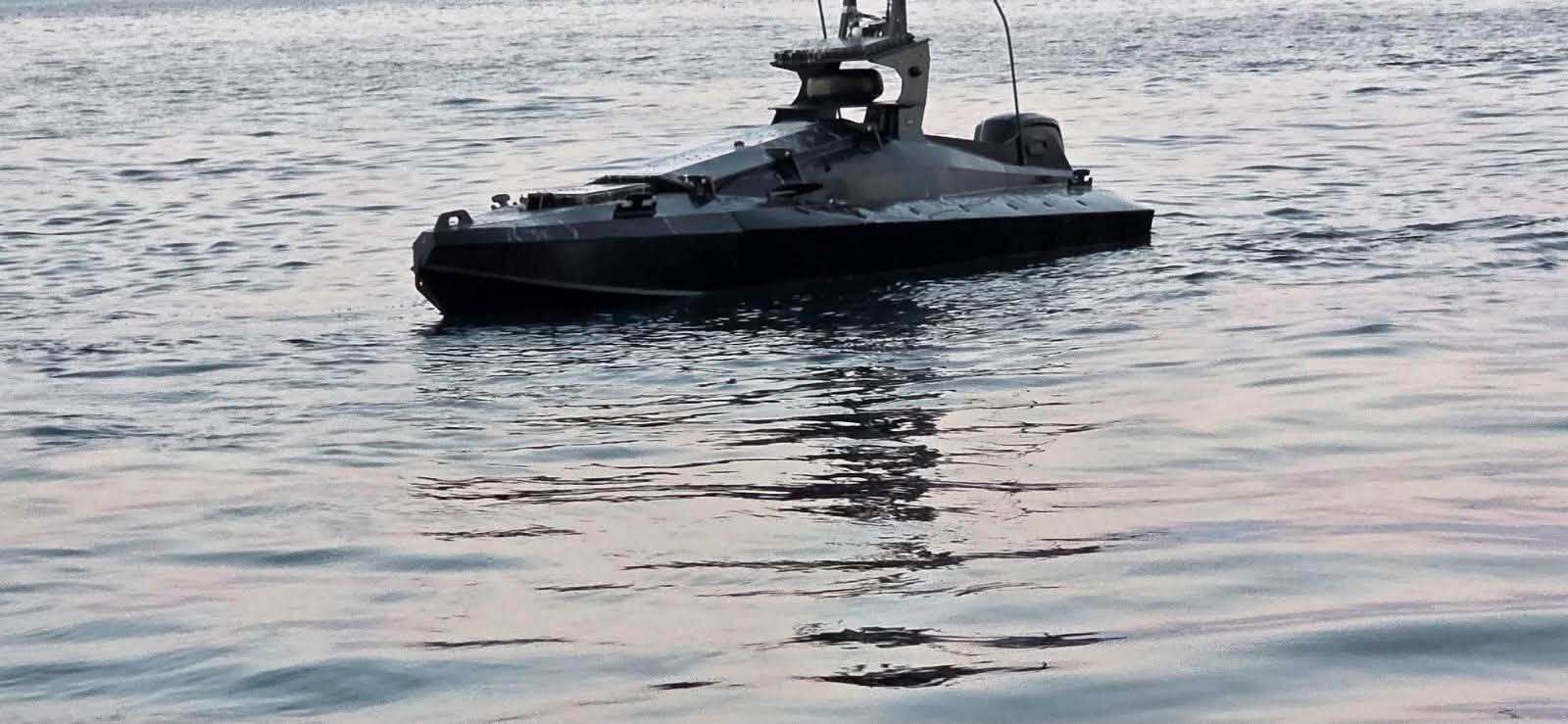
The immediate trigger is unusually hard to dismiss. The Sofia Globe reported that two merchant ships were attacked in Bulgaria's exclusive economic zone on October 13. The Turkish-owned, St Vincent and Grenadines-flagged Azov Concorde sank 17 nautical miles from Krapets. A second vessel, the Ukrainian-owned Chelsea 3, was hit 15 nautical miles from Byala; all 15 crew members were rescued, although five required medical attention.
Those incidents followed attacks on two other ships in Bulgaria's maritime zone on October 6. Bulgarian officials have not publicly established responsibility. Prime Minister Roumen Radev said there was no definitive evidence naming the attacker, while also arguing that the pattern serves Russian interests. That distinction matters. Attribution is a political decision; detection and protection are military ones. NATO cannot wait for a courtroom standard of proof before improving the sensors and interceptors around a vulnerable sea lane.
What Sofia is actually asking for
Defence Minister Dimitar Stoyanov said on October 16 that Bulgaria had asked NATO allies for the “entire possible spectrum” of assistance: aviation, anti-aircraft missile systems, counter-drone capabilities and maritime patrol aviation. The request is broader than a demand for a few F-16s. It points to a chain-of-command problem, a sensing problem and an engagement problem.
- F-16 fighters: a fast multirole aircraft with a 20mm internal cannon, beyond-visual-range air-to-air weapons and modern targeting and radar options, useful for air policing and rapid response.
- Ground-based air defence: missile systems can cover larger sectors and provide persistent protection, but they are expensive tools against low-cost drones.
- Counter-drone systems: electronic warfare, short-range guns, interceptor missiles and directed-energy systems are better suited to the cost and flight profiles of small unmanned aircraft.
- Maritime patrol aviation: aircraft and unmanned sensors can identify suspicious activity over a wide area before a ship becomes a distress call.
An F-16 can intercept an aircraft. It is a poor economic answer to a cheap drone unless the drone is part of a larger strike package. Sending a fourth-generation fighter to chase every low, slow target is like using a fire engine to deal with a cigarette. The aircraft matters, but the network matters more.
The Black Sea is becoming NATO's awkward flank
Romania has also reported attacks and incursions in its waters and is seeking a joint NATO command structure for the Black Sea. Bulgaria's defence minister said four merchant ships had been hit in Bulgaria's economic zone and two more in Romanian territorial waters. Whether every incident is ultimately attributed to Russia, Ukraine or an unidentified actor, the operational effect is the same: commercial traffic is operating under a threat that NATO members cannot reliably see, classify or defeat.
That exposes a familiar alliance weakness. NATO is good at generating temporary deployments. It is less good at building permanent regional systems with shared data, common rules of engagement and enough low-end interceptors to sustain a campaign. Bulgaria can request aircraft from allies, Romania can propose a command, and ships can receive warnings. None of that automatically creates a coherent air picture over the western Black Sea.
The technical challenge is not just range. Small drones present low radar cross-sections, fly close to the sea and can approach from cluttered maritime backgrounds. A credible defence requires overlapping radars, passive sensors, electronic support measures, patrol aircraft, coastal observation and short-range effectors. It also requires a decision process fast enough to act before a vessel is hit. A defence ministry press conference is not a sensor.
Why this matters beyond Bulgaria
Russia has learned in Ukraine that drones can impose political and economic costs without requiring a conventional attack on a NATO state. Striking shipping near alliance waters tests several thresholds at once: how much ambiguity can European governments tolerate, how quickly can NATO verify attribution, and whether commercial operators will continue using exposed routes.
The temptation in Brussels will be to frame this as another request for American assets. That misses the strategic signal. Bulgaria is already operating inside the alliance's security umbrella, yet it is asking for basic capabilities that should make that umbrella credible: detection, patrol, air defence and a mechanism for putting them under one operational picture. Europe cannot solve this by collecting a few more fighter pledges while leaving the low-altitude layer thin.
There is also a political trap. If NATO responds only after each new incident, Moscow gains the initiative and the alliance looks reactive. If NATO deploys a visible, integrated maritime and air-defence package, it risks escalation but restores deterrence. The answer is not to promise that every drone will be intercepted. The answer is to make attacks harder, attribution faster and the cost of repetition clearer.
The uncomfortable conclusion
Bulgaria's F-16 request is being presented as a plea for reinforcements. It is really a warning about architecture. NATO has aircraft, missiles and ships; what it lacks is enough of them connected in the right place, at the right altitude and under a commander empowered to act.
The next test is whether the alliance builds a standing Black Sea surveillance and counter-drone mission, rather than rotating emergency assets after each sinking. If it does not, Russia will not need to cross a NATO border to weaken NATO security. It can simply keep attacking the space just outside it.
Sources: The Sofia Globe, “New drone attacks on ships in Bulgaria's Black Sea EEZ, one sunk” (October 13, 2026); The Sofia Globe, “Bulgaria has asked Nato to strengthen capabilities in the Black Sea region” (October 16, 2026); PBS NewsHour, “Drone strikes in the Black Sea raise fears of Russian escalation to test NATO's response” (October 16, 2026).
Bulgaria requested NATO assistance for fighter aircraft and air-defense systems following attacks on merchant ships in the Black Sea in October 2026. The Bulgarian defense minister indicated a need for a comprehensive military support package, including counter-drone systems and maritime patrol aviation. Romania also reported similar incidents and is advocating for a joint NATO command structure in the region. The situation highlights NATO's vulnerabilities in air defense and surveillance capabilities in southeastern Europe.
- Bulgaria requested NATO for fighter aircraft and air-defense systems due to recent attacks on merchant ships.
- Two merchant ships were attacked in Bulgaria's exclusive economic zone on October 13, 2026.
- Bulgaria's defense minister stated the request includes a broad spectrum of military assistance.
- Romania has also reported similar attacks and is seeking a joint NATO command structure for the Black Sea.
- The report emphasizes NATO's need for improved surveillance and defense capabilities in the region.