
Can the U.S. Military Destroy All Bridges and Power Plants in Iran in 4 Hours? Experts Analyze the Offensive and Defensive Game.
U.S. President Trump claims that the U.S. military only needs "4 hours" to destroy all of Iran's bridges and power plants. Considering the current equipment and strike efficiency of the U.S. military, is this claim feasible? If a strike is indeed carried out, what countermeasures does Iran have?
Iran's air defense system is difficult to fully intercept U.S. military strikes
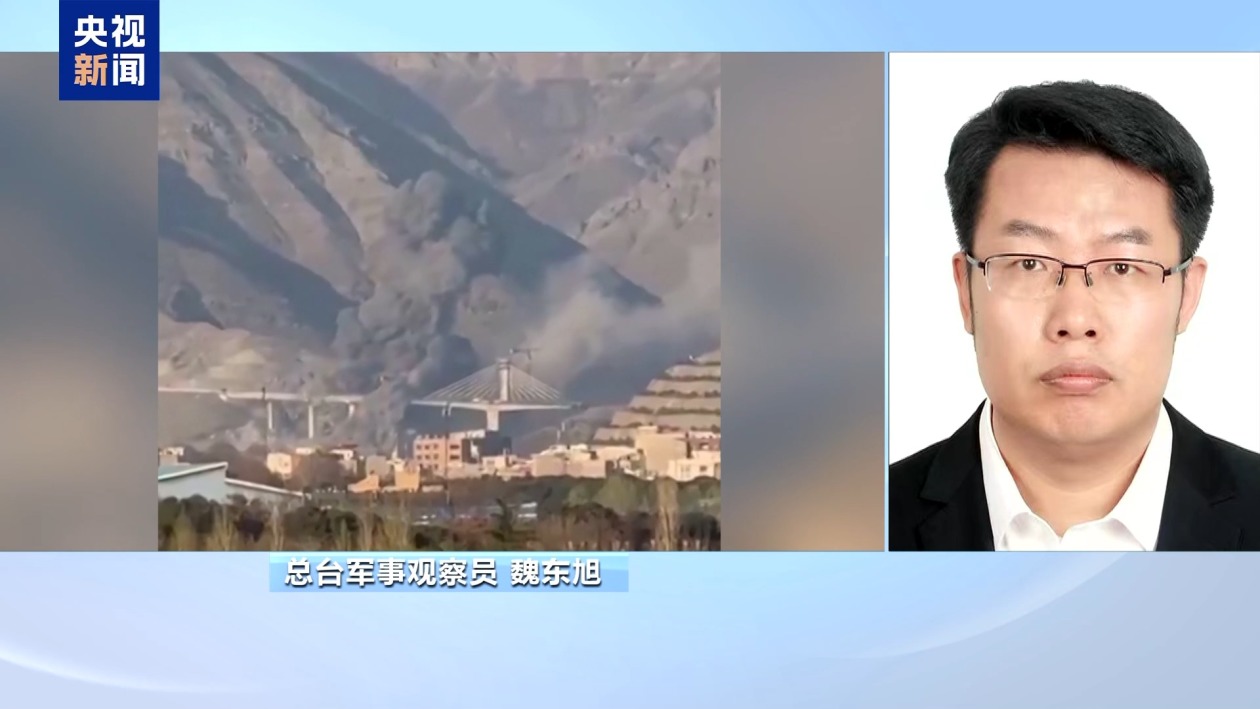
Question 1: Can the U.S. destroy all of Iran's bridges and power plants in "4 hours"?
Military observer Wei Dongxu: The U.S. military has long-range strike capabilities against Iran's important bridges and power plants. Currently, Iran's air defense system cannot provide comprehensive protection for large infrastructure. The U.S. Navy's USS Lincoln carrier strike group includes Aegis-equipped ships that can launch Tomahawk cruise missiles, capable of striking ground targets within a range of 2,000 kilometers. The U.S. Air Force's F-15E fighter jets can also carry JASSM-ER cruise missiles, allowing them to strike large infrastructure from positions far away from Iranian airspace. Iran's already damaged air defense system would find it difficult to fully intercept U.S. cruise missiles. For example, Tomahawk cruise missiles can fly at low altitudes. Currently, Iran's air defense and early warning systems are not particularly robust, so Tomahawk cruise missiles can easily find vulnerabilities and exploit them to strike bridges and large power plants.
If the U.S. and Israel fully bomb Iran's infrastructure, they will face a fierce counterattack
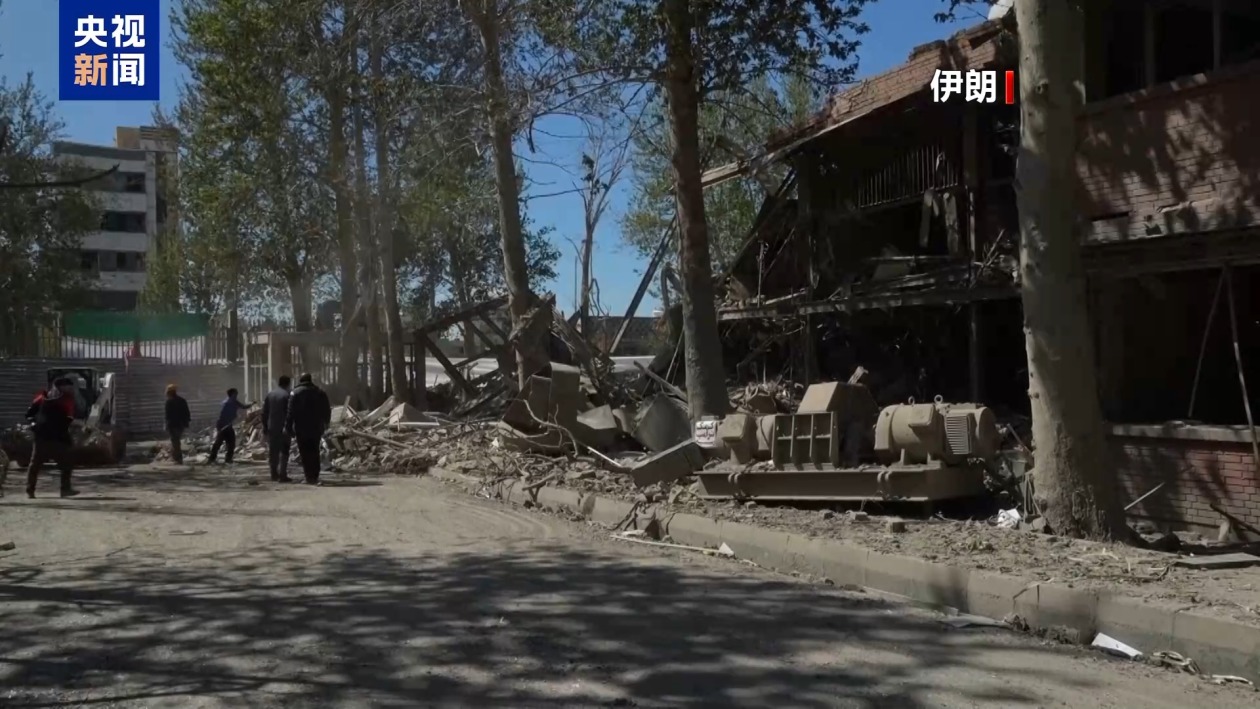
Question 2: If the U.S. military does carry out strikes, what countermeasures will Iran take?
Wei Dongxu: If the U.S. military conducts a comprehensive bombing of Iran's strategically important infrastructure that supports civilian life, it will undoubtedly lead to a fierce counterattack from Iran. Iran's targets will expand to include U.S. interests in the Middle East, important assets of U.S. corporations in the region, and more large Israeli infrastructure. Iran still possesses a sufficient number of ballistic missiles and long-range suicide drones. Currently, the U.S. early warning and missile defense systems in the Middle East have been somewhat damaged, and Israel's missile defense system also has vulnerabilities. Therefore, Iran's long-range saturation attacks would put significant pressure on the U.S.
The U.S. sends contradictory signals, reflecting its inability to fully control the situation
Question 3: Why does the U.S. President issue threats while also claiming that dialogue with Iran is underway?
Wei Dongxu: Once the conflict in the Middle East escalates rapidly, the exchange of information or indirect negotiations between the U.S. and Iran will face greater resistance. The U.S. sending contradictory signals indicates its inability to fully control the situation; it wants to apply pressure for profit while being unwilling to easily cease hostilities. Although the U.S. has repeatedly expressed a willingness to negotiate, it currently lacks sincerity. First, the U.S. has not suspended airstrikes but is continuously deploying more offensive combat forces to the Middle East. Therefore, the U.S. still has intentions to escalate the conflict and plans for more intense military strikes against Iran. Second, based on the current statements from the U.S., there has been no positive or direct response to the conditions proposed by Iran, indicating significant differences and divergences between the two sides regarding negotiation conditions and positions. Achieving consensus in a short time, or making progress on sensitive issues at the negotiation level, is indeed very challenging.
The U.S. military asserts it can destroy all bridges and power plants in Iran within four hours, leveraging advanced weaponry like Tomahawk missiles and F-15E fighter jets. In response, Iran is expected to retaliate against U.S. interests in the Middle East, utilizing its ballistic missiles and drones. The situation reflects a complex military dynamic, with the U.S. increasing its military presence while engaging in dialogue with Iran.
- U.S. claims it can destroy all Iranian bridges and power plants in 4 hours.
- Iran's air defense is inadequate to fully protect its infrastructure.
- Iran has sufficient ballistic missiles and drones for counterattacks.
- U.S. Navy can launch Tomahawk missiles from ships within 2000 km of Iran.
- U.S. military presence in the region is increasing despite claims of dialogue with Iran.