

Ottawa decided to buy the Victoria-class submarines from London in 1998 to maintain a nominal submarine capability after it retired its predecessors, the Oberon-classships.
The deal would ultimately prove costly, as the four formerly British ships spent much of their lives in refit rather than at sea, leaving Canada with too few boats to cover its three coasts and enormous watery wastes.
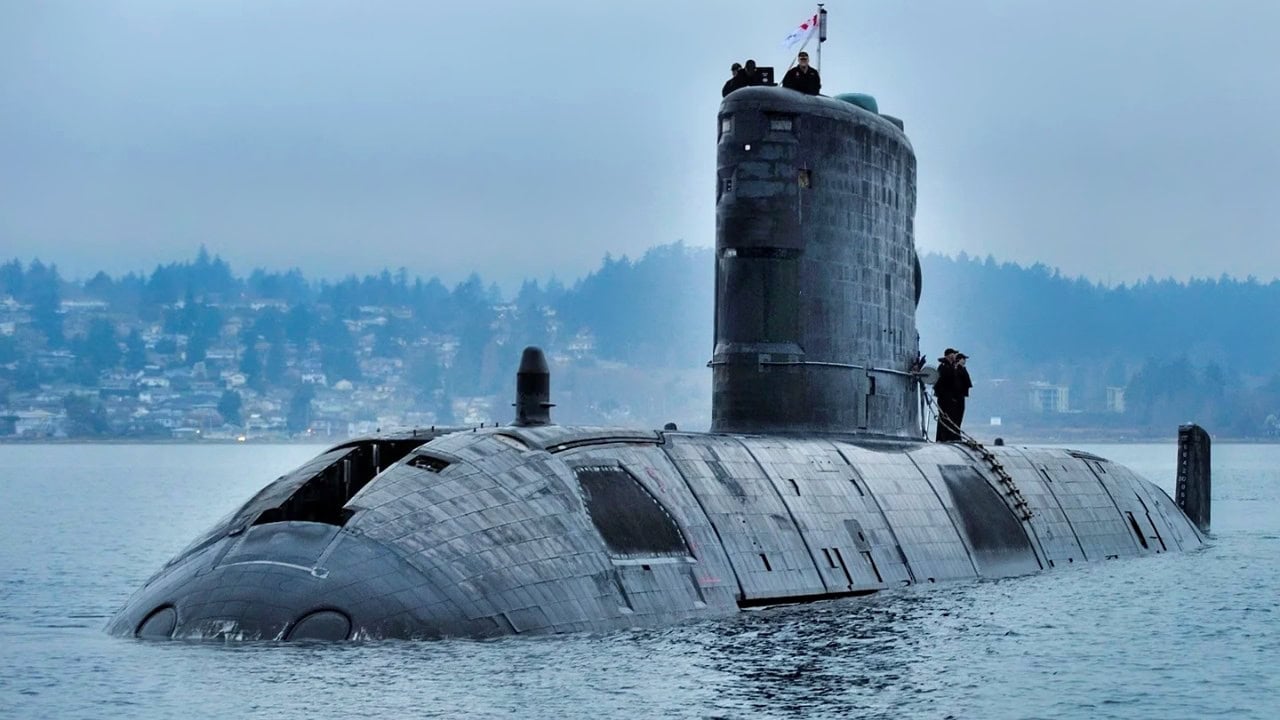
Victoria-Class Submarine Canadian Navy. Image Credit: Government Photo.
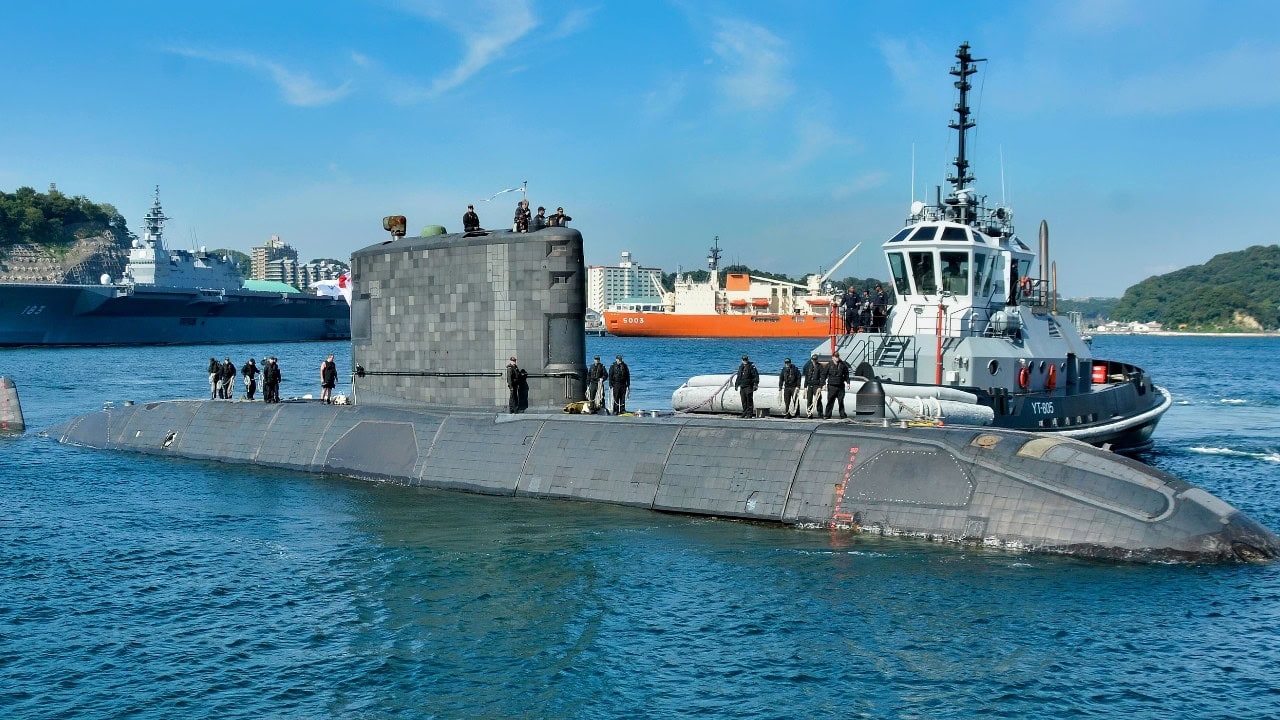
Canada Victoria-Class Submarine. Image Credit: Creative Commons.
The Rhyme Behind the Reason
The British impetus for selling the submarines was clear: by the late 1990s, the Royal Navy was moving toward nuclear-powered submarines and away from older diesel-electric designs. It sold the submarines for $896 million.
At the time, it was seen as a rather good deal for Canada.
Ultimately, the four submarines, the HMCS Victoria, Windsor, Corner Brook, and Chicoutimi, were delivered between 2000 and 2004.
They were extensively “Canadianized,” given a new fire-control arrangement and communications, and optimized for integration with the Royal Canadian Navy’s Mk 48 heavyweight torpedoes.
Ultimately, the decision to buy the submarines was not to build a large, robust fleet, but to preserve institutional knowledge and avoid a submarine gap.
Without the Victoria-class, Canada’s Royal Canadian Navy risked losing submarine crews and vital training pipelines.
To that end, the Victoria-class was valuable, though hardly a capable force.
A Raft of Issues and Problems
While the class preserved a modicum of submarine knowledge for Canada, it faced significant operational problems stemming from its condition and age.
The Upholder-class submarines had been laid up in salt water before sale, and Canada underestimated how much work it would take to reactivate them, as well as the engineering challenge of supplying a class that no other navy operated.
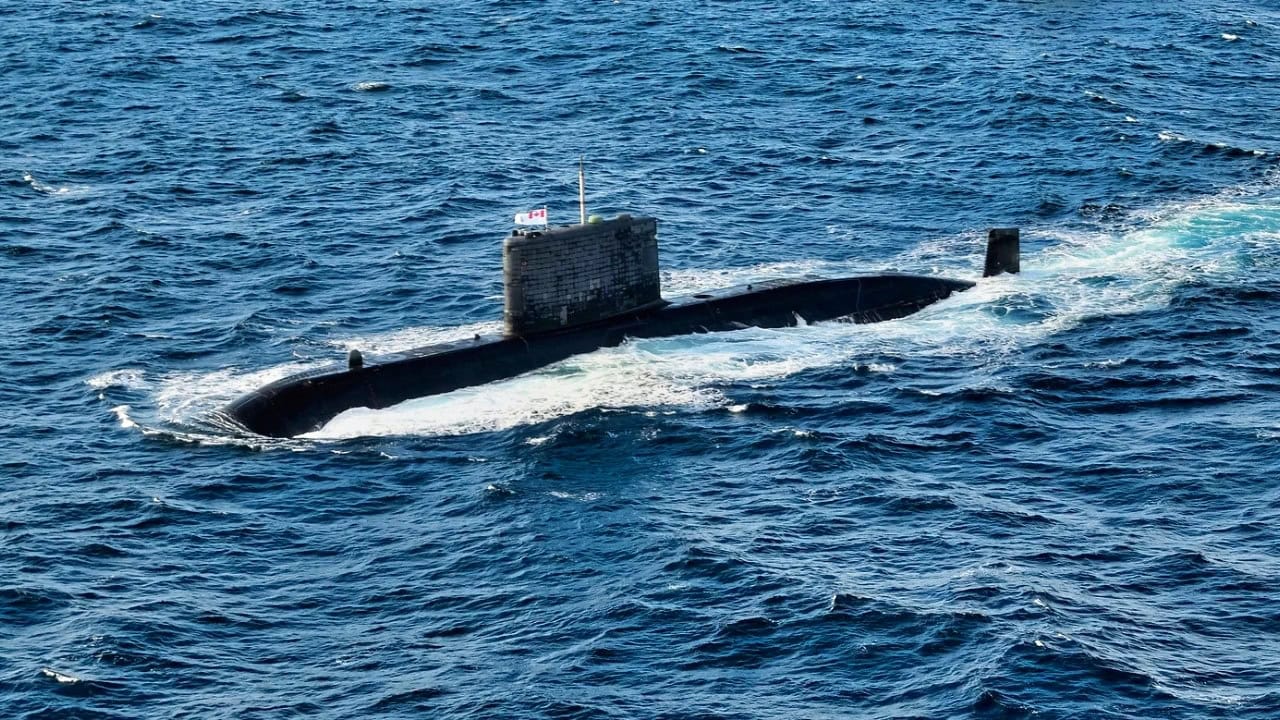
Victoria-Class Submarine at Sea. Image Credit: Creative Commons.
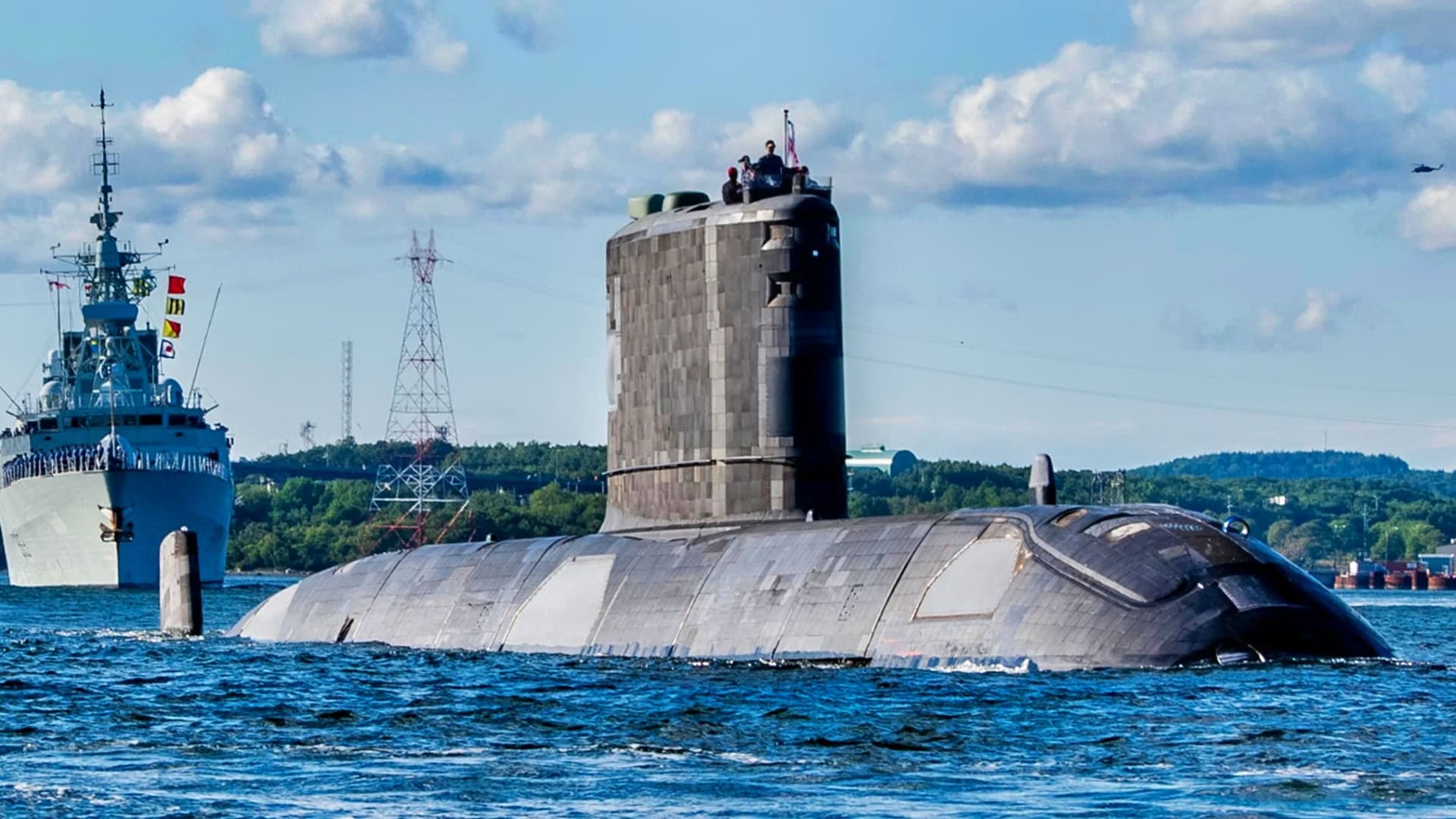
Victoria-Class Submarine Canada.
Canada therefore became responsible for the submarine’s supply and technical issues.
One of the most serious problems came to the class shortly after delivery, in 2004.
A fire aboard the Chicoutimi during its delivery voyage killed one sailor and injured eight others, ultimately delaying its entry into service until 2015. But other setbacks followed.
Corner Brook grounded near Nootka Sound in 2011 and sustained bow damage.
That began a repair marathon that lasted over a decade after bow repairs revealed corrosion and a damaged pressure vessel.
Other unrelated floods and defects also delayed the sub and blew out repair budgets.
A Class of Orphans
One of the core issues is that the Victoria-class is, in essence, an orphan class of submarines.
Canada owns the only four hulls ever built. Spare parts are scarce, and suppliers have precious little incentive to produce parts. Some components required expensive bespoke manufacturing to reengineer.
As a result, the class suffers from the availability issues mentioned above.
In 2012, the fleet recorded no days at sea.
Even during better times, the Royal Canadian Navy could deploy only one or two boats on patrol at a time.
By 2026, the Corner Brook was described as the only operational submarine in Canadian service, while the Victoria and Windsor are in deep maintenance and Chicoutimi is a training vessel, but one that is stuck at port.
Four Boats and Three Oceans
A four-submarine force is almost farcical for a country with Atlantic, Pacific, and Arctic interests as well as the world’s longest coastline.
Submarines need lengthy maintenance cycles, and an available boat is not necessarily deployable.
Crews must train, certification must be current, and the subs must be ready to deploy on short notice.
As the Arctic ice thaws thanks to global warming, the issue has become even more pressing.
As shipping routes open or remain navigable later in the year, foreign activity in Canadian waters becomes more likely — as does the risk to Canadian sovereignty.
Compounding the issue is the class’s diesel-electric propulsion, which requires occasional surfacing and cannot remain under the ice for long, extended periods of time.
Into the Future
Canada has chosen a replacement for the class; however, Germany’s Thyssenkrupp Marine Systems will build the Type 212CD.
That class, also built in cooperation with Norway, is among the world’s most capable nonnuclear submarines, but will not enter service until the mid-2030s.
For Canada, of crucial aspect of the Type 212CD, capabilities aside, is the number of hulls. While some reports suggest that Canada may purchase eight submarines, Ottawa has also previously indicated a desire for a vastly expanded, 12-hull submarine buy.
Either way, the Victoria-class will have to limp on until its replacement arrives.
About the Author: Caleb Larson
Caleb Larson is an American multiformat journalist based in Berlin, Germany. His work covers the intersection of conflict and society, with a focus on American foreign policy and European security. He has reported from Germany, Russia, and the United States. Most recently, he covered the war in Ukraine, reporting extensively on the war’s shifting battle lines in Donbas and writing about its civilian and humanitarian toll. Previously, he worked as a Defense Reporter for POLITICO Europe. You can follow his latest work on X.