

Report Content

Est. 1986 • 40 Years of Defense Coverage
Four Decades.
One Mission.
Since 1986, Defense News has been the authoritative voice for the world's defense decision-makers. For 40 years we have tracked every war, every weapon, every watershed moment that shaped the force we have today.
YEAR1986
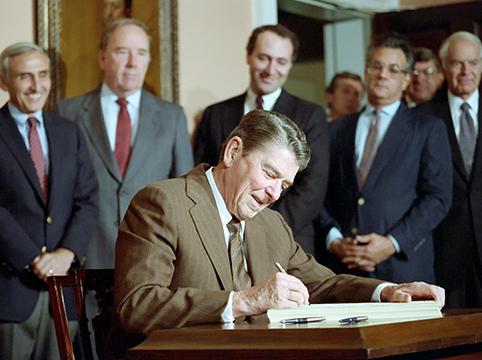
Signed into law on October 1, 1986, the Goldwater-Nichols Act overhauled the U.S. military command structure, elevating the Chairman of the Joint Chiefs as principal military adviser. It was born of hard lessons from the failed Iran hostage rescue and coordination failures in Grenada.
Why it mattersEvery joint operation since — from Desert Storm to today — flows directly from this legislation's command architecture.
YEAR1989
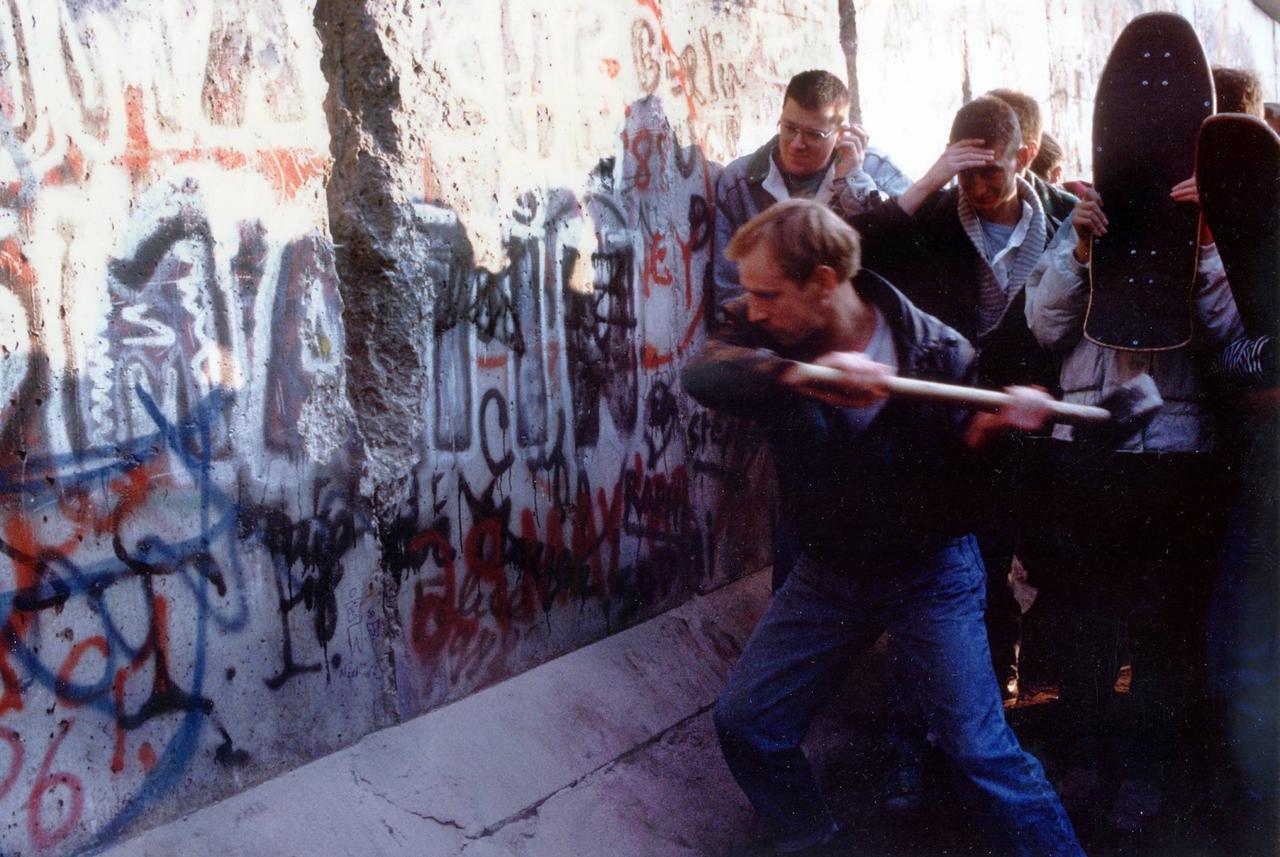
November 9, 1989: the Wall falls. Two years later, the Soviet Union dissolves. The defense enterprise organized around nuclear deterrence suddenly had no peer to deter. Budgets shrank. Force structure changed. But the resulting strategic vacuum produced more instability, not less.
Why it mattersThe collapse of the Soviet Union forced a wholesale rethinking of American defense strategy — and revealed how deeply every assumption about force structure, budgets, and alliances had been built around a single adversary.
YEAR1991
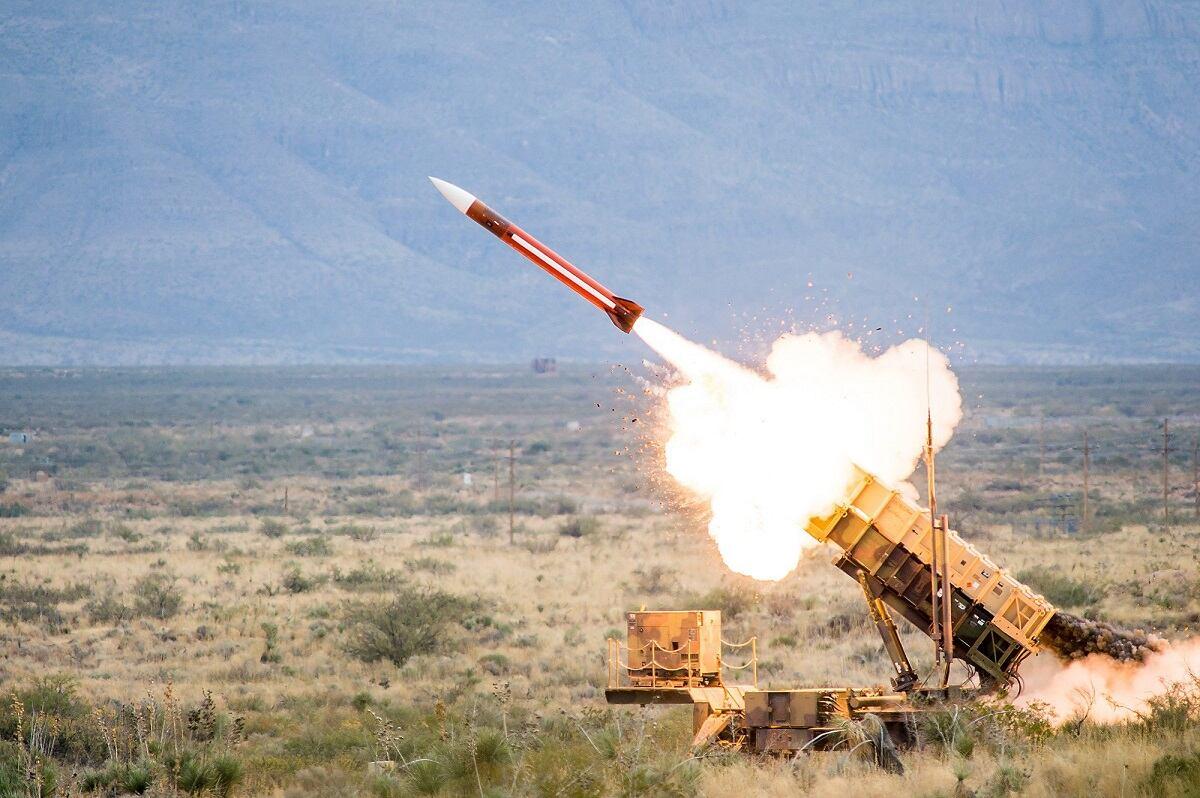
Iraq invaded Kuwait on August 2, 1990. The U.S.-led coalition launched air operations on January 16, 1991, and Kuwait was liberated by February 28. GPS-guided munitions, stealth aircraft, and real-time satellite intelligence performed beyond expectations. The revolution in military affairs stopped being theoretical.
Why it mattersDesert Storm fundamentally reshaped how the U.S. military thought about warfare — validating precision strike, joint operations, and the integration of space-based assets in ways that would define American defense investment for decades.
YEAR1993
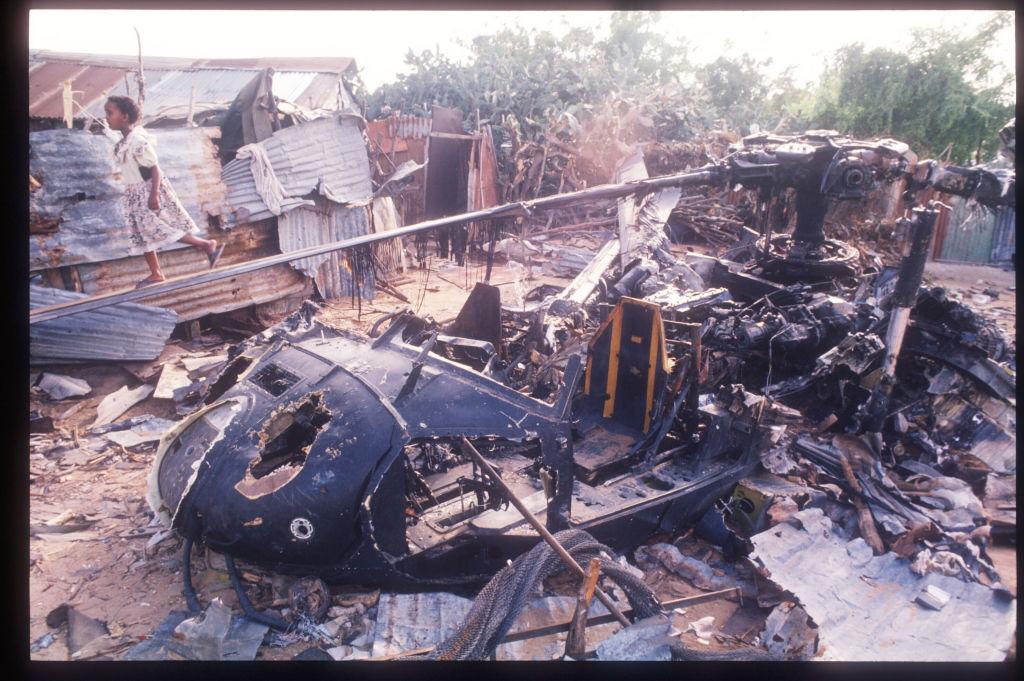
October 3–4, 1993: Army Rangers and Delta Force operators fought through Mogadishu in a battle that exposed every gap in force protection, rules of engagement, and political will for costly interventions. The U.S. withdrew. The lessons were quietly shelved — and then relearned at terrible cost in Iraq.
Why it mattersThe failures of Mogadishu directly shaped MRAP requirements, force protection doctrine, and the debate over expeditionary commitment that continues today.
YEAR1996

Deputy Defense Secretary Bill Perry's 1993 meeting set off a decade of aggressive consolidation. Lockheed merged with Martin Marietta. Boeing absorbed McDonnell Douglas. Northrop merged with Grumman. By 2000, roughly 50 major prime contractors had become fewer than five.
Why it mattersThe consolidation reshaped the relationship between the Pentagon and industry for a generation — concentrating capability and production in fewer hands, with lasting consequences for competition, pricing, and surge capacity.
YEAR2001
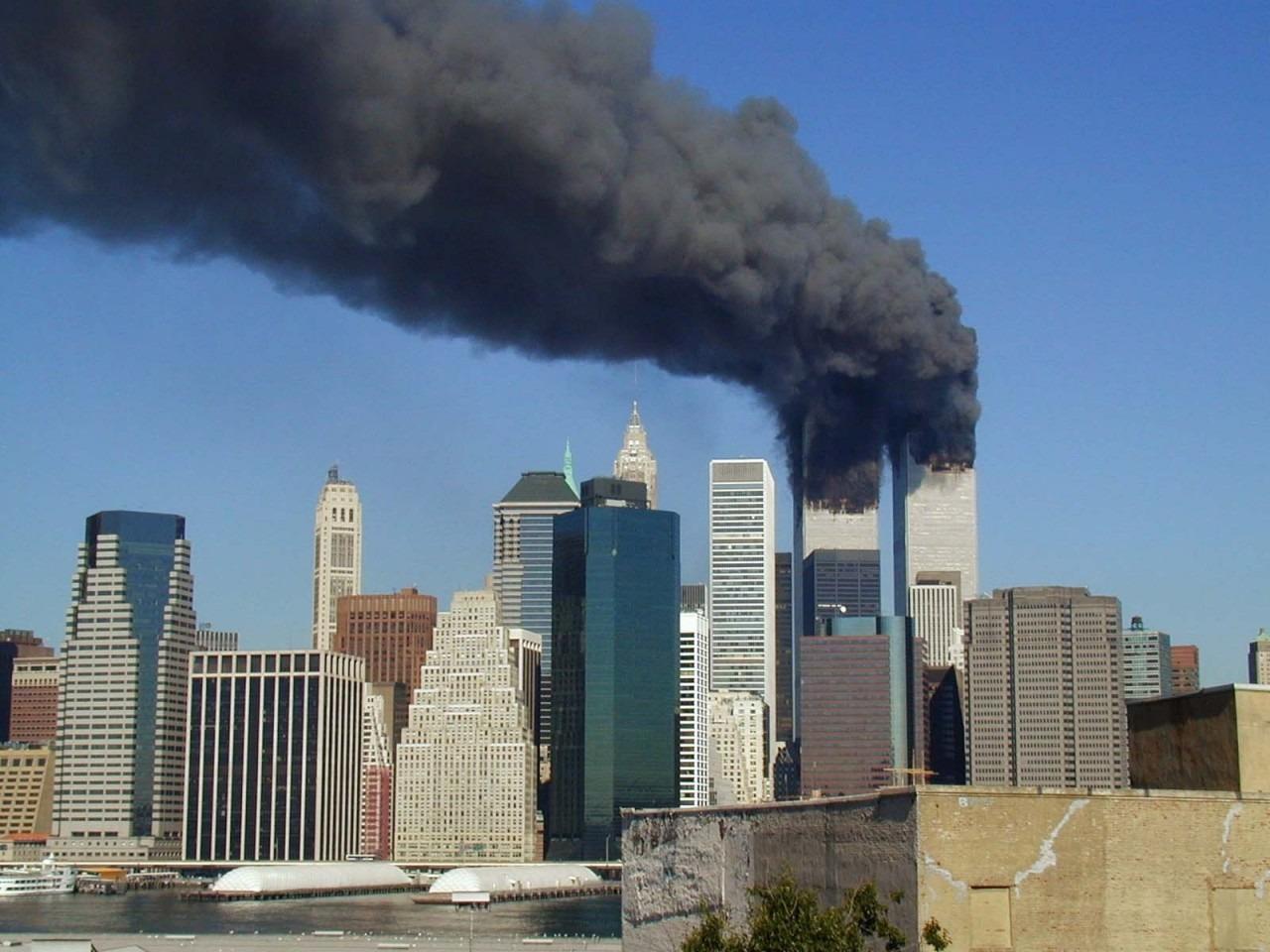
The September 11 attacks triggered the largest reorganization of U.S. national security since 1947. DHS, the DNI, U.S. Northern Command, and a massive expansion of special operations and intelligence capabilities followed. On October 7, 2001, Operation Enduring Freedom began in Afghanistan.
Why it mattersThe attacks reshaped the U.S. national security apparatus more fundamentally than any event since World War II — transforming military priorities, intelligence structures, and the legal frameworks governing the use of force.
YEAR2003
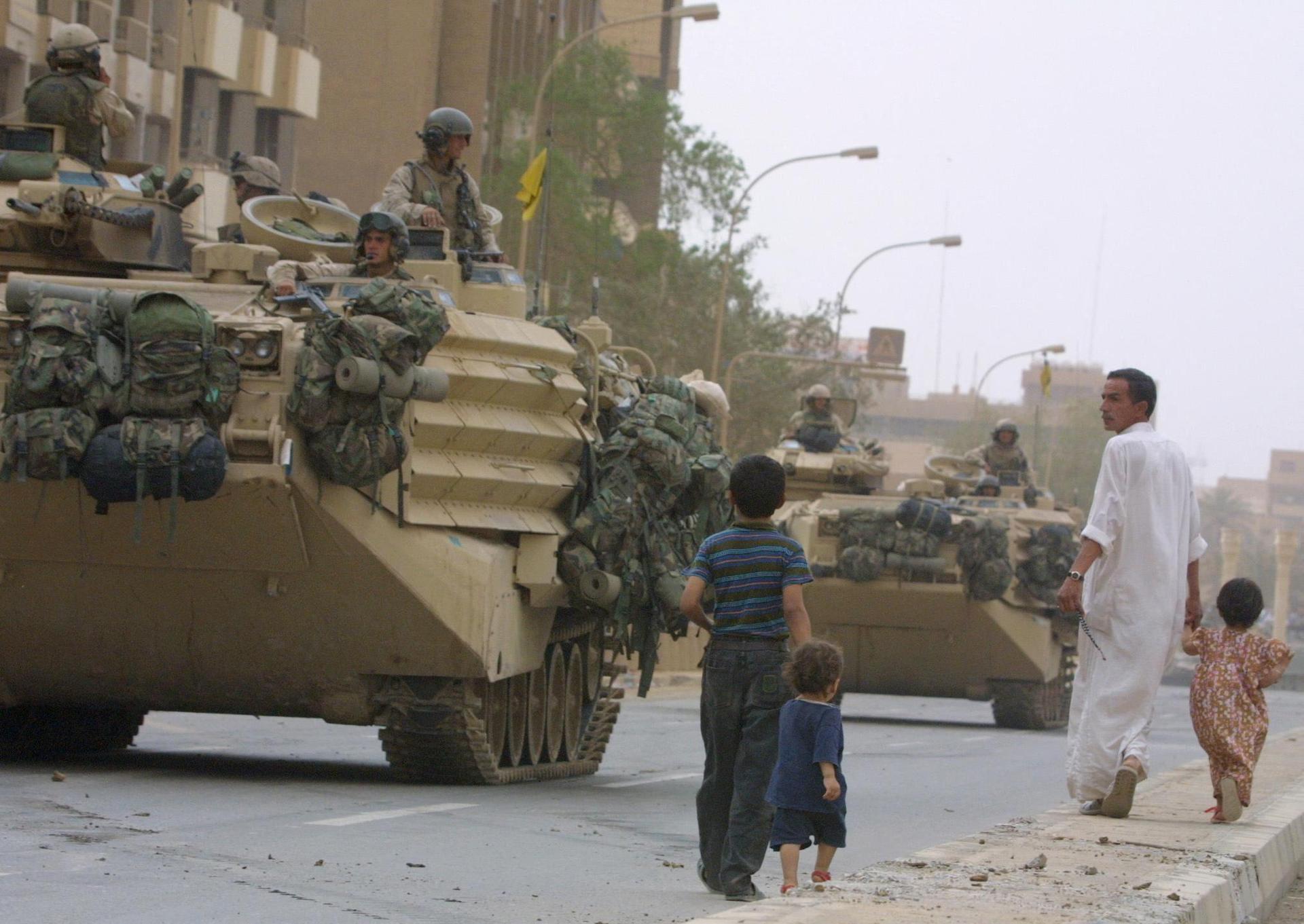
The March 2003 invasion removed Saddam's regime in three weeks. What followed consumed the U.S. military for a decade. MRAPs bypassed normal acquisition entirely. The Army rewrote its capstone doctrine. ISR expanded at unprecedented pace.
Why it mattersThe COIN era produced foundational SOF, ISR, and precision strike capabilities — but also a generation-long distraction from conventional warfighting readiness.
YEAR2007
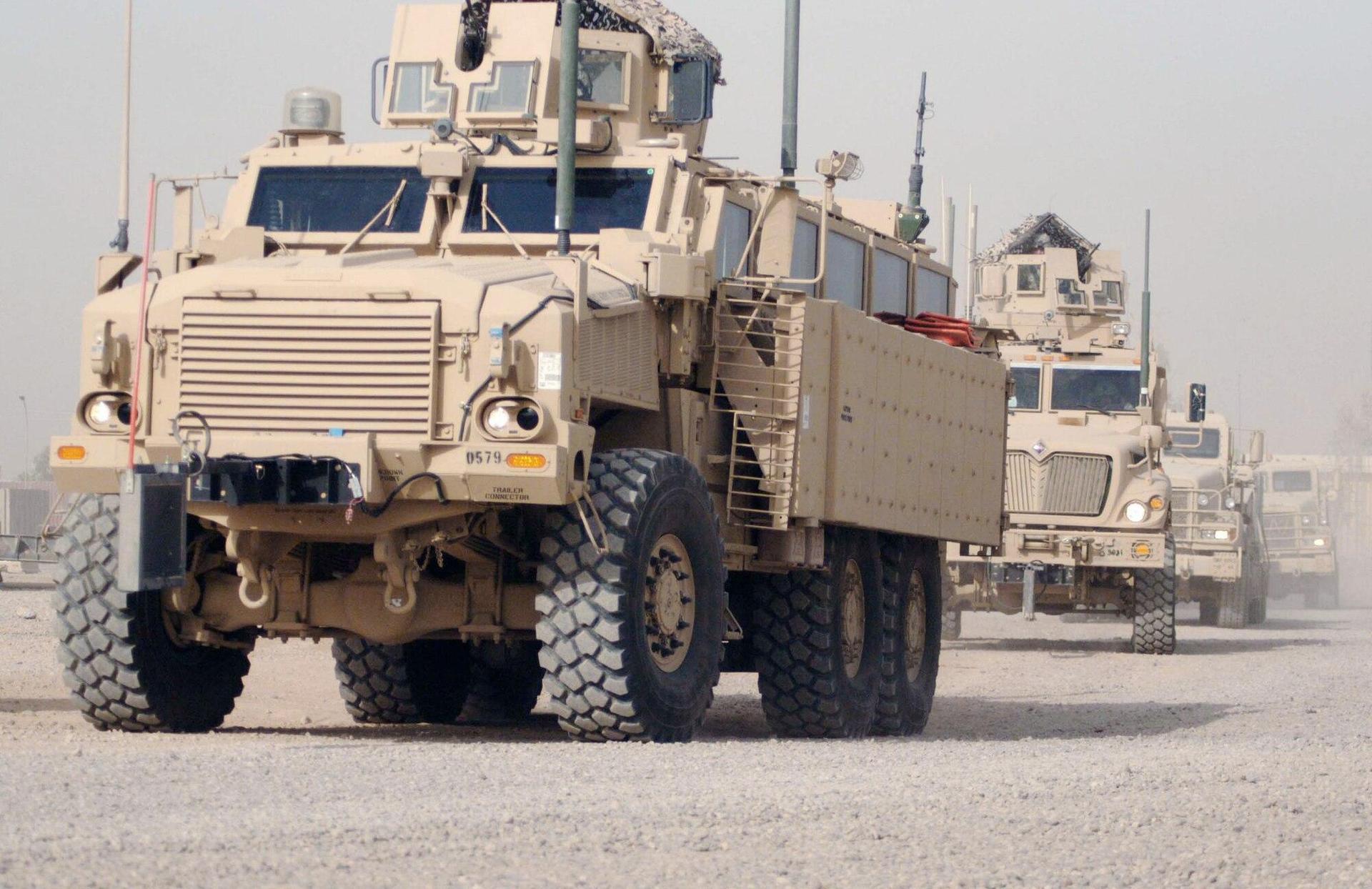
The 2007 surge of approximately 30,000 additional troops into Iraq, paired with Gen. Petraeus's revised counterinsurgency doctrine (FM 3-24), marked a watershed in how the U.S. military conceptualized stability operations. It became the central case study for a generation of defense thinkers.
Why it mattersThe surge produced a generation of combat-tested leaders and crystallized the central strategic debate of the era: whether American military power could stabilize societies, not just defeat armies.
YEAR2010

The Stuxnet worm, discovered in 2010 and widely attributed to a U.S.-Israeli operation, manipulated industrial control systems to physically destroy uranium enrichment centrifuges at Natanz. It was the first publicly known use of a cyber weapon to cause physical destruction. The same year, U.S. Cyber Command was established.
Why it mattersStuxnet established that software could be a weapon capable of physical destruction — and forced every major military to reckon with the offensive and defensive implications of operating in cyberspace.
YEAR2011
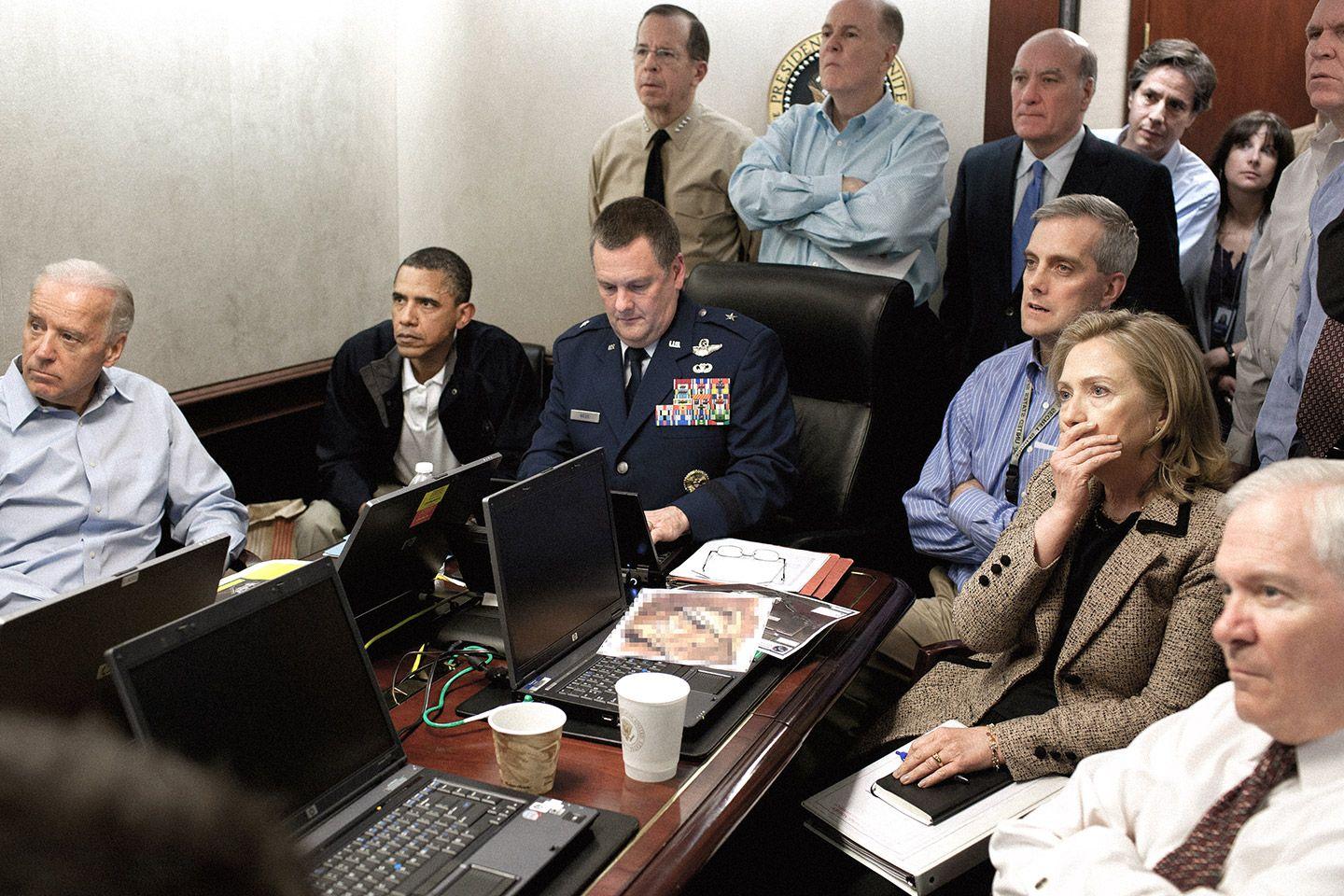
The May 2, 2011, killing of Osama bin Laden validated a decade of investment in SOF and intelligence integration. Simultaneously, armed drone operations expanded dramatically — Predators and Reapers flying persistent strikes across multiple theaters. Over 20,000 UAVs entered DoD's inventory after Afghanistan began.
Why it mattersThe raid validated years of investment in clandestine SOF capability and intelligence integration — and the simultaneous rise of armed drones fundamentally changed what persistent lethal presence could mean for a military force.
YEAR2014

Russia's annexation of Crimea in February–March 2014 shattered the assumption that Europe had escaped great power territorial conflict. NATO's eastern flank suddenly demanded resources. The U.S. military scrambled to rebuild conventional warfighting readiness — air defense, armored formations, long-range fires, and electronic warfare.
Why it mattersThe 2014 strategic shock is the direct ancestor of the 2022 invasion — and it set the urgency behind the 2018 NDS that formally named China and Russia as competitors.
YEAR2018

The 2018 National Defense Strategy, issued under Secretary Mattis, formally ended counterterrorism primacy and redirected the entire U.S. defense enterprise — from R&D to force structure to basing — toward long-term great power competition and multi-domain operations.
Why it mattersThe 2018 NDS accelerated the Pentagon’s shift toward great power competition — sharpening the focus behind programs like NGAD, hypersonics, JADC2, and the Pacific posture debate.
YEAR2019
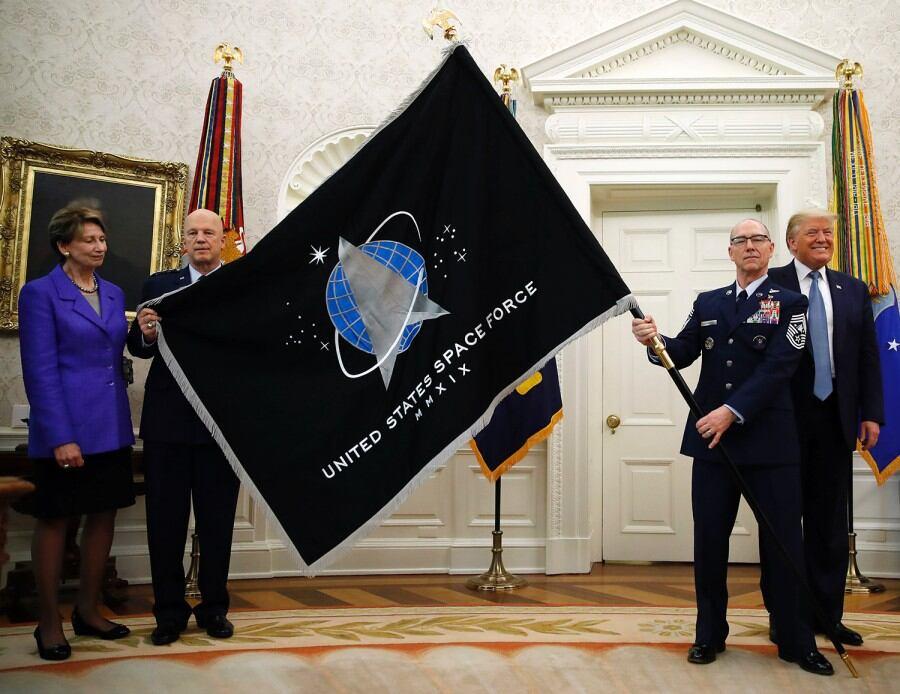
On December 20, 2019, the National Defense Authorization Act established the U.S. Space Force — the first new branch since the Air Force in 1947. China and Russia had developed anti-satellite weapons, directed energy, and electronic warfare targeting U.S. space assets.
Why it mattersThe establishment of the Space Force formalized what warfighters had known for years: that GPS, missile warning, and satellite communications were no longer background infrastructure — they were contested warfighting assets.
YEAR2022
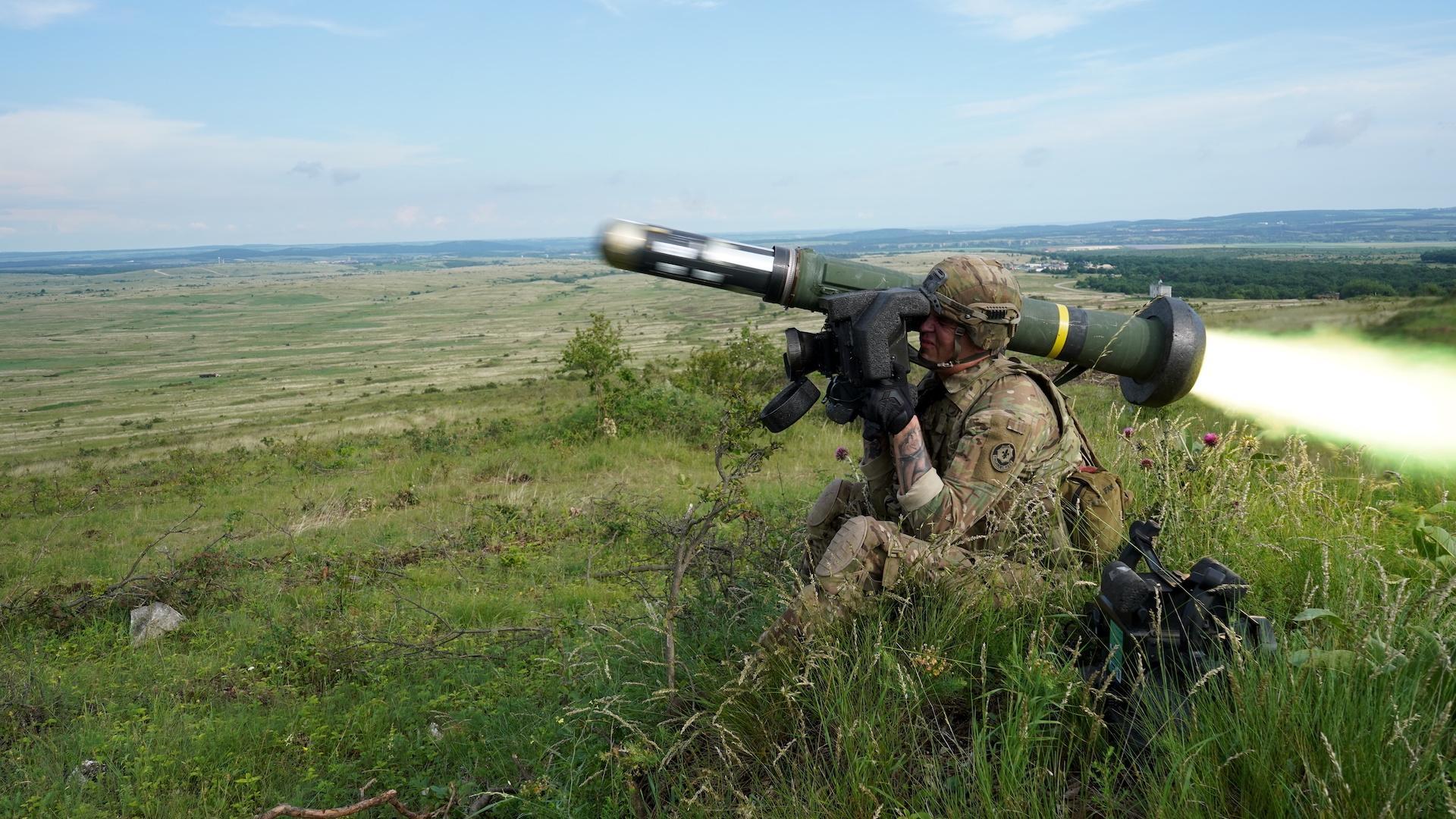
Russia's full-scale invasion of Ukraine on February 24, 2022 produced armored formations, combined arms, contested airspace, and industrial-scale artillery — alongside loitering munitions, drone swarms, commercial satellite imagery, and real-time social media battlespace.
Why it mattersUkraine is the live stress test of every defense investment made since the Cold War — and the results are simultaneously rewriting procurement, doctrine, and industrial policy.
YEAR2025
Building on Project Maven (2017) and accelerated by Ukraine and Gaza, AI-assisted targeting, autonomous ISR platforms, and machine-speed cyber operations moved from labs to operational deployment by 2023–2024. DoD's Replicator initiative sought to field thousands of small autonomous systems at speed.
Why it mattersThe AI warfighting era has opened. How it is governed — technically, legally, and ethically — is the defining challenge Defense News will cover in its fifth decade.
Classification
Region
North America, Europe, West Asia
Analytical Domain
Strategic
Primary Category / Secondary Categories
Strategic Assessment / Military Operations, Political-Military
SALUTE Report
Size
N/A
Activity
Coverage of significant military events and changes in defense policy over 40 years
Location
United States · Europe · Ukraine · Iran · Iraq
Unit
U.S. Armed Forces, NATO, various military organizations
Time
1986-2025
Equipment
GPS-guided munitionsstealth aircraftdronescyber weaponsMRAPs
Summary
Defense News has documented significant military events and policy changes from 1986 to 2025, including the restructuring of U.S. military command, the end of the Cold War, and the rise of counterterrorism operations post-9/11. Key developments include the establishment of the U.S. Space Force and the implications of the 2022 Ukraine invasion on modern warfare. This historical overview highlights the evolution of military strategy and the ongoing challenges faced by defense policymakers.
Key Facts
- The Goldwater-Nichols Act restructured U.S. military command in 1986.
- The end of the Cold War in 1989 led to a reevaluation of U.S. defense strategy.
- The 2001 September 11 attacks initiated two decades of counterterrorism operations.
- The establishment of the U.S. Space Force in 2019 formalized space as a military domain.
- The 2022 invasion of Ukraine reset modern warfare assumptions.
Related Entities
Person
PreviousThe USS Gerald R. Ford is the most expensive warship ever built, a $13 billion supercarrier and the most advanced on earth — and after being kept at war for eleven months until a fire and 600 failed toilets drove sailors from their bunks, she may now sit broken for up to two years
NextIsraeli Army Attacks Multiple Areas in Southern Lebanon, Resulting in 10 Deaths and 131 Injuries