

China, despite aggressively exporting a wide variety of military hardware, is unlikely to ever export the J-20 Mighty Dragon stealth fighter. While international interest in fifth-generation fighters grows, Beijing has never offered the J-20 for sale—and shows no indication it ever will. The reason is simple: China does not view the J-20 as a commercial product but as a strategic asset, central to military competition with the US.
The F-22 Model
China is following a model Washington already established when it prohibited the export of the F-22 Raptor. Despite being the world’s first operational fifth-generation fighter, and despite interest from close allies like Japan and Australia, the US denied F-22 access to all foreign states.
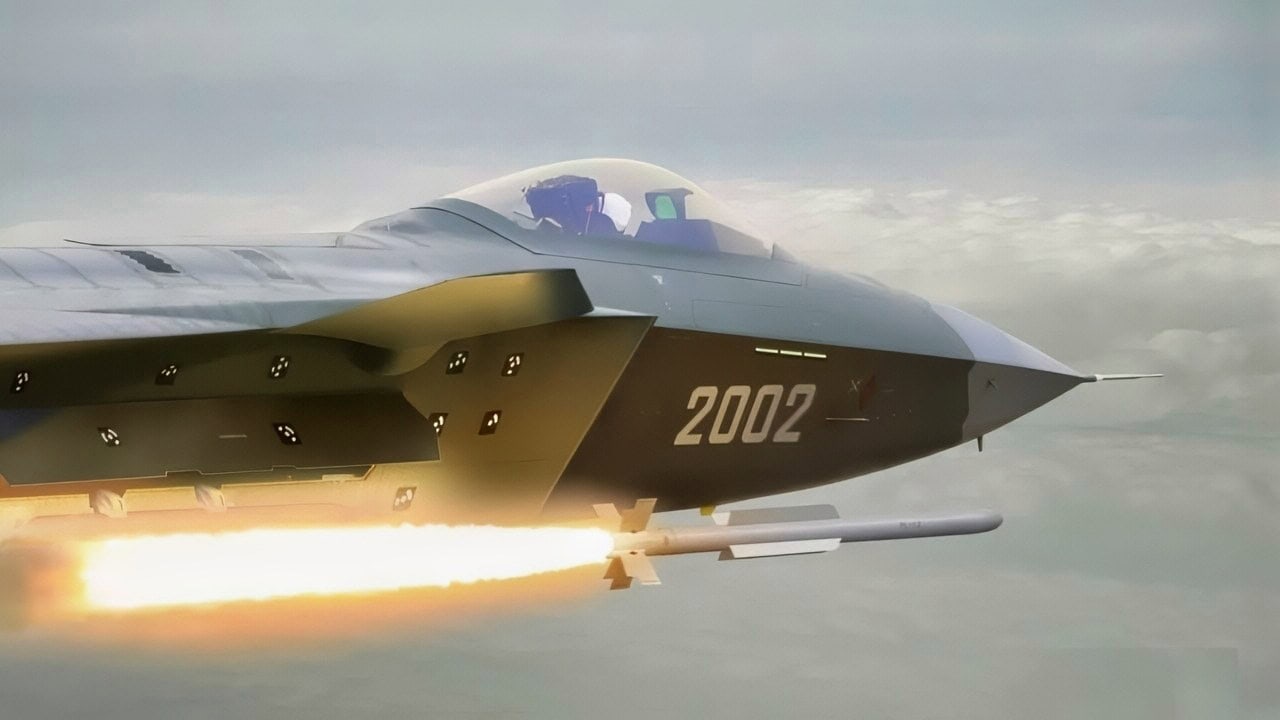
J-20 Mighty Dragon Stealth Fighter
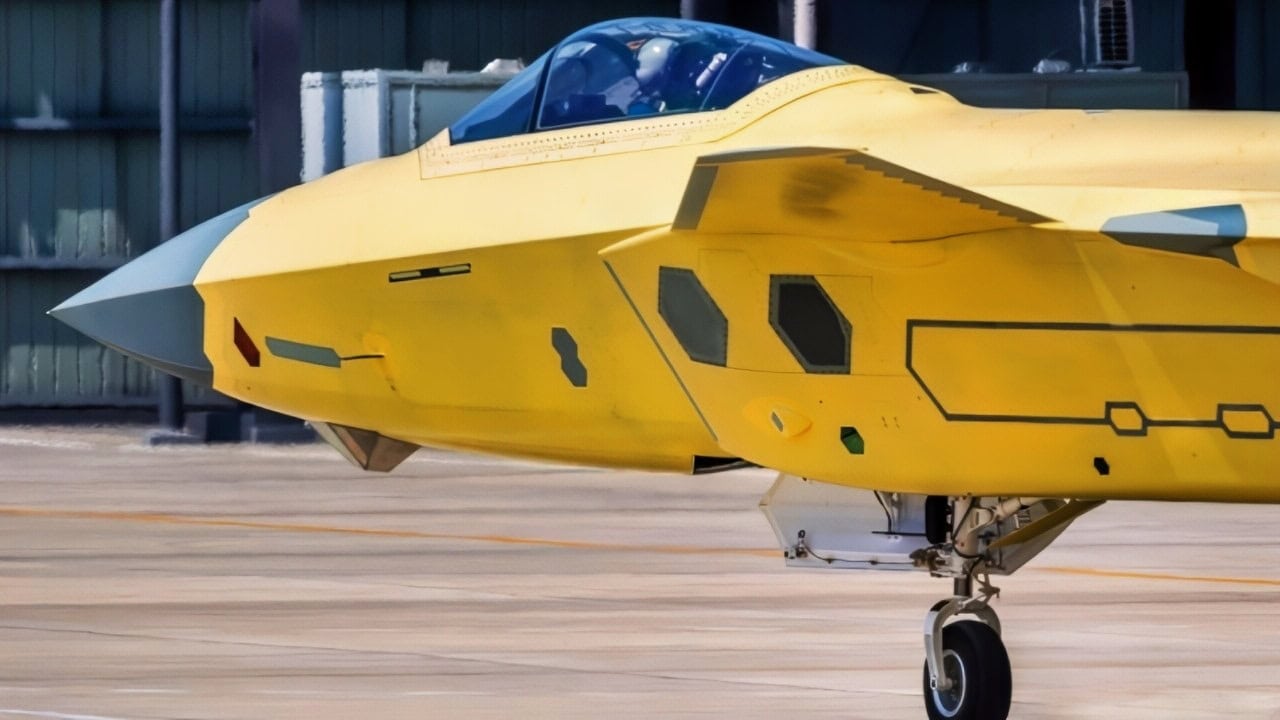
J-20 Fighter in Yellow Paint. Weibo Screenshot.
The logic was clear; the US wanted to protect the F-22’s stealth, sensors, and EW capabilities, to prevent reverse engineering.
Beijing appears to have adopted the same approach for the J-20, a crown-jewel program. Not just another fighter, the J-20 represents China’s premier air-superiority and long-range stealth platform.
The jet sits at the top of the PLAAF force structure. Chinese officials view it as a sovereign capability designed primarily for high-end conflict in the Western Pacific.
Export Risks
Export creates risk. Once an aircraft leaves national control, foreign maintenance personnel gain access, at which point the software and hardware can be examined.
Intelligence services gain opportunities. Even friendly, well-intentioned buyers create vulnerabilities.
China knows this, and given the importance of the J-20, the export dollars are not worth the risk trade-off.
China is especially concerned with protecting its sensor fusion software. Modern fighters are software-defined weapons systems.
The J-20’s effectiveness depends heavily on how information is processed and presented to the pilot.
Key components of the J-20 reportedly include the Type 1475 AESA radar, electro-optical sensors, electronic warfare systems, and distributed warning systems.
Algorithms that fuse multiple sensor streams into a coherent picture may be more valuable than the aircraft itself.
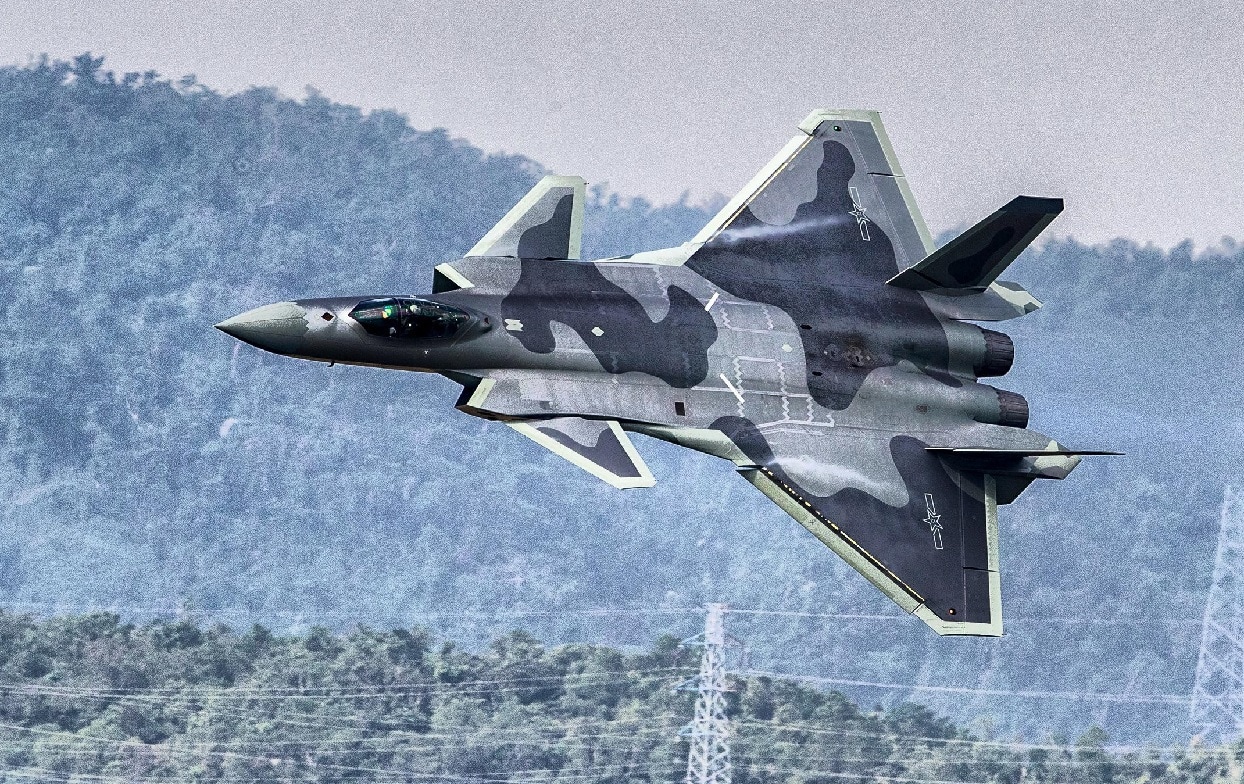
J-20 Image: Creative Commons.
And if competitors understand how these systems work, they can develop counters.
China is also keen to protect its stealth materials.
Stealth, of course, is not merely about shape—it also depends on radar-absorbent materials and coatings.
Beijing is concerned that exporting the J-20 creates opportunities to examine the jet’s radar-absorbent coatings, composite structures, manufacturing techniques, and maintenance requirements. Small discoveries can produce major intelligence gains.
China also wants to shield its new indigenous engine, the WS-15. Allowing the Chinese to wean off dependence on Russian-made engines, the WS-15 offers higher thrust, better performance, and potentially supercruise capability.
China wants to protect the engine’s thermal signature, acoustic characteristics, and propulsion performance data. These factors help determine how detectable an aircraft may be in combat.
Already Exporting
And besides, China already has an export fighter: the J-35. China has an emerging two-tier model, featuring the J-20 for domestic use only—a premium platform and strategic asset—paired with the J-35, an export-oriented platform that is more affordable and holds broader international appeal.
This model is similar to the US model, featuring the restricted F-22 and the heavily exported F-35. China appears to be creating the same distinction between its new fighter programs.
And because China does not need export revenue to sustain production, they are not beholden to economics when deciding how to field its fighters.
Chinese production lines are supported by domestic military demand, and the current expansion of J-20 production appears focused on meeting PLAAF requirements rather than foreign sales.
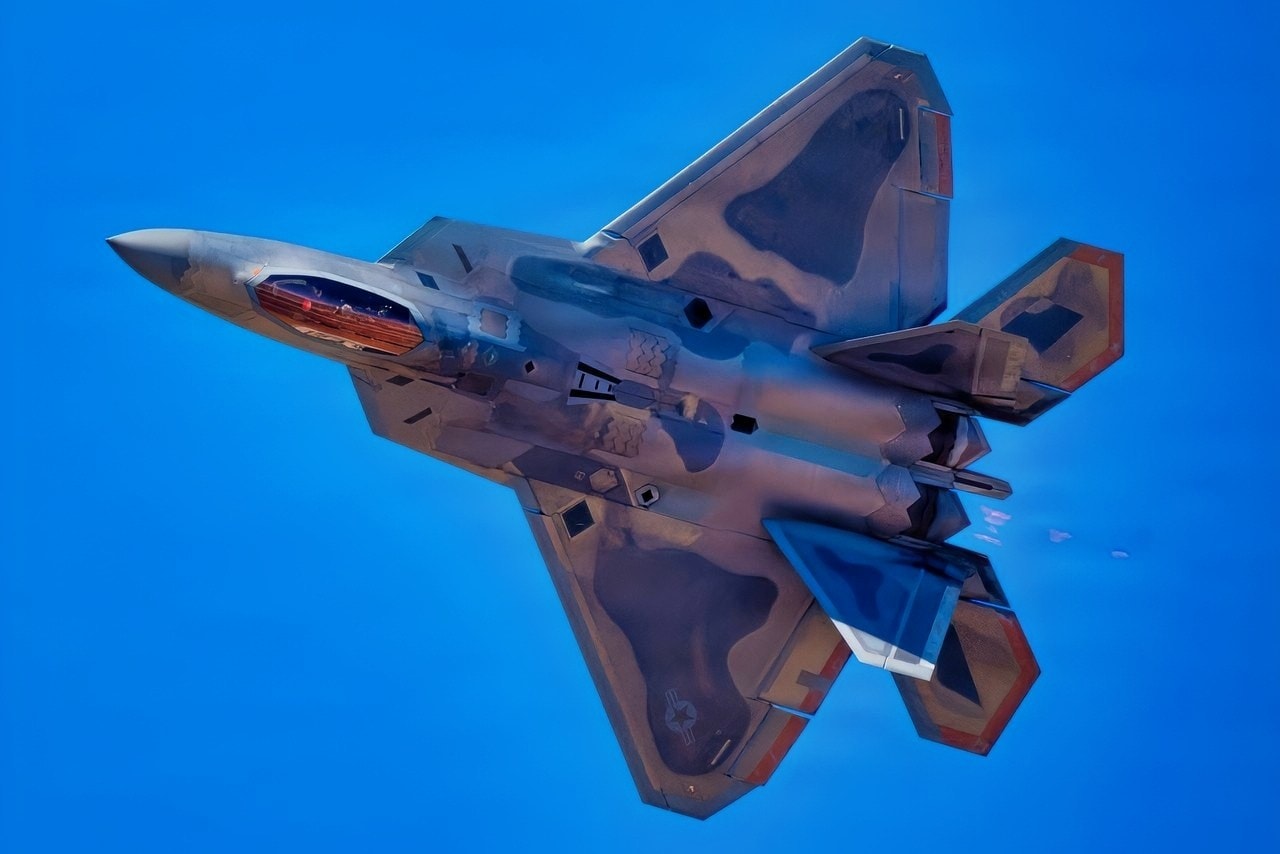
U.S. Air Force Capt. Samuel “RaZZ” Larson, F-22 Raptor Aerial Demonstration Team pilot and commander, performs during FIDAE 2024, Santiago, Chile, April 4th, 2024. The F-22 Raptor Aerial Demonstration showcases the unmatched maneuverability of the airframe by executing a series of combat maneuvers to inspire Americans and their allies, and deter foreign adversaries. (U.S. Air Force video by Staff Sgt. Michael Bowman)
In Beijing’s view, the strategic value of protecting technology exceeds any financial benefit from exports.
One Day?
Will China ever export the J-20? Probably not. Potential exceptions would require a major geopolitical change, possibly technological obsolescence decades from now, or replacement by an even more advanced successor.
But if we use the US model as a guiding precedent, then it seems unlikely the J-20 will ever be exported, as the F-22 was never exported.
China appears committed to treating the J-20 similarly.
The J-20 is not being withheld because China lacks buyers.
The J-20 is an attractive export product. Rather, the jet is being withheld because Beijing believes the aircraft contains some of its most sensitive military tech.
And the jet was simply not built for the export market but for great-power competition with the US.
About the Author: Harrison Kass
Harrison Kass is a writer and attorney focused on national security, technology, and political culture. His work has appeared in Tablet, City Journal, The Hill, The Spectator, and The Cipher Brief. He holds a JD from the University of Oregon and a master’s in Global & Joint Program Studies from NYU. More at harrisonkass.com.