
China's Ministry of Defense Warns of "New Militarism," Discourse Battle Between Japan and China Over 8.9 Trillion Yen Budget Request
 Tanaka Takashi
China's Ministry of Defense Warns of "New Militarism," Discourse Battle Over 8.9 Trillion Yen Budget Request Between Japan and China
On the afternoon of August 14, during a regular press conference at the Chinese Ministry of Defense, spokesperson Colonel Chen Xi referred to the fact that the following day, August 15, marks the 81st anniversary of Japan's defeat. When asked for his views on reports that the Ministry of Defense plans to request a record budget of approximately 8.9 trillion yen for the fiscal year 2027, he stated, "Japan's 'new militarism' is a desperate act, and its calamity must be prevented." He listed incidents such as the Nanjing Massacre, the Bataan Death March, and the Thai-Burma Railway as war crimes, and his tone, urging to "stop the dangerous act of re-militarization," was unusually strong compared to recent statements from the Ministry of Defense.
Yasukuni Issue Overlapping with 8.9 Trillion Yen Budget Request

The immediate trigger for the statement was the budget request for the fiscal year 2027, which is to be submitted to the Ministry of Finance by the end of August. The estimated request is approximately 8.9 trillion yen (about 56 billion dollars), reportedly including responses to a "new form of warfare" centered on drones and AI, long-range missiles, and cloud infrastructure for handling classified information, with some views suggesting it could reach 10 trillion yen after year-end adjustments. The Chinese side has characterized this as "the preparation of offensive capabilities under the pretext of external threats."
Furthermore, on the same day, August 15, movements surrounding the Yasukuni Shrine coincided. Prime Minister Takaichi offered offerings, and Defense Minister Koizumi visited the shrine. China immediately lodged a formal protest. The simultaneous issuance of the Ministry of Defense's warning and the Ministry of Foreign Affairs' protest on the anniversary of Japan's defeat was not a coincidence.
Capabilities and Intentions — The Reality Behind the Rhetoric
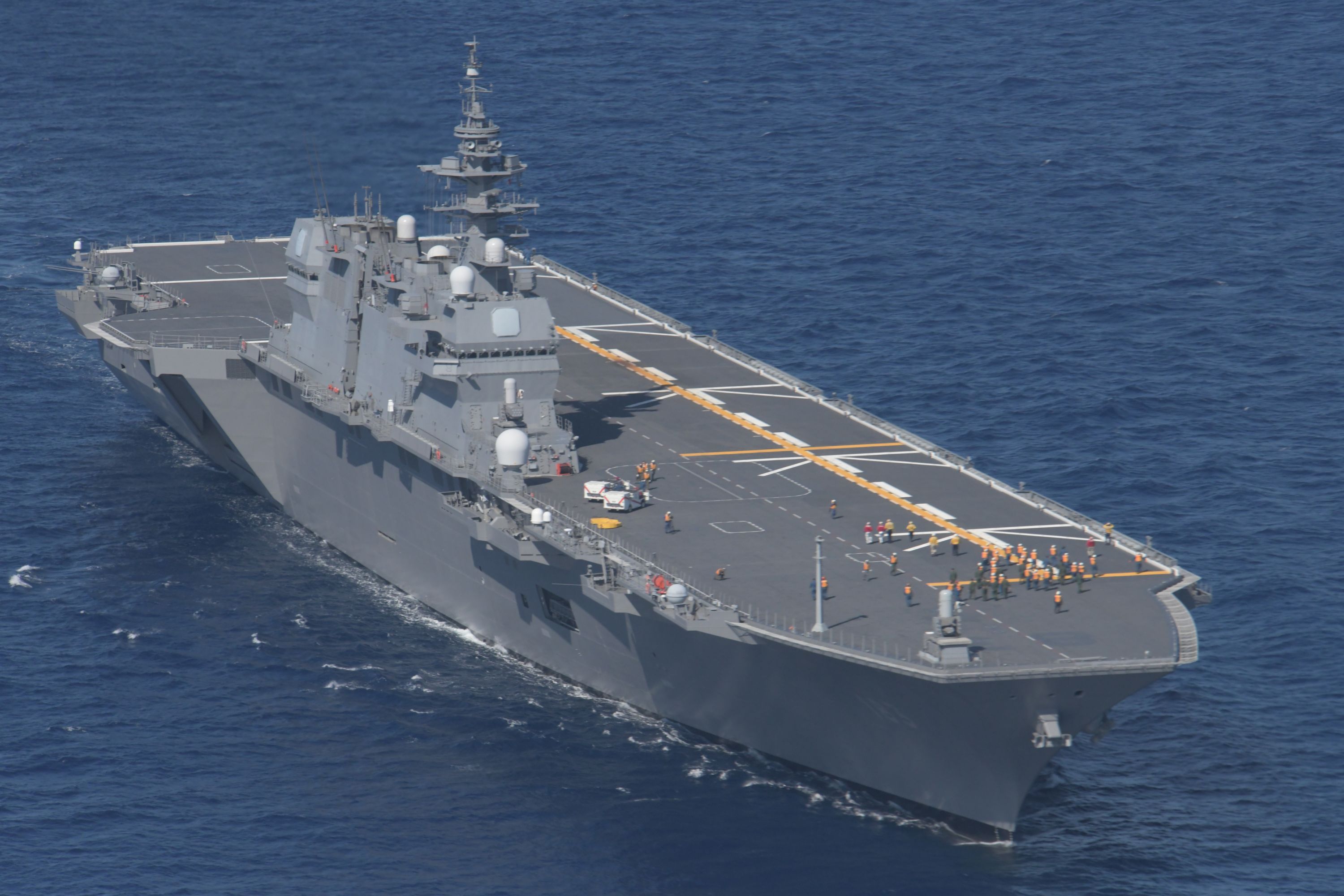
In the author's view, this "new militarism" argument is not an assessment of Japan's capabilities but a political weapon. China's defense budget has reached about four times that of Japan, and it is China that possesses nuclear weapons and strategic bombers. This point was also countered by Defense Minister Koizumi during the Shangri-La Dialogue in June, stating, "It is strange for a country with nuclear weapons and strategic bombers to call Japan, which does not possess them, 'new militarism.'
However, the validity of the rhetoric and its political effects are separate issues. In this significant year of 81, the "materials" of the Yasukuni visit and the budget request have come together. Beijing's aim is to stitch Japan's defense buildup into the historical context and to evoke caution among regional countries. This mirrors the structure during the Cold War when the Soviet Union condemned Japan's rearmament as a "resurgence of militarism."
The Dynamics of Mutual Amplification
What should be watched is that this discourse battle progresses alongside military pressure. Last week, a Y-9 reconnaissance aircraft flew west of Okinawa, and incursions by Chinese government vessels into Japanese territorial waters around the Senkaku Islands were repeated. Ahead of the UFS26 that began on August 17, both China's rhetoric and presence are simultaneously increasing.
Ironically, the biggest beneficiaries of the accusation of "new militarism" may be the proponents of defense buildup in Tokyo. As Beijing's warnings intensify, the request for 8.9 trillion yen becomes easier to pass, and discussions on constitutional amendments by the Takaichi administration gain momentum. A self-fulfilling dynamic is at work that benefits hardliners on both sides. The real question is where this amplification will stop. Can we maintain pathways for conflict avoidance, including the operation of a defense hotline between Japan and China? The exchange of rhetoric is cheap, but its consequences are anything but.
On August 14, 2023, China's Ministry of National Defense warned against Japan's 'new militarism' in response to its defense budget request of approximately 8.9 trillion yen. The warning coincided with Japan's leaders visiting Yasukuni Shrine, which China condemned. The Chinese defense budget is significantly higher than Japan's, and the rhetoric aims to frame Japan's military actions within a historical context, raising regional tensions.
- China's defense budget request for 2027 is approximately 8.9 trillion yen.
- China warns Japan against 'new militarism' in response to its defense budget.
- Japan's Prime Minister and Defense Minister visited Yasukuni Shrine, prompting a formal protest from China.
- China's defense spending is about four times that of Japan.
- The rhetoric from China aims to frame Japan's military actions within a historical context.