
Chinese Y-9 reconnaissance aircraft flies west of Okinawa, emergency scrambles have become a daily occurrence twice a day.
 Tanaka Takashi
Chinese Y-9 Intelligence Gathering Aircraft Flies West of Okinawa, Emergency Scrambles Become Routine Twice a Day
From the Southern Senkaku Islands to Northwest Okinawa
On the afternoon of August 12, a Chinese Air Force Y-9 intelligence gathering aircraft took off from the mainland and crossed the East China Sea. According to the flight path released by the Ministry of Defense's Joint Staff Office, the aircraft passed south of the Senkaku Islands in Nagasaki Prefecture, reached the northwest of Okinawa Island, then turned back and returned. The flight was conducted entirely within international airspace and did not violate territorial airspace, but fighter jets from the Western Air Defense Force responded with emergency scrambles.
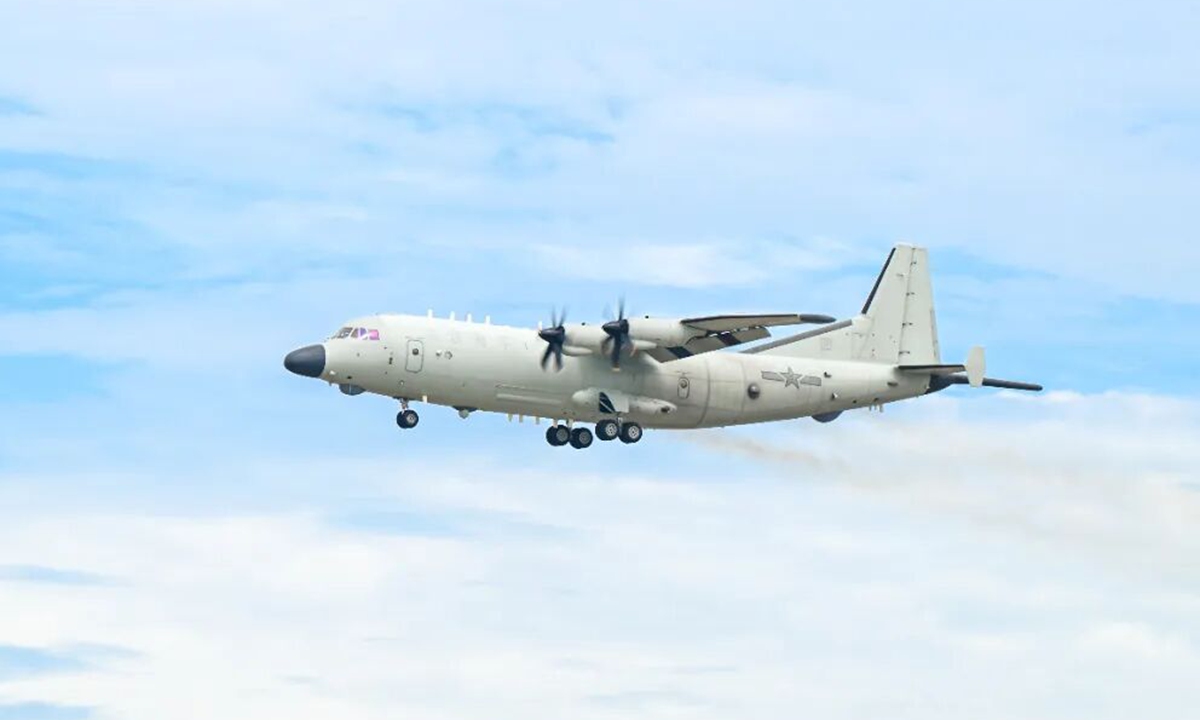
The Y-9 is a reconnaissance and electronic intelligence gathering aircraft based on a transport aircraft, frequently appearing in reports of emergency scrambles over the East China Sea. The route taken this time is a typical SIGINT (signals intelligence) route for gathering information on the operations of the Naha and Kadena bases, suggesting that it is not an accidental deviation.
Simultaneous Pressure from Air and Sea
In conjunction with this flight, there were also movements at sea. On August 14, four Chinese government vessels entered Japan's territorial waters off the coast of Kume Island in the Senkaku Islands. All were equipped with machine guns, marking the first confirmation of territorial water intrusion since July 23. With intelligence gathering aircraft in the air and government vessels at sea, pressure is being applied to the Nansei Islands simultaneously.
181 Emergency Scrambles in One Quarter
According to the Joint Staff Office, there were 181 emergency scrambles in the first quarter of fiscal year 2026 (April to June), of which 139 were in response to Chinese aircraft and drones, and 42 to Russian aircraft. This averages out to about two scrambles per day. This level remains high compared to 669 scrambles in fiscal year 2023 (72% involving Chinese aircraft) and 448 scrambles from April to December 2025 (68% involving Chinese aircraft). A spokesperson for the Joint Staff Office stated, "Their activities are certainly expanding and intensifying."
"Their activities are certainly expanding and intensifying" — Spokesperson for the Joint Staff Office
The Invisible Risks of Normalization
In December 2025, there was an incident where a J-15 fighter jet launched from the aircraft carrier Liaoning intermittently illuminated an F-15 with radar during an emergency scramble. Joint flights of Chinese and Russian bombers have been conducted annually since 2019, and during patrols in December 2025 and June 2026, they headed towards the Tokyo area for the first time.
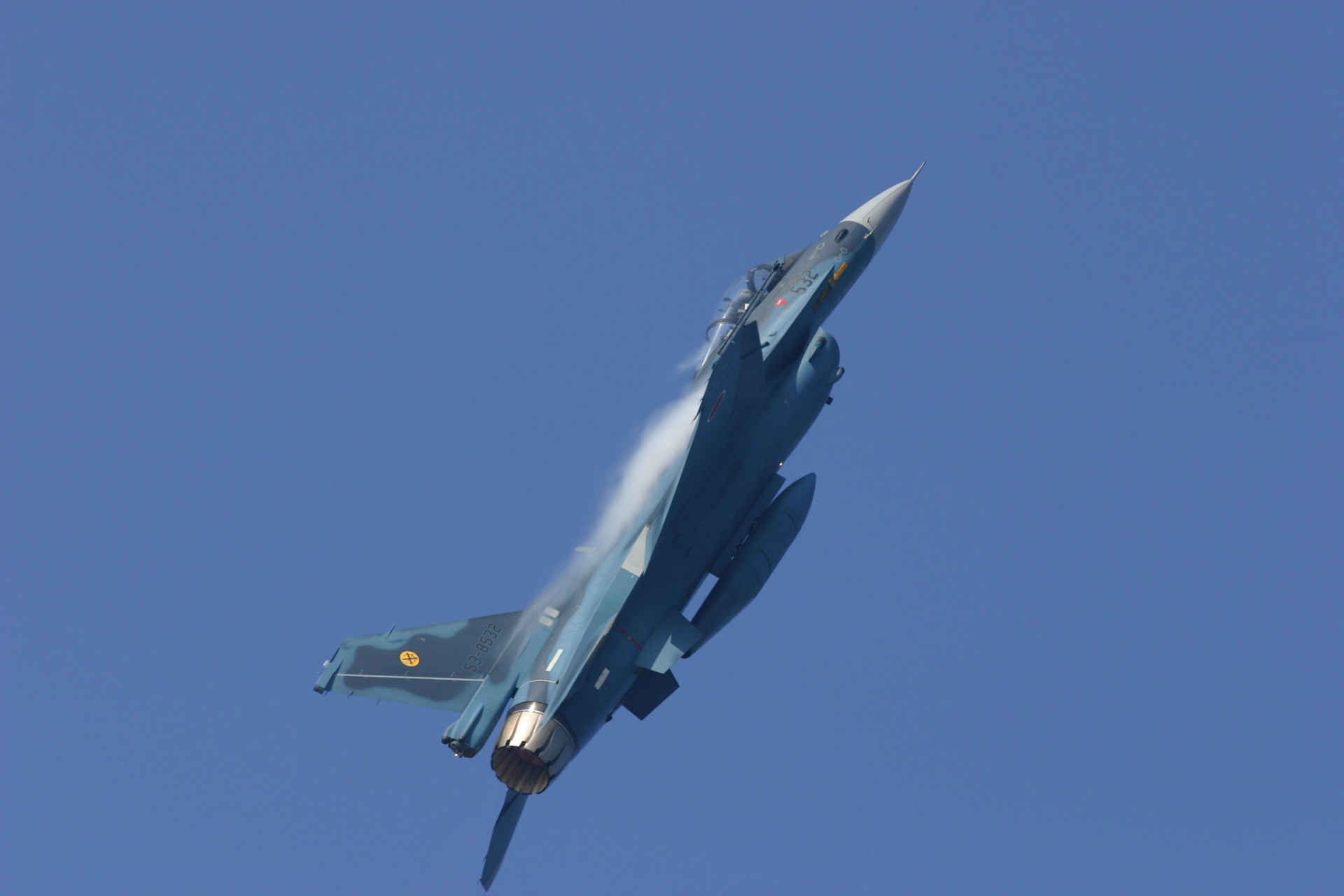
In the author's view, the essence of this pressure is not a display of capability but a continuous expression of intent. The mission of the Y-9 is intelligence gathering and does not immediately involve the use of force. However, the issue lies in the normalization of the response itself. Emergency scrambles accumulate fatigue for the intercept controllers and pilots. The number of remaining F-15Js is limited, and while the delivery of F-35As is progressing, the burden on the Western Air Defense Force is structurally increasing.
The moment that two emergency scrambles per day are recognized as "normal," the threshold for judgment quietly lowers. What should truly be concerning is not the number of interceptions, but the possibility of overlooking one of them. There have been reports of a 14% decrease in emergency scrambles over the past nine months, but this does not imply a reduction in pressure from the Chinese side. It may simply indicate a change in the targets being monitored.
A Chinese Y-9 reconnaissance aircraft flew over the East China Sea on August 12, 2023, prompting emergency scrambles from the Japan Air Self-Defense Force. Concurrently, four Chinese vessels entered Japanese territorial waters near the Senkaku Islands, equipped with machine guns. The frequency of emergency scrambles has increased, averaging two per day, indicating a rise in Chinese military activities in the region.
- Chinese Y-9 reconnaissance aircraft flew over the East China Sea on August 12, 2023.
- Japanese fighters scrambled in response to the Y-9's flight.
- Four Chinese vessels entered Japanese territorial waters near the Senkaku Islands.
- Emergency scrambles from Japanese forces have increased, averaging two per day.
- The activities of Chinese forces are reported to be expanding and intensifying.