
Collins Aerospace completes altitude testing for F-35 cooling system
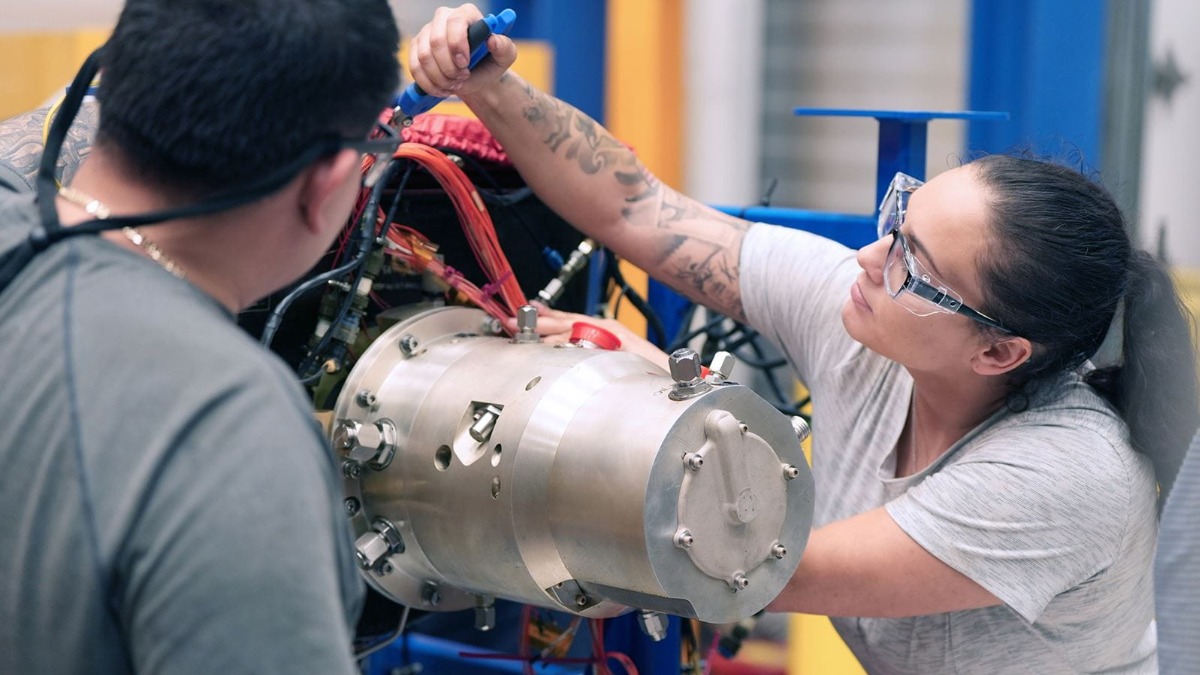
Collins Aerospace has completed altitude testing of its next-generation power and thermal management system for the F-35, the company announced August 24. The Enhanced Power and Cooling System, known as EPACS, is designed to replace the fighter jet’s current cooling system.
The test campaign ran for several days at power levels meant to replicate operational mission requirements. Engineers pushed the system to its operating limits at multiple altitudes to collect performance data, and the tests also demonstrated EPACS’s ability to deliver emergency power during operation, according to Collins Aerospace, an RTX business based in Windsor Locks, Connecticut.
“Successful altitude testing validates system performance in real-world flight conditions,” said Ira Grimmett, vice president of Environmental & Airframe Control Systems for Power & Controls at Collins Aerospace. “Completing this phase of testing advances EPACS maturity and reinforces confidence in the system’s capability and performance.”
EPACS is intended to more than double the F-35’s current cooling capacity. Collins Aerospace has said the added thermal margin is needed to support the aircraft’s newer weapons and mission systems, which generate more heat than the jet’s existing power and thermal management system was designed to handle.
The Government Accountability Office has reported that the F-35’s current cooling system is already being pushed beyond its intended capacity, forcing the engine to operate outside its designed limits and accelerating wear. Collins has cited that strain as the rationale for developing a replacement system.
Collins Aerospace first demonstrated 80 kilowatts of cooling capacity from an EPACS prototype in 2024. In February 2025, the company said a fully functional demonstrator had met requirements for aircraft integration, a step toward working with Lockheed Martin, the F-35’s prime contractor, on installing the system on the jet.
The altitude testing announced this week builds on that integration milestone. Collins Aerospace said the technology is also intended for future defense and commercial aircraft with higher power and cooling demands than current platforms.
The F-35 is flown by all branches of the U.S. military and by international partners. Its manufacturer, Lockheed Martin, has continued adding capability to the aircraft under its Block 4 modernization program, which includes upgraded sensors, weapons and mission systems that Collins says will require additional cooling capacity to operate reliably.
RTX, Collins Aerospace’s parent company, reported more than $88 billion in sales for 2025 and employs more than 180,000 people globally, including roughly 80,000 at Collins Aerospace.
Content preview only. Full article available at source. View Full Article
Collins Aerospace completed altitude testing of the Enhanced Power and Cooling System (EPACS) for the F-35 on August 24, 2025, validating its performance under operational conditions. The new system is designed to replace the existing cooling system and significantly increase the aircraft's cooling capacity, addressing the needs of newer weapons and mission systems. This advancement supports the F-35's ongoing modernization efforts and future aircraft with higher power demands.
- Collins Aerospace completed altitude testing for the F-35's EPACS on August 24, 2025.
- EPACS is designed to replace the current cooling system and more than double the F-35's cooling capacity.
- The testing validated system performance under operational mission requirements.
- The F-35 is used by all branches of the U.S. military and international partners.
- Collins Aerospace aims to support future defense and commercial aircraft with higher cooling demands.