
Comprehensive Training of Air Force Radar Personnel: Testing Situational Awareness Handling Capabilities in Real Combat Scenarios
Today (22nd) marks the 76th anniversary of the establishment of the Air Force radar troops. Recently, multiple radar units of the Air Force have successively conducted realistic combat training, focusing on testing the troops' rapid mobility, battlefield survival, and air situation handling capabilities in complex electromagnetic environments.
In a full-element system integration training organized by a certain brigade of the Northern Theater Command Air Force radar, reconnaissance and counter-reconnaissance, interference penetration, and network confrontation exercises were interwoven. The mobile radar detachments quickly completed dispersed marching, equipment setup, and link connectivity. Just as the network was completed, "enemy" electronic warfare aircraft released multiple false target signals, creating a complex air situation and implementing strong electromagnetic interference against radar operations.
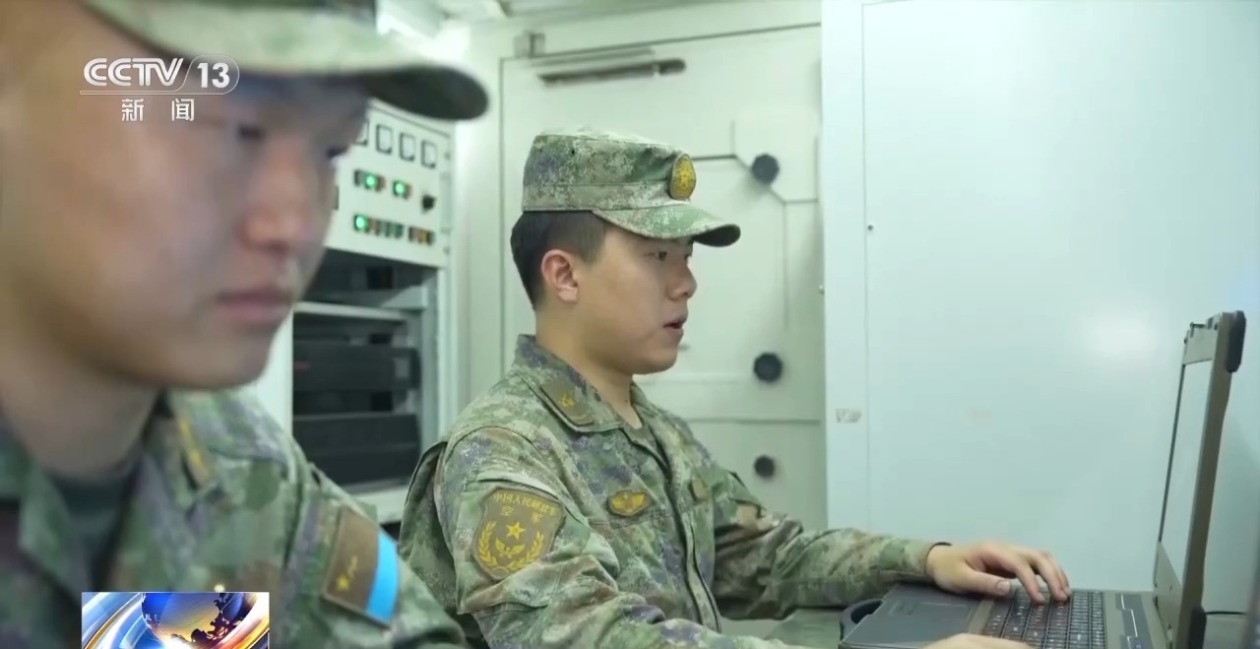
As the interference just disappeared, other special situations followed. A batch of missiles attacked the networked position, and the officers and soldiers quickly organized equipment withdrawal and dispersed relocation.
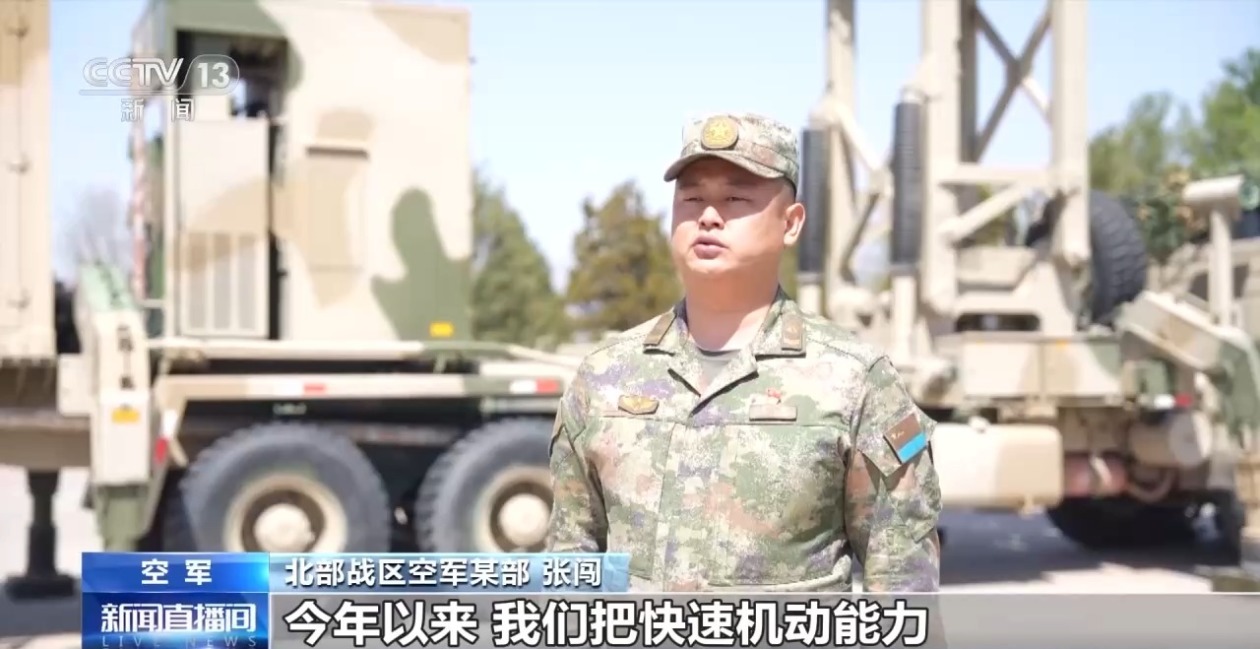
Zhang Chuang, a member of a certain unit of the Northern Theater Command Air Force: Only rapid mobility and relocation is the first rule for the survival of radar troops. We regard rapid mobility capability as the primary standard for generating combat effectiveness in mobile battalions, ensuring that we can be deployed and win at any time when situations arise.
This brigade has also explored a model that combines real combat confrontation with joint debriefing, regularly organizing "back-to-back" confrontation training, and conducting "face-to-face" debriefings after training, steadily enhancing air-ground electronic countermeasure capabilities through real combat readiness.
In a certain area of North China, an air situation handling drill under a real combat background is being conducted intensively by a radar brigade of the Central Theater Command Air Force. After the alarm sounded, the "first class" logistics personnel quickly rushed to their positions.
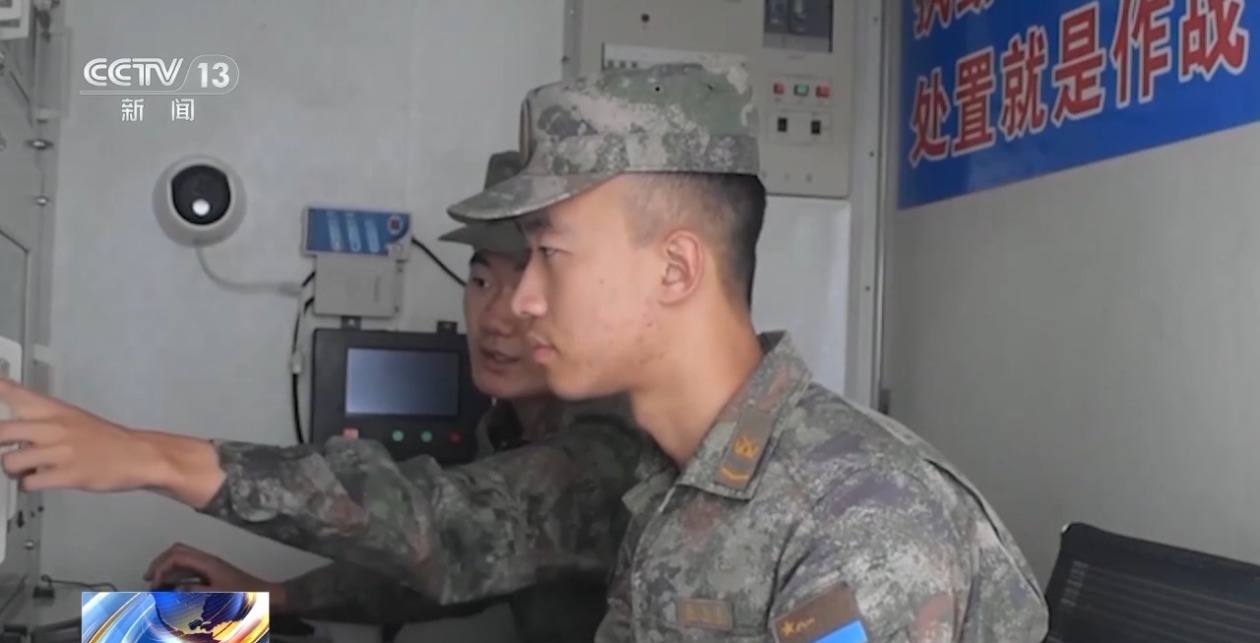
Within the designated task area, various air situations continuously emerged. The commander closely monitored the radar display screen to assess the situation in real-time; the operators relied on an intelligent acquisition system to quickly lock onto air situation echoes "drowned" by clutter in a complex electromagnetic environment, completing target identification and threat prioritization, and reporting immediately.
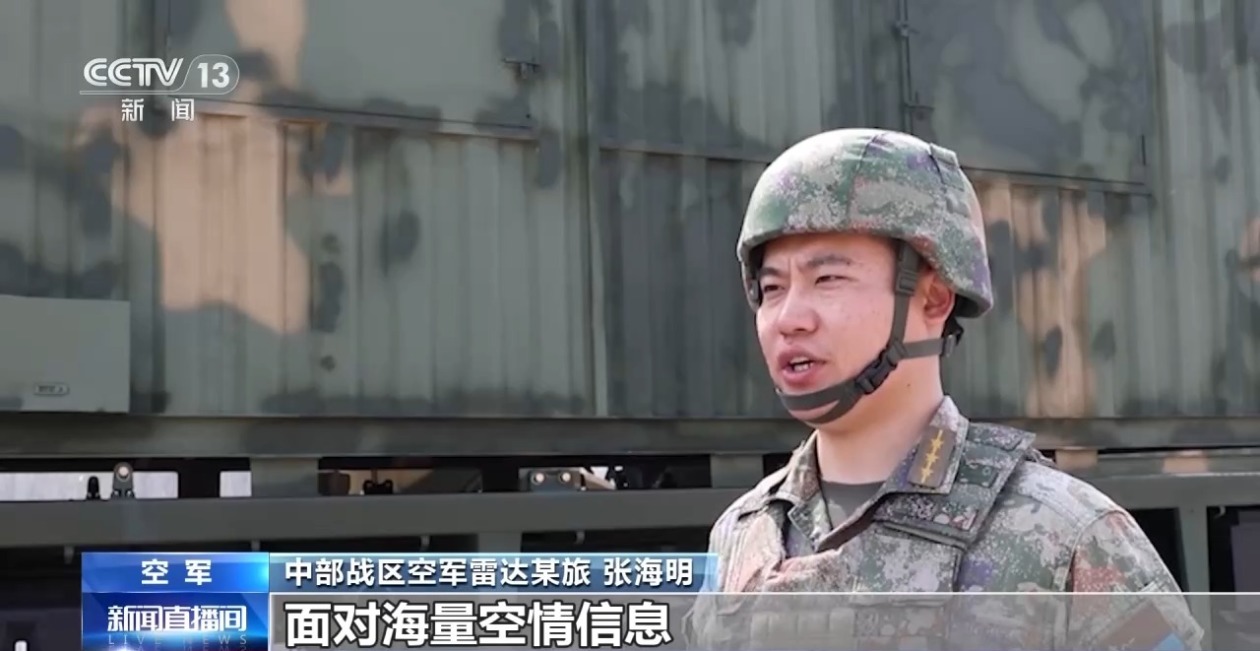
Zhang Haiming, a member of a radar brigade of the Central Theater Command Air Force: Faced with a massive amount of air situation information, we must not only utilize historical experience but also rely on innovative means to accurately determine target characteristics and provide decision support for operational command.
Weaving an Invisible Sky Net, Air Force Radar Troops Guard the Nation's Airspace
In the minds of many, radar troops are those who "watch the sky" on screens. In fact, they bear the first line of defense for air and space security and cannot afford to relax for a moment. Over the past 76 years since the establishment of the Air Force radar troops, they have developed from early rudimentary equipment to an intelligent early warning system, with generations of officers and soldiers silently weaving an invisible sky net to protect the nation's airspace.
Above us, there is an invisible, unturnoffable, and never-resting "sky net"—this is the air and space early warning system that the Air Force radar troops guard day and night. Radar acts like the Air Force's "eyes that see a thousand miles." Regardless of wind, rain, fog, or snow, whether day or night, in severe cold or scorching heat, the radar system must operate normally, truly achieving uninterrupted monitoring in all weather, all time, and all airspace. The modern air and space environment is complex and ever-changing, with electromagnetic interference, low-altitude penetration, and stealth targets emerging endlessly. Radar troops must not only "see" but also "distinguish clearly, judge accurately, and report quickly."
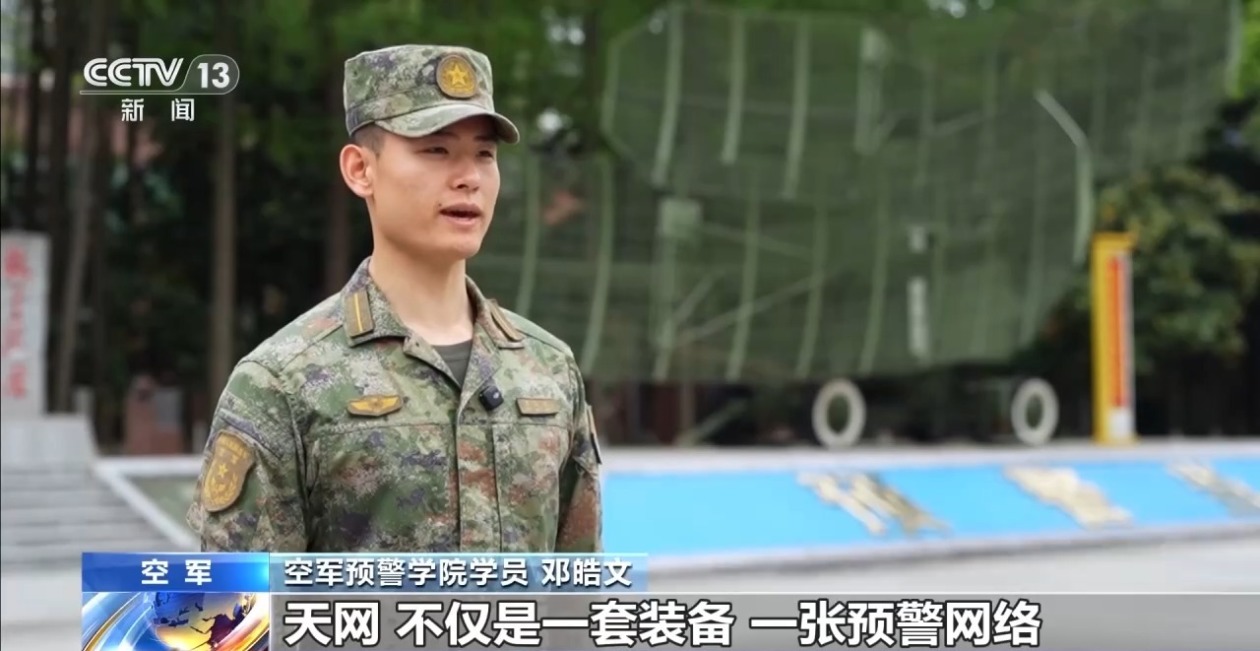
Deng Haowen, a student at the Air Force Early Warning Academy: The sky net is not only a set of equipment and an early warning network but also a spiritual force that has been passed down through generations and rooted in our hearts as radar troops. Our commitment to guarding around the clock is to ensure that danger cannot approach and that peace is always present.
Looking back 76 years ago, at the beginning of the establishment of the Air Force radar troops, the number of equipment was small, and performance was weak, relying solely on a few old radars for air vigilance. Officers and soldiers relied on manual plotting, hand calculations, and verbal intelligence, under very harsh conditions. Now, looking at today, radar equipment has achieved leapfrog development.
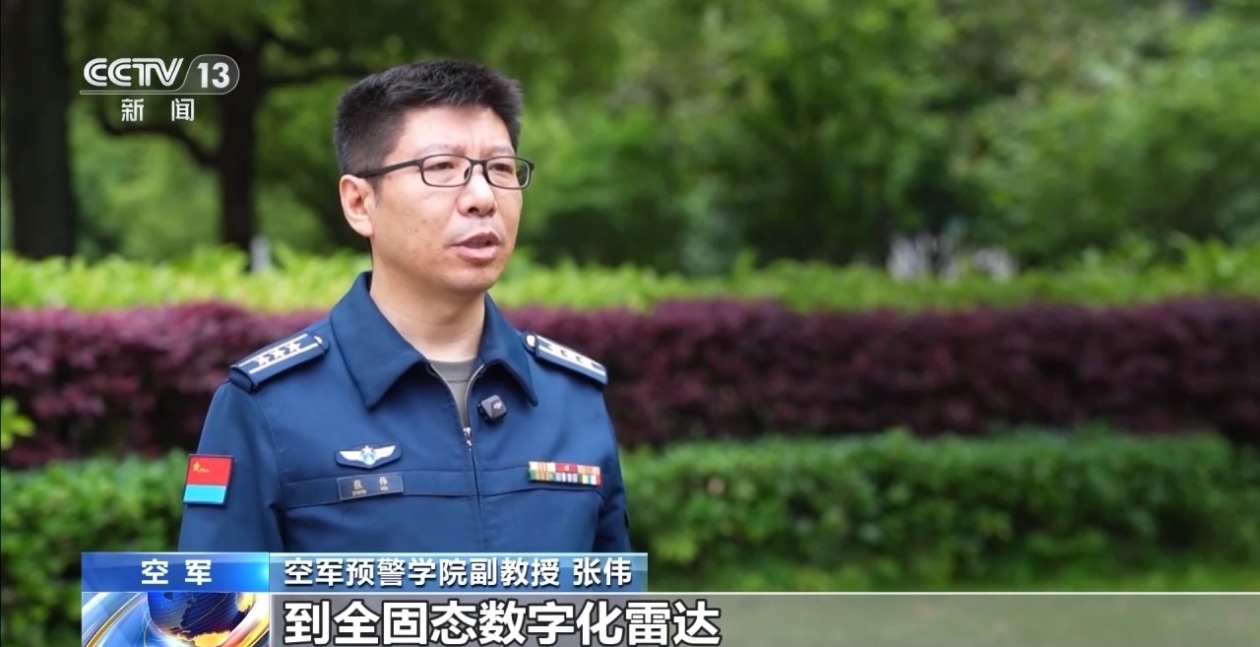
Zhang Wei, an associate professor at the Air Force Early Warning Academy: From early mechanical scanning radars to fully solid-state digital radars, and now to the comprehensive deployment of the new generation of intelligent phased array radars, the equipment's detection range is further, target capture is faster, and anti-jamming capability is stronger, capable of accurately identifying various targets, effectively responding to complex air situations, achieving networked interaction, intelligent judgment, and integrated transmission, significantly enhancing the national air and space early warning capability.
Air Force radar units conducted realistic combat training in North and Central China to enhance their rapid maneuvering and air situation handling capabilities. The exercises involved electronic warfare tactics and the deployment of radar systems to respond to simulated threats. This training marks the 76th anniversary of the Air Force radar units, emphasizing their role in national air defense.
- Air Force radar units conducted realistic combat training on their 76th anniversary.
- Training included rapid maneuvering and handling of complex air situations.
- Electronic warfare tactics were tested against simulated enemy threats.