
Eight CSTO Exercises in 2026 — A Ritual of Unity Amid the Ukrainian War
 Dmitri Volkov
Eight CSTO Exercises in 2026 — A Ritual of Unity Amid the Ukrainian War
In a year when the Russian army is waging a war of attrition, and Western headquarters are tallying its losses, the Collective Security Treaty Organization has planned eight joint exercises in 2026 across four countries — according to Caspian News, the most intensive program in recent years. Key events are scheduled for September–October: "Interaction-2026" at the Chebarkul training ground, followed by "Indestructible Brotherhood-2026" and "Barrier-2026" in Belarus. This raises a question that Moscow would prefer not to hear: what exactly is the alliance rehearsing if its main participant is at war, and the sixth member — Armenia — is not participating in these rehearsals?
Autumn Program — Chebarkul and Losvido
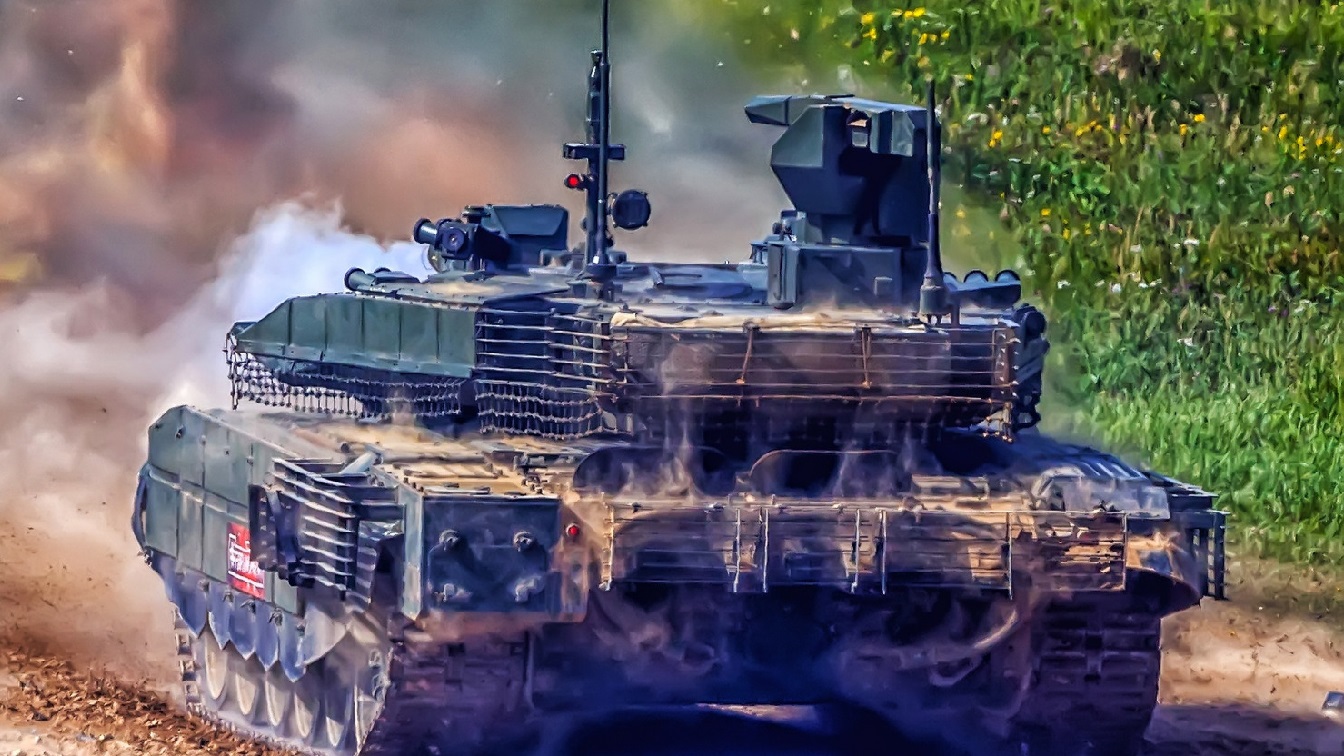
From July 7 to 9, the second staff negotiations took place in Russia to prepare for three exercises: a command-staff exercise with the Collective Operational Response Forces "Interaction-2026," a special exercise for reconnaissance forces and assets "Search-2026," and a logistics exercise "Echelon-2026" (according to TASS). Reconnaissance was conducted at the Chebarkul training ground, where the main events are scheduled for September–October. Representatives from the defense ministries of Russia, Belarus, Kazakhstan, Tajikistan, and Kyrgyzstan participated in the negotiations.
The Belarusian segment of the program is no less intensive. From June 2 to 4, details of the command-staff exercise of the peacekeeping forces "Indestructible Brotherhood-2026" and a special exercise with the Joint Formation of Radiation, Chemical, and Biological Defense and Medical Support "Barrier-2026" were agreed upon in Minsk. According to Valery Revenko, head of the international military cooperation department of the Belarusian Ministry of Defense, the exercises will take place from October 12 to 16 at the Losvido training ground in the Vitebsk region (according to Prensa Latina). The scenario involves the preparation and conduct of a peacekeeping operation, eliminating sources of biological threats.
Link to "Center-2026"
The most telling detail is not the composition of participants, but the linkage. The concepts of the CSTO exercises have been "clarified and aligned with the tasks of the strategic command-staff exercise of the Armed Forces of Russia 'Center-2026'" — this is the wording of the official statement from the CSTO Joint Staff. Formally, the synchronization is understandable: the Collective Operational Response Forces are staffed, among other things, with Russian units on permanent readiness. But in essence, this means that the alliance's exercises have turned into an appendix to the plans of the General Staff of Russia, rather than a standalone mechanism for collective defense.
Here, a historical comparison is appropriate. In Soviet times, the exercises of the Warsaw Pact Organization — "Shield," "West" — were tools for testing the operational compatibility of armies, with real headquarters, real theaters, and a real political price. The current CSTO, with its eight exercises a year, resembles more of a ritual: the format is observed, the flags are raised, and one country determines the strategic content. To me, having grown up with memories of those exercises, this spectacle seems both familiar and bitter.
Armenia — The Absent Participant
Neither in the July nor in the June negotiations was Yerevan mentioned. Armenia formally remains a member of the CSTO, but after 2022 — the organization's refusal to intervene in the conflict with Azerbaijan — it has effectively frozen its participation. It is telling that representatives from five of the six states participated in the staff negotiations. The alliance is rehearsing collective defense without one of its members, and this silence is more eloquent than any declarations of "cohesion."
Official data likely exaggerates the practical value of the maneuvers. The Collective Operational Response Forces are mobile formations and units on permanent readiness, "staffed with modern weapons," according to the press service's wording. However, over four years of war, the main stocks of Russian combat equipment have gone to the Ukrainian theater, and the question of what exactly the contingents at Chebarkul will be equipped with remains open. What Moscow calls "modern equipment" often turns out to be arsenals that were decommissioned back in 2022.
What the Numbers Show
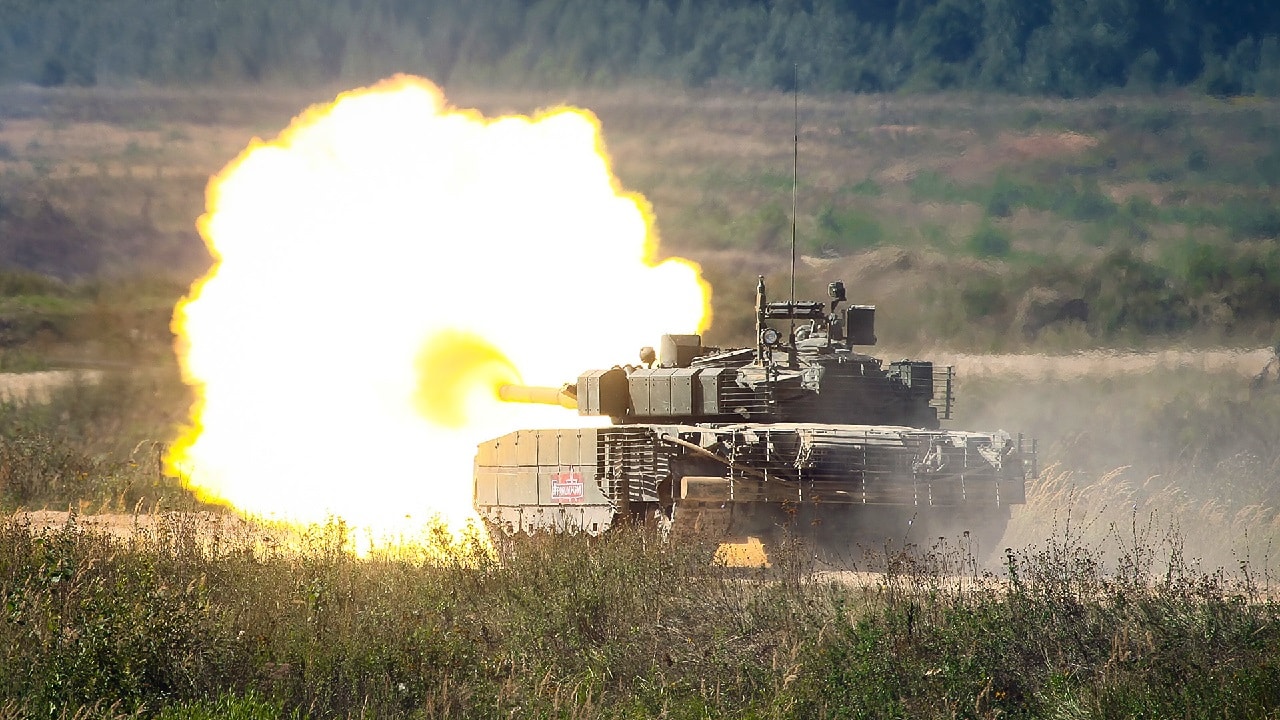
Eight exercises a year amid an ongoing war is less a military necessity than a political signal. Russia will assume the presidency of the CSTO in 2026, and a summit of the organization is proposed for November 11 in Moscow (according to Meta-Defense). By that time, it is necessary to demonstrate the "operational capability" of the alliance: the Kazakh operation of 2022 remains the only real case of CSTO forces being deployed, and since then the mechanism has not been tested in combat conditions.
Belarus uses the exercises as an element of its hybrid position: Minsk hosts CSTO maneuvers at NATO's borders but avoids direct involvement in the war. Losvido in the Vitebsk region is a geography that the alliance cannot ignore.
Forecast
The autumn CSTO exercises will take place as scheduled, with the expected reports of "increased cohesion." But if we look at the structure rather than the rhetoric, the picture is different: an alliance without Armenia, with equipment taken from a warring army, and with an agenda defined by the plans of the Russian General Staff. The CSTO will survive as an institution, but its exercises increasingly resemble a theater for a domestic audience — until some central Asian capital feels the temptation to follow Yerevan's example. At that point, the ritual of unity will cost more than a couple of training grounds.
The CSTO has scheduled eight joint military exercises for 2026, with key events planned in Chebarkul and Belarus during September and October. Notably, Armenia will not participate, raising concerns about the alliance's cohesion. These exercises are closely tied to Russia's military strategy and serve as a political signal amidst the ongoing conflict in Ukraine.
- CSTO plans eight joint exercises in 2026 across four countries.
- Key exercises are scheduled for September-October 2026.
- Armenia is not participating in the exercises, raising questions about the alliance's unity.
- Exercises are linked to Russia's strategic military plans.
- The exercises serve as a political signal amid ongoing conflict.