
Eight Israeli Airstrikes on Abu al-Duhur Airbase in Idlib: A Double Message to Damascus and Ankara
 Ahmed Al-Rashid
Eight Israeli Airstrikes on Abu al-Duhur Airbase in Idlib: A Dual Message to Damascus and Ankara
Israeli aircraft bombed the Abu al-Duhur airbase in eastern Idlib with eight airstrikes on the morning of Tuesday, August 18, according to Syrian state media. There were no casualties reported, and the damage was limited to the runways and storage facilities. Damascus, Washington, and Amman quickly accused Israel of being behind the strike, while the U.S. special envoy for Syria and Iraq, Tom Barak, merely stated that it was an unnecessary escalation that does not serve the stability of the region. From a military perspective, any officer who has served in the area knows that these strikes were not aimed at destroying what remains of the aircraft, but rather to send a message on two walls at once: the wall of Damascus and the wall of Ankara.
Details of the Strike and Its Military Interpretation
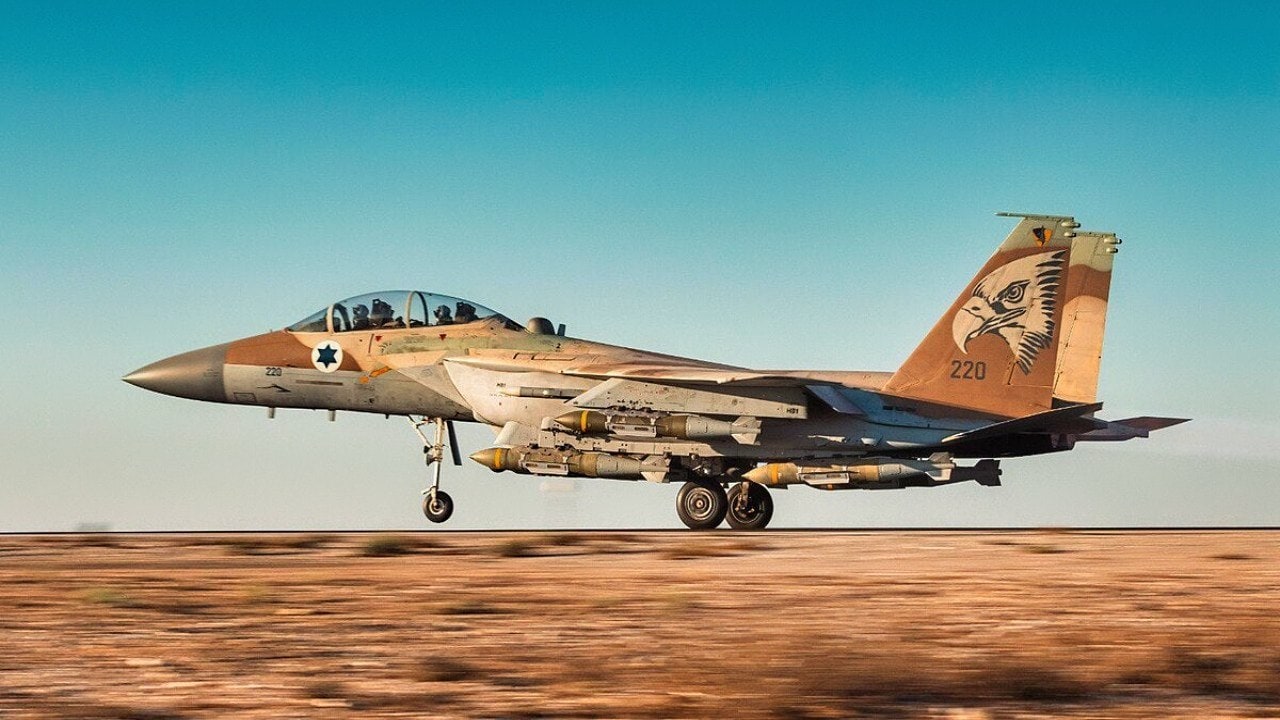
The Abu al-Duhur airbase is not a transient military target. It is located in eastern Idlib, deep within the area that Ankara considers within its sphere of influence in northern Syria. Estimates from analysts at the International Crisis Group indicate that the strikes only hit runways and storage facilities, and did not destroy any fighter aircraft. This detail is important because if Israel had wanted to destroy aircraft, it could have done so. The goal was to convey a message without igniting a war, a tactic we have become accustomed to since the fall of the previous regime.
Since December 8, 2024, Israel has carried out more than 600 strikes on Syrian military targets over the past year, destroying most of what remains of the Syrian air defenses. In March 2025, it struck the T4 bases in Homs and Tadmur following reports of visits by Turkish military delegations, and in July 2025, it bombed the Ministry of Defense building in the heart of Damascus. The strikes are recurring, but they are not random; they are part of a consistent policy.
The First Message to Damascus: No Air Force for the New Syria
Khadar Khodour, a researcher at the Carnegie Middle East Center, stated that bombing an airbase means that the Israeli army does not want the new Syria to have any kind of air force in the coming years. This is the essence of the first message. The new Syrian government has begun steps to rebuild its air force: repairing facilities and aircraft and training new crews, all of which are rejected by Israel, even if the remaining aircraft do not pose a real threat to Israel.
Bombing an airbase means that the Israeli army does not want the new Syria to have any kind of air force in the coming years — Khadar Khodour, Carnegie Middle East Center
Practically speaking, an air force is the backbone of any sovereignty. Any country without air cover lives at the mercy of those who control the skies. Israel understands this well, and since the fall of Assad, it has implemented a policy of a Syria without airspace, setting a red line against any military rebuilding while preventing Syrian forces from moving southward toward its borders.
The Second Message to Ankara: Turkish Influence Under Scrutiny
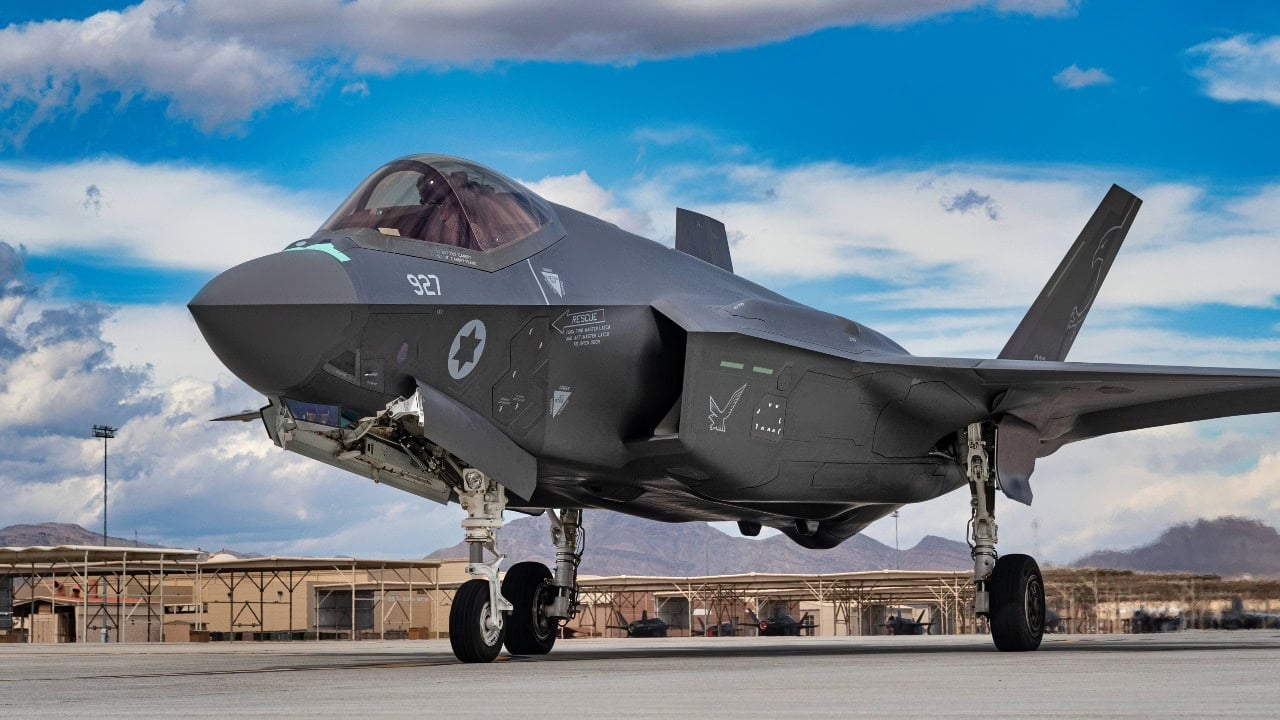
Here comes the most significant part. Abu al-Duhur is clearly within the Turkish sphere of influence, as Sami Aqil from the Syria Report states. Turkey has been militarily present in northern Syria for years, being the main supporter of the former opposition factions, and now has diverse security interests in the region. Striking a base deep within this influence is not a geographical coincidence, but a deliberate choice.
The strikes on Tuesday are very similar to the March 2025 strikes on the T4 and Tadmur bases, which were preceded by Reuters reports about visits from Turkish military delegations. Researcher Nawar Saban at the Arab Center for Contemporary Studies summarizes the situation: the strike was less about destroying an immediate Syrian military threat and more about preventing the establishment of future military capability, and setting a red line around the rebuilding of the Syrian military structure, especially where Turkish assistance could enhance Syrian air capability or restrict Israeli operational freedom over Syrian airspace.
As Israel heads toward elections in October, Naftali Bennett, a potential rival to Netanyahu, describes Turkey as the new Iran, and Netanyahu himself speaks of security consultations regarding the Turkish role in Syria. The combination of the Abu al-Duhur strike and the election rhetoric is not coincidental, as the Israeli public is keenly attuned to the language of the Turkish threat.
A Perspective on Capabilities: A Strike on the Institution, Not the Equipment
From the perspective of the capabilities triangle that I always use (equipment × training × institution), Israel executed a technically smart strike: it did not destroy aircraft but hit runways and storage facilities, which are the infrastructure upon which the institution grows. It is easy to buy or repair an aircraft, but it is difficult to build a flight school, an air command, and a maintenance chain. Israel targets these roots because it knows that an aircraft without an institution remains just a piece on display in a museum.
Here lies the familiar tragedy of the Arabs: while some Arabs spend billions to build new airbases, others destroy what remains for us, and we cannot even protest effectively. The new Syria, which bet on its relations with the West, discovers that opening up to Washington did not buy it the right to an independent sky.
Conclusion: A Structural Contradiction Over Syrian Soil
The real scene after the Abu al-Duhur strikes is not one of Syrian-Israeli conflict, but rather an Israeli-Turkish competition over Arab land, with the Syrians as spectators despite being its rightful owners. Israel wants a Syria without an air force, Turkey wants a Syria within its sphere of influence, and the new Syria wants to be a normal state with a normal army, and these three wishes cannot coexist in a single equation. As long as Syrian airspace remains a battleground for the messages of others, Arab sovereignty in the region will remain a slogan on paper more than a reality on the ground.
Israeli Air Force conducted eight airstrikes on Abu Dhuhur Airbase in Idlib on August 18, 2025, damaging runways and storage facilities without destroying any aircraft. The strikes were intended as a strategic message to both the Syrian and Turkish governments, reflecting Israel's ongoing policy to prevent Syria from re-establishing its air capabilities. This operation is part of a larger pattern of Israeli military actions in the region.
- Eight Israeli airstrikes targeted Abu Dhuhur Airbase in Idlib on August 18, 2025.
- The strikes caused damage to runways and storage facilities but did not destroy any aircraft.
- The operation is seen as a message to both the Syrian and Turkish governments.
- Israel has conducted over 600 strikes on Syrian military targets in the past year.
- The airstrikes are part of a broader strategy to prevent Syria from rebuilding its air force.