
EU approves 1 billion euros for Ukrainian air defense — and highlights Europe's procurement problem 2026
 Dr. Klaus Weber
EU Approves 1 Billion Euros for Ukrainian Air Defense — and Highlights Europe's Procurement Problem 2026
Brussels, November 24, 2026. One billion euros sounds like strategic determination. On November 20, the Council of the European Union mobilized additional military aid for Ukraine through the European Peace Facility. The funding is intended for jointly procured drones, air defense, ammunition, electronic warfare, radar systems, and explosives. Four days earlier, Ukrainian Defense Minister Yevhenii Khmara had pointed out the most urgent need to the EU defense ministers: air defense.
The political impulse is correct. However, the conclusion drawn from it is uncomfortable: Europe continues to respond with money to a production and prioritization problem. The one billion euros can stabilize Ukrainian positions in the short term. It does not yet prove that the EU has learned to turn national orders into a reliable European capability.
The Right Equipment Comes Too Late If It Is Only Announced
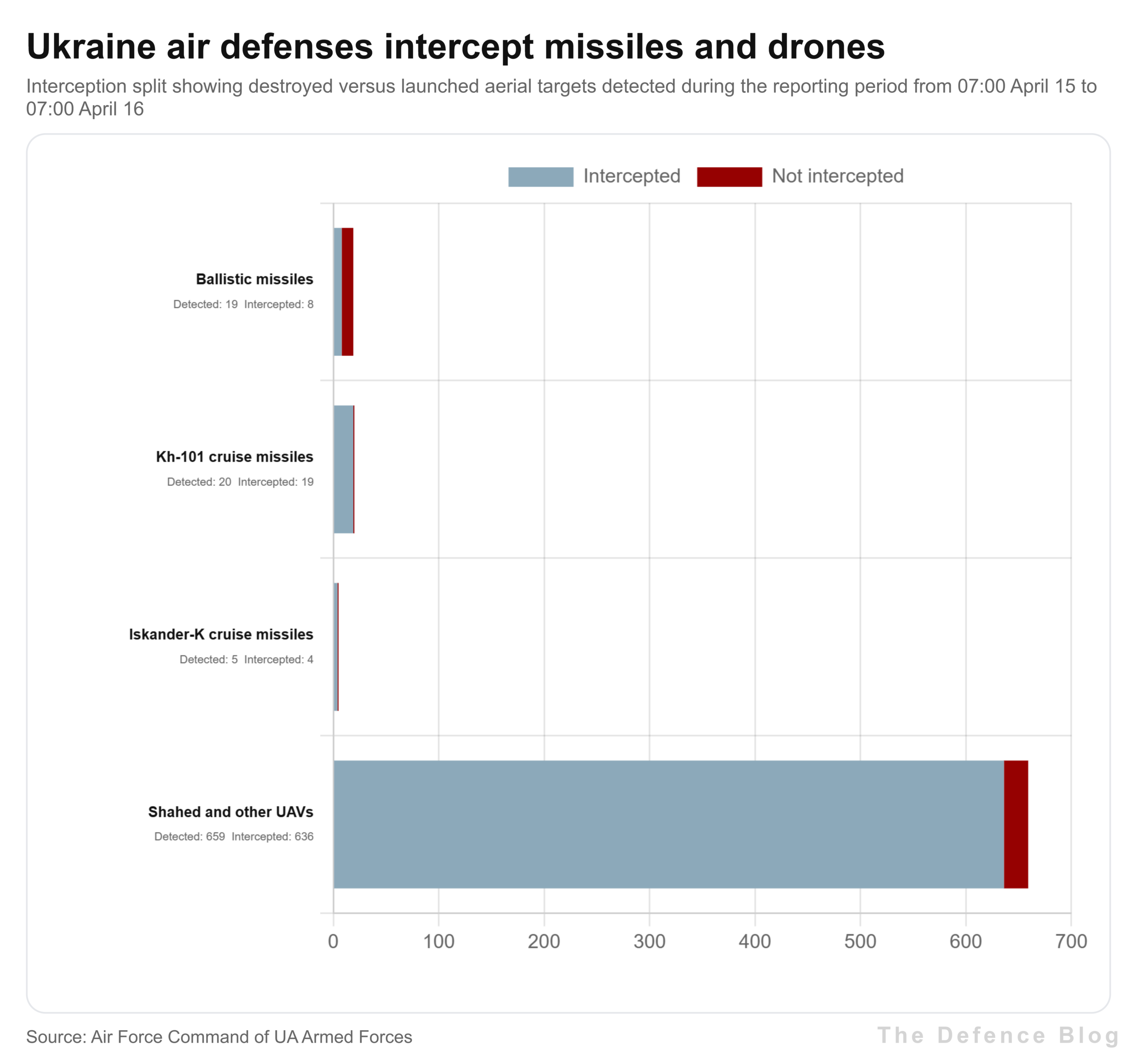
The Council's list is militarily plausible. Drones provide reconnaissance and effect at low unit costs. Radars create the necessary sensor capabilities, electronic warfare disrupts the control of enemy systems, and air defense protects infrastructure, troops, and other weapon systems. Without the connection of these elements, each individual order remains a fragment. A radar without interceptors is early warning but no protection; a drone without a data link is a consumable item; ammunition without secured replenishment is merely a temporary gain.
That is precisely why the procurement form is crucial. The EU speaks of joint procurement but does not specify concrete delivery lots, binding timelines, or industrial production goals in the public decision. This is not a trivial detail. In war, a financial decision only becomes a capability when a manufacturer is ordered, a contract is signed, a supply chain is secured, and a system is integrated at the front.
Poland's Border Makes the European Gap Visible
The temporal context intensifies the assessment. Following recent incidents involving Russian missiles and drones on Polish territory, NATO Secretary General Mark Rutte stated that the alliance would defend every inch of Polish territory (Reuters, November 21, 2026). Emmanuel Macron described a potential NATO membership for Ukraine as relevant to European security (Reuters, November 19). This shifts the debate from solidarity with a partner to the immediate question of what air defense Europe can credibly provide itself.
Ukraine is not only a recipient but also Europe's toughest practical test. Ukrainian units are gaining daily experience with cruise missiles, Shahed drones, decoys, jamming, and mixed waves of attacks. A European system that cannot be quickly resupplied, maintained, and adapted there will not suddenly function reliably on NATO's eastern flank. Therefore, aid to Ukraine is also a test of the European defense industry.
The EPF Model Solves the Funding Problem, Not the Governance Problem
The European Peace Facility is politically useful because it can pool national contributions. However, it remains a funding instrument outside the regular EU budget and does not replace joint military planning. Member states have different threat perceptions, budget cycles, and industries. Everyone wants to help quickly but also secure national value creation. This creates the familiar European tension: common money, national procurement, fragmented maintenance.
For air defense, this fragmentation is particularly costly. Systems differ in missiles, software, radar interfaces, spare parts, and training. Even if the EU orders drones, radar, and electronic warfare together, an integrated air defense architecture is not yet created. This requires standardized data connections, common rules of engagement, spare parts stocks, and personnel who can connect the systems under combat conditions. Exactly these invisible costs disappear in the political figure of one billion euros.
The Council should therefore respond to the next communication not with a larger sum but with verifiable milestones: Which systems will be delivered in which quarter? How many interceptors are actually available? Which components will be produced in Europe? How will interoperability with NATO command structures and Ukrainian combat networks be tested? Without such information, joint procurement remains a statement of intent with a European letterhead.
More Money Is Necessary but Not Sufficient
It would be wrong to downplay the one billion euros. Air defense is expensive, and the Ukrainian need is acute. Those who talk about efficiency now without providing additional funds are practicing a convenient form of pacifism. But the opposite illusion is equally dangerous: that every new round of funding automatically generates military strength.
Europe's actual task is to turn emergency procurement into a permanent industrial and operational order. This means long-term purchase contracts, fewer national special solutions, and the willingness to distribute scarce interceptors based on a common risk rather than a purely national visibility principle. It also means giving Ukraine access to European production and maintenance networks instead of treating it permanently as an end customer.
The EU has taken a meaningful step with one billion euros. It will only become strategic when it leads to deliveries, integrated systems, and industrial learning curves. Europe's paradox remains: without more money, it cannot renew its defense; with money alone, it cannot organize it either.
Sources
- Council of the European Union, European Peace Facility, November 20, 2026.
- Council of the European Union, Foreign Affairs Council Defence, November 17, 2026.
- Reuters, NATO and Poland, November 21, 2026.
- Reuters, Ukraine and NATO Membership, November 19, 2026.
The European Union mobilized 1 billion euros in military assistance for Ukraine on November 20, 2026, focusing on air defense and related equipment. This aid aims to address urgent military needs highlighted by Ukrainian officials. However, the report critiques the EU's procurement processes and the effectiveness of such funding in establishing a reliable defense capability.
- EU allocated 1 billion euros for Ukrainian air defense.
- Military aid includes drones, air defense, munitions, and electronic warfare systems.
- Ukrainian Defense Minister highlighted urgent need for air defense.
- NATO Secretary General emphasized defense of Polish territory.
- The report critiques EU's procurement and production issues.