
EU transfers 2.86 billion euros for Ukraine 2026 — and buys time instead of air defense
 Dr. Klaus Weber
EU Transfers 2.86 Billion Euros for Ukraine 2026 — and Buys Time Instead of Air Defense
The European Commission transferred 2.86 billion euros to Ukraine on October 14. The funds are intended for drones, air defense systems, missiles, radars, electronic warfare, and ammunition. This is the first disbursement from the defense portion of the 90-billion-euro Ukraine Support Loan for 2026 and 2027. The figure sounds like strategic determination. However, upon closer inspection, it reveals a fundamental European problem: the EU is financing urgently needed capabilities without already having the industrial and operational structure in place to provide them sustainably.
The 2.86 Billion Euros Are Necessary, but Not a Capability Demonstration
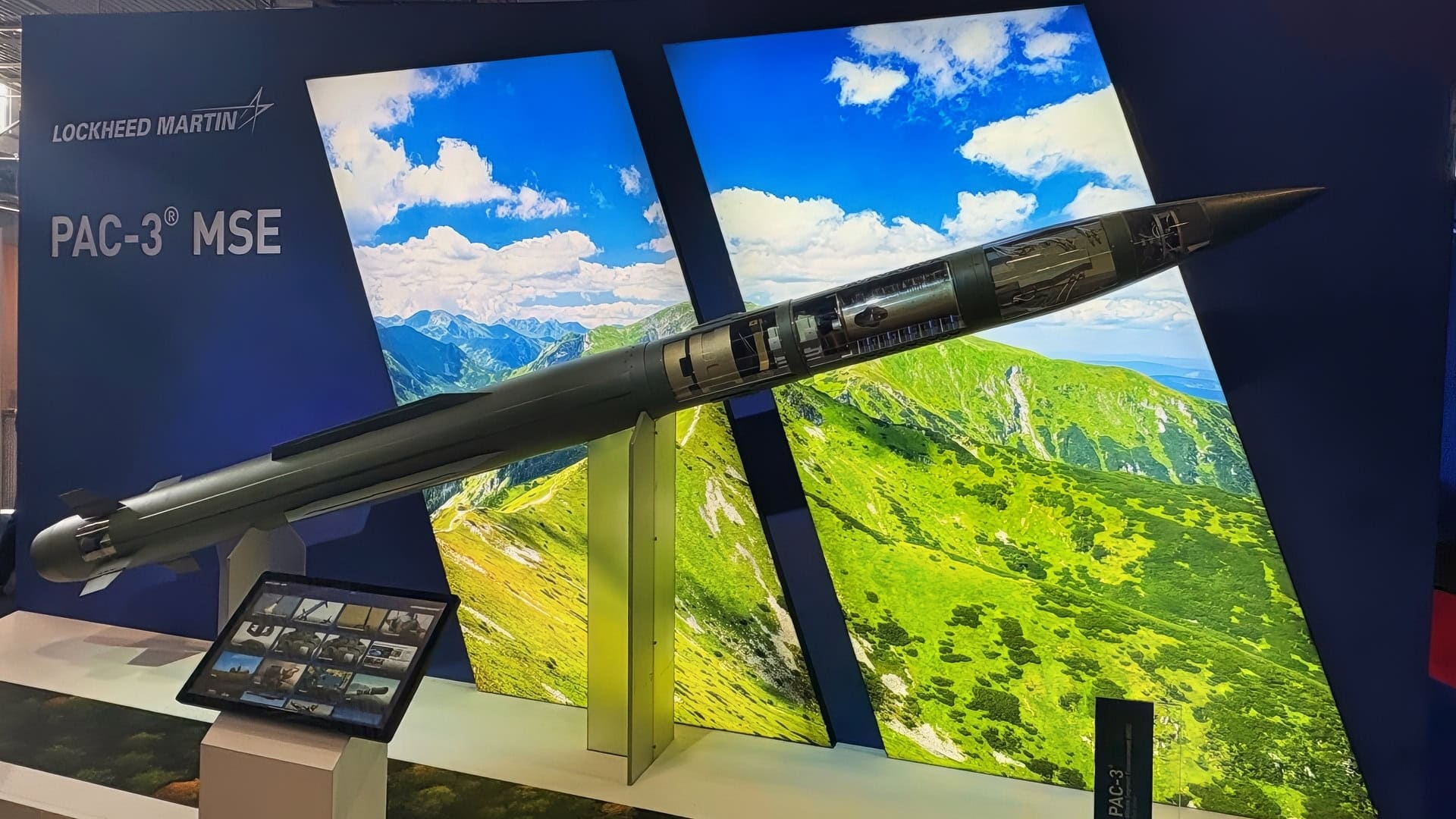
The Commission explicitly names drones and missiles as immediate priorities. This corresponds to the military reality of the war. Ukraine does not need a single wonder weapon but a layered air defense: sensors and radars for reconnaissance, command networks for target assignment, interceptor missiles against cruise missiles and ballistic missiles, as well as cost-effective systems against drones. Additionally, electronic warfare and large ammunition stocks are required. A PAC-3 MSE interceptor missile can close an important gap but does not replace a radar or an integrated command network. This system logic is regularly obscured in European debates by the mere sum of expenditures.
The package is therefore politically sensible. Russian airstrikes continue to target civilian infrastructure and energy supply, while Ukrainian air defense suffers from wear and ammunition shortages. However, a transfer is not yet a delivery, and a delivery is not yet an available operational capability. Between these three stages lie procurement, production, training, maintenance, and integration into an existing command system. Those who only measure the budget decision are measuring the input — not the protection it actually generates.
A Loan Instrument with a Structural Contradiction
The Ukraine Support Loan provides a total of 90 billion euros for 2026 and 2027. Of this, 60 billion is earmarked for defense and 30 billion for budgetary assistance. The Commission plans to allocate a total of 28.3 billion euros in 2026 to strengthen the Ukrainian defense industry; 12.54 billion euros are to come from funds still available this year. This is more than classic emergency aid. Brussels is attempting to gradually integrate Ukrainian arms production into the European defense industry.
This is where the institutional test begins. Ukraine produces drones quickly, cheaply, and with high proximity to the front. Europe, on the other hand, has larger financial resources but slower approval, procurement, and production processes. European financing of Ukrainian capacities can combine these two strengths. However, it can also become another budget line, whose political visibility is greater than its military effect. The crucial question is therefore not whether 28.3 billion euros will be spent. It is how many additional systems will be available at the front within six, twelve, and twenty-four months.
European Autonomy Begins with Production Decisions
The Commission emphasizes that the funds are tied to changing Ukrainian needs, agreed conditions, and monitoring. This control is necessary. However, it must not be confused with strategic autonomy. If the EU has to purchase missiles and air defense outside of Europe in the short term, it is initially financing the maintenance of American or other non-European production chains. This may be militarily sensible; however, it is not European sovereignty.
The industrial integration of Ukraine is also not a given. It requires common technical standards, export rules, confidentiality, insurance against attacks, spare parts chains, and long-term procurement contracts. Without these institutional prerequisites, Ukraine remains a recipient of European loans rather than an equal part of the European defense base. The EU has often mobilized funds in recent years but has too rarely created the governance that translates money into capacity.
The Political Effect Must Not Replace Military Assessment
Since 2022, the EU and its member states have provided a total of 231.5 billion euros in support, including 3.8 billion euros from the proceeds of frozen Russian assets, according to the Commission. These sums demonstrate remarkable European financial endurance. However, they do not answer the question of burden-sharing within Europe. Who decides on priorities? Who guarantees production volumes? Who bears the risk if a factory delivers late or a system is not compatible with Ukrainian networks?
The answer cannot lie solely in further credit facilities. Loans do not build a production line if orders are placed too late. They do not create air defense if interceptor missiles are only produced in small batches. And they do not generate deterrence if European states protect their scarce stocks through national export bans. The 2.86 billion euros are therefore a necessary purchase of time. Whether security arises from this depends on decisions made in the coming months in ministries, procurement offices, and factories.
Europe has learned to finance war. It must now prove that it also masters the industrial timeline of war.
Sources: European Commission, press release from October 14, 2026 (ip_26_2153); Defence Industry Europe, October 15, 2026; European Commission, information on total support for Ukraine since 2022.
The European Commission transferred 2.86 billion euros to Ukraine on October 14, 2026, to enhance its military capabilities. The funds are allocated for drones, air defense systems, missiles, radars, electronic warfare, and ammunition as part of a broader 90 billion euro support package for 2026 and 2027. This initiative aims to address urgent military needs amid ongoing Russian airstrikes targeting civilian infrastructure.
- The European Commission transferred 2.86 billion euros to Ukraine on October 14, 2026.
- The funds are designated for drones, air defense systems, missiles, radars, electronic warfare, and ammunition.
- This transfer is part of a larger 90 billion euro support loan for Ukraine for 2026 and 2027.
- The report highlights the need for layered air defense capabilities in Ukraine.
- The EU aims to integrate Ukrainian defense production into the European defense industry.