
Shield AI software cuts autonomous flight development to six weeks
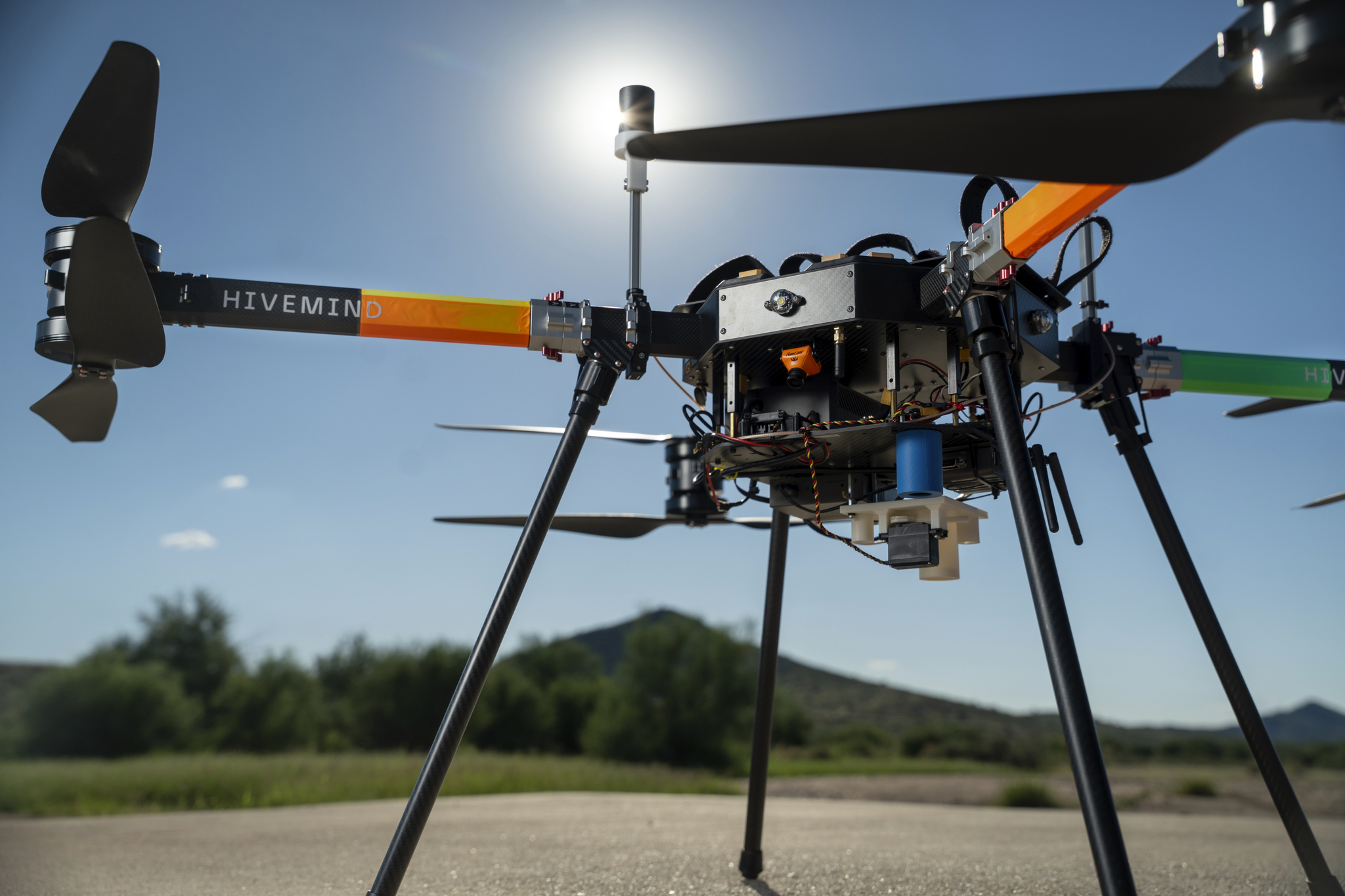
The California-based defense company Shield AI said this week that its Hivemind software helped Honeywell Aerospace achieve autonomous flight after six weeks of training, down from an estimated 54 weeks, ahead of two flight demonstrations, according to Monday’s joint statement.
“Hivemind Enterprise handled the autonomy basics, so [Honeywell engineers] could spend its time on its own detection and tracking model,” said Tom Schaefer, vice president of Hivemind Enterprise at Shield AI. “We built Hivemind so partners can work this way.”
The companies announced their collaboration in July along with a memorandum of understanding, stating their goal was to help “defense operators move from demonstration to deployment faster… without having to rebuild confidence in each new system every time.”
Shield AI explained the Hivemind software provides “core capabilities such as route planning, mission management, and communication between aircraft,” so companies like Honeywell could integrate “their own AI models, sensors, and mission capabilities and [advance] them from simulation to flight.”
According to the statement, Honeywell’s autonomy team began training on Hivemind in late April and by mid-June, they flew a BFD-SE8 multirotor aircraft autonomously for the first time using the newly developed autonomy stack.
The team held the official demonstration on July 8 in Plymouth, Minnesota, where the aircraft took off on its own, followed a planned route, re-routed around a no-fly zone, and returned to base.
Afterward, the company said, the team immediately began working on the second demonstration. For three months, they trained and deployed their own target detection and tracking model.
On Oct. 8, the team hosted another demonstration in which a scout aircraft used the AI model to detect, identify, and track a target. It then passed the information to another aircraft, which navigated autonomously to the target, delivered a payload, and then returned to base with the scout.
Todd Giles, Honeywell Aerospace’s senior vice president of engineering and chief technology officer, credited “open architectures” — or the use of public standards for software development — for “changing the pace of innovation in aerospace” and his team’s accomplishment.
“By combining our expertise in avionics, navigation, sensing, and autonomy, we are helping create a scalable foundation for the next generation of autonomous aircraft and mission systems,” Giles said.
Shield AI's Hivemind software enabled Honeywell Aerospace to achieve autonomous flight capabilities in just six weeks, significantly reducing development time. The first demonstration occurred on July 8, 2023, in Plymouth, Minnesota, where the BFD-SE8 multirotor aircraft autonomously navigated a planned route. A second demonstration on October 8 showcased the aircraft's ability to detect and track targets, delivering a payload before returning to base.
- Shield AI's Hivemind software reduced autonomous flight development time from 54 weeks to 6 weeks.
- Honeywell Aerospace successfully demonstrated autonomous flight capabilities on July 8 and October 8, 2023.
- The BFD-SE8 multirotor aircraft autonomously followed a planned route and delivered a payload during demonstrations.