
Europe Finally Put €6 Billion Behind Ukraine’s Patriot Problem
 Alexandra Reeves
Europe Finally Put €6 Billion Behind Ukraine’s Patriot Problem
The money is real. The missiles are not yet.
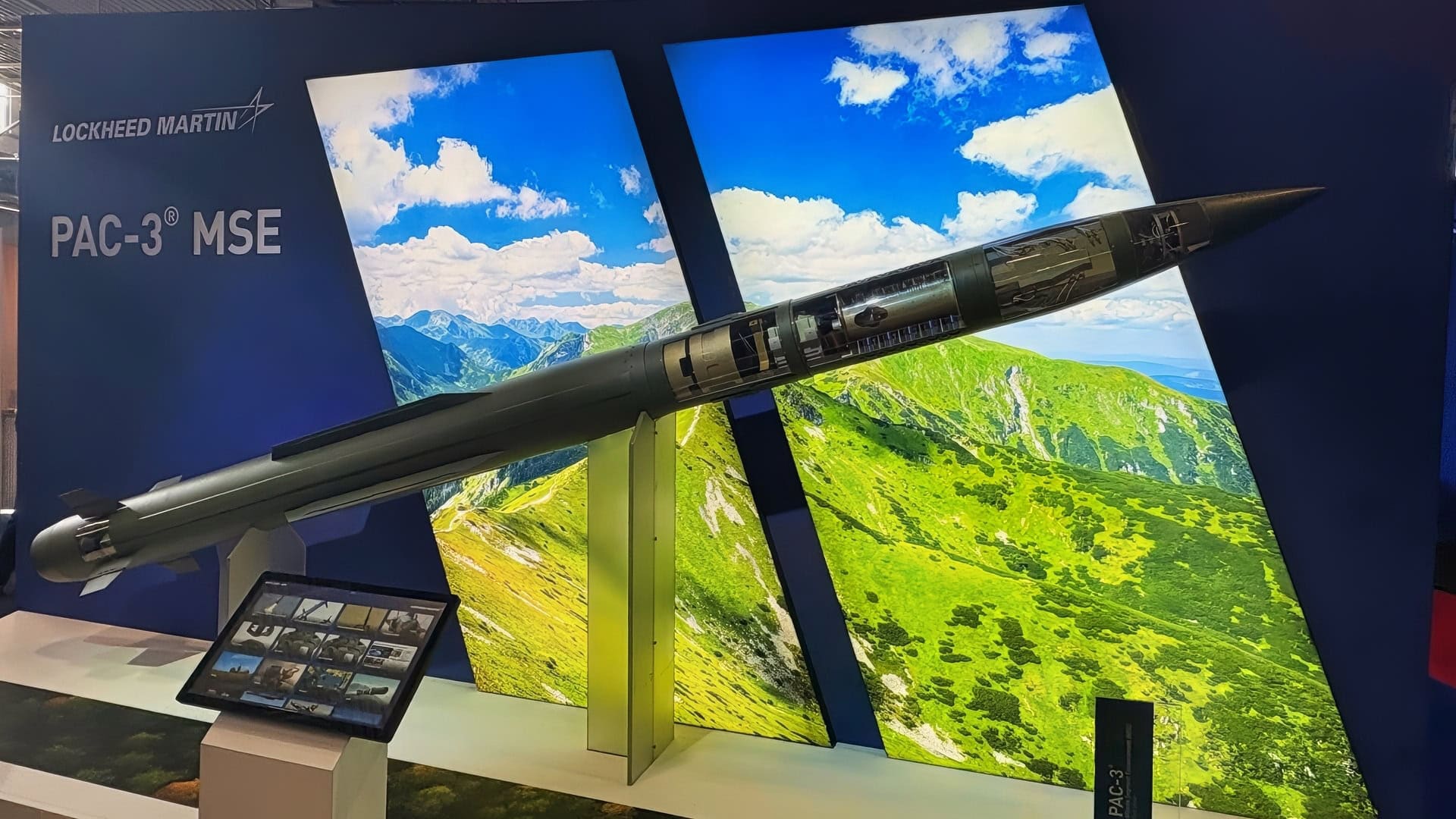
Europe has finally acknowledged the part of Ukraine’s air-defense crisis that polite communiqués tend to hide: money is not the same thing as interceptors. On September 11, the European Commission approved €6.1 billion in defense funding for Kyiv and granted permission to use part of it to buy American-made PAC-3 Patriot missiles. That is a useful decision. It is not a shield arriving on the Ukrainian border.
The distinction matters because Russia’s latest strike pattern is exactly the one that makes Patriot batteries valuable and scarce. According to The Kyiv Independent, Russia launched 129 attack drones overnight on September 12, alongside eight Kalibr cruise missiles, six Kh-59/69 guided missiles, and Iskander-M/KN-23 ballistic missiles. The same reporting described deaths and injuries across Ukraine, including damage in Odesa. This is not a single missile raid. It is a layered campaign designed to exhaust defenses, force difficult allocation decisions, and keep critical infrastructure under permanent threat.
Why PAC-3 matters more than another general aid pledge
Patriot is not a magic umbrella. A battery covers a limited defended area, its radar and command system must survive, and every interceptor fired is a costly decision. But PAC-3 missiles are among the few Western systems built to engage ballistic-missile threats through hit-to-kill interception. That gives Ukraine a capability that cheaper guns and short-range air-defense missiles cannot reliably substitute for when Russia uses Iskander-class weapons or mixed salvos.
The Patriot system also changes the attacker’s arithmetic. Russian planners must assume that at least some high-value missiles can be intercepted near the target, forcing them to add decoys, vary flight paths, combine drones with cruise missiles, and launch more weapons to achieve the same effect. Ukraine does not need to stop every incoming object to gain operational value. It needs to protect the power grid, command nodes, major cities, and the industrial infrastructure that keeps the war effort alive.
That is the strategic logic behind Brussels’ decision. The EU is not merely buying ammunition for today’s battle. It is trying to prevent Russia from turning the winter energy campaign into a political weapon.
Europe’s procurement rule met battlefield reality
The awkward detail is that the EU’s €90 billion support loan was designed to keep most defense spending inside Europe or Ukraine. Components sourced from outside those markets require explicit approval when third-country content exceeds 35 percent. The Commission has now granted exemptions for PAC-3 interceptors and several drone-related purchases.
That exception is more revealing than the headline number. Europe wants strategic autonomy, but Ukraine needs the equipment that exists now. The two goals are compatible over a decade; they collide during a missile campaign measured in hours. European governments can debate industrial sovereignty in conference rooms. Ukrainian air-defense crews cannot wait for a European interceptor line to mature before the next Russian salvo.
And the latest approval does not solve the supply problem. The Kyiv Independent reported that there is a global shortage of Patriot interceptors, while Ukraine is preparing for another wave of attacks against its energy system. The United States, Europe, Israel, and other operators all have reasons to preserve their stocks. Washington can authorize a purchase and still face the harder question: which customer receives the next production batch?
The real bottleneck is inventory and integration
Patriot is a network, not a box of missiles. Ukraine needs trained crews, radar coverage, reload vehicles, protected command links, maintenance capacity, and a supply chain that can keep batteries operating under attack. A shipment of PAC-3 rounds without enough launchers or without a reliable engagement picture would be an expensive political gesture.
Ukraine has already demonstrated that it can operate sophisticated Western air-defense equipment under combat conditions. The issue now is scale. Russia’s strike doctrine is built around volume and adaptation. A small number of Patriot batteries can protect priority sites, but cannot make the entire country safe. That creates a grim targeting problem: defend Kyiv, protect a power plant, cover a logistics hub, or reserve missiles for ballistic threats that may arrive later?
The answer will increasingly depend on European coordination. If every capital treats Patriot as a national asset first and a coalition capability second, Ukraine will receive intermittent relief rather than a durable defense architecture. The EU’s new funding must therefore be paired with transparent delivery schedules, pooled procurement, and a willingness to finance the radar and sustainment elements that make the interceptor effective.
What this says about NATO’s air-defense problem
There is a broader lesson here for NATO. Ukraine is not only asking Europe to donate a weapon. It is exposing the alliance’s peacetime assumption that high-end air defense can be purchased when a crisis starts. It cannot. Production capacity, trained operators, and stockpiles have to exist before the missiles are needed.
That is why the €6.1 billion decision is strategically important but politically uncomfortable. It confirms that Europe understands the threat, while also advertising how dependent Europe remains on American technology and a constrained global supply chain. The EU has approved all €28.3 billion earmarked for Ukraine’s defense under the loan this year, according to the Kyiv Independent, but only €8.4 billion had been disbursed at the time of its report. Authorization is moving faster than physical delivery.
The next test will not be another summit statement. It will be whether Ukraine receives enough PAC-3 interceptors before Russia’s winter campaign peaks, and whether European governments accept that air defense is a shared military mission rather than a line item in national budgets.
Europe bought time, not safety
Brussels has made the right decision. Allowing Ukraine to buy PAC-3 Patriots with EU-backed funds removes a bureaucratic obstacle at exactly the moment Russia is increasing the density and complexity of its strikes. But the decision should be judged by missiles delivered, batteries sustained, and critical sites protected—not by the size of the press release.
Europe has bought Ukraine a path to more air defense. It has not yet bought Ukraine safety. The uncomfortable question is whether the alliance will release enough of its own scarce inventory before the next winter strike campaign answers it for them.
Sources
The European Commission approved €6.1 billion in defense funding for Ukraine on September 11, 2026, allowing the purchase of PAC-3 Patriot missiles. This decision comes as Russia launched a significant drone and missile attack on Ukraine, highlighting the urgent need for enhanced air defense. The funding aims to bolster Ukraine's capabilities amid a global shortage of interceptors, emphasizing the strategic importance of timely military aid.
- The European Commission approved €6.1 billion in defense funding for Ukraine on September 11, 2026.
- Part of the funding is allocated for purchasing PAC-3 Patriot missiles.
- Russia launched 129 attack drones and various missiles on September 12, 2026.
- There is a global shortage of Patriot interceptors, complicating supply for Ukraine.
- The EU's decision aims to enhance Ukraine's air defense capabilities against Russian strikes.