

European Intelligence Officials Forecast Imminent Russian Attack on NATO: WARSAW, POLAND – Several European intelligence officials – led by projections from the Czech security service – are warning of a possible imminent Russian provocation that would test NATO’s resolve. One of the service chiefs has indicated that such an attack on the alliance by Moscow is unlikely to occur in the next few years, as previously forecast, but could transpire in a matter of “months, not years”.
These warnings are being made just after Poland’s prime minister, Donald Tusk, told the Polish parliament that his government has produced intelligence assessments that Russia might launch an attack with drones or missiles directly on NATO territory – with the warning again that the attacks would be within a few months.
Moscow, according to the assessment, is currently emboldened by the belief that NATO as an alliance has no unanimity in its position about how to respond to a direct attack by Russia.
The government of Russian President Vladimir Putin, according to more than one of these intelligence assessments, believes that with just such a provocation, they can prove “Article 5 is more theoretical than practical”.
French president Emmanuel Macron has since described Tusk’s warnings as “sound and well-documented.”
The French head of state is so convinced that Russia’s plans are real and could play out in the near future that, on Friday of last week, he called together party leaders and 2027 presidential candidates for an emergency meeting in Paris.
One of the main topics they deliberated was the intelligence reports regarding a growing threat of a Russian attack.
Diplomacy and Escalation
These warnings come at a time when diplomatic activity and escalation of the conflict between Ukraine and Russia are both reaching an apex.
The annual opening of the UN General Assembly is taking place this week, when national leaders and senior diplomats convene in New York.
Traditionally, at this time, there is an entire program of one-on-one meetings between heads of state, along with a flurry of offline, unpublicized interactions among various intermediaries and envoys. The question is whether the diplomacy in the coming days will be sufficient to reduce the current level of hostilities to a point where negotiated settlements can be reached.
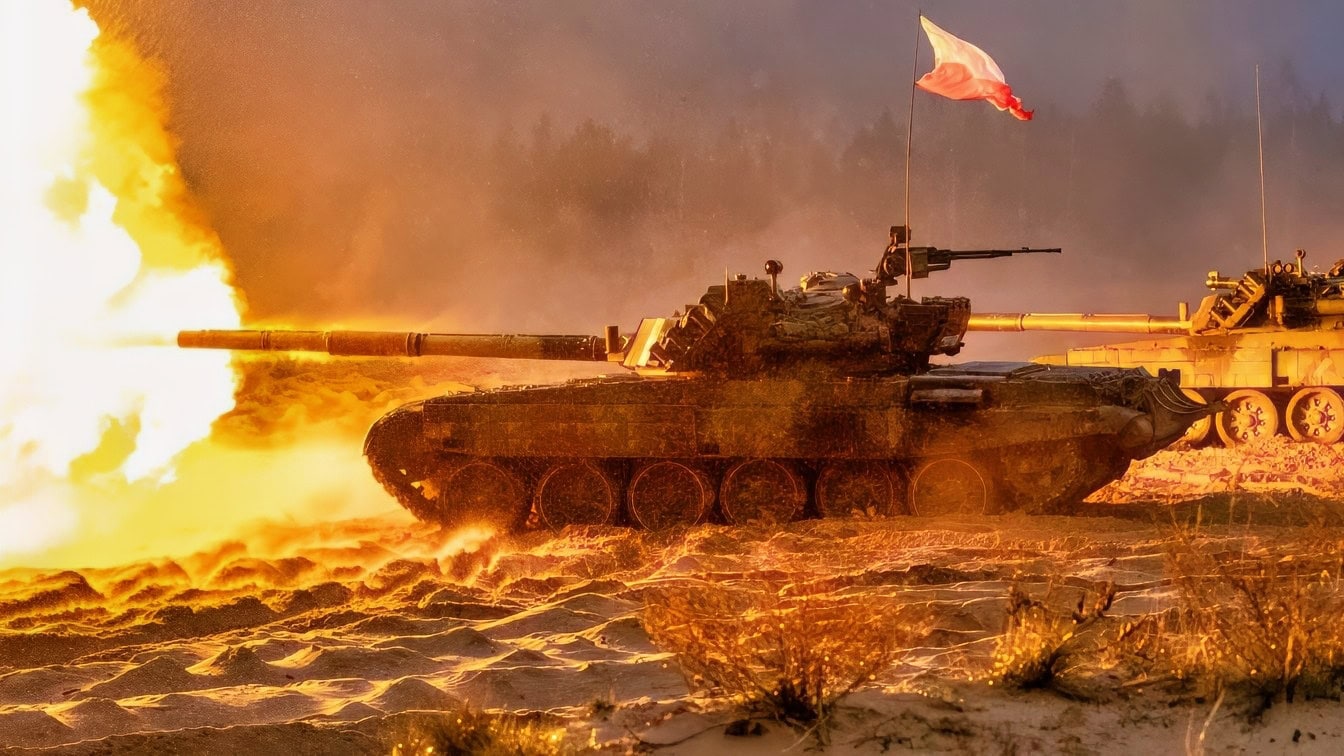
A Polish tank fires during the Iron Spear exercise in Adazi, Latvia, Nov. 13, 2023. U.S. Army Soldiers with Bravo Company, 2nd Battalion, 69th Armored Regiment “Panther Battalion”, 2nd Armored Brigade Combat Team, 3rd Infantry Division supporting NATO’s enhanced Forward Presence Battle Group Poland, joined multinational troops from Canada, Germany, Italy, Latvia, Lithuania, the Netherlands, Spain, and the United Kingdom representing NATO enhanced Forward Presence Battle Groups from Latvia, Lithuania, Estonia, and Poland for the exercise. The 3rd Infantry Division’s mission in Europe is to engage in multinational training and exercises across the continent, working alongside NATO allies and regional security partners to provide combat-credible forces to V Corps, America’s forward deployed corps in Europe. (U.S. Army photo by Capt. H Howey)
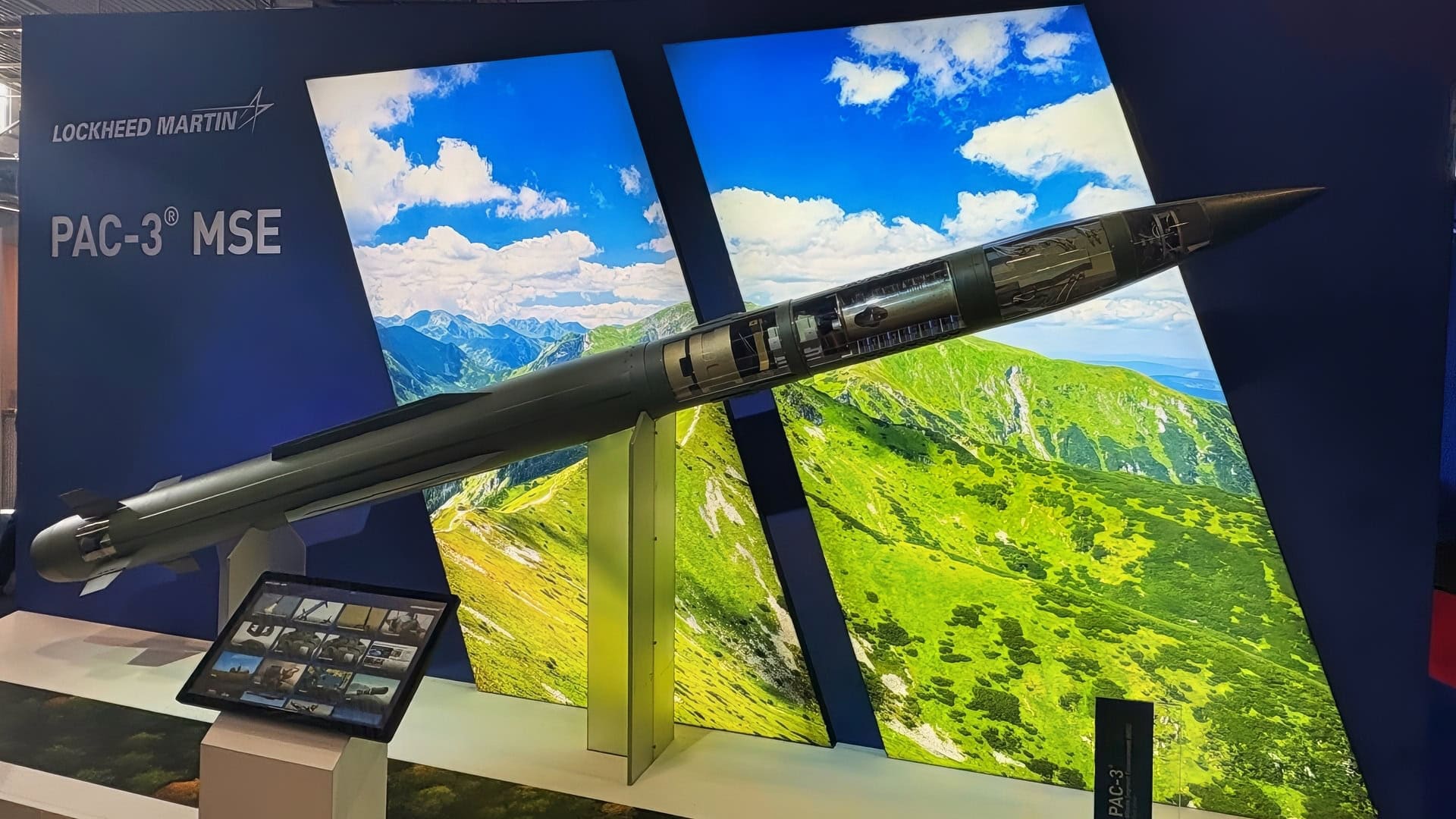
PAC-3 MSE Patriot Missile 19FortyFive Image from Poland
Indications are not very positive as of today. The UN is beginning its new session in the shadow of a Middle East conflict that threatens to upend efforts to bring stability to the region.
Rumors are that Washington may be considering major actions against Iran — initiatives that might threaten the new Saudi Arabia, Turkey, and Pakistan defensive alliance known as the Mecca Pact.
In the war between Ukraine and Russia, the conflict reached a new pitch this past Saturday and Sunday. Ukraine’s drone forces hit Moscow and other Russian regions with hundreds of drones and missiles from Saturday evening and on into the early hours of Sunday. The strikes on the Russian capital included drones again hitting Moscow’s Gazprom Oil Refinery.
This was one of the biggest air attacks of the war and the largest number of drones and missiles fired against Moscow in the city’s history. The refinery has since shut down operations, which will cause further disruptions to the supply of petrol to Moscow and the surrounding region.
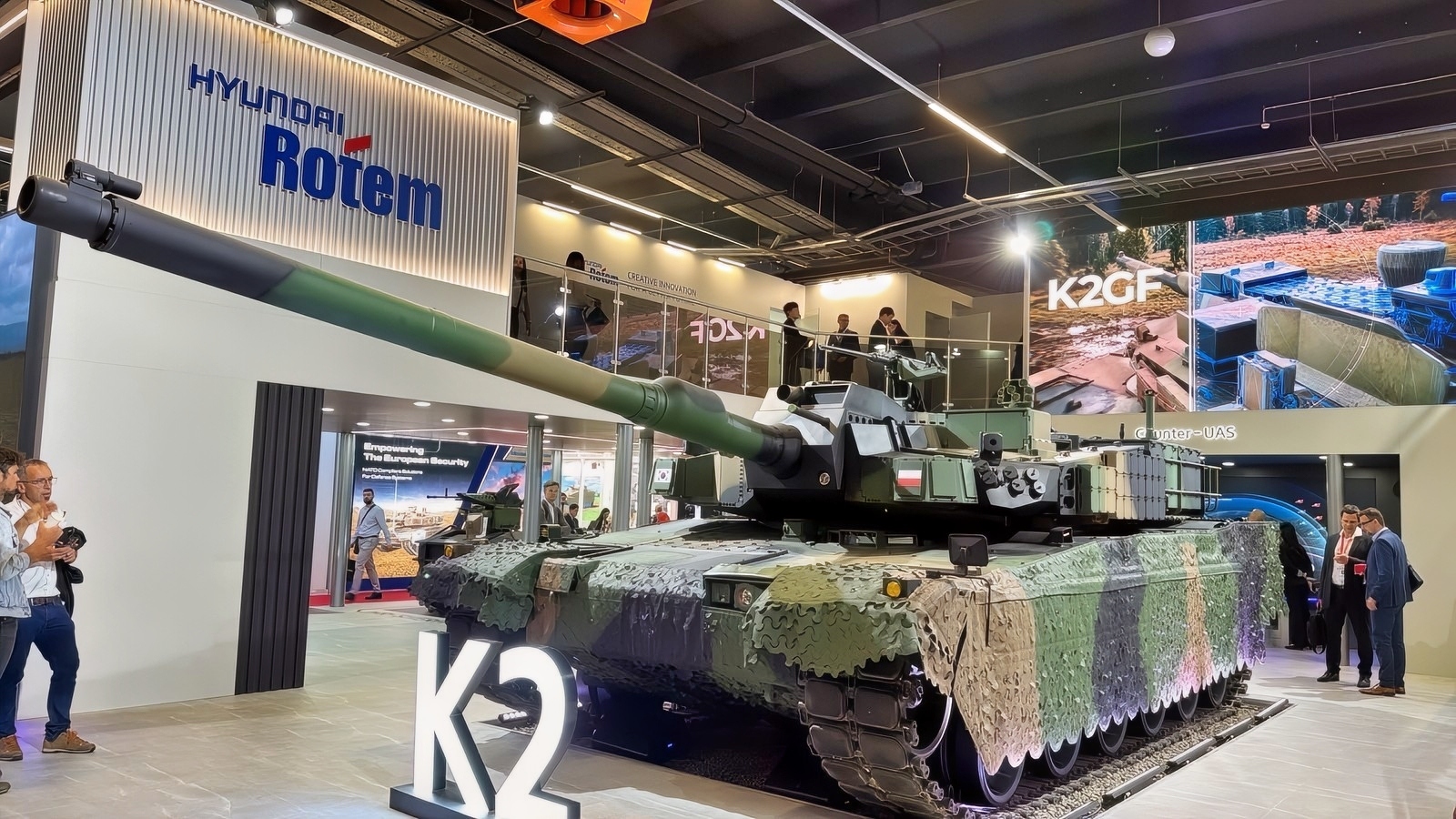
K2 Black Panther Tank 19FortyFive Photo From Poland
Who Are the Intelligence Chiefs Warning of War with Russia
Several of the intelligence chiefs who expressed concern about the rising level of attacks between Russia and Ukraine leading to a wider war spoke in separate one-on-one interviews with the UK’s Guardian newspaper. The conversations took place in different locations and on different dates but were all focused on the forecast of the threat from Moscow.
Michal Koudelka, the Director of the Czech Republic’s BIS security service, said that an upsurge in drone activity could be the prelude to a small incursion into NATO territory that borders Russia.
“It’s possible. It could involve a limited incursion, false-flag provocations, a massive influence campaign,” he said, during a rare interview at the intelligence agency’s headquarters in Prague. He reiterated that this sequence of events could develop in a matter of “months, not years” but then qualified that prediction by saying “a lot of people are doing everything they can to make sure this doesn’t happen”.
Uncharacteristically, it is the intelligence services in the three Baltic nations, who are usually the most alarmist about Russian intentions, are urging caution about the real chances of a Russian invasion. They point out that Moscow’s military resources are spread thin at present, and the concentration of forces required to launch even a small-scale invasion could be well beyond Russia’s means.
“We don’t see indications of an imminent attack,” Normunds Mežviets, the director general of the VDD, Latvia’s state security service, told the UK daily in an interview at the agency’s headquarters in Riga. He admitted there were signs Moscow was planning some kind of provocation in Europe but said it was not clear whether these plans were real or merely part of a strategy to “spook” NATO nations in hopes of destabilizing the alliance.
About the Author: Reuben F. Johnson
Reuben F. Johnson has thirty-six years of experience analyzing and reporting on foreign weapons systems, defense technologies, and international arms export policy. Johnson is the Korea Fellow at the Casimir Pulaski Foundation. He is also a survivor of the Russian invasion of Ukraine in February 2022. He worked for years in the American defense industry as a foreign technology analyst and later as a consultant for the U.S. Department of Defense, the Departments of the Navy and Air Force, and the governments of the United Kingdom and Australia. In 2022-2023, he won two awards in a row for his defense reporting. He holds a bachelor’s degree from DePauw University and a master’s degree from Miami University in Ohio, with a specialization in Soviet and Russian studies. He lives in Warsaw.