
Europe's €6.1 Billion for Ukraine Still Won't Deliver Patriots Fast Enough
 Alexandra Reeves
Europe's €6.1 Billion for Ukraine Still Won't Deliver Patriots Fast Enough
Six-point-one billion euros sounds like a serious answer to a serious war. It is not nothing. Reuters reported on Monday that the European Union approved a further €6.1 billion for Ukraine's defence on the same day Kyiv hosted another high-level coalition meeting on air defence. But here is the problem Alexandra Reeves's readers should not miss: Europe is getting better at authorising money than moving interceptors. In a missile war, that difference is everything.
The timing is brutal. Ukraine marked Independence Day while asking allies for more protection against a Russian strike campaign that now mixes cruise missiles, ballistic weapons and mass drone waves with depressing regularity. Al Jazeera reported that President Volodymyr Zelenskyy wants at least 300 Patriot interceptors for the coming winter and says current projections for 2026 are only 264. He also said Ukraine received 675 such missiles in 2023 and 364 in 2025. That is not a stable supply curve. It is a downward slope in the middle of an upward threat environment.
The Money Arrived After the Math Broke
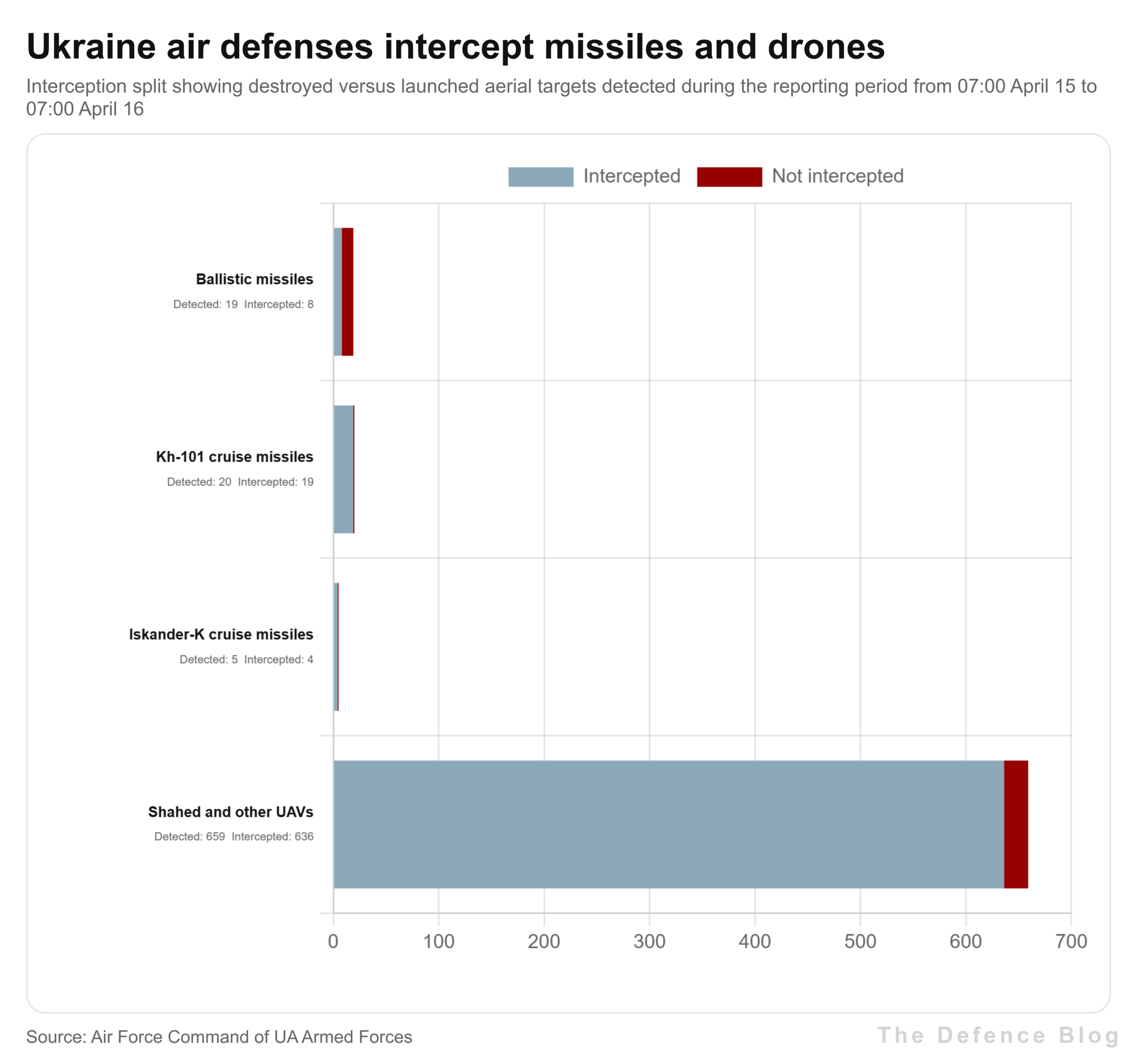
Money matters in war, but not all money matters on the same timeline. Brussels can approve another package in one meeting. It cannot manufacture time. Reuters' reporting on the new EU package matters politically because it signals that European governments are still willing to pay. Operationally, however, the immediate question is simpler: how many interceptors, launchers, radars and reloads reach Ukraine before the next Russian winter barrage?
That gap between financing and fielding is where Europe's rhetoric keeps colliding with reality. A budget commitment can underwrite future procurement, replenish donor stocks and fund contracts that matter in 2027 and 2028. Ukraine's problem is that Russia is shooting now. If a capital city is being hit every few days, a promise tied to procurement cycles is strategically useful but tactically late.
This is why the €6.1 billion headline should be read as a measure of European seriousness, but also as an admission of how long Europe took to treat the war as a long-duration industrial contest. Norway's decision, also highlighted on Monday, to plan another 85 billion kroner for 2027 points in the same direction. Europe is finally budgeting for endurance. It still has not solved the delivery tempo that endurance requires.
Why Patriots Matter More Than Another Press Release
The Patriot system remains the centre of this problem because it is one of the few Western systems with a credible role against the kinds of ballistic threats Russia increasingly uses against Ukrainian cities. Raytheon says the Global Patriot air and missile defence system combines radars, command-and-control technology and multiple interceptor types to defeat tactical ballistic missiles, cruise missiles, drones and advanced aircraft. It is also not a boutique weapon: Patriot is used by 19 nations, and more than 240 Patriot fire units have been delivered worldwide.
Those numbers sound comforting until you remember what they imply. Patriot is globally distributed, globally demanded and politically hard to transfer. Every interceptor sent to Ukraine comes from an inventory another government already considers insufficient. That is why Europe's Ukraine problem is not just financial. It is distributive. The alliance has to decide which risk it fears more: thinner national stocks now, or a more vulnerable Ukraine this winter.
Al Jazeera's reporting from Kyiv captured the urgency clearly. Zelenskyy says deliveries have fallen even as Russian attacks intensify. Reuters reported earlier this month that allies had supplied only about a third of the air-defence missiles Ukraine received in 2026 compared with 2025, while Russia was striking Kyiv on average every three days in July. That is what a losing interceptor equation looks like before winter even starts.
Europe's Real Shortage Is Political Permission
Everyone in Brussels likes to talk about production bottlenecks, and those bottlenecks are real. But Europe also has a permission problem. Transferring money is easier than transferring the scarce systems that matter most. Patriot batteries are embedded in national defence plans, tied to domestic politics, and protected by the logic of worst-case planning. The result is predictable: governments prefer collective funds because funds spread responsibility, while actual interceptor transfers concentrate political risk.
That is why Monday's package is both good news and bad news for Ukraine. The good news is obvious. Europe is not walking away, and another €6.1 billion means ammunition contracts, procurement support and military sustainment can continue. The bad news is that cash cannot intercept a ballistic missile over Kyiv. Only systems already built, already transferred and already integrated can do that.
There is also an uncomfortable alliance point here. Europe still depends heavily on U.S.-designed architecture for the highest end of air and missile defence. That dependence is not just technical; it is strategic. As long as the most urgent question in Kyiv is how many Patriots Washington and European operators are willing to free up, Europe cannot honestly claim it has built autonomous protection for its own eastern security frontier.
What to Watch Before Winter
The next meaningful signal will not be another declaration of solidarity. It will be whether European governments move from pooled money to painful transfers. Watch for three things: first, whether countries operating Patriot systems release additional interceptors from their own stocks; second, whether Europe can accelerate the reload and maintenance chain rather than only the announcement cycle; and third, whether Ukraine gets a predictable winter pipeline instead of another month-to-month scramble.
The €6.1 billion package is real, and Europe deserves credit for approving it. But the harsher truth is that the package also exposes how the continent still thinks about war. Europe is behaving like a rich coalition trying to catch up with events it should already have planned for. If Kyiv enters winter still bargaining for Patriot missiles one emergency meeting at a time, then the problem is no longer whether Europe supports Ukraine. The problem is that Europe still cannot turn money into protection at the speed this war demands.
Ukraine is requesting additional air defense systems, particularly 300 Patriot interceptors, to counter intensified Russian missile attacks. The European Union has approved €6.1 billion for Ukraine's defense, but the delivery of interceptors remains slow. Current projections suggest only 264 interceptors will be available by 2026, despite Ukraine receiving 675 missiles in 2023. The urgency for effective air defense is critical as Russian strikes continue to escalate.
- The EU approved €6.1 billion for Ukraine's defense.
- Ukraine requires at least 300 Patriot interceptors for winter.
- Current projections indicate only 264 interceptors will be available by 2026.
- Ukraine received 675 Patriot missiles in 2023 and 364 in 2025.
- European governments face challenges in transferring military equipment despite financial commitments.