
Fake Negotiations, Real Preparations: Insiders Say US and Israel Have Long Conspired to Attack Iran

The U.S. and Israel launched military strikes against Iran just as indirect diplomatic negotiations between the U.S. and Iran were taking place. Reports indicate that over the past few weeks, the U.S. has been continuously strengthening its military deployment in the Middle East and supplying Israel with a large amount of weapons. Sources say that the U.S. and Israel had secretly planned military operations long before, and the negotiations with Iran were merely a "pretext" to buy time for military action.
According to U.S. sources, the U.S. and Israel have been jointly preparing for this operation for several weeks. Reports state that as early as late December last year, Israeli Prime Minister Netanyahu told U.S. President Trump during a visit to the U.S. that Iran was advancing its ballistic missile program and restarting its nuclear capabilities. Trump indicated at the time that he would support Israel in taking military action to destroy Iran's missile facilities again.

In January of this year, preparations for the joint U.S.-Israel operation entered an accelerated phase. In the following weeks, the U.S. gradually deployed military forces in the Middle East. Israeli military and intelligence officials also frequently flew to Washington to formulate plans.
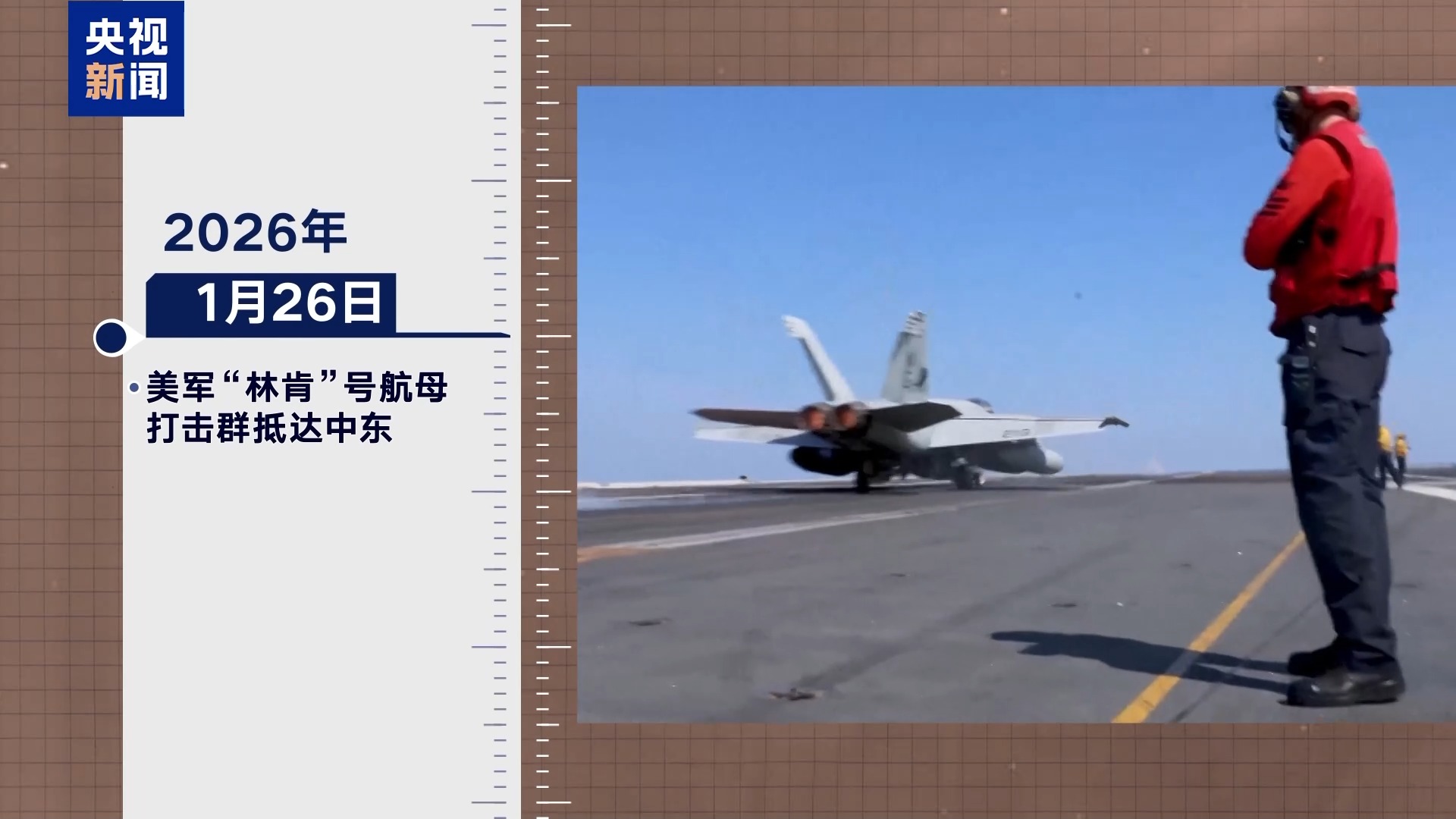
On January 26, the U.S. Navy's USS Lincoln carrier strike group arrived in the Middle East. On January 30, the U.S. government approved a $6.67 billion arms sale to Israel, which included 30 Apache attack helicopters and related equipment and weapons, as well as 3,250 light tactical vehicles.

Meanwhile, indirect negotiations between the U.S. and Iran began. On February 6 and 17, the two sides held the first two rounds of talks in Muscat, Oman, and Geneva, Switzerland, respectively. However, reports indicate that U.S. military deployments continued to strengthen during the negotiations—within a week after the second round of talks, the U.S. sent over 150 military aircraft to bases in Europe and the Middle East; on February 24, 11 F-22 stealth fighters arrived at a base in southern Israel.
There are also reports that the U.S. and Israel originally planned to strike Iran on February 21, but it was postponed for some reason.

On February 26, the third round of indirect negotiations between the U.S. and Iran was held in Geneva.

On the same day, the USS Ford aircraft carrier set sail from Greece towards the waters near Israel, forming a "dual carrier" layout in the Middle East with the USS Lincoln; 20 U.S. refueling aircraft were stationed at Ben Gurion Airport in Israel.
Israeli officials revealed that the "real purpose" of the third round of negotiations was to make the Iranian side believe that the U.S. prioritized diplomatic means, thus buying time for military action.

On February 27, the U.S. State Department announced that Secretary of State Rubio planned to visit Israel from March 2 to 3. Some analysts believe this move could also be a smokescreen, aimed at making Iran lower its guard before March 3.
The CIA secretly monitored Khamenei for months

One day later, the U.S. and Israel jointly launched strikes against Iran, resulting in the assassination of Iran's Supreme Leader Khamenei. According to multiple sources, for months, intelligence agencies from the U.S. and Israel, including the CIA, had been secretly monitoring Khamenei's movements. After receiving intelligence that Khamenei would meet with Iranian military and political leaders on February 28 in an office area in Tehran, the U.S. and Israel carried out a surprise operation against Iran.
Fake negotiations, real preparations for war; the U.S. loses global credibility
It is noteworthy that this military action occurred just as U.S.-Iran negotiations were reportedly making "good progress." As the prospect of a peaceful resolution to the crisis began to emerge, the U.S. and Israel insisted on pulling the trigger. As Russian Security Council Deputy Chairman Medvedev stated, "All negotiations with Iran are a cover-up, there is no doubt about it."
On March 1, some South Korean citizens protested in front of the U.S. Embassy in South Korea, stating that the U.S. actions were "unacceptable even to gangsters."

Protester Park Seok-yun: Launching such a sudden attack is something that even the gangster world cannot tolerate. During negotiations, they should have been at the negotiating table; it is truly excessive to insist on advancing strikes against Iran.

Researcher Bamu Nuri from the University of West London questioned in an article, where is the U.S. President's promise to "stop endless wars"? He stated that Trump's political image was built on opposing "endless wars" and criticizing the Iraq War.
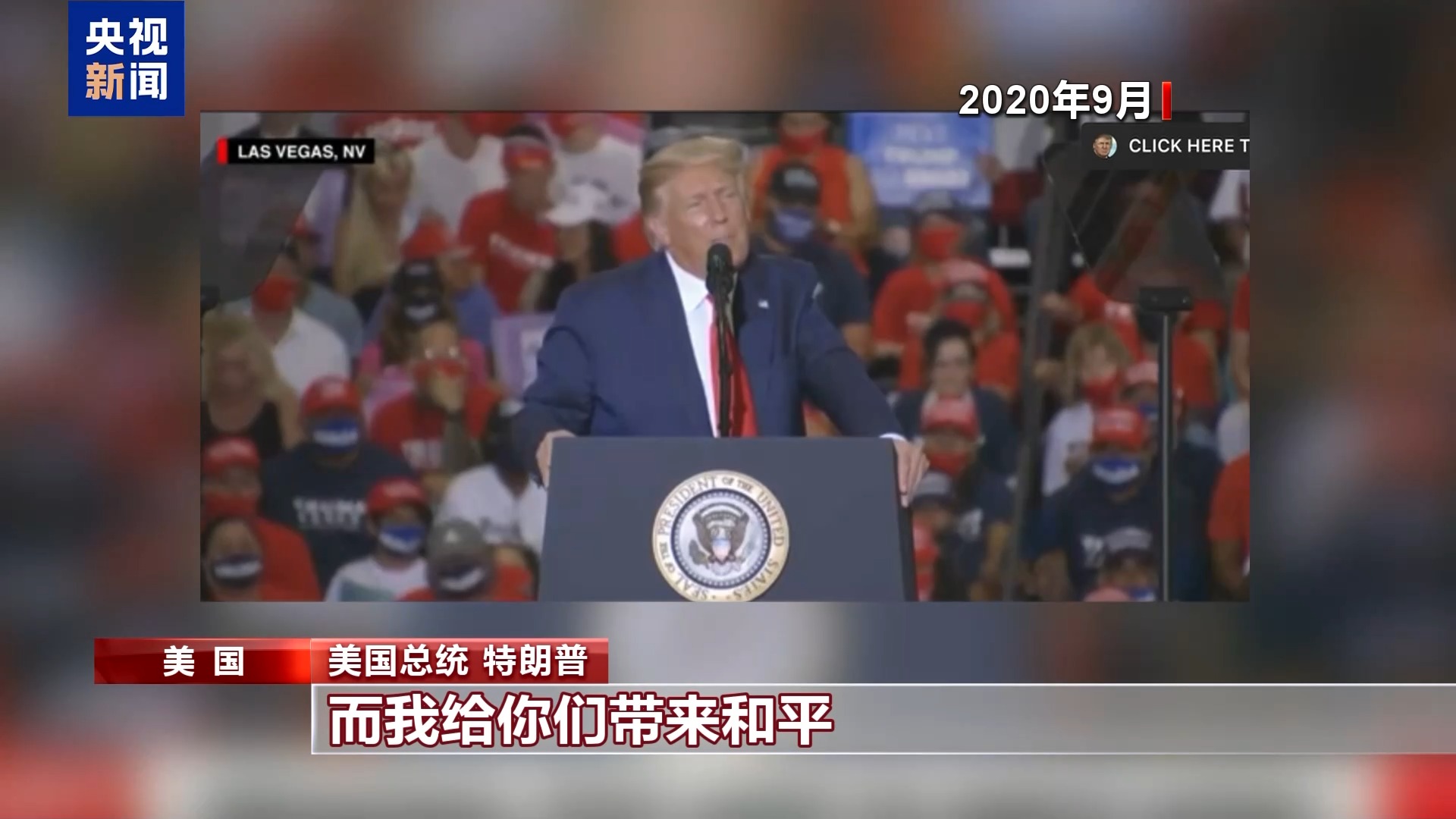
U.S. President Trump (September 2020): Biden brings you only endless wars, while I bring you peace. I am bringing the soldiers home; they are coming back.
Bamu Nuri also stated that the "America First" commitment entails strategic restraint, tough negotiations, and avoiding endless interventions. However, escalating military actions while diplomatic progress is being made is inconsistent with these principles, raising further questions about the true objectives of the U.S. strategy in the Middle East.

Thomas Greminger, a senior Swiss diplomat and director of the Geneva Center for Security Policy, criticized this as an abuse of diplomatic means to provide cover for military actions. He warned that in the future, countries negotiating with the U.S. would think twice before participating in negotiations.

Fyodor Lukyanov, academic director of the Valdai Discussion Club in Russia, stated that the assassination of Iran's Supreme Leader Khamenei has pushed international affairs to "a new dangerous height." He said this indicates that negotiations with the Americans are almost meaningless, as negotiations either demand complete surrender or serve as a cover for military strikes.
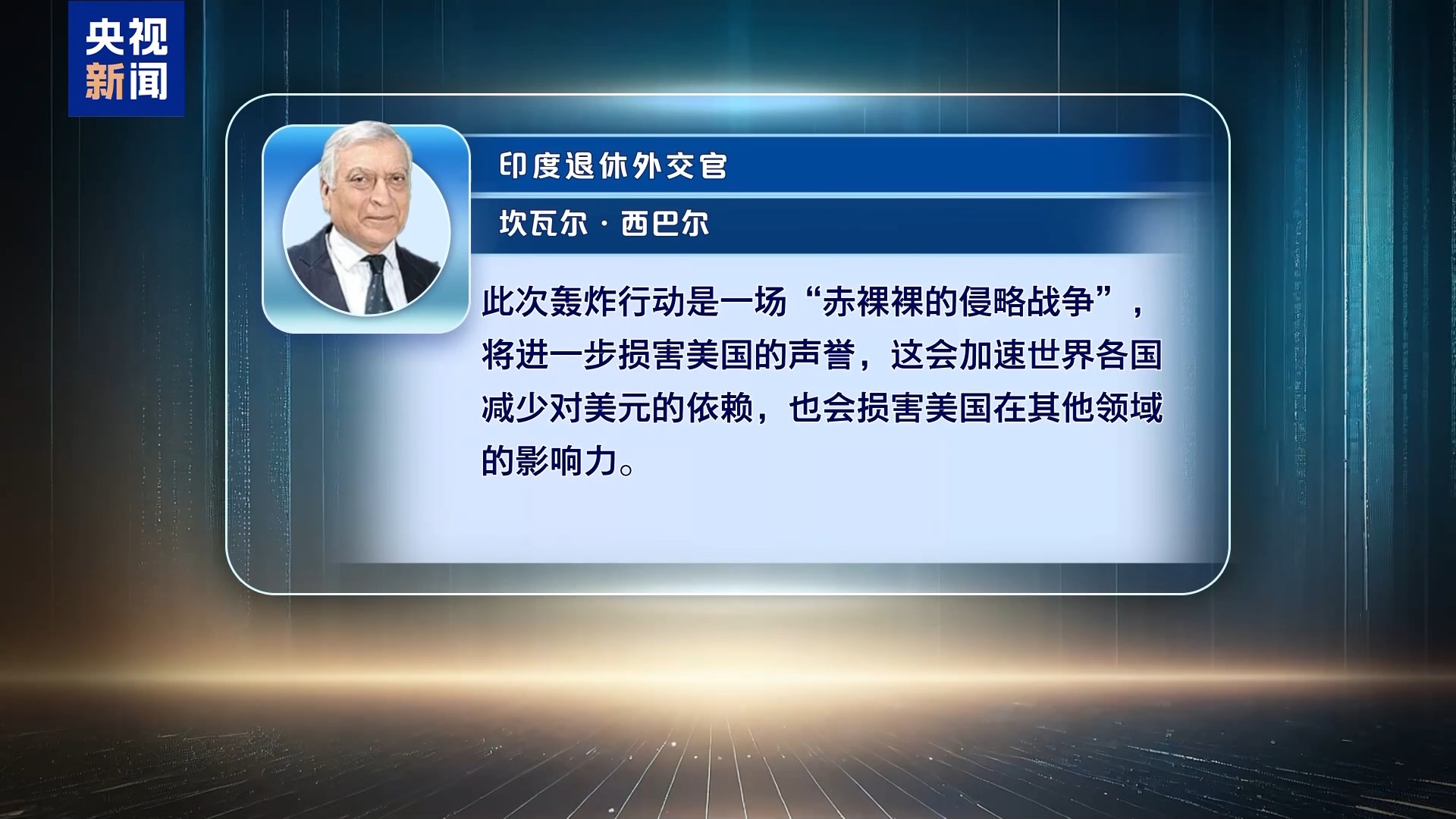
Retired Indian diplomat Kanwal Sibal stated that this bombing operation is a "blatant act of aggressive war" that will further damage the reputation of the U.S., accelerating countries around the world to reduce their dependence on the dollar and harming U.S. influence in other areas.
On February 28, 2023, U.S. and Israeli forces launched a military strike against Iran following months of intelligence monitoring. This action occurred amidst indirect diplomatic negotiations, with the U.S. having recently approved a significant arms sale to Israel. The strike was part of a broader military buildup in the region, including the deployment of aircraft carriers and tactical aircraft.
- U.S. and Israel planned military action against Iran while engaging in indirect negotiations.
- The U.S. approved a $6.67 billion arms sale to Israel, including Apache helicopters and tactical vehicles.
- U.S. military forces deployed in the Middle East, including the arrival of the Lincoln Carrier Strike Group.
- The strike on Iran occurred after months of intelligence monitoring of Iranian leadership.
- The military action was timed to coincide with diplomatic talks, raising questions about U.S. intentions.