
Russia's 2026 Sabotage Threat Is Exposing NATO's Eastern Civilian Gap
 Alexandra Reeves
Russia's 2026 Sabotage Threat Is Exposing NATO's Eastern Civilian Gap
Russia does not need to cross Poland's border to make NATO feel the war. It only needs to make a Polish town wonder whether the next alarm is a warning, a mistake, or the opening move of something worse.
That is the point Europe should take from Monday's warning by EU foreign-policy chief Kaja Kallas. Speaking before a meeting of EU defence ministers in Brussels, Kallas said intelligence indicated that Moscow was planning more acts of sabotage and attacks intended to divide European societies and intimidate governments into reducing support for Ukraine, according to Reuters reporting carried by The Independent.
The warning matters because it arrives alongside a physical problem that governments still describe too softly: the eastern flank is buying more missiles while its civilians remain unsure what to do when the sirens sound.
Poland Is Living With the Spillover
The geography is unforgiving. Dorohusk, a Polish community on the border with Ukraine, is roughly 2 kilometres from the Yahodyn crossing. Residents told The Independent that alerts have become a recurring feature of daily life. The crossing has been suspended during warnings, staff have been evacuated, and schools have moved children into basement rooms with windows boarded against blast fragments.
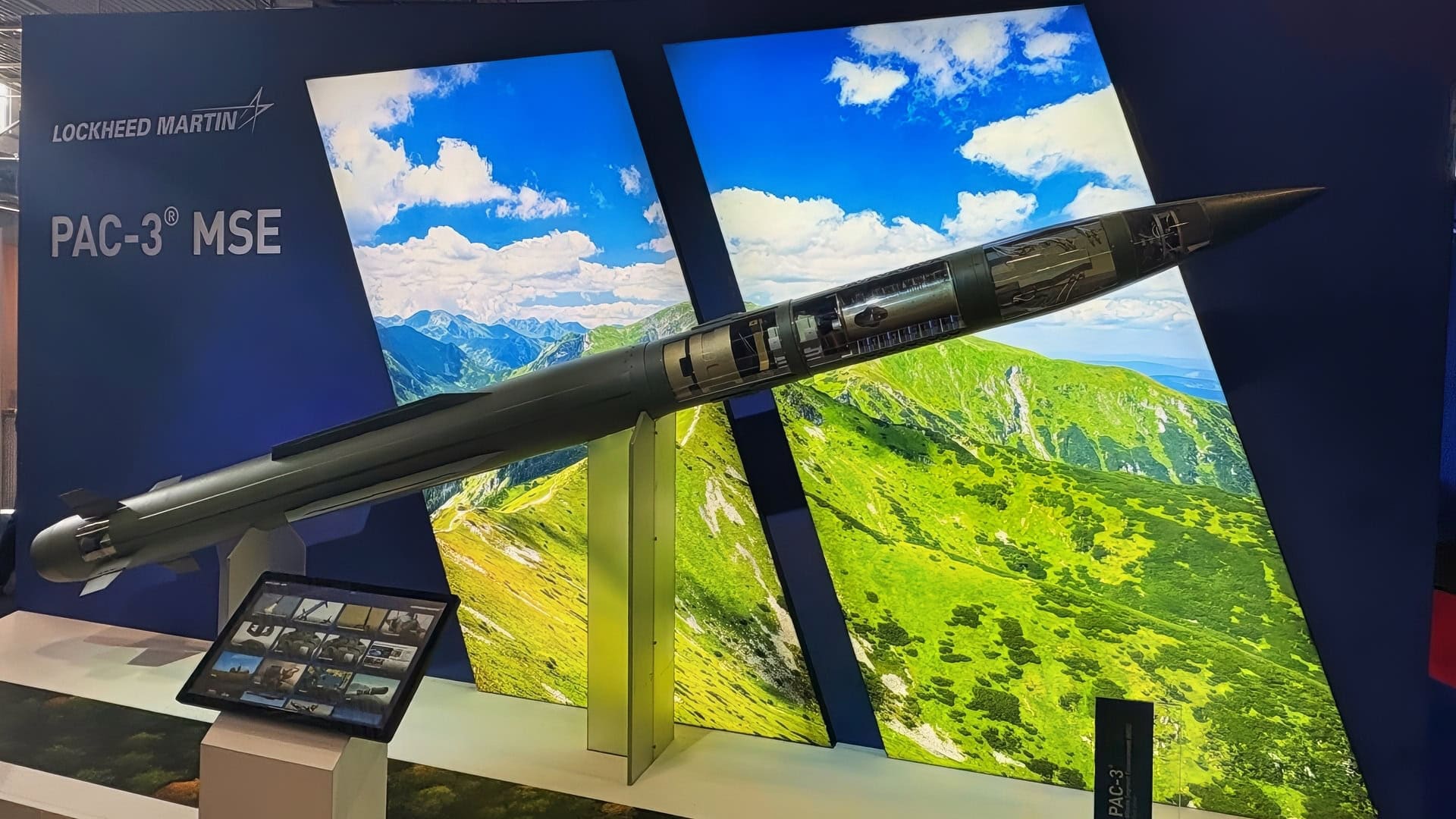
Poland has also deployed Patriot batteries in the two regions bordering Ukraine, the country's defence minister said. That is a rational military response. A Patriot battery can detect, track and engage selected aircraft and missiles through a network of radar, command systems and launchers; the PAC-3 MSE interceptor uses hit-to-kill technology and is designed particularly for ballistic-missile defence. But Patriot is not a magic shield. Its coverage depends on battery placement, radar horizon, interceptor stocks and the geometry of the incoming threat. It cannot stop sabotage teams, cyberattacks, arson or a panic amplified through social media.
That distinction is the heart of the problem. Europe has spent years measuring readiness in battalions, aircraft and interceptors. Moscow's pressure campaign is measured in disruption: a border crossing closed for an hour, a data network interrupted, a rumour that sends parents racing to collect children, or a small fire that forces a government to explain whether it was an accident.
The Hybrid Attack Is Cheaper Than the Missile
Russian forces are already demonstrating how physical strikes and information pressure can work together in Ukraine. On Monday, a guided aerial bomb hit an apartment building in Kharkiv, injuring 22 people including children, according to the city's mayor as reported by Reuters. Kyiv officials also reported drone damage, while Russian statements claimed strikes on Ukrainian data centres, logistics hubs and cargo vessels near Odesa. The claims come from opposing sides and should not be treated as an independently verified battle map. The broader pattern, however, is clear: infrastructure and public confidence are now part of the target set.
Europe should resist the comfortable habit of separating “military” threats from “civilian” ones. A drone that crosses near Polish airspace, a cyberattack on a railway operator and a false emergency message are not separate strategic categories if they produce the same political effect: hesitation. The attacker wants officials to spend the first hours arguing over attribution while citizens decide whether institutions can protect them.
This is where Kallas's warning becomes more than another statement about Russian malign activity. If the intelligence is right, Moscow is trying to turn Western assistance to Ukraine into a domestic political liability. The intended audience is not only a defence ministry. It is the parent at the school, the truck driver at the border and the voter who sees repeated alerts but no obvious line between war and peace.
NATO's Air Defence Cannot Carry the Whole Burden
Patriot and other air-defence systems remain indispensable. The war in Ukraine has shown that cruise missiles, ballistic missiles and one-way attack drones can arrive in overlapping waves, forcing defenders to make expensive choices about what to intercept. A PAC-3 MSE round is a sophisticated answer to a narrow class of threats; it is not an answer to every cheap drone, anonymous saboteur or manipulated video.
That creates a procurement trap. NATO members can spend billions on exquisite interceptors and still leave the public-facing layer of resilience underfunded. Poland's eastern communities need reliable warning protocols, functioning shelters, trained school staff, redundant communications and a clear rule for when an alert is local rather than national. Those are not soft measures. They are the infrastructure that prevents a limited incident from becoming a strategic success for Moscow.
The alliance also needs a faster attribution-and-response process. If every suspicious event becomes a week-long debate about whether it was Russian, criminal or accidental, the ambiguity itself becomes an operational advantage. Governments do not need to publish sensitive intelligence, but they do need to explain enough, quickly enough, to prevent the information vacuum from being filled by hostile narratives.
The Uncomfortable Lesson for Europe
Europe has become better at announcing defence spending than at explaining what defence is supposed to feel like for ordinary people. A Patriot launcher near the border is visible reassurance. A school basement, an emergency text that works and a railway that can keep operating under cyberattack are less photogenic, but they are what resilience actually looks like.
The immediate test is whether Poland and its allies can turn Kallas's warning into practical preparation before an incident forces them to improvise. Watch for three things: new civil-defence guidance in eastern NATO states, stronger protection for transport and telecommunications nodes, and a public attribution mechanism that does not wait for perfect certainty.
Russia's advantage is not that it can overwhelm NATO conventionally. It is that it can make every small disruption politically exhausting. NATO can deploy more Patriot batteries, but if citizens still do not know where to go when the alarm sounds, Europe will have defended the sky while leaving the ground psychologically exposed.
Sources
- The Independent live coverage, including Reuters reporting, 28 September 2026
- Reuters reporting on Russian strikes and EU warnings, as reproduced in The Independent coverage above
- Mediazona and BBC Russian reporting on independently identified Russian military deaths, cited in the same 28 September coverage
Russia is planning acts of sabotage to intimidate NATO and divide European societies, particularly affecting Poland. Alerts have become common in Dorohusk, where residents face ongoing threats. The Polish government has deployed Patriot batteries to enhance defense, but the report highlights the need for improved civil defense measures to protect civilians and maintain public confidence.
- Russia is planning more acts of sabotage against NATO.
- Poland is experiencing recurring alerts and evacuations due to threats.
- Patriot batteries have been deployed in Poland to counter potential threats.
- Russian forces are using a combination of physical strikes and information pressure in Ukraine.
- The report emphasizes the need for better civil defense measures in NATO countries.