
For the first time since World War II! Japan's Self-Defense Forces will land in the Philippines to participate in joint US-Philippines exercises.
[Global Times Comprehensive Report] The French "Naval News" website reported on the 24th that Japanese combat personnel will set foot on Philippine soil for the first time since the end of World War II to participate in the largest "Shoulder-to-Shoulder" joint exercise between the Philippines and the United States.
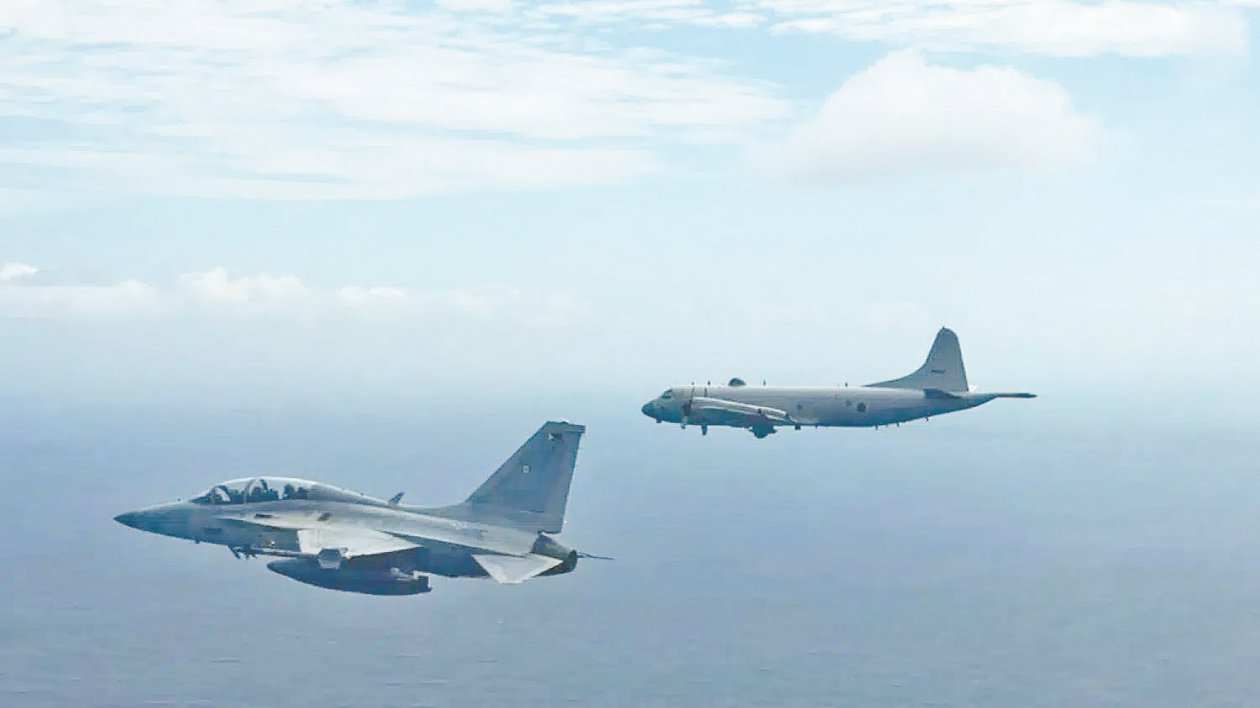
According to reports, Philippine Armed Forces Commander Romeo Brawner stated in an interview on the 24th that the Japan Self-Defense Forces will send a "large contingent" to participate in this year's US-Philippines "Shoulder-to-Shoulder" exercise. Philippine media reported that Japan will send about 1,000 Self-Defense Forces personnel to the Philippines for the exercise. This marks the first time since World War II that Japan has dispatched combat troops to the Philippines, signifying a significant upgrade in bilateral security relations. Brawner stated, "After 81 years, this is the first time we have seen Japanese combat troops on Philippine soil. Previously, we stood on opposing sides in war, and this time we are on the same front."
It is reported that the "Shoulder-to-Shoulder" exercise is the largest and most important annual joint military exercise between the US and the Philippines. In recent years, the content of the exercises has evolved from earlier counter-terrorism training to high-intensity combat subjects such as maritime security, amphibious landings, live-fire exercises, and even cyber offense and defense. The exercise locations have shifted from southern Philippines to the western part of Luzon Island facing the South China Sea (such as Zambales Province) and the Batanes Islands near Taiwan. In 2024, the exercise will expand for the first time into the South China Sea. The Philippine side claims that this year's "Shoulder-to-Shoulder" joint exercise will be "the largest in history," with participating countries including the US, the Philippines, and Japan, as well as Australia, France, Canada, and New Zealand, with 18 other countries sending observers.
It is noteworthy that Japan has been continuously strengthening defense cooperation with the Philippines in recent years, including sending observers to previous "Shoulder-to-Shoulder" joint exercises and conducting joint exercises with the Philippines in the South China Sea. For example, in February 2026, Japan, the US, and the Philippines conducted the 15th "Multilateral Maritime Cooperation Activity" in the South China Sea, where Japan deployed P-3 anti-submarine patrol aircraft to conduct anti-submarine warfare exercises, joint aerial patrols, and live-fire exercises with US and Philippine naval and air forces.
At the same time, Japan has signed two important agreements with the Philippines to lay the foundation for strengthening defense cooperation. The "Reciprocal Access Agreement," which officially took effect on September 11, 2025, is the cornerstone of military cooperation between the two sides. It greatly simplifies the deployment procedures for the Japan Self-Defense Forces and the Philippine military to conduct joint exercises, training, and disaster relief on each other's territory, allowing larger-scale troops and equipment to enter each other's countries. The "Mutual Provision of Supplies and Services Agreement," signed on January 15, 2026, further allows both Japan and the Philippines to provide each other with ammunition, fuel, food, and other supplies during joint training or disaster relief operations.
In addition, Japan has provided a large amount of weaponry and equipment to the Philippines, taking the opportunity to break through Japan's weapon export restrictions. The coastal surveillance radar system provided by Japan arrived in the Philippines and was officially delivered in March 2026. This batch of radars will be deployed in key areas such as northern Luzon Island facing the South China Sea, aiming to enhance the Philippines' situational awareness capabilities in surrounding waters. Japan has also provided several patrol vessels to the Philippine Coast Guard, becoming the main equipment for the Philippines to confront China in the South China Sea. The Philippine Navy is currently considering acquiring retired "Abukuma" class frigates from Japan. If this agreement is realized, it would mean Japan further loosening restrictions on the export of lethal weapons.
In response to the Philippines' introduction of external forces and non-parties regarding the South China Sea issue, a spokesperson for the Chinese Ministry of Defense has repeatedly stated that China opposes showcasing military power and provoking trouble in the South China Sea, as well as forming cliques and opposing camps. The Chinese military is closely monitoring relevant developments and will take strong and effective measures to resolutely respond, ensuring that chaos is not allowed in the South China Sea. (Wu Yan)
Japan Self-Defense Forces will land in the Philippines in 2024 to participate in joint military exercises with the U.S. and Philippine armed forces, marking the first deployment of Japanese combat troops to the Philippines since World War II. The exercises, described as the largest in history, will also involve forces from Australia, France, Canada, and New Zealand, reflecting a significant upgrade in bilateral security relations.
- Japan Self-Defense Forces will send approximately 1000 personnel to the Philippines for joint exercises with the U.S. and Philippines.
- This marks the first deployment of Japanese combat troops to the Philippines since World War II.
- The joint exercises are the largest in history, involving multiple nations including Australia, France, Canada, and New Zealand.
- Japan has been strengthening defense cooperation with the Philippines, including recent military agreements.