
Germany 2026 BARS Drone Deal Puts Ukraine in Charge
 Alexandra Reeves
Germany 2026 BARS Drone Deal Puts Ukraine in Charge
Berlin has found a way to help Ukraine strike deep without pretending Germany owns the war. That is the real story behind the new BARS drone implementation agreement signed by Ukrainian Foreign Minister Andrii Sybiha and German Defence Minister Boris Pistorius on the sidelines of the NATO summit in Ankara.
On X, Sybiha said the deal was concluded under the Build with Ukraine initiative after joint work by the Ukrainian and German defence ministries. Germany will finance production in the first phase, and every system produced will go to Ukraine Defence Forces. That last point matters. This is not Germany buying a Ukrainian weapon for German trials, nor a classic Western aid transfer from old stockpiles. It is Berlin paying for Ukrainian industry to build a Ukrainian long-range strike system for immediate Ukrainian use.
The Deal Is About Control
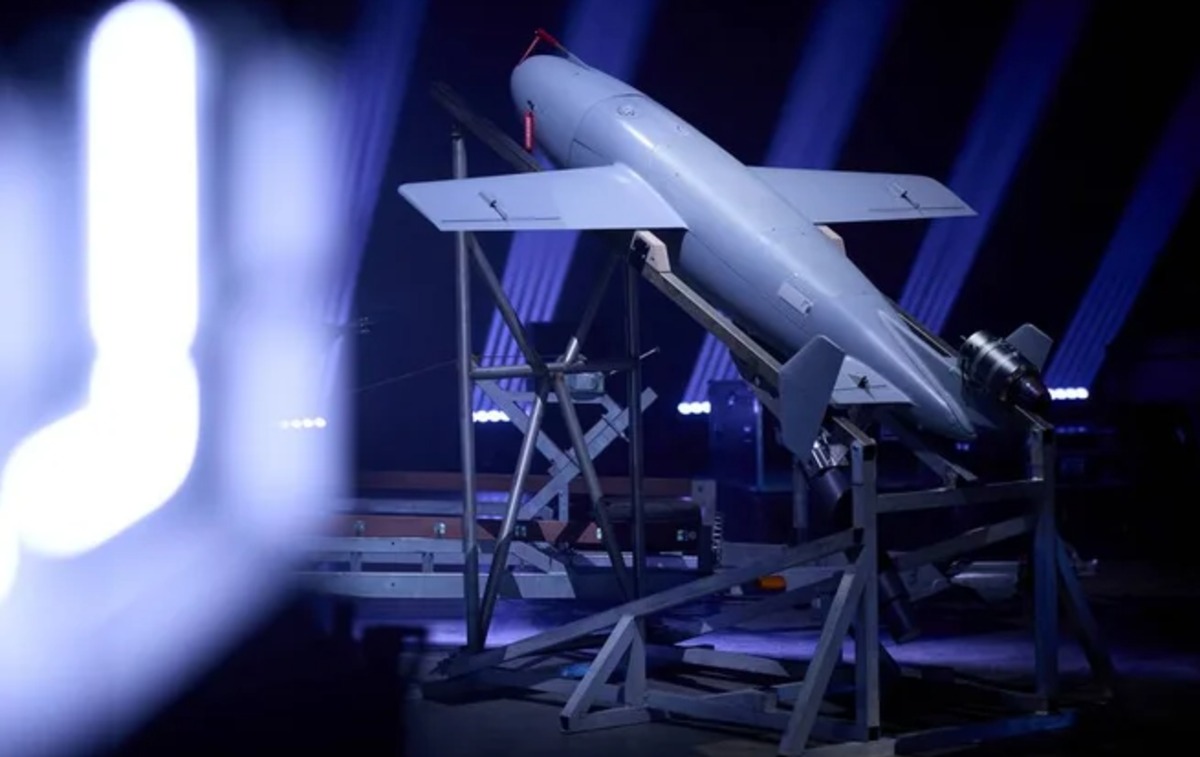
BARS is still a guarded programme. Defence Blog reported that Ukraine first publicly acknowledged it in 2025, when then Strategic Industries Minister Herman Smetanin listed BARS among several missile-drone projects without giving away its specifications. Ukrainian defence reporting has described it as a jet-powered strike drone intended for long-range attacks against military targets deep inside Russia. The official German-Ukrainian announcement did not disclose range, speed, warhead size, production numbers, or unit cost.
That silence is useful. Ukraine has learned the hard way that public specifications can become Russian targeting data. For now, the most important specifications are the ones the announcement did reveal: the weapon will be produced through Ukrainian industry, financed by Germany, and delivered to Ukrainian forces. In a war where air defence missiles, Western cruise missiles, and artillery shells all arrive through politically fragile supply chains, that structure is almost as important as the airframe.
Why Germany Chose a Ukrainian Weapon
The obvious answer is speed. Europe can announce factory expansions all day, but most new missile and air-defence capacity still arrives on a calendar measured in years. Ukraine, by contrast, has built an adaptive drone sector under fire. It can iterate designs, test them in combat, and feed lessons back into production faster than most NATO procurement offices can finish a requirements document.
That does not mean Ukrainian drones are magic. Long-range one-way systems face jamming, interception, navigation problems, production bottlenecks, and uncertain battle damage assessment. They are not a substitute for ATACMS, Storm Shadow, Taurus, or air-launched cruise missiles. They are cheaper, more numerous, politically easier to scale, and good enough to force Russia to defend a much larger rear area.
That is the point. A BARS strike does not need to destroy every target it reaches. It needs to make Russian commanders spend more interceptors, disperse aircraft, harden depots, move repair capacity, and worry about infrastructure once considered safely behind the war. The military effect is cumulative. So is the psychological one.
The Political Bet Is Not Small
Germany has spent much of the war trying to support Ukraine while managing escalation anxiety at home. Financing BARS production moves Berlin further into the deep-strike argument, even if the system itself is Ukrainian. The distinction will matter in Bundestag debates, but Moscow will not be impressed by legal neatness. Russia will see German money helping produce weapons that can reach Russian military infrastructure.
That is why this deal deserves more attention than another headline about tanks or air-defence interceptors. Berlin is not merely donating equipment. It is underwriting a Ukrainian strike ecosystem that sits outside the most sensitive Western export-control debate. If the drone is Ukrainian-designed and produced for Ukraine, then the old argument over whether Germany should release a particular German missile becomes less central.
Here is the uncomfortable part for NATO: Ukraine may be building the model that Europe should have built years ago. Distributed production, short update cycles, battlefield feedback, and cheap long-range mass are not exotic concepts anymore. They are the price of surviving against a larger adversary with missile depth and industrial patience.
What to Watch Next
The first thing to watch is whether Germany treats this as a one-off political gesture or a repeatable procurement channel. Sybiha described first-phase financing, which implies there may be later phases if the line performs. If deliveries begin quickly and operational results follow, other European governments will face an obvious question: why send money through slow national procurement when Ukrainian firms can turn it into weapons already adapted to the war?
The second thing to watch is Russian adaptation. More Ukrainian deep-strike drones will push Moscow toward layered point defence around airfields, refineries, ammunition sites, and command nodes. That defensive burden is expensive. It also pulls systems away from other missions.
The third thing is German politics. Pistorius has been one of the more serious voices in Europe on defence readiness, but German strategic culture still moves slowly when the words long range and Russia appear in the same sentence. The BARS agreement is therefore a test of whether Berlin can accept a harder truth: deterrence in 2026 is not just about owning exquisite weapons. It is about helping the country already fighting Russia build enough imperfect weapons to make Moscow bleed choices every week.
Germany is still not giving Ukraine everything it wants. But with BARS, Berlin is doing something more interesting than writing another pledge. It is buying into Ukrainian control of the deep-strike problem. If that works, Europe may discover that the future of its defence industry is being prototyped under Russian fire, not in another conference hall.
Germany signed a deal with Ukraine in 2026 to produce BARS drones, enhancing Ukraine's long-range strike capabilities. The agreement, made during the NATO summit in Ankara, involves German financing for Ukrainian production, with all systems delivered to the Ukrainian Defence Forces. This move marks a significant shift in Germany's military support strategy, allowing Ukraine to control its deep-strike capabilities against Russian targets.
- Germany signed a deal with Ukraine for the production of BARS drones.
- The deal was concluded under the Build with Ukraine initiative.
- Germany will finance the production of the drones, which will be used by the Ukrainian Defence Forces.
- The BARS drone is intended for long-range attacks against military targets in Russia.
- The deal signifies a shift in Germany's military support strategy towards Ukraine.