
Germany's €11.5 Billion Ukraine Aid in 2026 Highlights NATO's Funding Problem Despite €70 Billion Commitment
 Dr. Klaus Weber
Germany's €11.5 Billion Ukraine Aid 2026 Highlights NATO's Funding Problem Despite €70 Billion Commitment
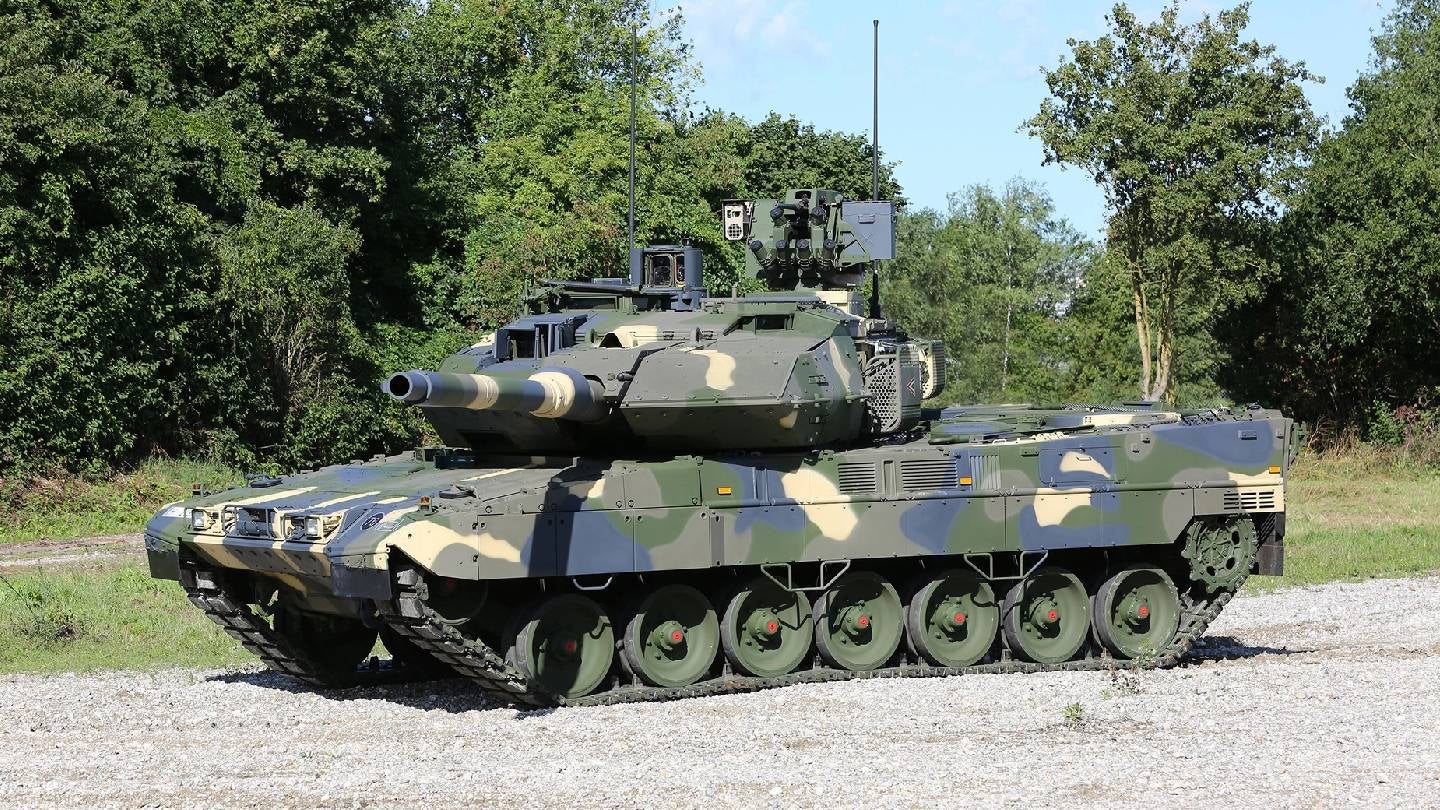
€11.5 billion for Ukraine in the German budget for 2026 initially sounds like a clear response to Washington's withdrawal. However, this figure illustrates the European problem more precisely than any summit declaration: Berlin can now take on debt to finance military aid, but Europe still cannot reliably determine whether money will timely translate into artillery ammunition, air defense, drone defense, and armored vehicles.
According to reports on the coalition's budget negotiations, German aid for Ukraine is set to rise to a record €11.5 billion in the draft for 2026. This includes artillery, drones, armored vehicles, and two Patriot air defense systems. At the same time, NATO set a political target at the Ankara summit: at least €70 billion in military support, equipment, and training for Ukraine this year and a comparable level in 2027. This is more than just symbolic politics. But it is still not a supply chain.
The New German Exception to the Debt Brake
The crucial point lies not only in the amount of the German commitment but in its budgetary construction. The budget negotiations foresee total expenditures of around €524.5 billion and new debts of over €180 billion. This was made possible by the reform that largely exempts defense spending and Ukraine aid from the German debt brake. In the old Federal Republic, such a construction would have been politically inconceivable. In the Federal Republic after the turning point, it has become a prerequisite for Berlin to remain strategically capable of action.
This is progress. But it has an unpleasant side effect: Germany is institutionalizing Ukraine aid through credit leeway, not through a reformed European procurement order. The funding source is stabilized nationally, while industrial implementation remains limited by fragmented orders, tight production lines, and American key components. For a state with a German budget culture, this is already a small revolution. For a war economy, it is still too slow.
€70 Billion NATO Aid is a Political Number
The Ankara declaration is important from a European perspective because it aims to make aid for Ukraine more predictable beyond 2026. NATO Secretary General Mark Rutte spoke of at least €70 billion for 2026 and equivalent support in 2027; European allies and Canada are now financing the majority of security support for Kyiv, according to the declaration. This acknowledges a reality that many European governments have long sought to avoid: Ukraine aid is no longer primarily an American-led operation with European involvement. It is increasingly a European main task with American residual capabilities.
But a political number does not answer an industrial question. When an alliance commits €70 billion, it must be clarified what portion finances new production, what portion replaces old stocks, what portion purchases American systems through PURL, and what portion actually reaches Ukrainian forces in 2026. Without this distinction, the familiar European self-deception arises: input is confused with capability. Money is counted before effect is measured.
Ukraine Does Not Need Budget Aesthetics
Kyiv's needs are brutally concrete. Air defense remains the bottleneck because Russia is overwhelming civilian infrastructure, energy facilities, and cities with drones, cruise missiles, and ballistic missiles. Artillery ammunition and precision weapons do not determine press conferences but rather fire density. Armored vehicles are not just symbols of Western solidarity; they are replacements for losses and prerequisites for mobile defense. When Germany finances two Patriot systems, IRIS-T components, drones, or artillery, it is not about European rhetoric but about calendar weeks at the front.
Here lies the institutional weakness. Berlin can provide more money in the 2026 budget. NATO can formulate an alliance number. The EU can discuss loans, frozen Russian assets, and joint financing instruments. However, these three levels remain insufficiently synchronized. The Bundestag decides on German funds. NATO coordinates political burden-sharing. The EU negotiates financing mechanisms and industrial policy. In contrast, the Ukrainian army needs integrated supply chains, multi-year contracts, and reliable production windows.
Germany's Special Role is Real but Limited
Germany is now the largest military supporter of Ukraine in absolute numbers after the USA. The federal government estimates the military support provided or planned since 2022 at around €55.5 billion; nearly 26,000 Ukrainian soldiers have been trained in Germany. This is no small feat and should not be downplayed in the German debate.
Nevertheless, Germany's leadership role remains defensive. Berlin finances a lot but hesitates in strategic prioritization. It reacts to gaps rather than leading European production architecture. The special fund has already been heavily tied up in previous years by replacement procurements and Bundeswehr catch-up needs. Now, Ukraine aid is stabilized through the exception rule of the debt brake. This is budgetarily sensible but strategically incomplete as long as procurement is not Europeanized as much as the burden rhetoric.
The Real Problem is Commitment
An annual NATO commitment of €70 billion can only be more than a summit promise if it is translated into verifiable national quotas, product groups, and delivery dates. For Ukraine, it does not matter whether an amount appears politically impressive. What matters is whether air defense ammunition is available in winter, whether 155mm shells arrive in sufficient quantity, whether drone defense systems are procured in series, and whether armored vehicles are replaced before brigades are depleted.
Germany has taken an important step with the €11.5 billion approach. But it does not solve the fundamental European problem. Europe's new defense readiness has become financially more visible, but institutionally it is still underdeveloped. More debt can enable more weapons. They do not guarantee them. This is precisely the paradox of European Ukraine aid in 2026: For the first time, money is available in relevant amounts, yet the ability to generate military effect from it in a timely manner remains the real strategic test.
Sources
- POLITICO Europe, report on the German budget draft 2026 and the increase of Ukraine aid to €11.5 billion.
- EFE, report on the NATO summit in Ankara and the commitment of at least €70 billion in military support for Ukraine in 2026 and 2027.
- Federal Government, overview of German support for Ukraine, including around €55.5 billion in military aid and training of nearly 26,000 Ukrainian soldiers.
Germany plans to increase military aid to Ukraine to €11.5 billion in 2026, including artillery, drones, and air defense systems. NATO has committed to at least €70 billion in military support for Ukraine over the next two years. The report emphasizes the need for effective supply chains and production capabilities to meet Ukraine's urgent military needs.
- Germany plans to provide €11.5 billion in military aid to Ukraine in 2026.
- NATO has set a target of at least €70 billion in military support for Ukraine in 2026 and 2027.
- Germany's military support includes artillery, drones, armored vehicles, and air defense systems.
- The German government has trained nearly 26,000 Ukrainian soldiers since 2022.
- The report highlights the need for integrated supply chains and reliable production timelines for military aid.