
H-6K and KJ-500A Make Their Debut! China-Russia Joint Patrol Formation is Extremely Hardcore
On June 27, the air forces of China and Russia organized and conducted their eleventh joint aerial strategic cruise in the airspace of the Sea of Japan, the East China Sea, and the western Pacific Ocean, demonstrating their determination and capability to jointly maintain regional peace and stability. This joint cruise lasted approximately 6 hours, and some netizens asked: During the joint cruise, our country deployed early warning aircraft, refueling aircraft, bombers, and fighter jets. What are the characteristics of this formation? Let's take a look at the expert's interpretation.
Military commentator Zhang Xuefeng introduced that in this joint aerial strategic cruise, our side deployed a relatively high degree of systematic combat aircraft, among which the H-6K bomber is the main player in the aerial strategic cruise.
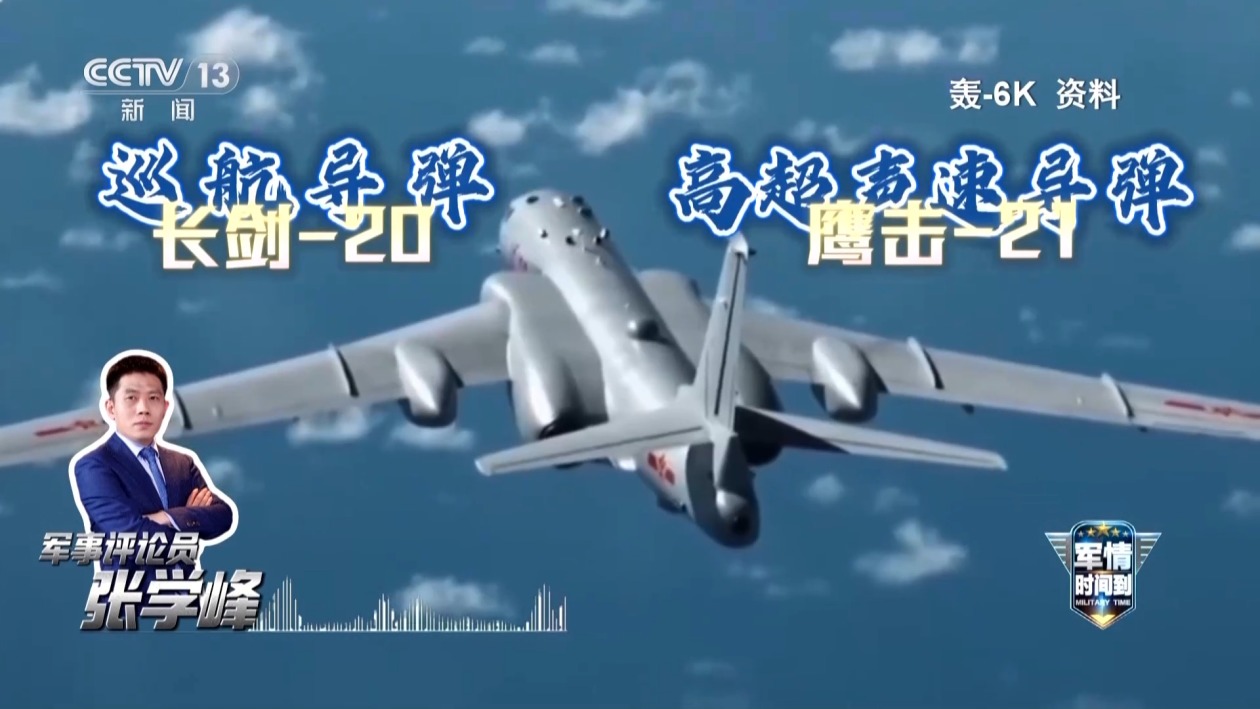
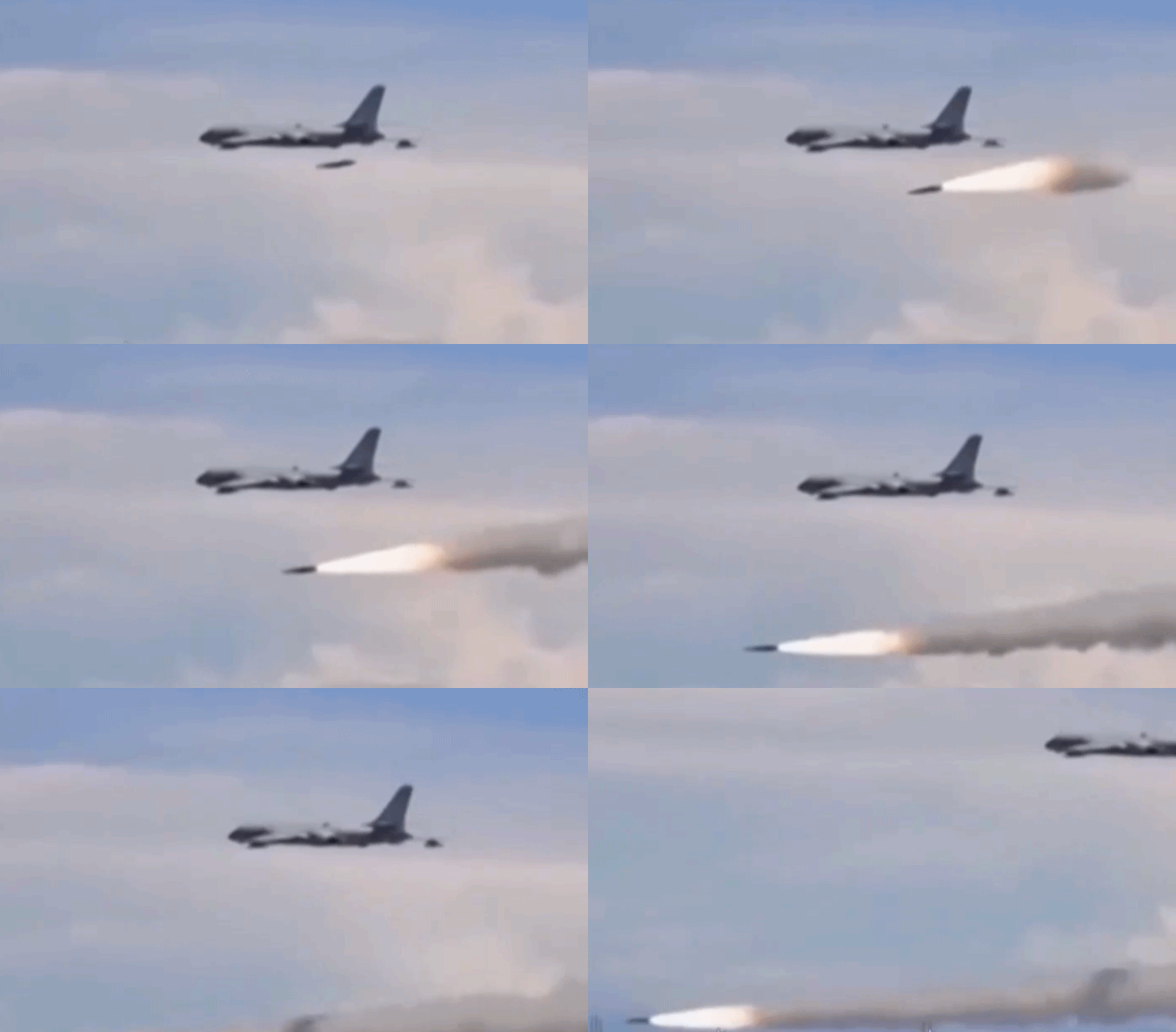
These bombers can carry Changjian-20 cruise missiles, YJ-21 hypersonic missiles, and other long-range airborne weapons, allowing them to launch missiles before being intercepted by the opponent.
During this cruise, they were equipped with large electronic warfare pods, primarily escorted by advanced fighter jets such as J-16, J-10C, J-11B.
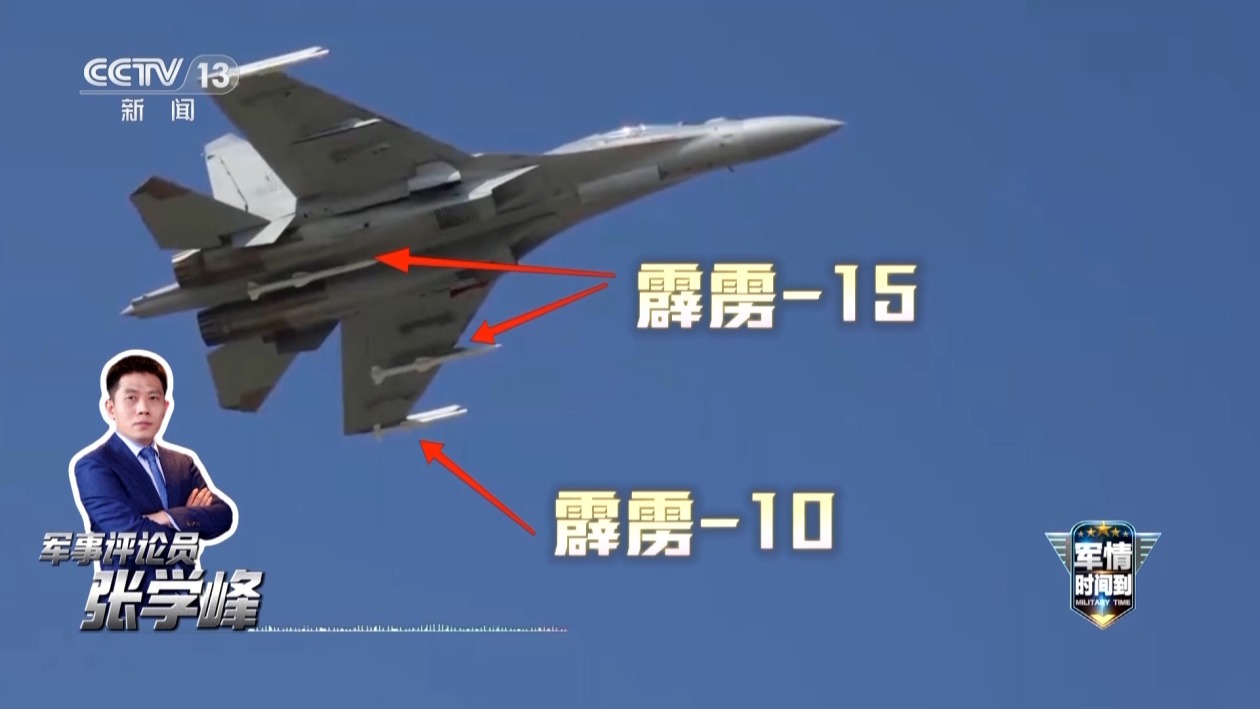
From the publicly released footage, we can see that the J-16 was armed with two PL-10 air-to-air missiles and two PL-15 air-to-air missiles, capable of effectively intercepting foreign aircraft attempting to harass us.
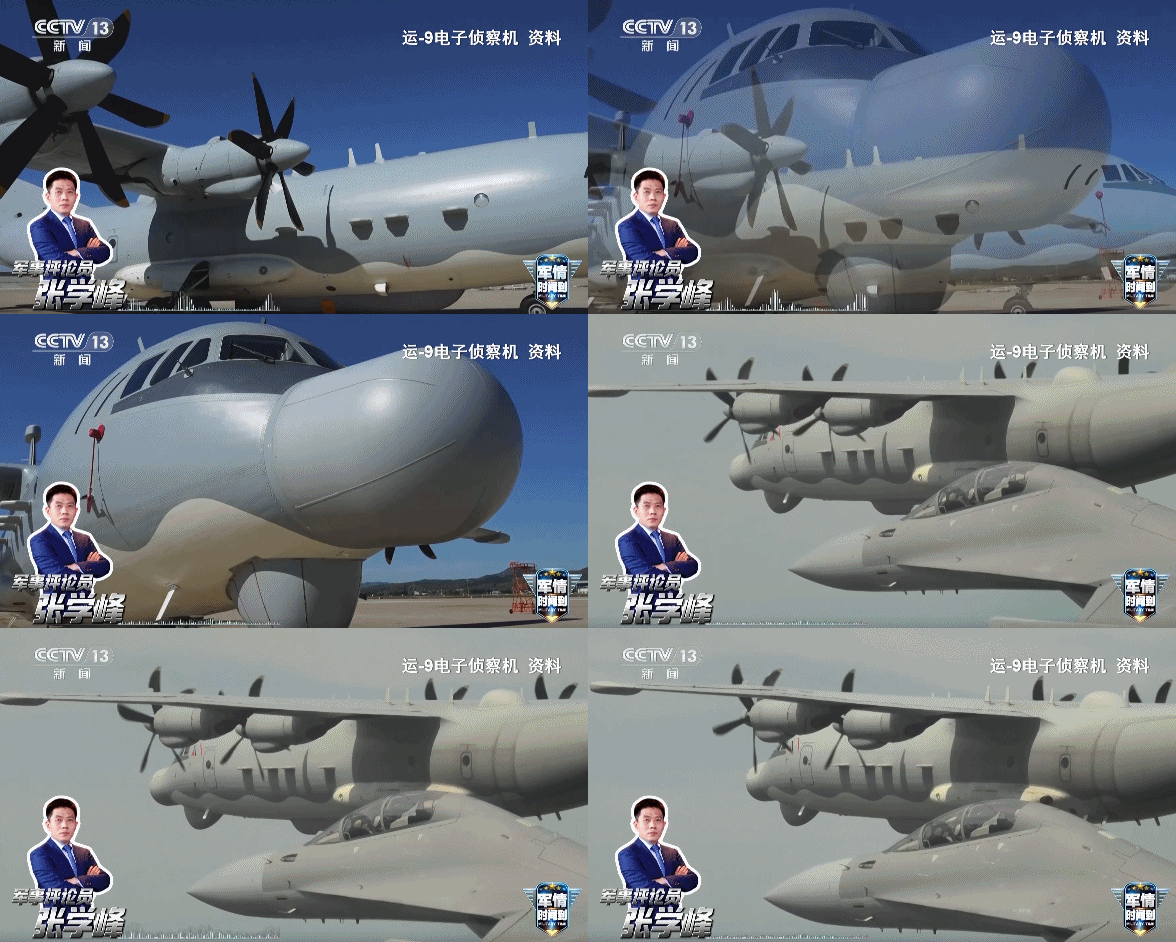
In addition, large electronic reconnaissance aircraft and electronic jamming aircraft were deployed to provide intelligence support, effectively intercepting foreign military radars attempting to detect and track us, analyzing and locating them, and jamming them when necessary to ensure the safety of our aircraft.
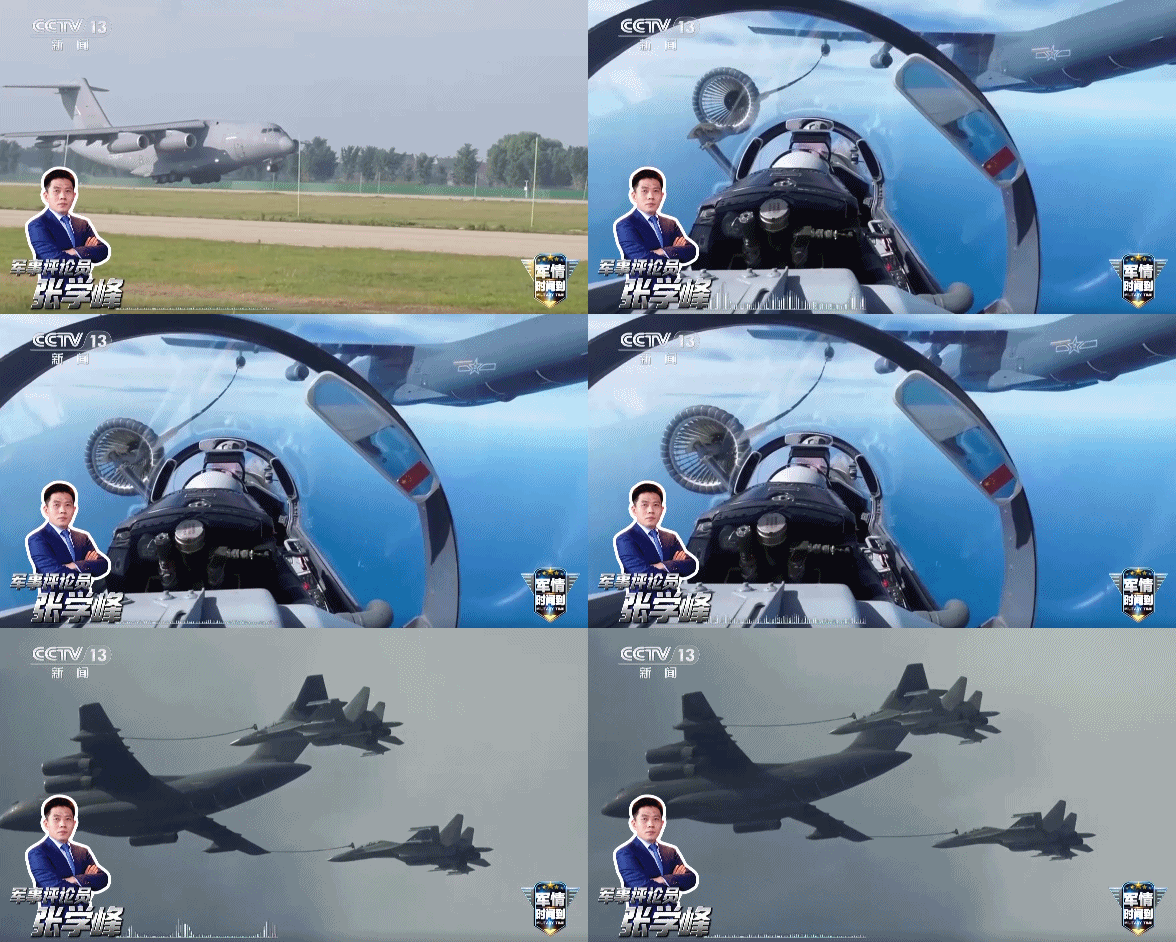
The Y-20A conducted aerial refueling, extending the range of the fighter jets, which is more beneficial for the fighter jets to escort the bombers. The KJ-500A early warning aircraft, acting as an airborne command post, can effectively grasp the surrounding air situation and command and dispatch aircraft strategically.
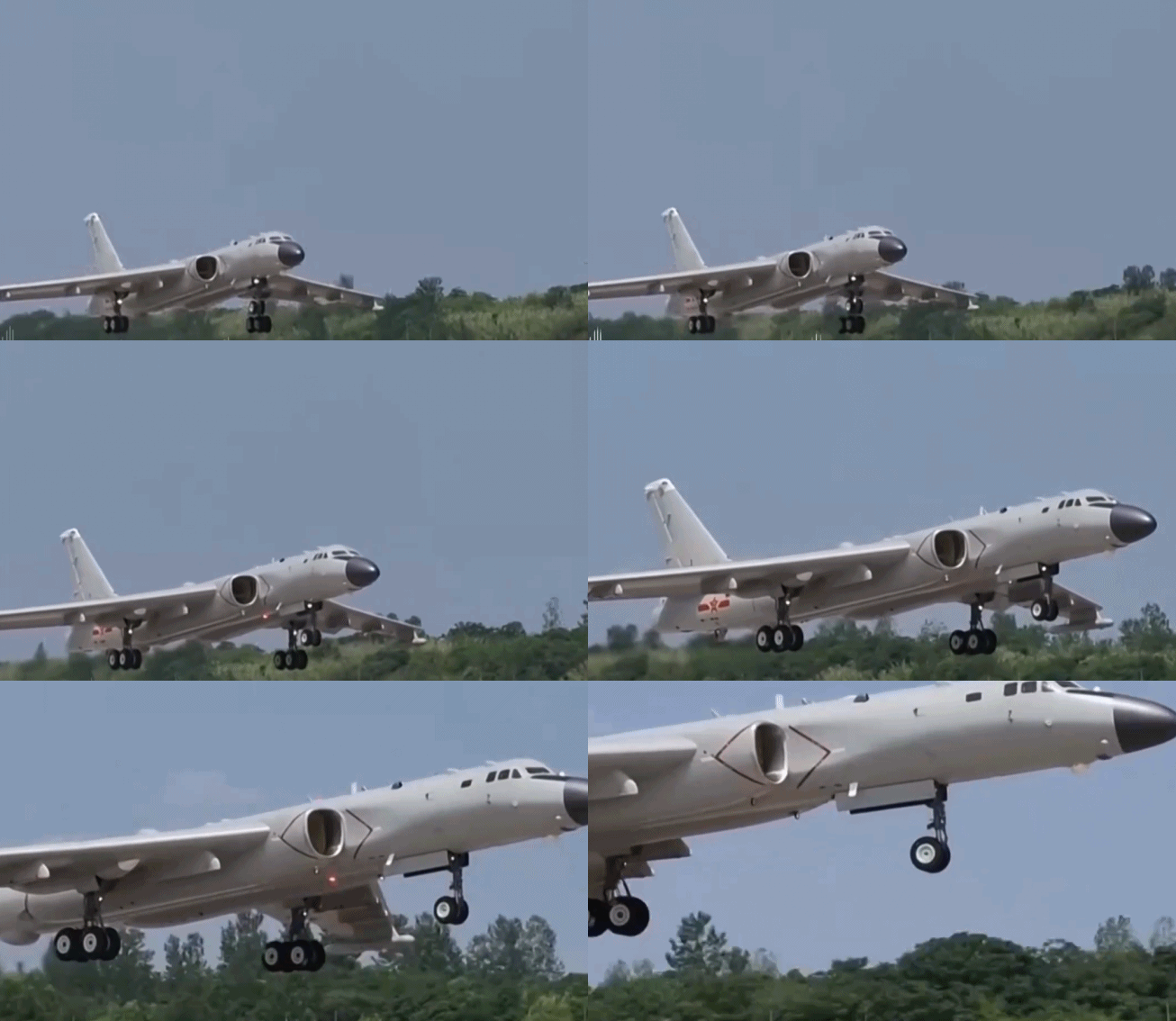
This is essentially a rehearsal for future denial operations or offensive operations in the western Pacific, so this strategic cruise reflects the strong systematic combat power projection capability of the Chinese Air Force.
On June 27, the Chinese and Russian air forces conducted a joint aerial strategic cruise in the Sea of Japan, East China Sea, and Western Pacific. The operation featured H-6K bombers, advanced fighter jets, and electronic warfare support, demonstrating their commitment to regional stability and military cooperation. This exercise highlighted the capabilities of both air forces in a potential future conflict scenario.
- Joint aerial strategic cruise conducted by Chinese and Russian air forces on June 27.
- H-6K bombers were the main aircraft involved, capable of carrying long-range missiles.
- Advanced fighter jets provided escort and interception capabilities during the operation.
- Electronic warfare and reconnaissance aircraft were deployed for intelligence support.
- The operation showcased the integrated capabilities of the Chinese Air Force.