
Henderson Won't Build Australia's AUKUS Submarines in Time
 Marcus Chen
Henderson Won't Build Australia's AUKUS Submarines in Time
Australia picked the site for the Henderson Defence Precinct on Aug. 24 and political leaders declared AUKUS "full steam ahead." That is the easy part. A site selection is not submarine output. If Canberra wants SSN-AUKUS boats in meaningful numbers before the late 2030s slide into the 2040s, the constraint is not real estate on Cockburn Sound. It is drydock throughput, nuclear-qualified trades, supplier depth, and the fact that the U.S. industrial base Australia is depending on is still struggling to meet its own attack-submarine target.
What Canberra Actually Announced
The announcement matters. Henderson is supposed to anchor Western Australia's role in naval construction and sustainment, and multiple reports tied the precinct to about 10,000 jobs. Industry coverage also pointed to a shipyard package aimed at supporting 10,000-ton AUKUS submarines. That sounds like momentum, but it still reads like enabling infrastructure, not delivered combat power.
There was also an awkward tell in the same day's coverage: local outlets were still arguing about whether the yard bill is roughly $25 billion or closer to $70 billion. When a program's cost envelope is that fuzzy at the precinct-selection stage, schedule confidence should be low by default. Anyone who has watched major naval construction knows what comes next. Design changes stack on top of security requirements, utilities upgrades, waterfront dredging, and workforce premiums. The yard arrives later and costs more than advertised.
The AUKUS Math Is Still Bad
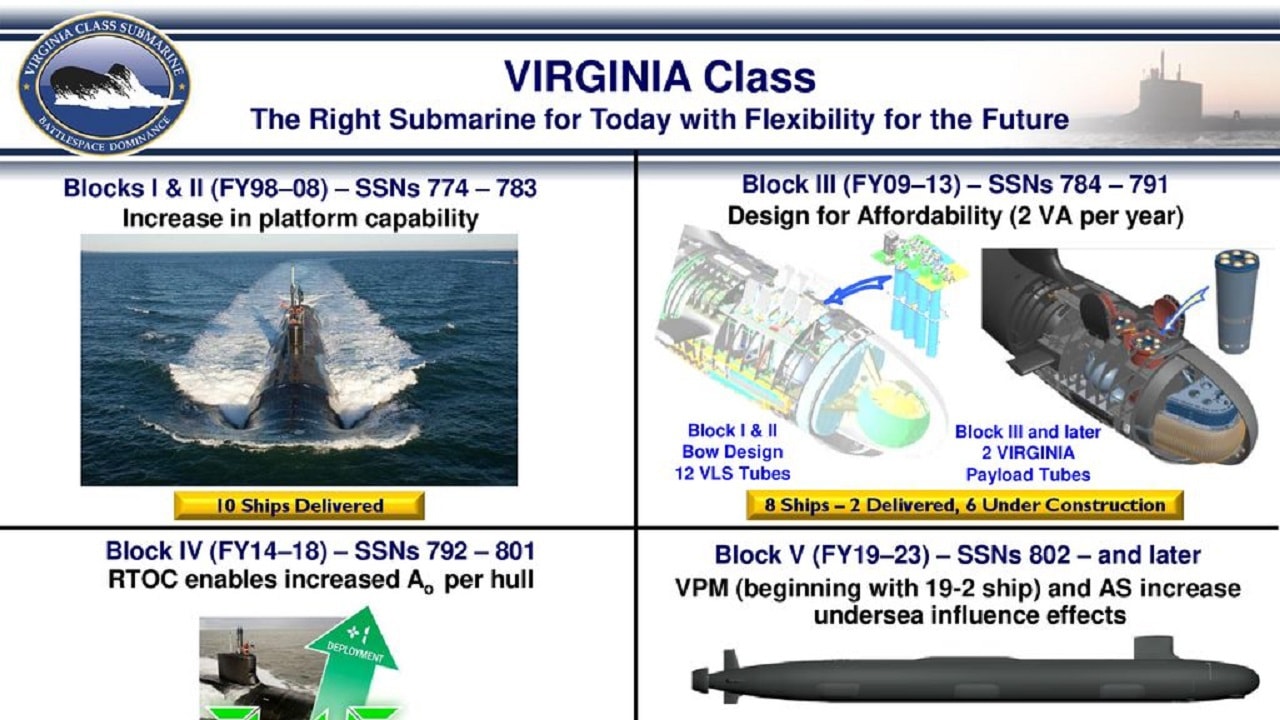
AUKUS has always been sold as a three-part bridge. First, U.S. and British boats rotate through Western Australia. Second, Australia buys a handful of Virginia-class submarines from the United States in the 2030s. Third, Australia eventually builds and operates SSN-AUKUS boats of its own. The problem is that every step depends on industrial slack that does not yet exist.
That is not an abstract concern anymore. Reporting this week again noted that U.S. attack-submarine output remains below the Navy's target. Separate industry coverage highlighted that the U.S. Navy has pushed the next-generation SSN(X) out to 2040 because the yards are already full. That matters for Australia even if SSN(X) is not an AUKUS boat. It tells you the same welders, pipefitters, planners, and waterfront capacity are already overbooked.
That is the gap.
Australia is trying to enter a queue that Washington has not cleared for itself.
Why Henderson Is Necessary but Not Sufficient
Henderson can become an important sustainment hub. It can host visiting boats, train workers, expand repair capacity, and give Australia more control over where allied submarines are maintained. Those are real gains. They improve operational depth in the eastern Indian Ocean and reduce the tyranny of distance between U.S. and U.K. submarine operations and the western Pacific.
But sustainment capacity is not the same thing as sovereign production. Building nuclear-powered attack submarines requires a mature ecosystem: certified steel, propulsion integration, combat-system testing, radiological controls, and a bench of supervisors who have already done the work before. Shipyards do not generate that on command because a government picked a site and announced jobs numbers.
The same-day keel laying for Australia's first Hunter-class frigate is a reminder that Canberra is already asking its naval industry to do several hard things at once. Surface combatants, sustainment, and nuclear-submarine preparation all compete for the same scarce workforce. Politics treats that as evidence of momentum. A shipbuilder would call it a resource conflict.
What Would Change the Verdict
Three things would make this more than a property announcement. First, the U.S. production line would have to show two Virginia-class boats per year for more than a single budget cycle. Second, Canberra would need to publish a realistic phased plan for drydocks, power, security exclusion zones, and nuclear stewardship at Henderson, not just artist impressions and jobs rhetoric. Third, Australia would have to prove it can absorb and retain the skilled labor without robbing its surface fleet and commercial industry of the people needed to do the work. Until those indicators move, every celebratory render of Henderson should be read as a promissory note.
What This Means for Deterrence
The operational question is simple. If a Taiwan contingency or wider Indo-Pacific crisis broke out in the early 2030s, how much additional undersea combat power does this precinct decision create? The honest answer is close to zero. It may help allied boats turn around faster in Western Australia later in the decade, but it does not solve the core AUKUS problem: too few submarines, too few skilled workers, and too much dependence on an American production line that is already behind.
Canberra needed to pick Henderson. Not choosing a site would have been its own indictment. But the announcement should be read as an admission of how early Australia still is, not as proof that the hard part is done. Until the U.S. can consistently produce the submarines it promised, and until Australia shows that Henderson can do more than absorb capital, AUKUS remains a schedule story pretending to be a force-structure plan.
Australia is establishing the Henderson Defence Precinct in Western Australia to support submarine construction and sustainment, aiming for 10,000 jobs. However, significant challenges remain, including industrial capacity and skilled labor shortages, which may delay the production of SSN-AUKUS submarines until the late 2030s or beyond. The U.S. industrial base's inability to meet its own submarine targets further complicates Australia's plans.
- Henderson Defence Precinct is expected to create about 10,000 jobs.
- Australia's submarine construction is constrained by drydock throughput and skilled labor shortages.
- The U.S. industrial base is struggling to meet its own submarine production targets.
- Henderson is intended to be a sustainment hub for allied submarines.
- The timeline for Australia's SSN-AUKUS submarines extends into the late 2030s and 2040s.