
Houthi Forces Implement "Maritime Blockade" Against Saudi Arabia, Multiple Oil Tankers Rerouted in the Red Sea
The Houthi armed forces in Yemen announced on the 20th that they would implement a "maritime blockade" against Saudi Arabia, effective immediately, warning vessels not to head to Saudi ports. According to the latest ship tracking data, on the 22nd local time, five oil tankers changed their routes in the Red Sea, with two of them setting the Suez Canal as their new destination.
It is reported that the EU's military operation in the Red Sea, known as Operation "Shield," issued a navigation warning on the 22nd: vessels associated with Israel, the United States, and Saudi Arabia face a higher risk of attack from Houthi forces. Before the risk subsides, it is advised to avoid routes through the Red Sea and the Gulf of Aden. The announcement suggested that vessels recently docked at Saudi ports and loading or unloading cargo should minimize their electronic signal exposure, ideally turning off their Automatic Identification System signals to reduce publicly accessible digital information that can be locked onto.
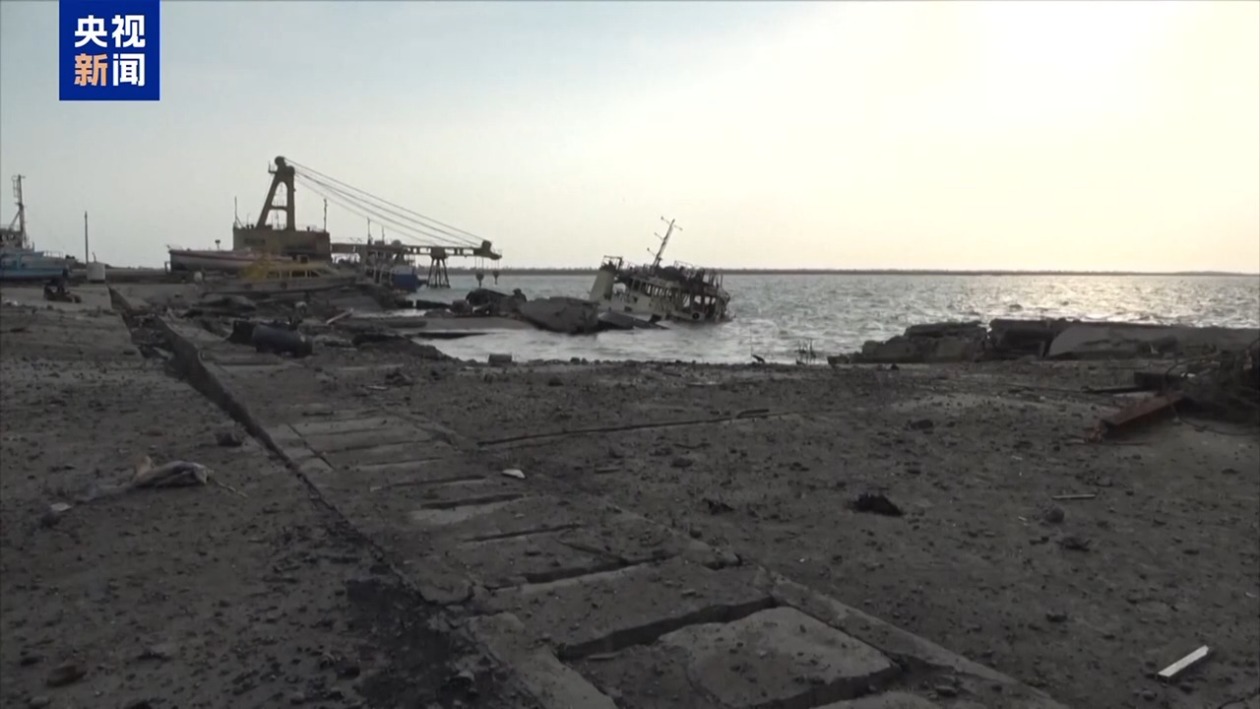
Reports indicate that several other oil tankers that completed loading at Saudi Yanbu port in the Red Sea have adjusted their courses towards the Suez Canal, no longer passing south through the Bab-el-Mandeb Strait; the remaining vessels are on standby, awaiting further instructions. A shipping brokerage firm stated in a briefing that the threat of Houthi attacks on Saudi Arabia has begun to impact tanker shipping activities overall.
Some media estimate that if ships reroute from the Red Sea around the Suez Canal, heading south via the Cape of Good Hope to Asia, the journey will add an extra 10,000 nautical miles and take an additional 34 days. The estimated extra freight cost per trip exceeds $5 million, not including fuel and insurance costs. Analysts from the international market service firm Kpler warned that the subsequent effects of the blockade on shipping routes will become more apparent, and global markets and economies should remain vigilant.

Senior Analyst at Kpler, Das: Ultimately, the related costs will be passed on to consumers. It is worth noting that if shipping through the Bab-el-Mandeb Strait is obstructed, the transportation of a large amount of diesel via this route will be affected. Diesel is widely used in various industrial production processes, and manufacturing production costs will rise accordingly, leading to higher prices for finished products for consumers. If the blockade lasts one to two weeks, it may be bearable, but if it extends to three weeks or even a month, the market will genuinely feel the pressure on supply.
Houthi forces announced a maritime blockade against Saudi Arabia on October 20, 2023, warning vessels to avoid Saudi ports. As of October 22, five oil tankers have altered their routes in the Red Sea, with some heading to the Suez Canal. The EU military operation in the region has issued warnings about increased risks for vessels linked to Israel, the U.S., and Saudi Arabia.
- Houthi forces announced a maritime blockade against Saudi Arabia effective immediately.
- Five oil tankers changed their routes in the Red Sea on October 22, 2023.
- The EU's military operation in the Red Sea issued navigation warnings regarding increased risks for vessels associated with Israel, the U.S., and Saudi Arabia.
- Shipping routes may increase travel distance by 10,000 nautical miles and add 34 days to transit times.
- The blockade could lead to increased costs for consumers if it lasts for three weeks or more.