
Houthis Claim Attack on Saudi Navy Landing Ship Off Mocha as Red Sea Blockade Moves from Tankers to Warships
 Ahmed Al-Rashid
The Houthis Announce Targeting a Saudi Landing Ship Off Al-Mokha.. The Red Sea Blockade Shifts from Tankers to Wars
On August 17, the "Al-Masirah" channel affiliated with the Ansar Allah group reported that its fighters launched "several ballistic missiles" at a Saudi landing ship and four accompanying military boats in the Red Sea off the Yemeni port of Al-Mokha, and that the ship caught fire and several boats sank. The news was reported by the Xinhua agency citing SANA, which is affiliated with the group, and as of the time of writing, no confirmation or denial had been issued from Riyadh. The Saudi silence here is not a media detail, but part of the event itself.
What Has Changed This Time
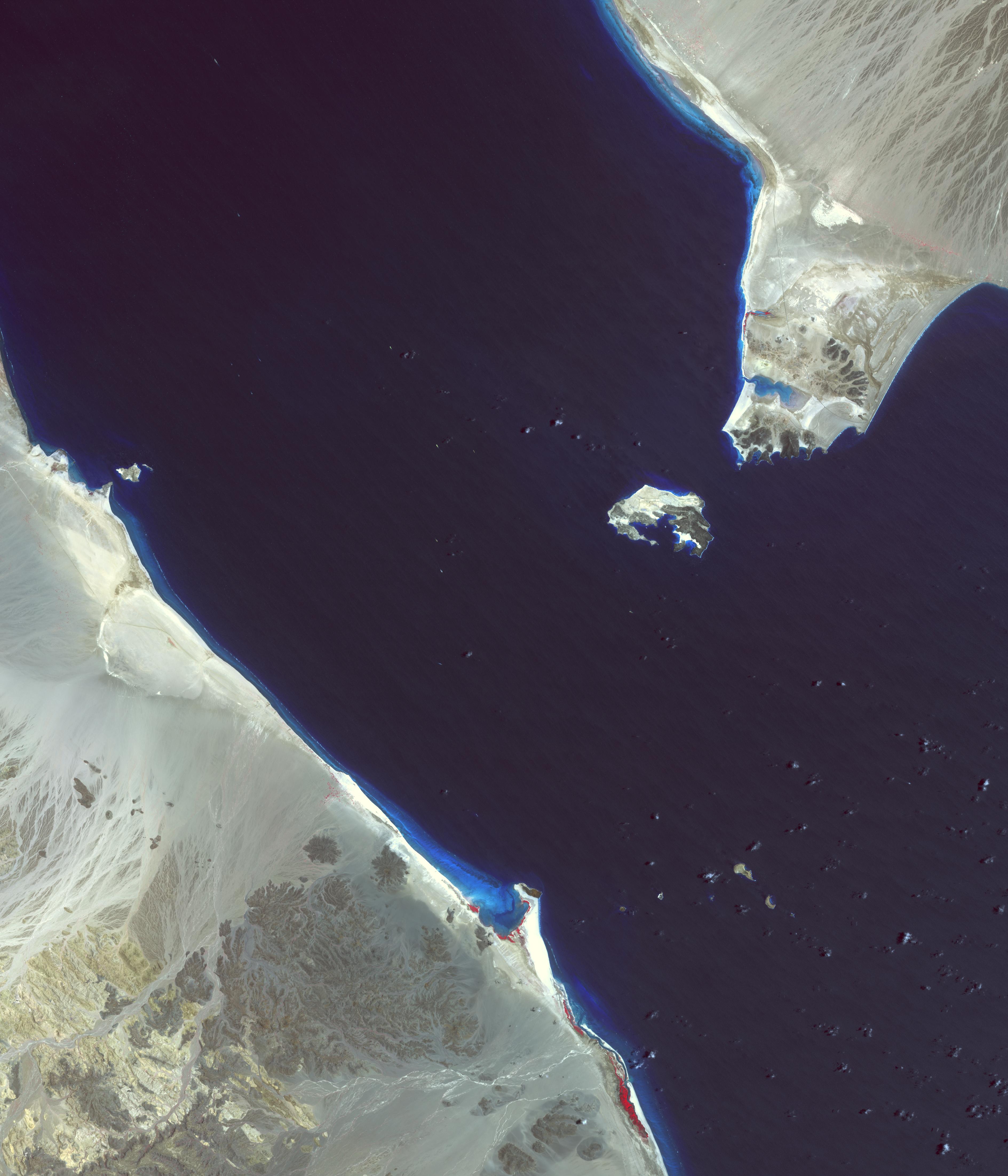
Let’s review the timeline of the blockade. On July 20, military spokesman Yahya Saree announced the blockade of Saudi navigation, and since July 22, at least eight tankers have been targeted. On August 12, the strike that changed the rules occurred: Houthi ballistic missiles in a double strike hit the Egyptian cargo ship "Tehama" in Bab el-Mandeb, killing six sailors. On August 14, Saree announced that his missiles hit "gatherings, equipment, and ships" belonging to Saudi Arabia in the Al-Mokha area, while the Yemeni government stated that six ballistic missiles fell on the Al-Mokha port itself, targeting civilian facilities.
The attack announced on the 17th is not a repetition of that scenario. The fundamental difference is that the target this time was not a commercial ship flying the flag of a passing state, nor a fixed facility on land, but a Saudi combat unit: a landing ship carrying equipment and soldiers along with accompanying boats. From a military perspective, this crosses a line that the Houthis have not dared to approach throughout the previous years of war, when Saudi strikes came to them from the air and sea, and they had no means to send a message to a warship.
From Economic Target to Military Target
The logic of "blockade for blockade" adopted by Sana'a is no longer limited to raising the insurance cost on every barrel passing through the Red Sea. Sinking a tanker raises the bill, but hitting a warship raises another question: Can the Saudi navy protect its own territorial waters? Here lies the qualitative leap. The Houthis possess an arsenal of anti-ship missiles and Iranian technologies developed over a decade, and they have proven in Bab el-Mandeb that they are capable of hitting a moving target with a double strike — the first missile hits, and the second waits for the rescue teams.
Yahya Saree stated on August 14: "We will continue to strike Saudi gatherings, equipment, and ships as long as the aggression continues," a statement that today shifts from a threat to a declared work program.
Any military personnel who has served in the region knows the difference between a commercial ship being hit and a warship being hit. The former is a security incident, while the latter is a deterrence test. When a missile reaches a combat unit, the question shifts from "Can oil be protected?" to "Can the fleet be protected?" — and these are two fundamentally different questions in terms of budgets, politics, and plans.
The Saudi Navy Between Equipment and Use
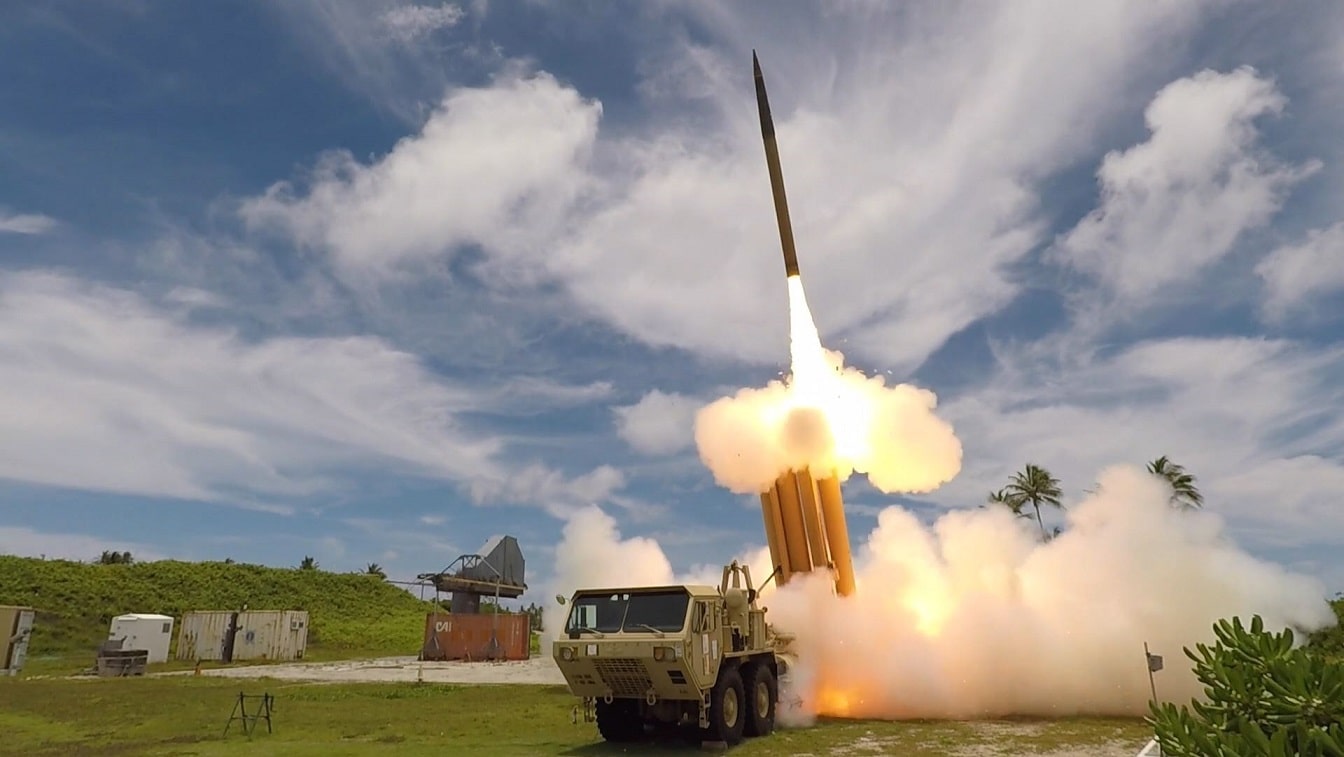
Here, the triangle of capability appears in its maritime form: equipment × training × institutions. Riyadh has a modern fleet — the Riyadh and Medina frigates, and the Al-Jubail corvettes that Navantia of Spain has delivered in successive batches since 2024 — but good equipment does not solve the problem of an adversarial operational environment. The Red Sea today is an environment where no one controls the airspace above the ships, and the Houthis launch their missiles from mobile platforms that are difficult to pin down, close to the coasts they control.
Practically, protecting a landing ship during an operation near Al-Mokha means a complete chain: early warning, missile interception, electronic jamming, and maneuvering. Each link in this chain requires coordination that has not yet proven to work efficiently in these waters. When the Saudi-led naval coalition announced the activation of its force days ago, the first question in the Gulf corridors was: Who protects the coalition's ships themselves? The attack on the landing ship, if confirmed, answers the question in a way that no one likes.
Why Are the Saudis Silent?
The absence of a Saudi response so far is interpreted by the Houthis as an achievement, and analysts read it as a calculated decision. Riyadh knows that confirming the hit on a warship gives Sana'a a media victory, and that denial may later appear as a lie if images or reports leak. Silence keeps the possibilities open, but it also allows the Houthi narrative to operate without competition. In wars of attrition, narrative is part of the balance of power, and complete silence is a free gift to the adversary.
There is also the internal dimension. Confirming a naval loss — no matter how limited — in a time of open regional war on the fronts of Hormuz, Lebanon, and Gaza opens the door to internal questions about the cost of the Yemeni engagement that many thought had ended. For this reason, Riyadh tends to quickly downplay such incidents, just as it did after the Abqaiq and Khurais attacks in 2019, when it chose to minimize the impact rather than confront the question of the effectiveness of defenses.
What Does This Mean for Navigation and the Coalition?
Kepler's numbers summarize the economic context: Exports from Yanbu through Bab el-Mandeb dropped by about ninety percent in the first week of August, from eleven million barrels weekly to 1.3 million, and the only practical alternative — the Sumed pipeline through Egypt — extends the journey to Asia by about twenty-five days. In this context, every new Houthi escalation raises the insurance premiums on what remains of maritime movement, and makes shipping companies question the feasibility of any crossing.
The broader message goes to the international coalition that Riyadh announced it was activating days ago, and to Washington, which is immersed in the Hormuz file. If the Houthis are capable of threatening a Saudi warship in waters close to their bases, what guarantee can a naval force provide to any other country considering joining? This is the essence of Sana'a's message: the blockade no longer only strikes the economy, but also strikes the very idea of collective security.
The Unpleasant Conclusion for Everyone
The structural dilemma facing Riyadh has not changed, but it has become clearer: the kingdom buys security from Washington, signs defense agreements with Ankara and Islamabad, activates naval alliances, but the Houthis do not sign any of these papers. They possess nearby geography, relatively cheap missiles, and a will to pay the price no matter how long it takes. Every Saudi warship sailing near the Yemeni coast is now a declared target, and every escort operation raises the cost, and every silence feeds the narrative.
The contradiction that has no quick solution: the more Riyadh increases its naval presence to protect its corridors, the more targets it provides for Houthi missiles. The navy that has been built for decades on the idea of deterrence against a conventional state finds itself today in a war of attrition against an adversary that has no fleet and does not want one — it only has enough missiles to turn every sailing into an adventure, and every port into a fire front. This is the Red Sea in August 2026: the tankers were the beginning, and now it is the turn of the flag.
Houthi forces launched ballistic missiles at a Saudi Navy landing ship off Mocha on August 17, resulting in a fire on the ship and the sinking of several accompanying boats. This attack signifies a notable escalation in Houthi military operations against Saudi naval assets. The Saudi response has been silent, raising concerns about their ability to protect their maritime interests in the Red Sea.
- Houthi forces launched several ballistic missiles at a Saudi Navy landing ship off Mocha.
- The attack resulted in a fire on the ship and the sinking of several accompanying boats.
- This marks a significant escalation in the Houthi's military capabilities against Saudi naval forces.
- The attack occurred on August 17, 2023, amid ongoing tensions in the Red Sea.
- The Saudi response has been notably silent, raising questions about their naval defense capabilities.