
Houthis kill six sailors in Bab al-Mandab as Red Sea blockade hits navigation while Hormuz remains closed
 Ahmed Al-Rashid
The Houthis Kill Six Sailors in Bab el-Mandeb as the Red Sea Blockade Hits Navigation While Hormuz Remains Closed
On August 11, the Houthi group launched missiles at the Egyptian cargo ship "Tihamah," which was docked northeast of Perim Island in the Bab el-Mandeb Strait, killing four of its crew members — three Pakistanis and one Indonesian. They then targeted the rescue teams that arrived at the site, killing two fighters from the National Resistance Forces and injuring ten others. These are the first fatalities among sailors due to Houthi strikes on navigation since the outbreak of the Iranian war on February 28, and this is not just an isolated incident but a turning point in the logic of the blockade declared by the Houthis against Saudi Arabia on July 20.
A Ship That Was Not Saudi and the Message Is Directed to Everyone
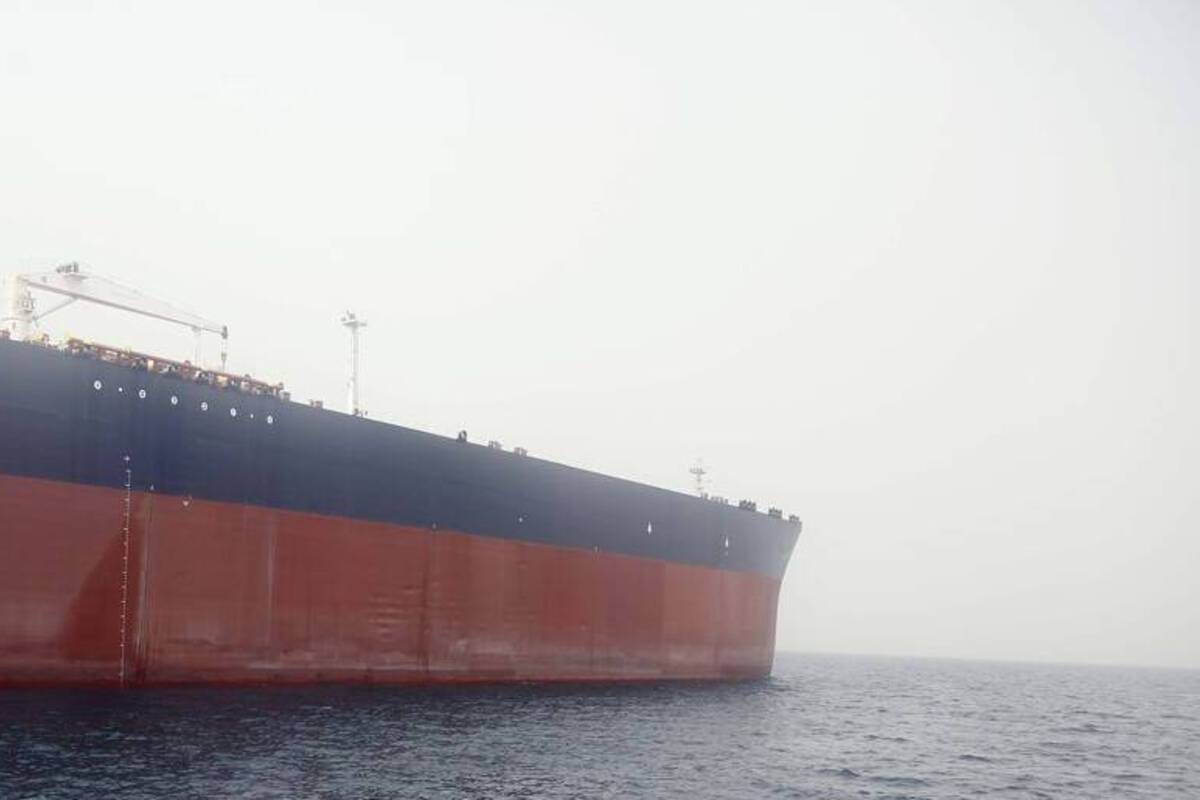
The first military paradox is that the ship "Tihamah" was neither Saudi-owned nor managed; it is owned and operated by Egyptian companies and left the government port of Mocha on Saturday before being attacked on Tuesday morning. Nevertheless, the group claimed responsibility for the attack, alleging that it targeted a ship "carrying Saudi military equipment." Practically, this means that the targeting scope has widened from ships linked to Riyadh to any ship passing through the strait or docking near Perim Island, which is the point where the Bab el-Mandeb narrows to just twenty miles. Any naval officer who has served in the area knows that Perim is the key to the strait, and the Houthis have possessed anti-ship missiles and sufficient kamikaze drones for years to economically close it even without sinking a single ship.
The most significant tactical detail is the second strike on the rescue teams. Bombing the site after the paramedics arrived — including casualties from the National Resistance Forces and the Coast Guard — is not a tactical mistake but a known method in drone warfare, deliberately employed by the group to raise the cost of any response attempt. The practical result: insurance companies will immediately reprice the risks, and shipowners will ask one question: who will protect our crew in Bab el-Mandeb?
The Blockade Numbers Speak: 32 Ships Compared to 50 Before July
Kepler data shows that the average daily transit through the strait dropped to 32 ships last week compared to 50 before the blockade was announced, after traffic had already declined by more than fifty percent since the wave of attacks from 2023-2025. This means that the Houthi maritime blockade on Saudi Arabia — which Riyadh refuses to acknowledge exists — adds a new layer of strangulation to a lifeline that has no alternative. Houthi chief negotiator Mohammed Abd al-Salam explicitly stated that the group is "open to negotiations, but any settlement must include lifting the blockade."
"Any settlement must include lifting the blockade" — Mohammed Abd al-Salam, Chief Negotiator of the Houthis
Here lies the Saudi dilemma: with the effective closure of Hormuz, Bab el-Mandeb and the Red Sea become the alternative outlet for Saudi oil exports through Red Sea ports, and the more U.S. pressure increases on Hormuz, the more valuable the corridor controlled by Tehran's proxies becomes. Riyadh has spent tens of billions over the past five years on THAAD and Patriot air defense systems, but these systems are designed to intercept ballistic missiles, not to protect a slow commercial vessel from a kamikaze drone that costs fifty thousand dollars.
Two Fronts and One Block
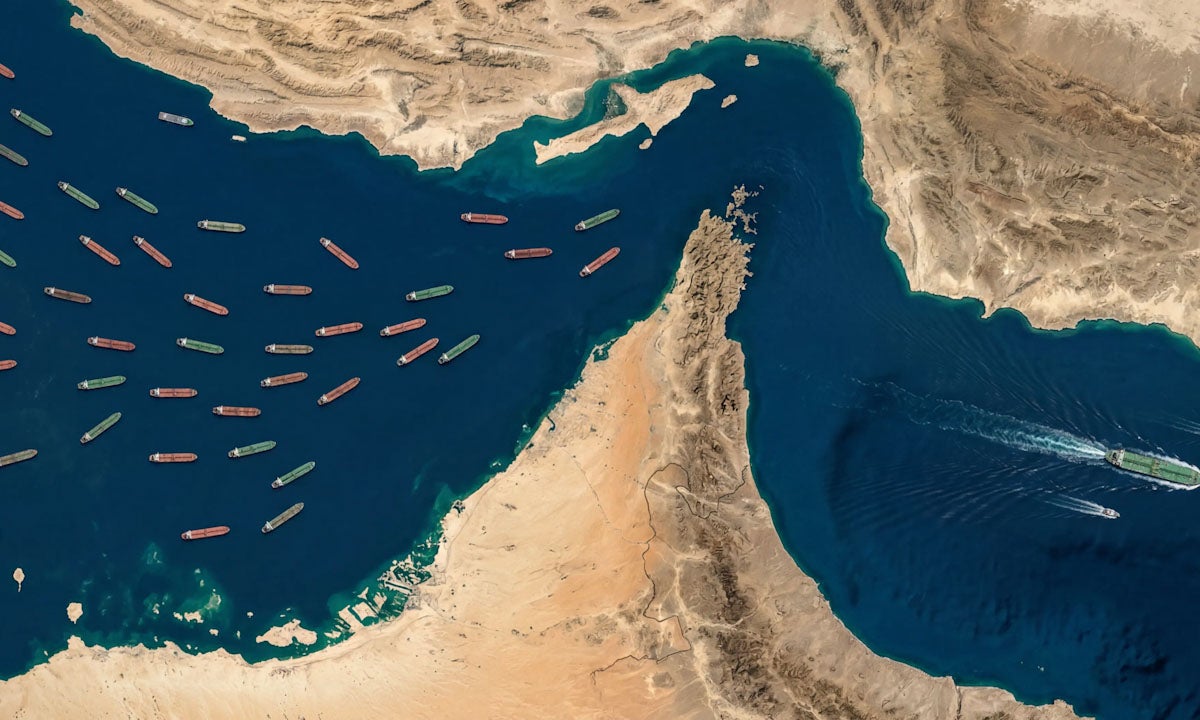
On the same day, the U.S. Central Command announced that it had launched Hellfire missiles at the Panamanian-flagged container ship "Vila Nova" in the Gulf of Oman while it was en route to an Iranian port, to disable its navigation devices. This is the twelfth ship targeted by U.S. forces since the announcement of the maritime blockade on Iran in April, and the third since it was reimposed on July 14. In Hormuz itself, only six ships passed on Monday compared to an average of 11 in the previous ten days, and 130 to 140 before the war.
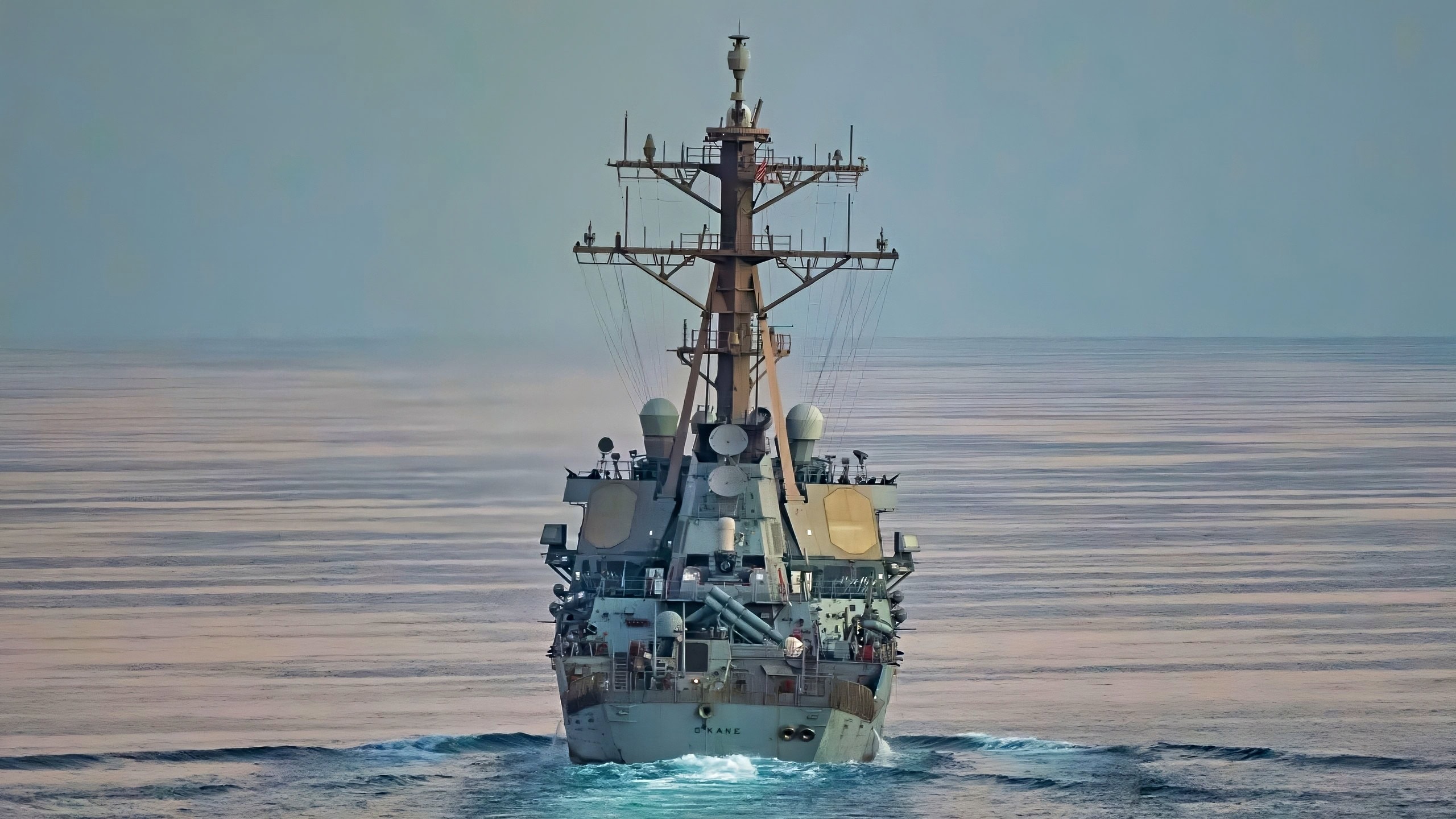
The unifying aspect of the scene is that both fronts are operating as a single block: Iran closes Hormuz through direct threats, while the Houthis close Bab el-Mandeb through attrition, while Iranian Foreign Minister Abbas Araghchi states that "securing Hormuz requires ending the U.S. blockade," and Trump responds by demanding compensation for the casualties from the attacks. Each side raises the stakes, and commercial navigation pays the price in both corridors.
A Reading of the Capability Triangle
Militarily, the Houthi blockade is a direct test of the Saudi capability triangle: equipment alone does not create a naval power. The Saudi fleet is small and historically centered on the Gulf side, while its western coast on the Red Sea — Jeddah and Yanbu — is exposed to a threat that requires the Houthis nothing more than a fishing boat and a rocket launcher. The United States is busy enforcing its blockade on Iran in the Gulf of Oman, and there is no Arab fleet with the will and equipment to escort ships in Bab el-Mandeb. When the cost of protecting a single tanker exceeds the cost of the entire arsenal of the attacker, the asymmetric equation favors those who have the ability to deny and repeat.
There is also a regional dimension often overlooked by Western analysis: the casualties this time are Pakistanis and Indonesians, the ship is Egyptian, and the location of the attack threatens the alternative to the port of Hodeidah, which the recognized government relies on. The Houthis are striking Mocha, Al-Jawf, and Marib inland, and targeting navigation abroad, linking all of this to one political condition: lifting the blockade. It is a single strategy that integrates the Yemeni civil war with the Iranian war, transforming the Red Sea from a secondary theater into a main front.
The Dilemma with No Solution Today
In summary, Riyadh finds itself facing a structural contradiction: the more Washington tightens its grip on Hormuz to force Tehran, the more important Bab el-Mandeb becomes, which is controlled by Tehran's proxies, and the more valuable the Houthis' negotiating card becomes. Saudi Arabia, which seeks strategic independence through the Mecca Pact with Turkey and Pakistan and the localization of defense industries, discovers that the most pressing question is not who will build an air defense system for it, but who will escort its oil tanker in waters just a hundred miles from Sana'a — and the answer today is: no one.
Houthi forces attacked the Egyptian cargo ship 'Tehama' in the Bab el-Mandeb Strait on August 11, killing four crew members and injuring ten others during a subsequent strike on rescue teams. This incident marks a significant escalation in Houthi maritime operations, expanding their targeting to any vessel in the area. The blockade has led to a notable decrease in maritime traffic, raising concerns over the safety of commercial shipping in the region.
- Houthi forces killed six sailors in the Bab el-Mandeb Strait on August 11.
- The attack targeted the Egyptian cargo ship 'Tehama' and rescue teams.
- Four crew members were killed, including three Pakistanis and one Indonesian.
- The Houthi group claimed the ship was carrying Saudi military equipment.
- The maritime blockade has reduced daily crossings in the strait from 50 to 32 vessels.