
Houthis Launch Six Ballistic Missiles at Saudi Arabia on September 24, 2026, Revealing the Fragility of Gulf Deterrence
 S.W
S.WThe Houthis Launch Six Ballistic Missiles at Saudi Arabia on September 24, 2026, Revealing the Fragility of Gulf Deterrence
One Attack Links the Yemen Front to the Saudi Depths
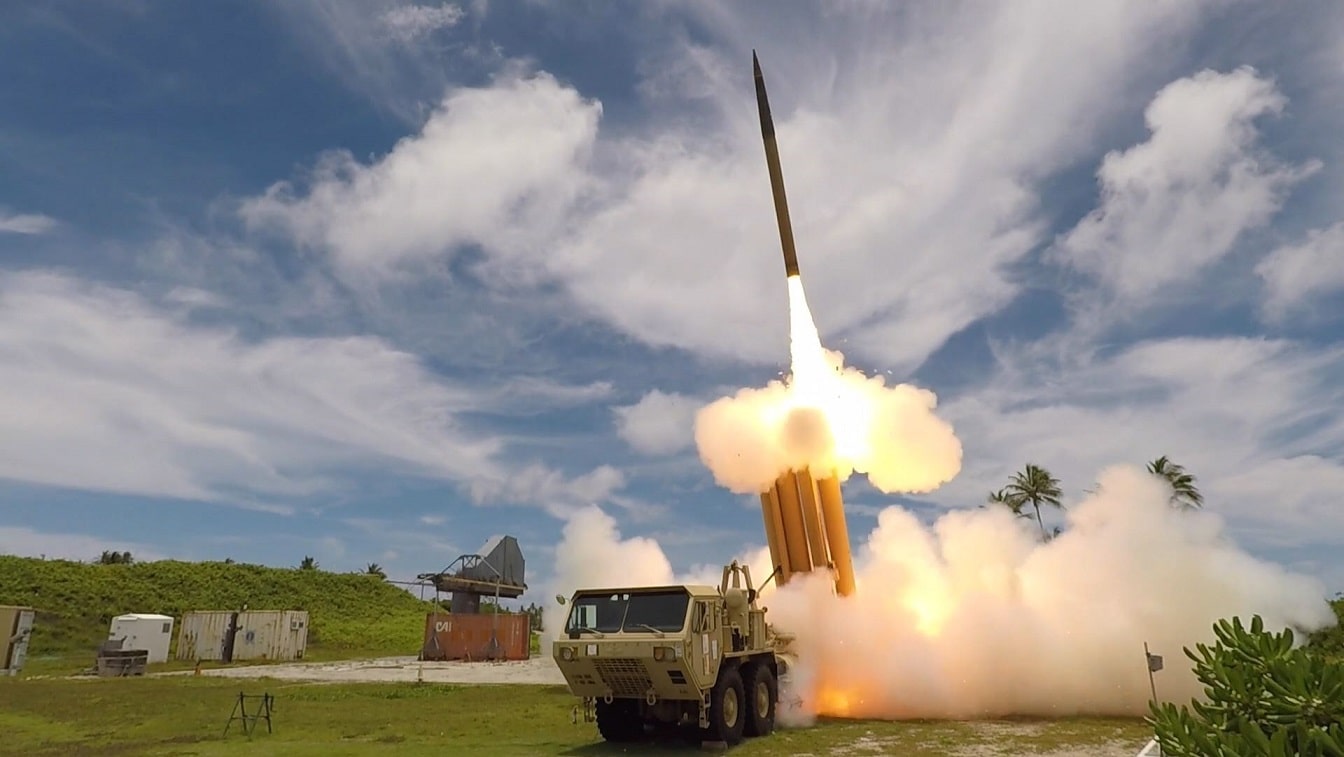
On September 24, 2026, Riyadh announced the interception of six ballistic missiles launched by the Houthis towards the cities of Taif and Yanbu, while field reports indicated that Yemeni government forces repelled a Houthi attack on a front linking Taiz to Aden. The two incidents may seem geographically separate, but they reveal the same military reality: the Houthis do not need to control all of Yemen to compel Saudi Arabia to distribute its forces between the borders, vital installations, and maritime routes.
What matters here is not just the number of missiles intercepted, but the choice of targets. Taif is located deep in the western part of the kingdom and is close to the vital area of Mecca, while Yanbu represents an industrial hub and a port on the Red Sea. Targeting these two points expands the pressure equation from the southern border to the network of transport, energy, and ports. Practically, every missile intercepted by a Patriot or any other air defense system remains a test of cost and readiness, not an automatic indication that the threat has ended.
Why the Taiz-Aden Road Matters
Reuters reported that Yemeni government forces repelled a Houthi push on a main road between Taiz and Aden. A complete independent picture of the attacking force's size or losses is not yet available, so field narratives should be treated with caution. However, the value of the axis is clear: controlling it gives the Houthis greater maneuverability between western and southern Yemen, pressures their opponents' supply lines, and opens the possibility of threatening the coast and Red Sea ports from a land direction.
This is not just a battle for a symbolic city. It is an attempt to transform the geography of Yemen into a permanent attrition platform against Saudi Arabia. If Riyadh is forced to protect its borders, ports, pipelines, and air bases simultaneously, its superiority in aviation and spending does not automatically translate into decisive capability. Asymmetrical warfare is measured by the number of sites that need protection, not by the number of aircraft that can be purchased.
The Saudi Capability Triangle Under Test
In my view, this round reveals a flaw in the capability triangle consisting of equipment, training, and institutions. The equipment is present: Saudi Arabia has a dense air defense network, uses Patriot systems, and has long invested in early warning and cooperation with the United States. However, a ballistic missile is not a fixed target; intercepting it requires rapid warning, a disciplined engagement decision, munitions distribution, and real integration between radars and command centers. As for institutions, meaning the ability to protect both civilian and military infrastructure, that is the most challenging link.
Intercepting six missiles does not mean that every Houthi missile will be intercepted in the future, nor does the arrival of one missile mean the collapse of air defense. The correct military assessment is to measure sustainability: how many interceptions can the kingdom execute over two weeks or a month? What is the cost of defense missiles compared to the attacking projectiles? And can the forces identify mobile launch platforms before they change their locations? These questions are not answered by short victory data.
From the Red Sea to the Wider Gulf
The escalation of missile attacks coincided with reports of Houthi advances on the Taiz front, along with regional warnings of the war's expansion, placing the security of the Red Sea in a different context. The Houthis do not need to officially close the Bab el-Mandeb to raise the cost of insurance and shipping; it is enough to make every ship, port, and coastal facility part of the risk assessment. Additionally, pressure on Yanbu reminds us that protecting energy exports does not start at the production platform, but includes the port, the road, and the airspace above them.
Here, the old Gulf paradox emerges. Countries spend billions of dollars on aircraft and defenses, yet they cannot buy geography, shorten training time, or build a unified decision among multiple institutions. The American umbrella remains essential for warning, reconnaissance, and logistical support, but it cannot replace an independent Saudi capability to manage a long, low-intensity war. Relying on the ally buys time, but it does not alone create endurance capability.
Deterrence is Not Measured by Statements
The next Saudi step will determine the meaning of this round. Retaliatory strikes may harm the Houthi infrastructure, but they do not guarantee the end of the launch network or control over the routes. Conversely, merely focusing on defense will give the Houthis the freedom to choose the timing and targets of their attacks. What is needed militarily is not a new slogan, but the integration of air defense with reconnaissance, protection of ports, and Yemeni ground operations capable of securing territory, along with a clear plan for rotating units and munitions.
September 24 proved that the Houthis can turn a ballistic missile and a land front in Taiz into political and military pressure on a state much larger than themselves. The structural problem will remain: Riyadh wants security independence that solidifies its regional status, but it still needs an indispensable American network to make that independence viable. In the Middle East, possessing weapons is just the beginning of capability; the war is decided by who can keep their institutions operational after the initial announcement's shine fades.
Sources
- Reuters, September 24, 2026, Yemen says government forces repel Houthi push on key Taiz-Aden route.
- Al Jazeera, September 24, 2026, Iran war live and the statement regarding the interception of six missiles launched at Taif and Yanbu.
- Reuters, September 16, 2026, Houthi blitz leaves Saudi Arabia exposed, Iran emboldened.
Houthi forces launched six ballistic missiles towards Saudi Arabia on September 24, 2026, targeting the cities of Taif and Yanbu. Saudi air defense systems intercepted the missiles, revealing vulnerabilities in the Kingdom's military readiness. This incident underscores the Houthi strategy to exert pressure on Saudi Arabia by threatening critical infrastructure and supply lines.
- Houthi forces launched six ballistic missiles towards Taif and Yanbu on September 24, 2026.
- Saudi Arabia intercepted the missiles using its air defense systems.
- The missile launch indicates a strategic pressure on Saudi Arabia's military resources.
- Houthi forces are attempting to extend their operational reach beyond Yemen.
- The situation highlights vulnerabilities in Saudi Arabia's defense capabilities.