
Hypersonica raises $111 million to build European hypersonic missile
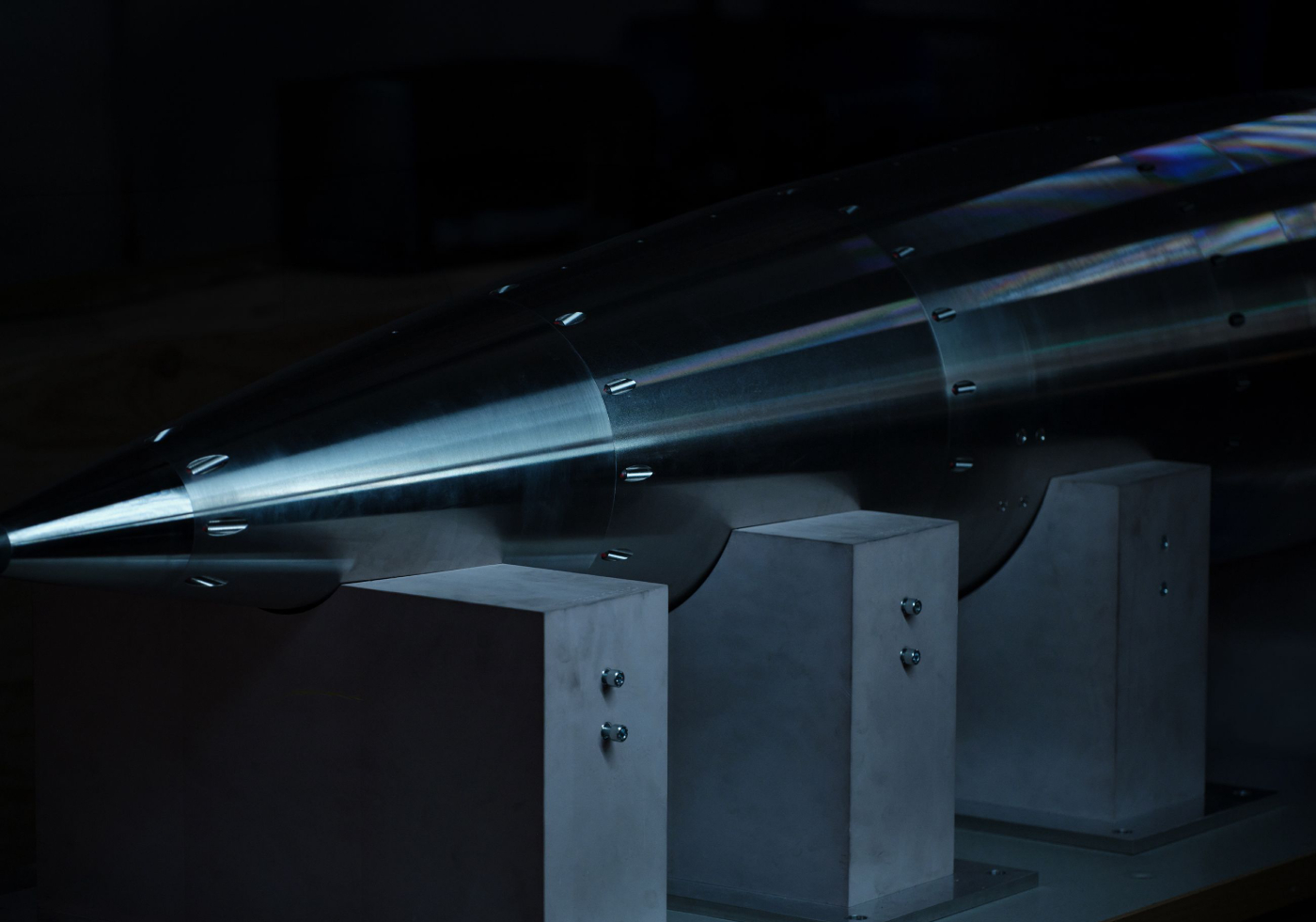
Hypersonica, a British-German defense company developing hypersonic strike missiles, has raised €100 million ($111.5 million) in a Series B funding round, UK Defence Journal reported.
The money will go toward turning its tested HS-1 prototype into an operational long-range strike system for European militaries.
The round was co-led by venture firms Lightspeed and General Catalyst, with existing investors Plural and 201 Ventures also taking part. The company plans to use the funding to speed up development, fly test vehicles more often and expand its operations in Germany and the UK, where it expects to add hundreds of engineering and manufacturing jobs.
Hypersonica’s main selling point so far is a flight test. In February, the company launched its HS-1 prototype from the Andøya Space site in northern Norway, and it says the vehicle flew faster than Mach 6, about six times the speed of sound, over a distance of more than 300 km (186 miles), Defense News reported. The company described it as the first such flight by a privately funded European defense firm.
Hypersonic weapons fly faster than Mach 5 and can maneuver during flight, which makes them much harder for air and missile defenses to track and intercept than conventional ballistic or cruise missiles. Russia has used its Kinzhal and Zircon missiles against Ukraine, and the United States and China are both fielding or testing their own systems. European countries do not yet have a hypersonic strike weapon in service.
That gap is the market Hypersonica is aiming at. The company says it wants to deliver Europe’s first sovereign hypersonic deep-strike capability by 2029, meaning a weapon designed and built in Europe that can hit targets far behind enemy lines without depending on U.S. technology or export approval. Several European governments have backed long-range strike programs since Russia’s full-scale invasion of Ukraine, including the European Long-range Strike Approach launched in 2024.
The firm also says it can make hypersonic missiles cheaper to develop and produce. Hypersonic weapons built by large defense contractors have proved expensive, and smaller companies in the United States have pitched lower-cost designs, as when the U.S. Navy ordered 50 prototypes of a cheap new hypersonic weapon from Castelion.
The company was founded in December 2023 by Philipp Kerth, its chief executive, and Marc Ewenz, its chief technology officer. Both earned doctorates at the University of Oxford. Hypersonica works from Munich and London.
The Series B follows a €23.3 million ($26 million) Series A led by Plural, which the company announced in February alongside the HS-1 test. That round also included Germany’s Federal Agency for Breakthrough Innovation, known as SPRIND.
Hypersonica’s timeline leaves about three years to move from a single prototype flight to a weapon that European armed forces could buy, as more hypersonic programs compete for defense budgets.
Content preview only. Full article available at source. View Full Article
Hypersonica raised €100 million ($111.5 million) to develop hypersonic missiles and expand operations in Munich and London. The funding will accelerate the development of the HS-1 prototype, which has already demonstrated speeds exceeding Mach 6 during tests in Norway. The company aims to provide Europe with its first hypersonic strike capability by 2029, addressing a significant gap in European defense capabilities.
- Hypersonica raised €100 million ($111.5 million) in funding.
- The funding will be used to develop the HS-1 prototype into an operational system.
- Hypersonica aims to deliver Europe's first hypersonic strike capability by 2029.
- The HS-1 prototype flew faster than Mach 6 during tests in Norway.
- European countries currently lack operational hypersonic weapons.