

Britain’s two Queen Elizabeth-class aircraft carriers survived one of the country’s deepest post-Cold War defense cuts for an unusual reason: getting rid of them was more expensive than building and maintaining them.
The fact that the British Royal Navy was even considering this possibility indicates how far it had sunk since the end of the Second World War.
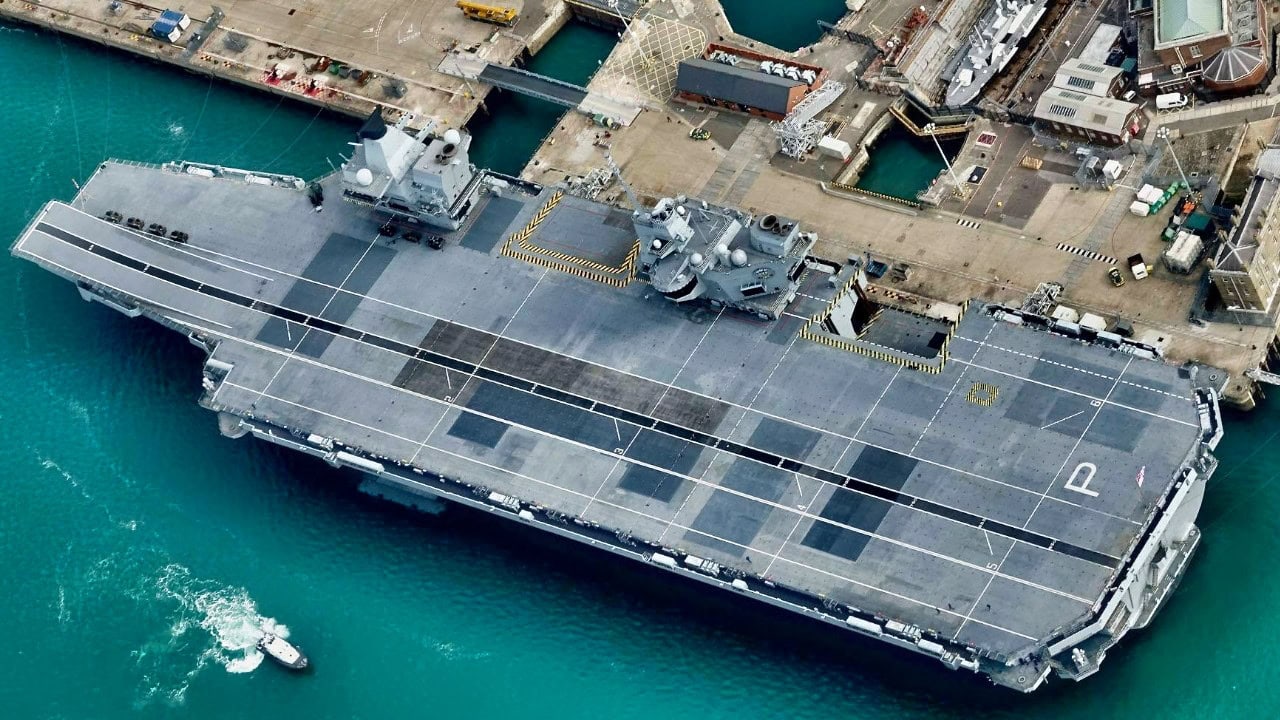
Royal Navy HMS Prince of Wales Aircraft Carrier. Image Credit: Creative Commons.
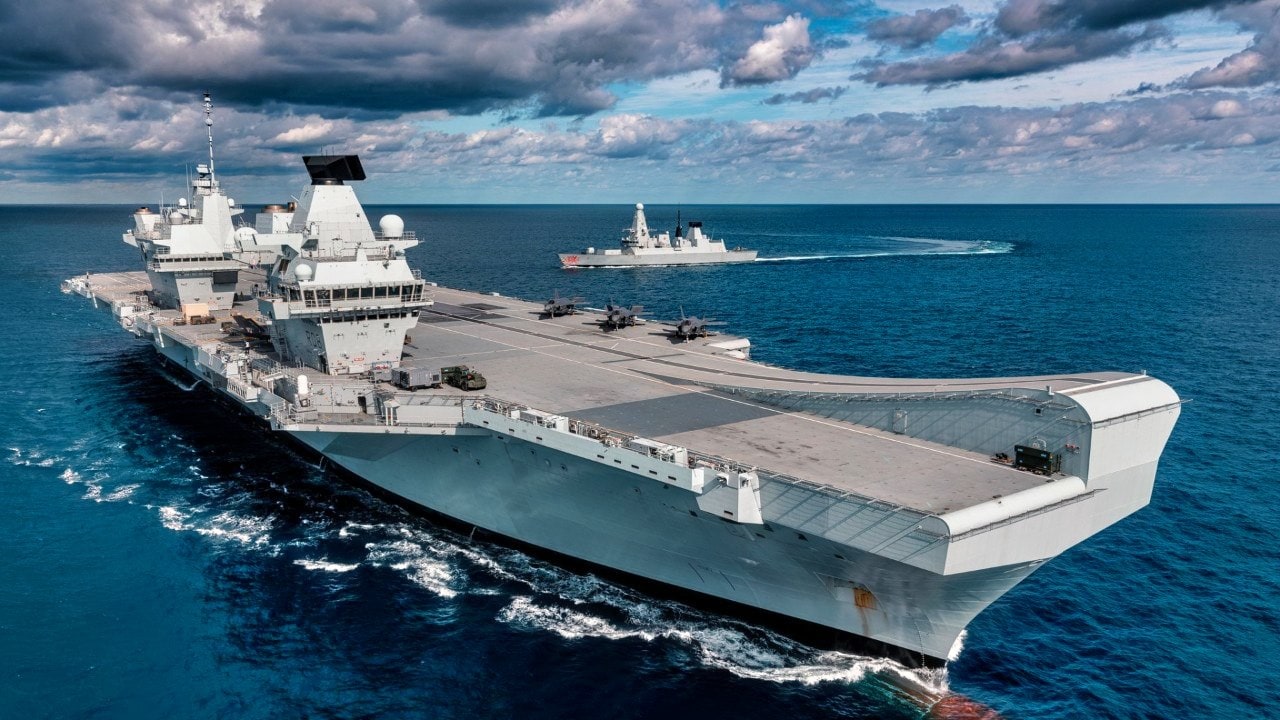
Queen Elizabeth-Class Royal Navy Aircraft Carrier. Image Credit: Creative Commons.
The Great Financial Crisis Almost Became Britain’s Great Carrier Crisis
When Prime Minister David Cameron’s government did its Strategic Defense and Security Review in 2010, Britain was struggling with the aftermath of the 2008 Global Financial Crisis (GFC) and a massive budgetary deficit.
Because of these twin-headed crises, the British government wanted to substantially reduce its defense budget–meaning every procurement program came under intensive review by London’s bean counters.
These reviews included the HMS Queen Elizabeth and HMS Prince of Wales, two 65,000-ton aircraft carriers that were already under construction.
These two aircraft carriers were the largest warships ever designed for the Royal Navy and were among the most expensive defense projects undertaken by the British government.
Yet these ships were seen as vital to restoring Britain’s lost postwar naval capacity.
Nevertheless, the financial situation in England was dire at the time (it hasn’t gotten much better since 2010).
The government considered canceling at least one of these boats. There was just one problem: Britain had already committed, through contracts, to building these two leviathans.
In fact, construction had been dispersed under the imprimatur of the Aircraft Carrier Alliance, a coalition consisting of the Ministry of Defense, BAE Systems, Babcock and Thales.
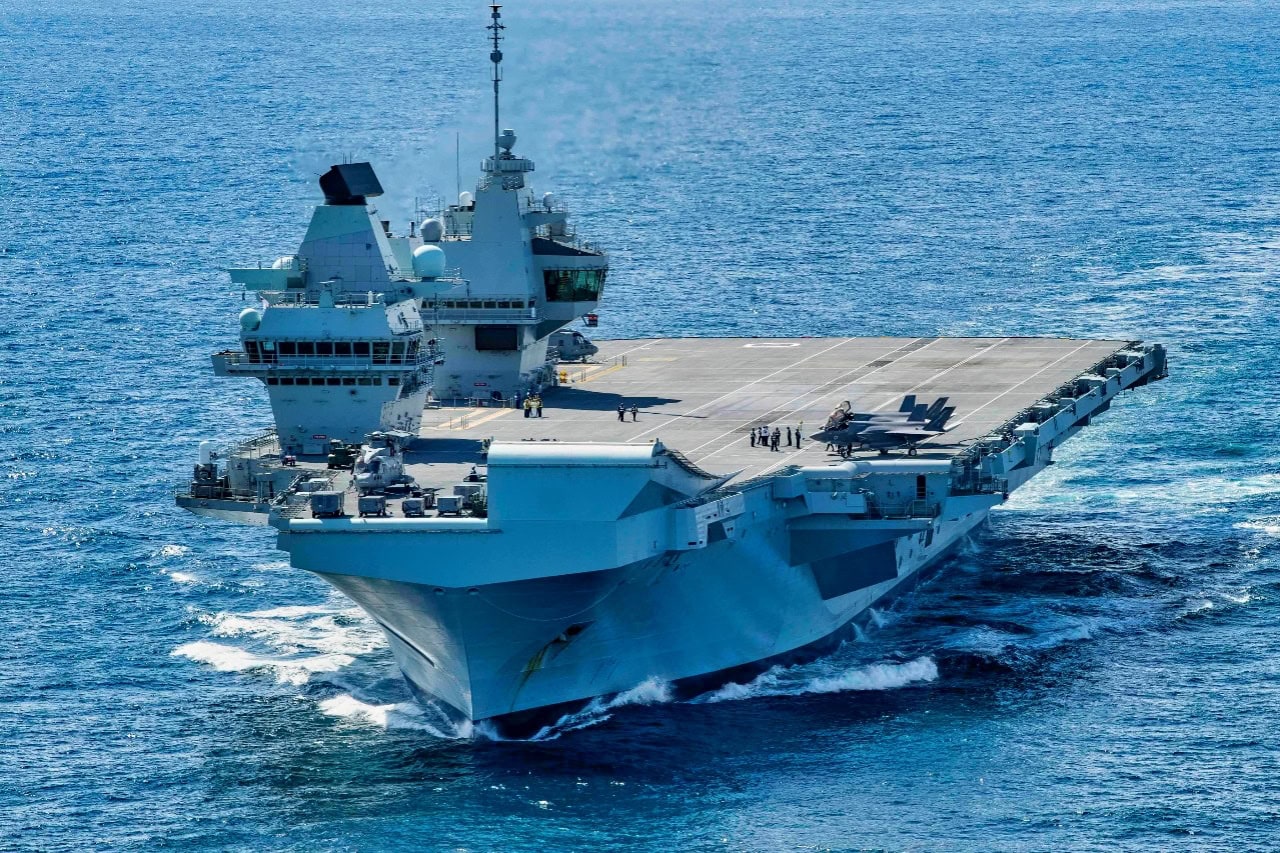
HMS Queen Elizabeth Aircraft Carrier. Image Credit: Royal Navy.
Enormous sections of the ship were already being manufactured separately and were to be assembled at Rosyth in Scotland.
London Couldn’t Quit Its Carriers
Then there was the issue of the 15-year Terms of Business Agreement signed with BAE Systems in 2009. The arrangement was intended partly to preserve Britain’s naval shipbuilding industrial base and guaranteed significant levels of work.
By 2010, canceling the carriers would not have just involved ending construction and selling the scrap. There would be penalties involved for terminating expenses and other contractual liabilities.
Britain’s government would have also incurred sizable industrial and financial costs for having started such massive projects and then ending them prematurely.
For instance, the second carrier, the HMS Prince of Wales, would have saved significant money. Still, the savings from cutting that ship would have been reduced by the loss of the economies of scale and the Value Added Tax (VAT) liabilities that would become payable if the ship wasn’t completed.
Indeed, Ministry of Defense estimates indicated that canceling one carrier would have created around one billion pounds in savings.
But completing both carriers would have eventually saved two billion pounds.
So, Britain proceeded with both ships while struggling to reduce their operational cost. Under the 2010 plan, only one of the carriers was expected to remain routinely operational, while the second could be placed in extended readiness or potentially sold.
The government planned to install catapults and arresting gear so the ships could eventually accommodate the F-35C Lightning II fifth-generation warplane (rather than the short-takeoff-and-vertical-landing F-35B variant).
Worth the Cost?
Because of cost and further schedule slippage that would have occurred if the British had added the catapults and arresting gear for the F-35C, the British abandoned those plans and decided that both carriers would operate F-35Bs. HMS Queen Elizabeth was commissioned in 2017. Two years thereafter, the Prince of Wales was commissioned.
Yet, the carriers have hardly lived up to their promise. Indeed, many in the British government fret over whether they will ever be a worthwhile return on investment.
The ships have been plagued by a series of technical complications, staffing crises, and even an inability to sustain both ships at once for any prolonged period.
The bottom line is that Britain ceased to be a naval juggernaut when WWII ended. Trying to restore that capability has repeatedly been shown to be a grave waste of time and resources.
About the Author: Brandon J. Weichert
Brandon J. Weichert is the Senior National Security Editor at 19FortyFive.com. He also manages The Weichert Brief on Substack. Weichert also hosts “National Security Talk” on Rumble. He is the author of four bestselling national security books, the most recent of which is A Disaster of Our Own Making: How the West Lost Ukraine (Encounter Books). Follow him via Twitter/X @WeTheBrandon.