
In Keen Sword 27, 45,000 US and Japanese Personnel Train for Integrated Air Defense, Practicalities of the Alliance Highlighted by North Korean Missiles
 Tanaka Takashi
45,000 US and Japanese Personnel Train in Integrated Air Defense at Keen Sword 27, Practicalities of the Alliance Highlighted by North Korean Missiles
The Japan-U.S. joint integrated exercise Keen Sword 27, which concluded on October 29, is not just a large-scale drill. The plan released by Japan's Joint Staff Office includes 15 items ranging from integrated air defense and missile defense to anti-ship attacks, cyber attack responses, electromagnetic operations, space domain awareness, and dispersed operations. With approximately 45,000 personnel from the Ground, Maritime, and Air Self-Defense Forces, 40 vessels, and 260 aircraft, this scale represents an attempt to manage operations from the East China Sea to the southwestern islands under a single command structure.
What the Exercise Confirmed
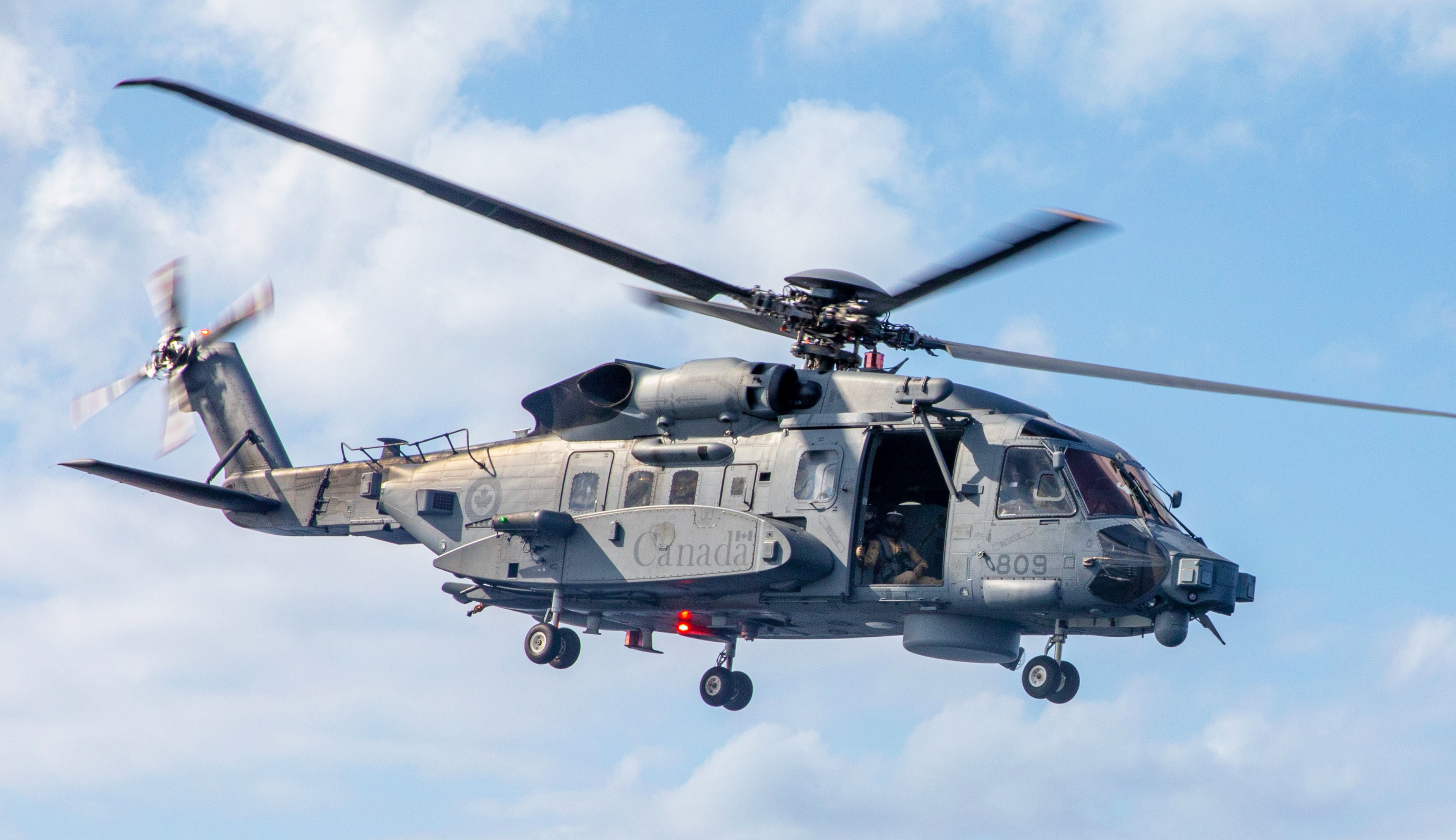
According to the Australian Department of Defence, about 300 Australian Defence Force personnel also participated in this Keen Sword, deploying P-8A Poseidon aircraft, the Anzac-class frigate HMAS Stuart, and cyber and space specialist teams. Additionally, Canada, France, Germany, the Netherlands, New Zealand, and the Philippines also took part. Notably, it is not just the number of participating countries that stands out, but the fact that maritime patrol, vessels, command and communication, and unmanned systems were connected under the same scenario. Experiments with underwater acoustic communication and autonomous systems are believed to be aimed at future protection of sea lines of communication (SLOC).
The Reality Indicated by North Korea's Over 10 Missile Launches
On October 29, during the exercise, North Korea launched more than 10 short-range ballistic missiles toward the Sea of Japan from near Wonsan. According to NHK, Japan's Ministry of Defense confirmed at least one missile, and the Japan Coast Guard reported no damage to vessels. The immediate activation of information sharing among Japan, the U.S., and South Korea serves as an evaluation point for the exercise; however, in a situation where numerous missiles are incoming in a short time, the ability to quickly communicate detection, identification, and engagement decisions to political leadership is called into question.
Blind Spots in the Japan-U.S. Alliance
The Japan-U.S. joint framework is steadily advancing in sophistication. However, the figures presented by the Australian Department of Defence—approximately 45,000 Self-Defense Forces personnel, 11,000 U.S. troops, 40 vessels, and 260 aircraft—do not imply that the same forces can be used simultaneously in actual combat. Since civilian airports, ports, and public lands were included as exercise locations, logistics, fuel, communication lines, and coordination with residents can constrain operational speed. While the participation of multiple countries sends a deterrent signal, it also incurs the cost of complicating command authority and rules of engagement.
The true challenge lies not in the number of sensors to detect missiles, but in whether different organizations can share the same situational picture and make decisions within minutes.
On October 31, the foreign ministers of the U.S., South Korea, and Japan reaffirmed their commitment to North Korea's complete denuclearization and the enforcement of sanctions. Diplomatic messaging and military exercises are mutually reinforcing; however, given the current situation where North Korea asserts its status as a nuclear power is irreversible, the practicalities of preventing crisis management failures become increasingly important. According to Tanaka, the greatest achievement of Keen Sword 27 is not the number of participating vessels, but the visualization of the ongoing challenge of whether Japan can transition information sharing with the U.S. military, Australian military, and South Korean military from peacetime statements to wartime decision-making.
Sources
- Japan Joint Staff Office "FY2026 Japan-U.S. Bilateral Joint Exercise Keen Sword 27" September 29, 2026
- Australian Department of Defence "Australia joins Japan and United States as Exercise Keen Sword commences" October 20, 2026
- NHK WORLD-JAPAN "North Korea reportedly launches ballistic missiles" October 29, 2026
- Al Jazeera "US, South Korea, Japan call for complete denuclearisation of North Korea" October 31, 2026
The Japan Self-Defense Forces and U.S. Armed Forces conducted joint integrated air defense training during the Keen Sword 27 exercise, which concluded on October 29, 2026. Over 45,000 personnel, 40 vessels, and 260 aircraft participated, with additional contributions from Australia and other allied nations. During the exercise, North Korea launched more than 10 short-range ballistic missiles, highlighting the need for effective missile detection and response capabilities among the allies.
- 45,000 personnel participated in the Keen Sword 27 exercise.
- North Korea launched over 10 short-range ballistic missiles during the exercise.
- The exercise included participation from Australia, Canada, France, Germany, the Netherlands, New Zealand, and the Philippines.
- The focus was on integrated air defense and missile defense capabilities.
- The exercise aimed to enhance operational coordination among allied forces.