

Congress Won’t End Iran War: How will the midterms impact America’s effort to tame the regime in Iran?
Likely, not much. President Trump has demonstrated too much success in his war against the regime for any Congress, controlled by any party, to demand that he hand victory back.
There is no question that President Trump thinks he has got this. Trump’s latest barb that if the Iranians could take out a city then they should aim for San Diego or Los Angeles was a poke at both the prostrate state of Iranian military power and his utter disdain for big Blue City governance. The offhand comment on the campaign trail, along with his casual promise that the “war will be over soon,” shows how little regard he has for the conflict as a serious political issue in the midterms. Where does that confidence come from?
In recent months, the president has heard voices from both parties calling his campaign a failed war of choice. Odds are, that rhetoric won’t change much in the run-up to national elections. All the political caterwauling aside, however, when the next Congress takes their seats in January 2027, they are going to be left with an Iran that can’t build a nuclear war; can’t block the Strait of Hormuz; can’t threaten neighbors with a barrage of ballistic missiles; and can’t control the radical surrogates that once terrorized the region at will.
The president’s opposition in Congress may never offer the president any credit for any of that or add the Iran campaign to Washington’s new victory arch. They may even find plenty of fault and continue to criticize the conduct of the commander in chief, but they will also find it strategically and politically impossible to let Iran become again the dangerous, destabilizing power of just a year ago.
World’s Biggest Loser
If Tehran understood American politics better, hadn’t been so enamored with the regime’s own rhetoric, and could read a calendar, perhaps it would have understood how senseless a strategy of just waiting for Donald Trump really was.
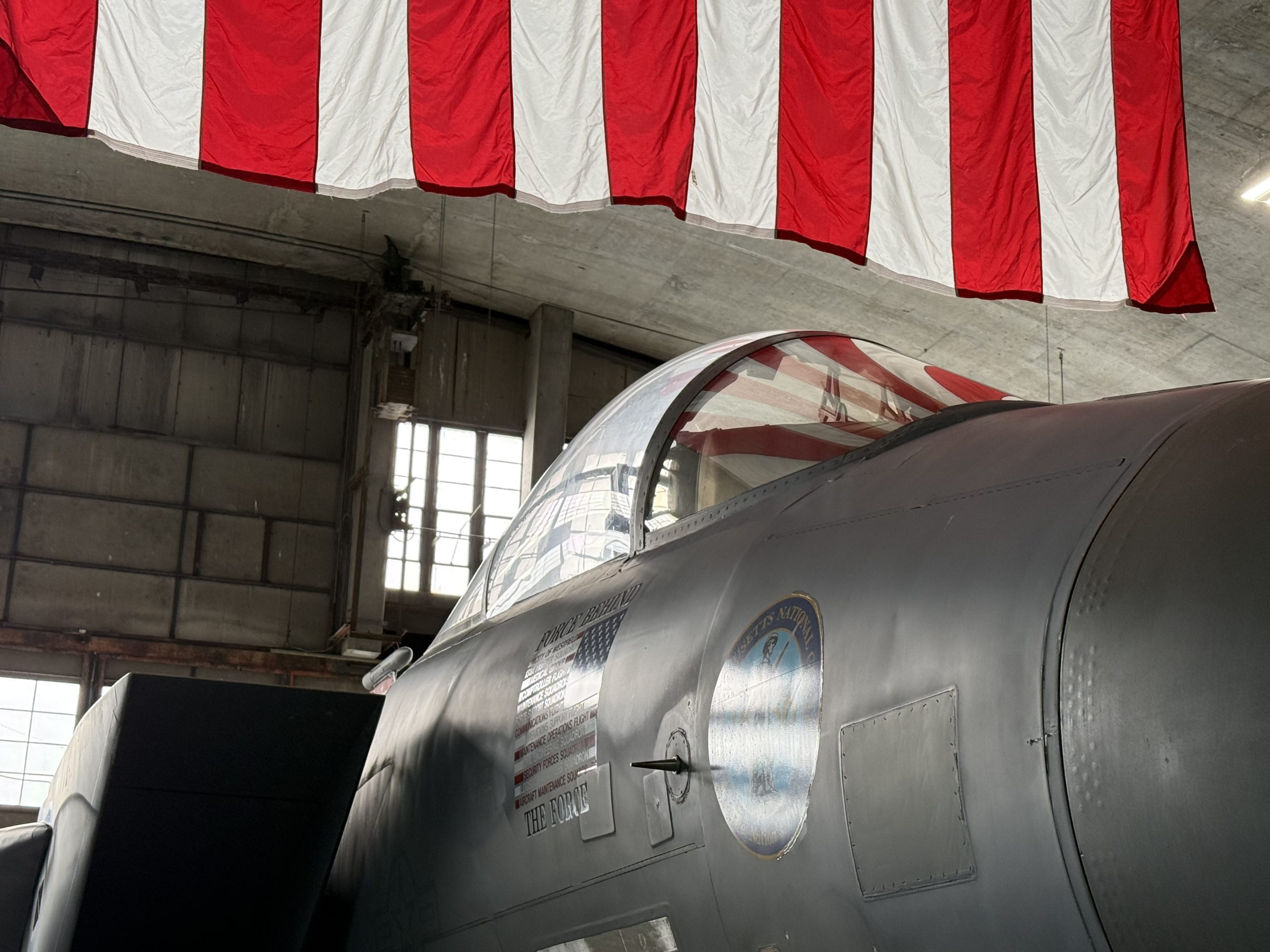
F-15 in museum. 19FortyFive original image taken by our staff.
Once Trump discounted the midterms in his determination to humble Iran (rejecting the conventional wisdom of winding down the war before Memorial Day in hopes of dropping gas prices for holiday travel and summer vacations), Tehran should have guessed their game was bust.
Even just the threat of extending the war for an additional three months (before American voters start to think seriously about voting after Labor Day) meant that the U.S. would have enough time to clear the passage through the strait, as well as ramp up economic pressure and strengthen the maritime blockade of Iran’s seaborne traffic. These measures undermined any scant measure of leverage the regime had left. Now, with Trump demonstrating a willingness to run this game as long as it takes and with demonstrable success in hand, the Iranians must know they can’t outlast America in a war of attrition where all the attrition is on Iran’s side.
Meanwhile, to add failure to catastrophe, the regime goaded the Houthis, its last surrogate with any appreciable military capability and strategic position, into going on the offensive. All that maneuver looks to have achieved is ensuring the Houthis’ collapse, after the Saudis and Yemeni government forces with American aid unleashed a crushing counteroffensive.
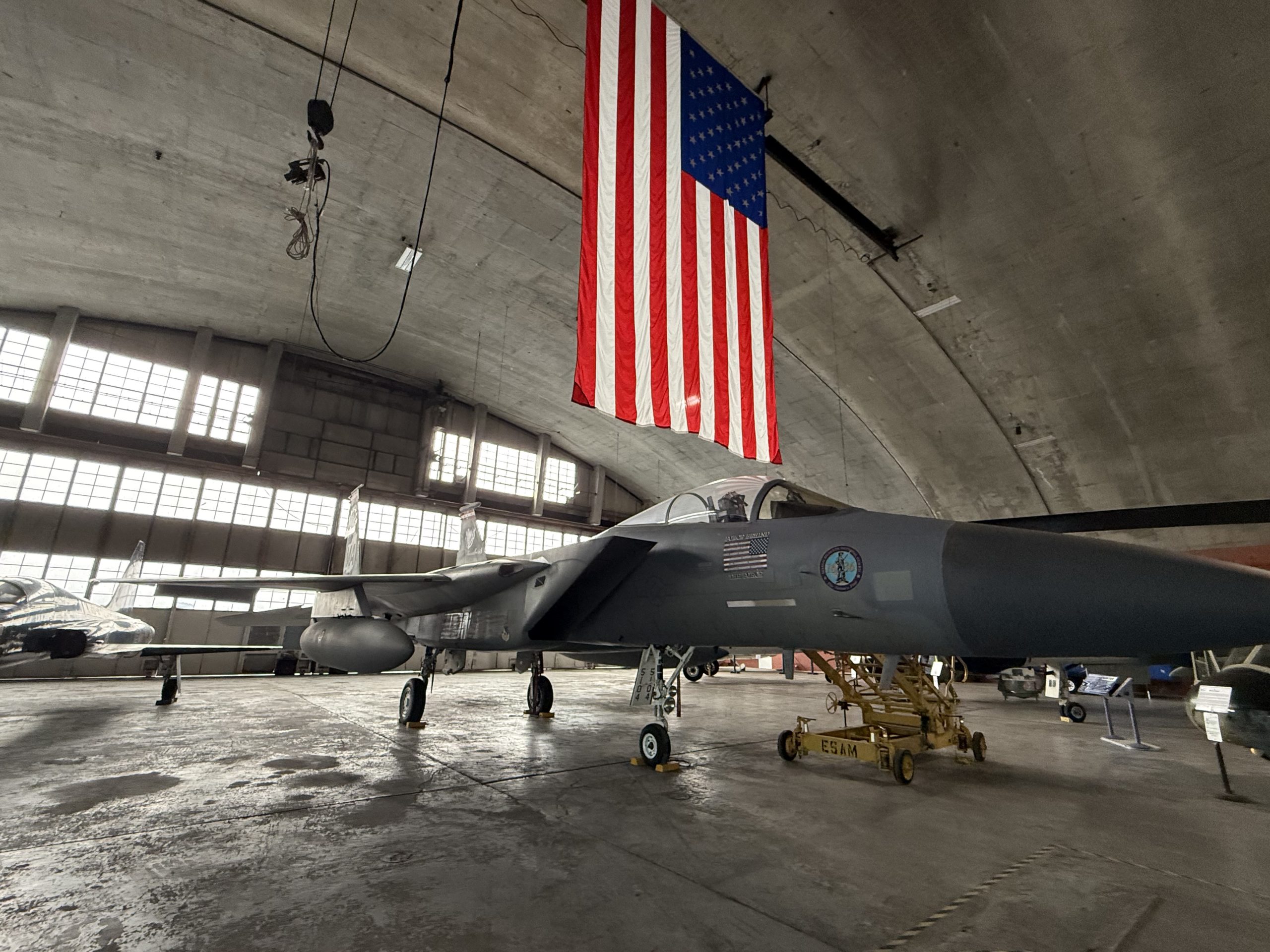
F-15 in museum. 19FortyFive original image taken by our staff.
At the same time, Washington faces almost no international pressure. The president’s influence in the region stands higher than ever. In fact, Trump’s trouncing of the Iran nuclear program got cheered on the floor of the UN, making that moment perhaps the worst day ever for Tehran in the war.
While the president flexes his global reach, the support that the Iran regime has been able to muster, including a modicum of aid from Russia and China and meet-and-greets with the Armenians, looks absolutely pathetic.
As much as Trump’s enemies want to hate Trump, would it make any sense to expend any political capital to give the Iran regime another shot at making a comeback? Think not.
Another Day in America
Meanwhile, without trying to predict who takes which house after the November elections, the top issues the day after the election will be the same as the day before—the economy and Trump. The Iran War won’t play a large role in either.
Economy. “Affordability” will be just as much a mantra for politicians after the election. With Middle East oil and gas imports already recovering to pre-war levels and the U.S. and other suppliers ramping up as fast as possible by November, it will be hard to argue that the war still affects global prices. Further, it is worth debating, after the pain of recent energy spikes, how aggressive anyone in Congress can be in squaring the need for affordable, reliable, and abundant energy with the green agenda, especially since the Trump team will fight any efforts to restrict fossil fuels and nuclear energy or subsidize renewable energy projects. Debates over energy and environmental policy, once all the rage, will likely be pushed into the background in the affordability debate—and that will make arguing over the Iran War a far less potent political issue.
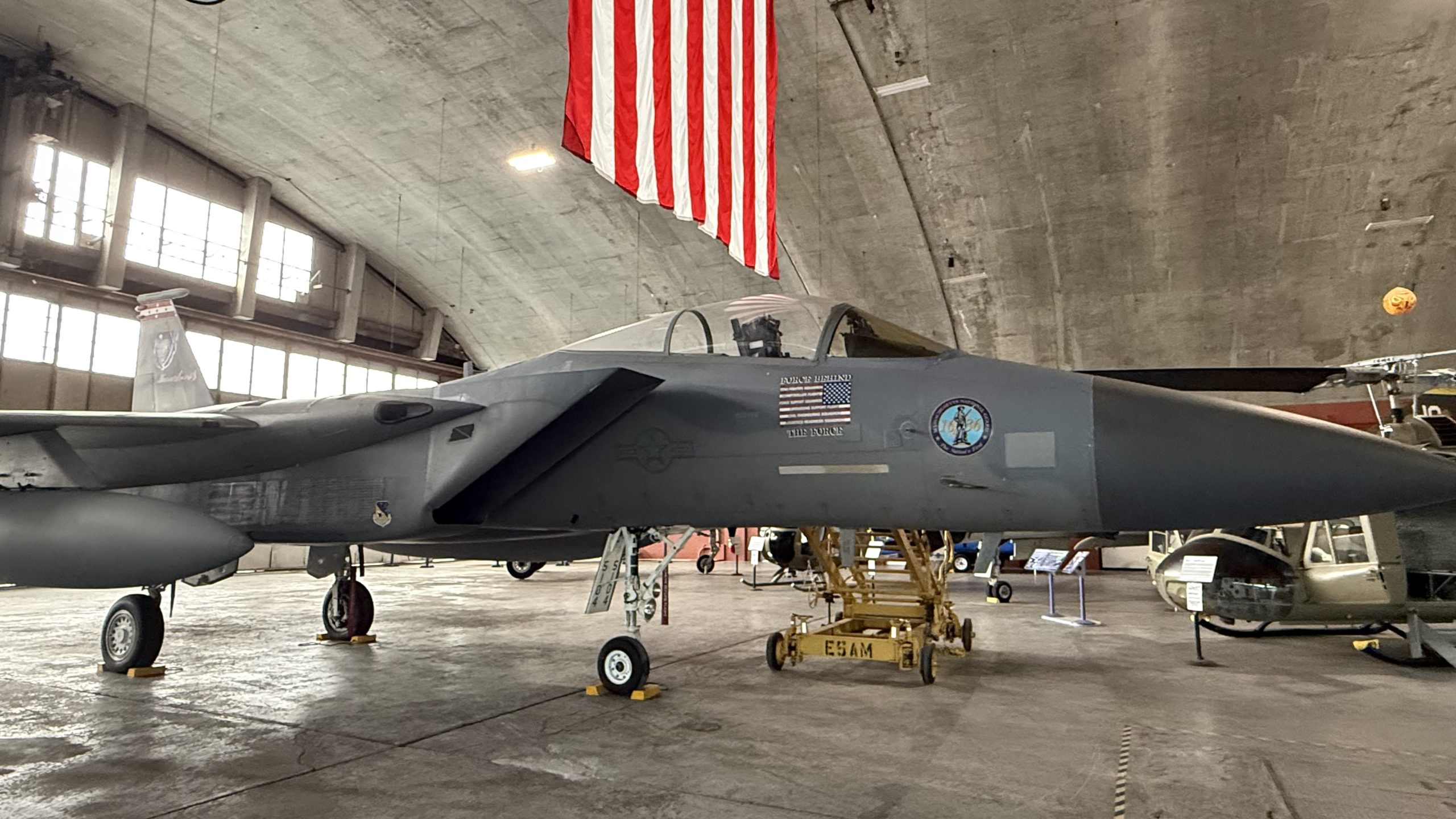
F-15 in museum. 19FortyFive original image taken by our staff.
Trump. Make no mistake: regardless of this election’s outcome, the 2028 contest will be a referendum on Donald Trump, no matter who the Republican and Democratic presidential candidates are.
That said, reflections on the war will probably be an issue in most voters’ rearview mirror. Those who hate Trump will probably always believe the war was unnecessary and badly managed. Those who admire Trump will remain convinced he did the right thing. Everyone else will vote on other issues—and that group will decide the 2028 election.
America and the Middle East
Further, if Congress is more recalcitrant, it may give Trump a lot of grief on many issues, but likely not on the tasks the U.S. will take in the wake of the war to strengthen America’s role in the region and promote greater stability, prosperity, and security.
There could indeed be a firewall on how much anguish either political party can afford to give Trump in the aftermath of the Iran conflict without alienating the electorate. If politicians aren’t careful, Islamist influences and money in American politics could become a Grand Canyon-sized political divide.
While Republicans and Democrats have had their differences on Middle East policy in the past, what has changed in recent years is the deepening influence of anti-Israeli sentiment and anti-Zionism, particularly on the left. If the party’s more extreme wing pulls Democrats too far in that direction, it risks alienating too many mainstream voters.
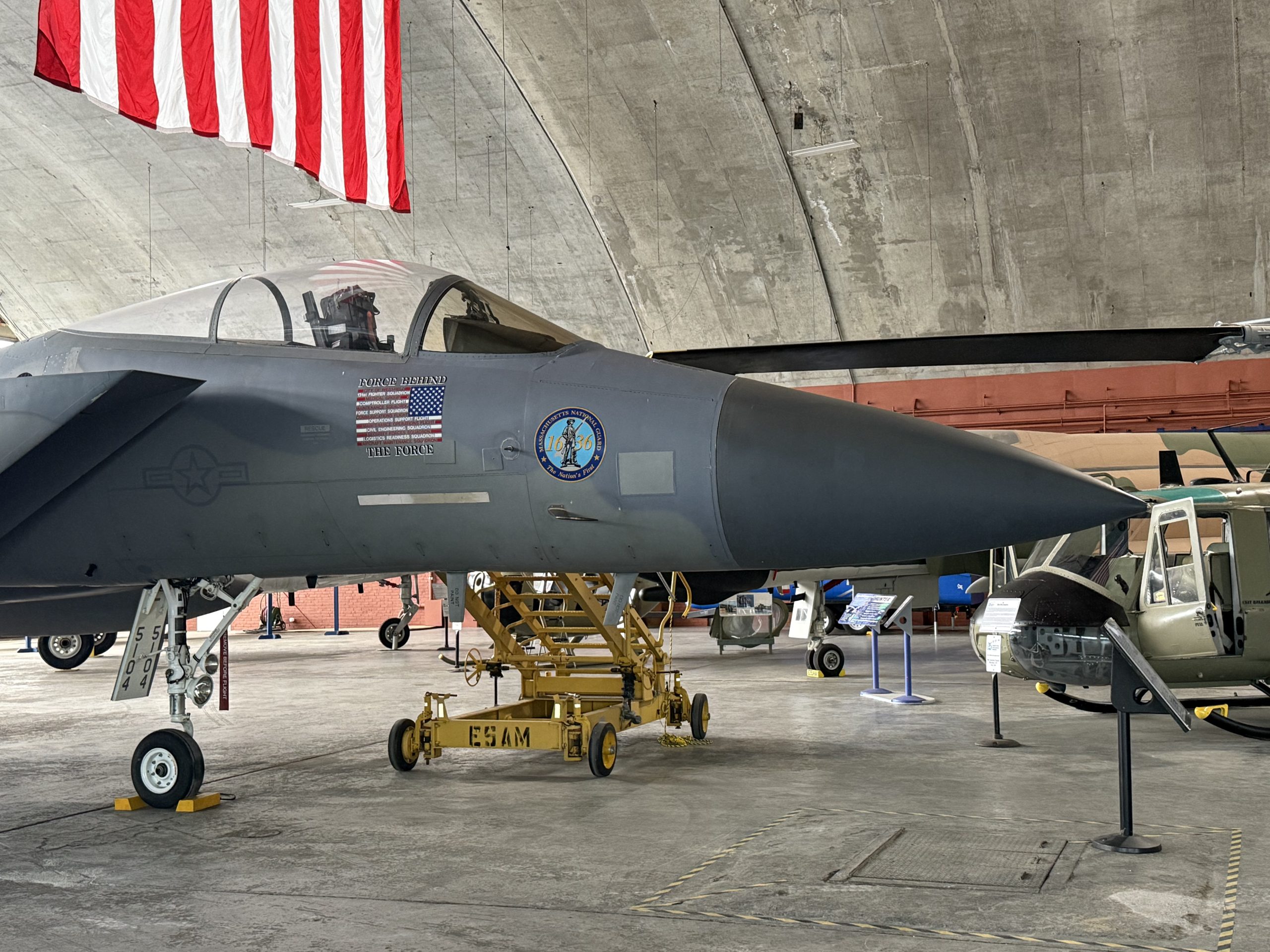
F-15 in museum. 19FortyFive original image taken by our staff.
While there is no question that antisemitism is increasing, the latest research by the American Jewish Committee shows that upwards of 70% of Americans see the rise of antisemitism as a problem. Making too much of the aftermath of Iran, trying to squash the Trumpian effort to remake the region, at home could carry more downsides than upsides.
The Middle East may not become the land of milk and Honey anytime soon, but as long as Trump avoids quagmires and the link between the war and the affordability issue grows more tenuous, even a Congress bent on curbing Trump’s power will likely focus on other issues.
About the Author: Dr. James Jay Carafano
James Jay Carafano is a national security expert and a 25-year Army veteran. His most recent books are Cold Combat: Mountain Warfare in Italy and the Battle of San Pietro, 1943, and Digital Dominance: Winning in a Socially Networked World. He is a 19FortyFive Contributing Editor. Carafano is also a Senior Counselor to the President and E.W. Richardson Fellow at The Heritage Foundation.