
Iran claims to complete nuclear agreement draft within 3 days as the US's largest nuclear-powered aircraft carrier enters the Mediterranean Sea.
On the day after the U.S. issued another "ultimatum" to Iran, Iranian Foreign Minister Zarif stated on the 20th that the drafting of the nuclear agreement would be completed within 2 to 3 days and would be submitted to the U.S. after receiving final approval from Iranian leaders.
On the same day, U.S. President Trump confirmed that he was considering a "limited initial military strike" against Iran. U.S. officials revealed that the military action against Iran could include targeted eliminations and efforts to push for a regime change in Tehran.
Although both sides have expressed a desire to reach an agreement, the reality is that the U.S.-Iran conflict is on the brink of escalation. Analysts believe that if the U.S. takes military action against Iran, it will lead to unpredictable and highly destructive chain reactions.
The U.S. Issues Warnings and Increases Pressure
The Largest Aircraft Carrier Approaches the Middle East
On the 20th, President Trump spoke twice about the Iran issue, applying further pressure on Iran. U.S. officials stated that military planning against Iran has entered a more advanced stage.
Trump Confirms Considering "Limited" Strikes on Iran
On the 20th local time, Trump confirmed to the media before a working breakfast with governors from various states at the White House that he was considering a "limited initial military strike" against Iran. However, he did not provide specific details.
At the White House press conference that day, he warned Iran that a "fair agreement" should be reached.
U.S. Officials: Military Planning Upgraded, May Involve Targeted Eliminations
On the 20th, a CCTV reporter learned that two U.S. officials revealed that the U.S. military's planning for Iran has entered a more advanced stage, including targeted strikes against specific individuals, and even pushing for regime change in Tehran if President Trump gives the order.
The latest plans indicate that the U.S. is developing more specific and targeted strike options, awaiting Trump's final decision.
Some U.S. officials mentioned that the targeted strikes carried out by Israel during last year's 12-day conflict with Iran demonstrated the "practicality of targeting command-level objectives," especially against the Revolutionary Guard command system personnel. However, they emphasized that precision strikes require high levels of intelligence support and may carry risks of collateral damage.
The U.S. Largest Aircraft Carrier Enters the Mediterranean
Currently, the U.S. military has deployed a large number of forces in the Middle East, primarily concentrated in aircraft carrier strike groups and fighter jet formations. Strategic bombers from the U.S. mainland can also participate in operations.
Recent reports indicate that the U.S. largest nuclear-powered aircraft carrier, the USS Gerald R. Ford, and an escort destroyer have appeared near Gibraltar. The Ford has passed through the Strait of Gibraltar and entered the Mediterranean.
The White House had previously ordered the deployment of a second aircraft carrier to the Middle East. The Ford and its escort vessels were dispatched from the Caribbean to the Middle East and will join the Abraham Lincoln carrier strike group located in the Persian Gulf.
Iran: The Only Solution is Diplomacy
"Finalizing the Agreement Draft in Three Days"
On the 20th local time, Iranian Foreign Minister Zarif stated that there is no military solution to Iran's peaceful nuclear program, and the only solution is diplomacy.
"Finalizing the Agreement Draft in Three Days"
Zarif stated that both Iran and the U.S. hope to reach an agreement as soon as possible, and the only question is how to achieve a "fair, win-win, and just" agreement.
He also mentioned that Iran has decided to draft a possible agreement to discuss at the next negotiation and to begin negotiations on the text. "I believe it can be completed within two to three days." After the draft is confirmed by senior officials, it will be submitted to U.S. presidential envoy Hook.
Preparing for War While Negotiating
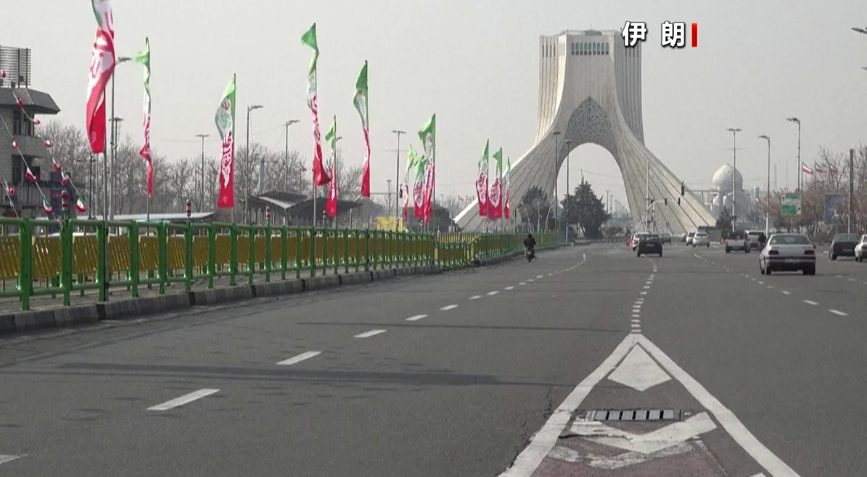
While Iran engages in dialogue and negotiations with the U.S., showing a willingness to resolve differences, it is also fully preparing for war, demonstrating its determination for self-defense and counterattack capabilities.
In the context of increasing military pressure from the U.S., the Iranian Islamic Revolutionary Guard Corps Navy conducted live-fire exercises in the Strait of Hormuz from the 16th to the 17th, during which its warships launched new missiles, and drone units practiced offensive maneuvers.
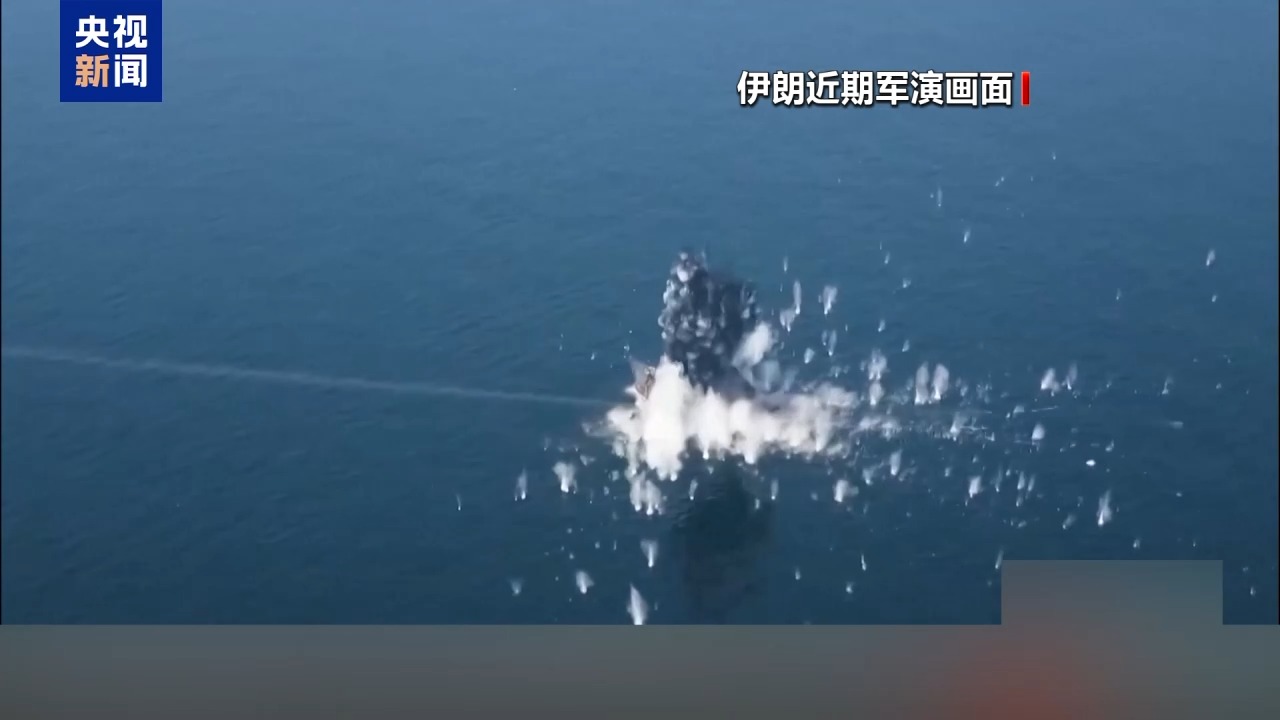
On the 19th, the Iranian Navy also held a one-day joint exercise with the Russian Navy in the Sea of Oman and the northern Indian Ocean.
On the 19th, Iran's permanent mission to the United Nations stated in a formal letter to the UN Security Council that Iran does not seek tension or war and will not initiate war. If faced with military aggression, Iran will respond, and all bases, facilities, and assets of "hostile forces" in the region will become legitimate targets for strikes.
If the U.S. Attacks Iran
It Will Trigger Multiple Responses
Analysts believe that the Trump administration is attempting to use extreme military pressure to force Iran to make concessions in negotiations, aiming for "the greatest gain at the least cost"; if unsuccessful, it may launch military strikes against Iran.
If the U.S. takes military action against Iran, what consequences could arise? The BBC lists several possibilities.
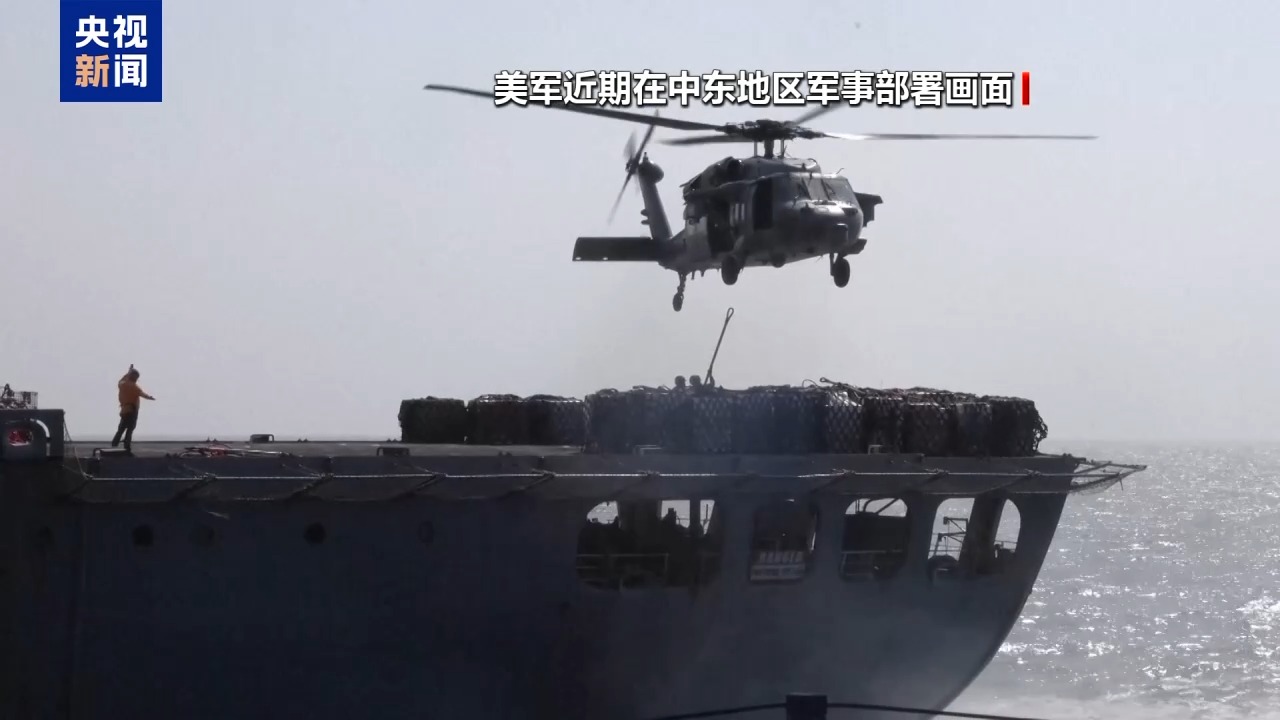
Possible Outcomes of U.S. Military Actions:
1. U.S. naval and air forces conduct limited precision strikes against the military bases, ballistic missile launch and storage facilities of the Iranian Islamic Revolutionary Guard Corps and its affiliated Basij militia, potentially overthrowing the current Iranian regime.
2. The U.S. strikes may fail to overthrow the Iranian regime but could force it to adjust its policies, reduce support for armed groups in various regions of the Middle East, and halt or scale back its nuclear and ballistic missile programs.
3. After the current regime in Iran collapses, a strong military government led by the Iranian Islamic Revolutionary Guard Corps will take its place.
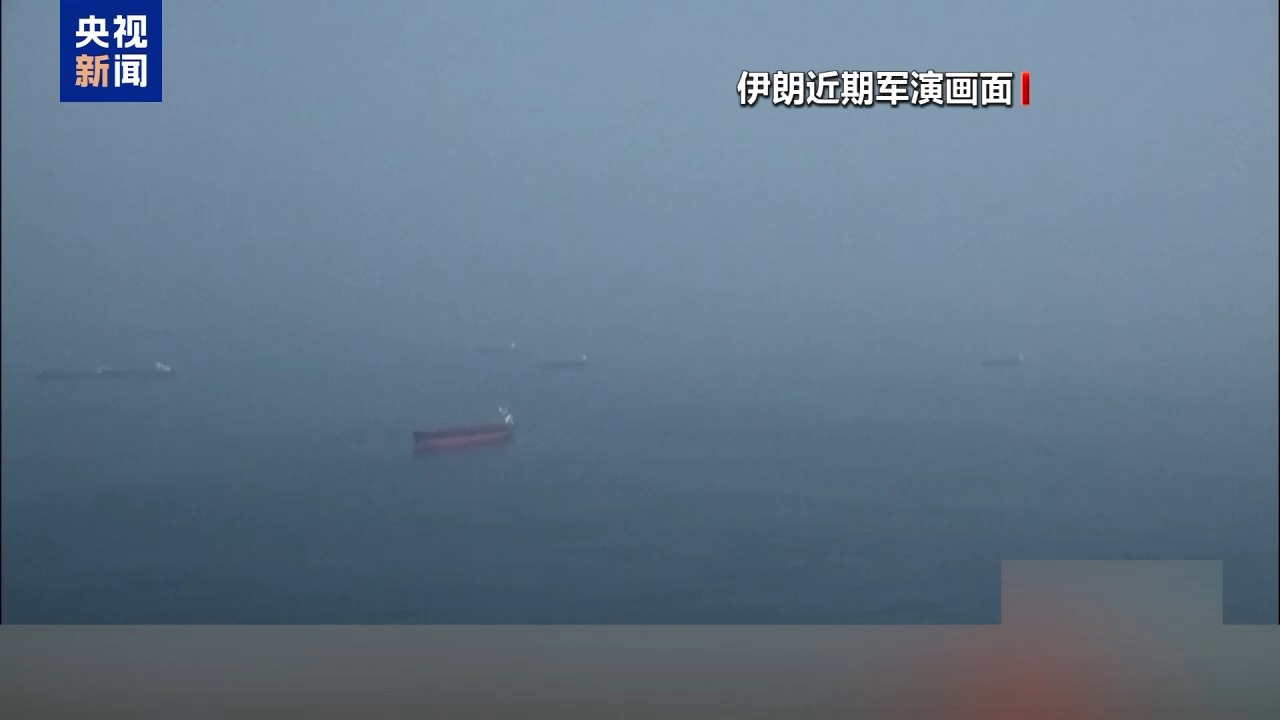
Possible Iranian Retaliatory Measures:
1. Launching missile and drone attacks against some U.S. military bases and targets in Israel and the Middle East.
2. Laying mines in the waters of the Persian Gulf.
3. Sinking U.S. warships. Some U.S. Navy officers have stated that if Iran were to deploy a large number of drones and fast torpedo boats at once, even the most advanced U.S. shipboard defense systems would be unable to withstand such a saturation attack.
Overall, U.S. military action against Iran could lead to unpredictable and highly destructive chain reactions.
However, analysts say that the U.S. has not yet taken action due to military considerations and multiple concerns.
First, the U.S. is still deploying more military forces, especially waiting for the arrival of a second aircraft carrier strike group in the Middle East. Second, the U.S. is concerned about triggering a long-term large-scale conflict that would deplete its strategic resources and energy. Additionally, there are concerns about causing severe fluctuations in the global energy market, which could harm the U.S. economy.
From the perspective of public opinion in the U.S., a Quinnipiac University poll conducted in January this year showed that 70% of American voters do not want the U.S. to take military action against Iran. If military action against Iran does not yield significant "results," it could lead to domestic and international criticism, and even harm the U.S. economy, which could further decrease the Trump administration's domestic approval ratings. This year is a midterm election year for the U.S. Congress, and this political cost is also a significant concern for the Trump administration.
Reporter: Li Jiannan, Zhu Lei
On October 20, 2023, U.S. President Trump confirmed consideration of limited military strikes against Iran as the USS Gerald R. Ford entered the Mediterranean Sea. Iran's Foreign Minister stated a nuclear agreement draft would be completed in 2-3 days. Concurrently, Iran conducted military exercises in the Strait of Hormuz, demonstrating its defensive capabilities amid rising tensions.
- Iran's Foreign Minister announced a nuclear agreement draft will be completed in 2-3 days.
- U.S. President Trump is considering limited military strikes against Iran.
- The USS Gerald R. Ford has entered the Mediterranean Sea.
- Iran conducted military exercises in the Strait of Hormuz.
- U.S. military planning includes targeted strikes against Iranian leadership.