
Russia's Kaliningrad Nuclear Threat Tests NATO's Baltic Nerve in 2026
 Alexandra Reeves
Russia's Kaliningrad Nuclear Threat Tests NATO's Baltic Nerve in 2026
Russia has not blockaded Kaliningrad. NATO has not tried to isolate it. That is precisely why Moscow's new nuclear warning matters: it is an attempt to define a future crisis before one exists, and to make every Baltic security measure look like an act of aggression.
The Threat Was Informal, But Deliberate
According to Lithuania's public broadcaster LRT, Russia's embassy in Belgium sent NATO a non-paper warning that Moscow was prepared to use its entire arsenal if alliance members attempted to isolate the Kaliningrad region from the rest of Russia. NATO confirmed receiving the informal document. Its spokeswoman, Allison Hart, condemned threats involving force and nuclear weapons.
The wording is important. A non-paper is not a treaty notification or a formal military ultimatum. It is diplomatic pressure with plausible deniability. Moscow can insist that it is merely responding to Western provocation, while ensuring that the warning reaches every government planning for the Baltic theatre.
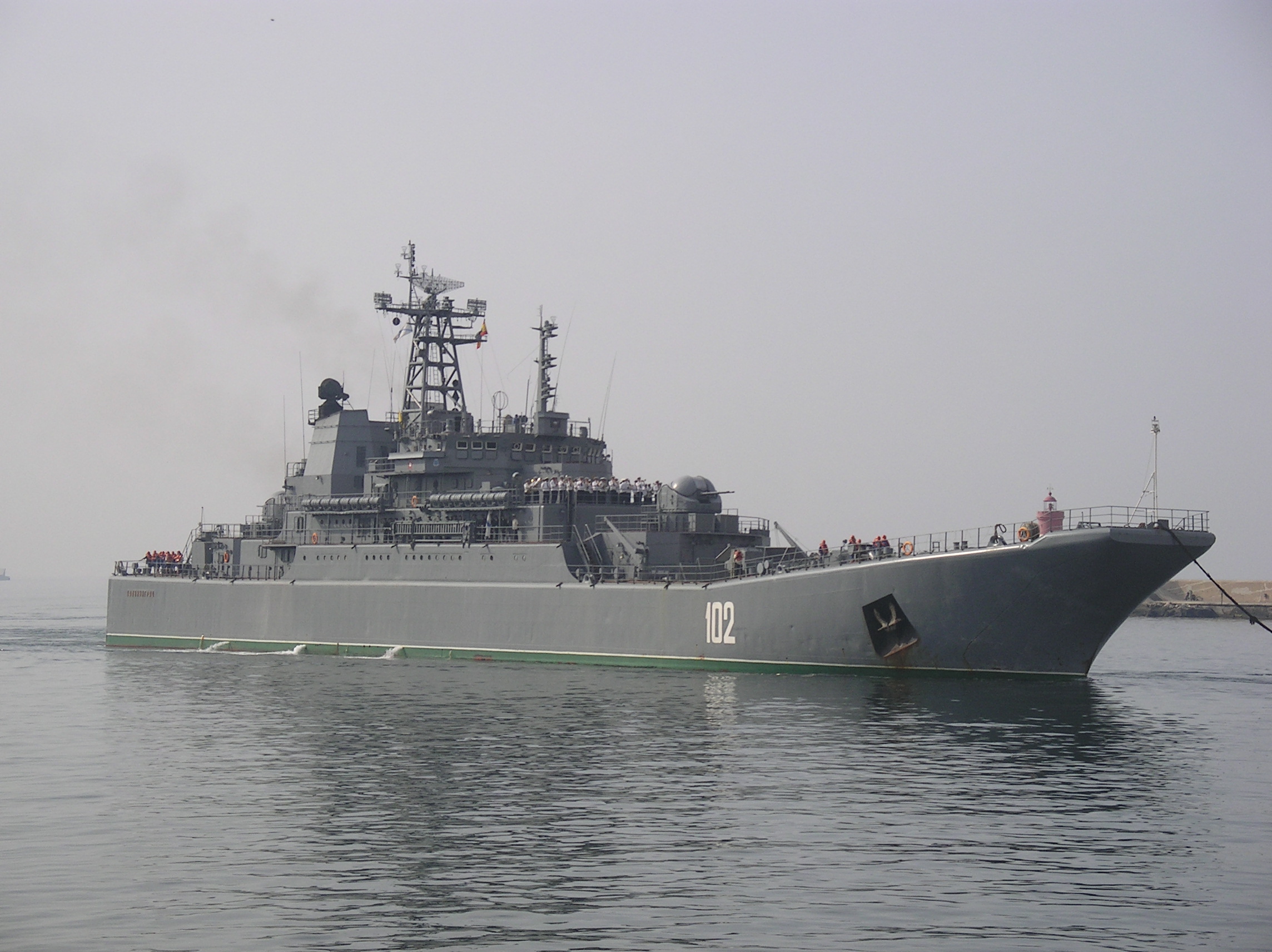
Kaliningrad is a Russian exclave between Poland and Lithuania, home to military forces and the Baltic Fleet. Its geography makes it a natural pressure point in any NATO contingency, but geography is not the same as an alliance plan to seize or starve the territory. Lithuania's presidential national security adviser called the accusation baseless and described it as psychological pressure.
Why Moscow Chose This Moment
The warning arrives as NATO allies are dealing with several problems at once. Russia is waging its war in Ukraine, testing the alliance with hybrid operations, and using increasingly aggressive rhetoric around the Baltic region. LRT reported that the Russian statement referred to NATO activity near Kaliningrad, including exercises and Baltic Sentry. The message is familiar: turn defensive surveillance and deterrence into evidence of an offensive conspiracy.
That narrative also benefits from ambiguity. NATO does not need to announce a plan for Kaliningrad to conduct exercises, reinforce air policing, protect undersea infrastructure or prepare for a Russian attack on a Baltic ally. But each of those actions can be described by Moscow as preparation for “isolation.” The Kremlin is trying to make routine defence look escalatory.
This is not only a Baltic problem. The BBC reported that Estonia had concluded a fire at Milrem Robotics, a defence company supplying unmanned vehicles to Ukraine, was a Russian special-service-ordered sabotage attack. Estonia said the perpetrators had been arrested; Russia denied the allegation. NATO Secretary General Mark Rutte described a broader campaign of hostile actions designed to weaken support for Ukraine.
Put the two developments together and the pattern is clearer. Sabotage creates uncertainty below the threshold of war. Nuclear rhetoric raises the imagined cost of responding. Neither move needs to produce a battlefield clash to influence European decision-making.
The Real NATO Test Is Attribution
Europe's instinct is to separate “hybrid” incidents from conventional deterrence. That division is becoming harder to sustain. A fire at an arms supplier can delay deliveries, frighten investors and force a government to spend scarce security resources. A nuclear warning can make the same government hesitate before increasing military activity nearby. The effects are strategic even when the damage is small.
Belgian Defence Minister Theo Francken told the Guardian that Europe should expect more hybrid actions this winter and warned that Russia had long experience in making attribution difficult. He also pointed to the need for more air defences, larger stocks and faster production, especially as Russia expands its use of jet-powered drones.
Francken's bluntness is useful, but his conclusion is incomplete. Europe does not merely need more interceptors. It needs a common political threshold for responding to sabotage, coercive signalling and attacks on defence infrastructure. If every capital waits for courtroom-level proof before naming the strategic campaign, Moscow gets the benefit of doubt and the alliance absorbs the cost.
What Comes Next
NATO should neither panic nor dismiss the non-paper. Lithuania is right to call it psychological pressure, but psychological pressure is still an instrument of state power. The practical response is to keep Baltic defence activities transparent, improve protection for military-industrial sites, and make clear that nuclear threats will not veto lawful alliance preparations.
The immediate indicators are straightforward: whether Russia repeats the Kaliningrad warning through official channels; whether more sabotage cases appear around European defence suppliers; and whether NATO governments coordinate public attribution instead of issuing disconnected national statements. Those details will reveal whether the alliance has learned to treat grey-zone coercion as a collective security problem.
Russia is not announcing an imminent attack on Kaliningrad. It is trying to make NATO think about one on Moscow's terms. The uncomfortable conclusion is that the alliance's Baltic nerve will be tested long before anyone crosses a border—and Europe still has not decided how much pressure it is willing to absorb without blinking.
Sources
Russia issued a nuclear threat to NATO regarding the Kaliningrad region, warning that any attempts to isolate it would provoke a response. This warning was communicated through a non-paper sent to NATO, which was confirmed by alliance officials. Lithuania's national security adviser dismissed the threat as psychological pressure, while NATO condemned the use of force and nuclear rhetoric. Concurrently, Estonia reported a sabotage incident attributed to Russian operatives.
- Russia sent a non-paper warning to NATO regarding Kaliningrad.
- The warning indicated readiness to use its nuclear arsenal if isolated.
- NATO confirmed receipt of the warning and condemned the threats.
- Lithuania's officials described the warning as psychological pressure.
- Estonia reported a sabotage incident linked to Russian special services.