
Iran: Closely Monitoring US Movements, Will Respond to Provocations with "Devastating" Countermeasures
[Global Times Special Correspondent in Pakistan, Huang Xiaona] On the 27th, the spokesperson for the Iranian Armed Forces General Staff, Shekarchi, stated that any provocative actions by the United States will be met with a "decisive and devastating" response from the Iranian Armed Forces. Shekarchi said that the Iranian Armed Forces are closely monitoring the movements of the U.S. military and Israel in the region and are fully prepared. On the same day, the Deputy Commander of the Iranian Army's Ground Forces, Cyrus, also stated that with capabilities in drones, missiles, and the firm belief of the personnel, Iran is fully prepared to respond to any actions by enemy forces and to defend national sovereignty.
According to reports from the Islamic Republic News Agency and other media, the Iranian military made this statement as the third round of indirect talks between Iran and the U.S. was held in Geneva on the 26th. The signals released by all parties regarding the outcome of this meeting are complex. The mediators, Oman and Iran, both stated that good progress has been made. Iranian Foreign Minister Zarif stated in an interview with Iranian media on the 27th that the third round of talks has entered a more serious and in-depth phase. He said that in this round of negotiations, both sides reached a consensus on most elements that could form the basis of an agreement. Regarding the current situation in Iran and the military pressures and threats it faces, Zarif stated: "The U.S. must make a choice, whether to take the path of peaceful dialogue or the path of confrontation and tension." According to AFP, Iranian authorities stated on the 27th that to reach an agreement, the U.S. must abandon its "excessive demands." However, some foreign media commented that no binding agreement was reached in this round of negotiations, and there are still differences between the two sides on core issues, namely Iran's uranium enrichment.
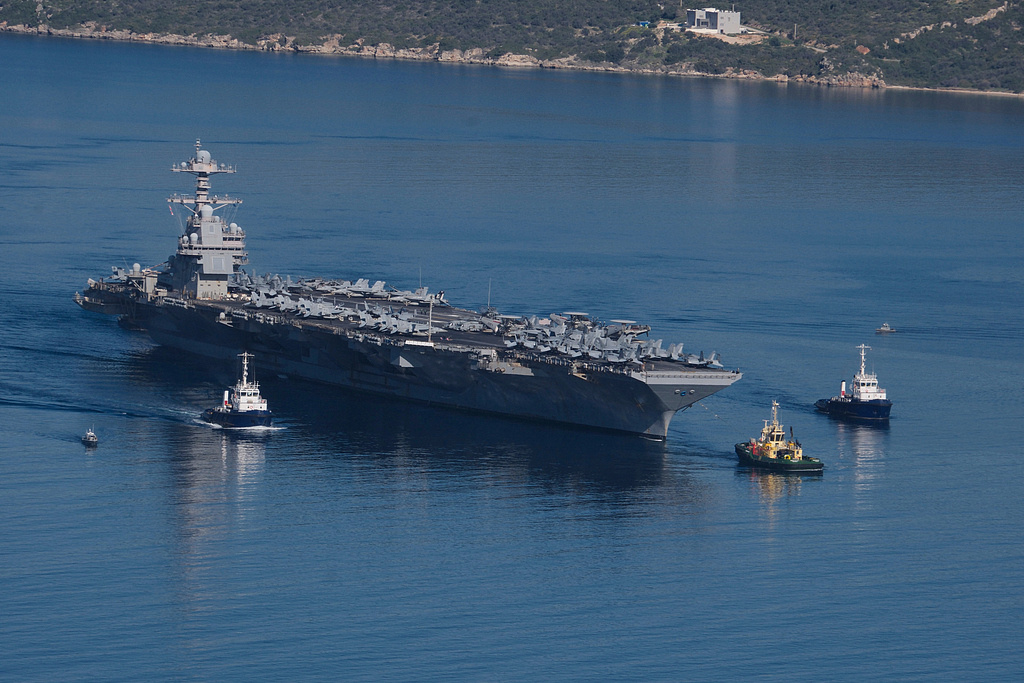
As the differences between Iran and the U.S. remain unresolved, the U.S. continues to ramp up its military deployments around Iran. On the 27th, the U.S. aircraft carrier USS Ford arrived in waters near Israel. Additionally, about 20 U.S. military refueling aircraft arrived at an Israeli airport on the evening of the 26th. According to ABC News, General Cooper, the commander of the U.S. Central Command responsible for military operations in the Middle East, reported to Trump on the 26th regarding possible military options against Iran, one of which is to conduct limited strikes on Iran's ballistic missile launch sites and nuclear facilities as a warning to compel Tehran to agree to Trump's demands. At the same time, Trump is also considering launching large-scale military operations to continuously strike numerous Iranian targets over a period of time.
Iranian armed forces are closely monitoring U.S. and Israeli military movements and are prepared to respond decisively to any provocations. On the 27th, Iranian officials stated that they have the capability to defend their sovereignty using drones and missiles. Concurrently, the U.S. has increased its military presence near Israel, deploying an aircraft carrier and refueling aircraft. Indirect negotiations between Iran and the U.S. are ongoing, with both sides signaling complex positions regarding potential agreements.
- Iranian armed forces will respond decisively to U.S. provocations.
- Iran is closely monitoring U.S. and Israeli military movements.
- The U.S. has increased military presence near Israel, including an aircraft carrier and refueling aircraft.
- Iran is prepared with drones and missile capabilities to defend its sovereignty.
- Indirect negotiations between Iran and the U.S. are ongoing, with complex signals from both sides.