
Iran Conducts Military Drills Again as the U.S. Deploys F-22s: U.S. and Iran Intensify "Troop Arrangements" on the Eve of Negotiations
On the eve of the new round of negotiations between the U.S. and Iran on the 26th, the Iranian Islamic Revolutionary Guard Corps conducted military exercises in the southern coastal region of Iran on the 24th. At the same time, the U.S. military deployed 11 F-22 fighter jets to southern Israel and assembled a carrier strike group, including the USS Lincoln and USS Ford, around Iran, showcasing the largest military deployment since the Iraq War.
Despite the escalating risks of military confrontation, both sides are still sending diplomatic signals— the White House emphasized that diplomatic means are the preferred option, and the Iranian foreign minister expressed determination to reach a fair agreement in the shortest time possible.
On the eve of negotiations
The U.S. and Israel continue to "deploy troops"
The Iranian military conducts exercises in the southern coastal region
According to reports from Iran on the 24th, the ground forces of the Iranian Islamic Revolutionary Guard Corps held military exercises in the southern coastal region of the country.
It is reported that the purpose of this exercise is to "practice the latest tactics against existing threats and maintain the security of the southern coastal region and islands." The exercises were held in southern Iran and the islands of the Persian Gulf, with one of the features being the use of new weapons for precision strikes, combined with modern technology to implement joint tactics at different levels.
The U.S. military deploys 11 F-22 fighter jets to southern Israel
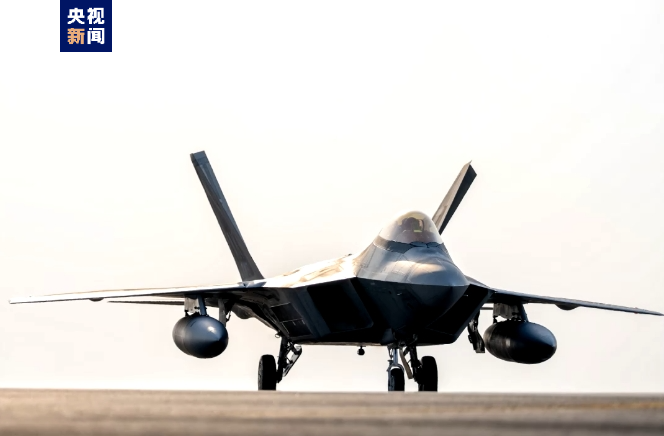
Earlier on the 24th local time, 12 U.S. F-22 fighter jets took off from the UK heading to Israel. Except for one that returned due to technical issues, the remaining 11 jets arrived in Israel that day and were deployed at an air force base in southern Israel.
It is understood that such fighter jets can perform multiple missions, including penetrating enemy airspace, destroying air defense systems, and radar. This U.S. action may be a preparation for Israel to respond to Iranian missile attacks.
Israel is improving its preparedness on multiple fronts
According to Israeli media reports on the 23rd, Israel is "improving its preparedness on multiple fronts."
It is reported that the Home Front Command under the Israel Defense Forces and local Israeli authorities are updating their readiness plans, focusing on "multi-domain response options." The Israeli military has also deepened its military operations against Lebanon to further limit Hezbollah's "operational space" and prevent its involvement in potential military conflicts.
Reports indicate that U.S. troop reinforcements to the Middle East are ongoing, and the Israeli military is "maintaining close coordination" with the U.S. military in preparation for a potential breakdown in negotiations between the U.S. and Iran. It is estimated that the current U.S. strategy is to "show its weapons" to force Iran to reach an agreement.
Israeli intelligence officials: U.S. military can only sustain high-intensity airstrikes against Iran for 4 to 5 days
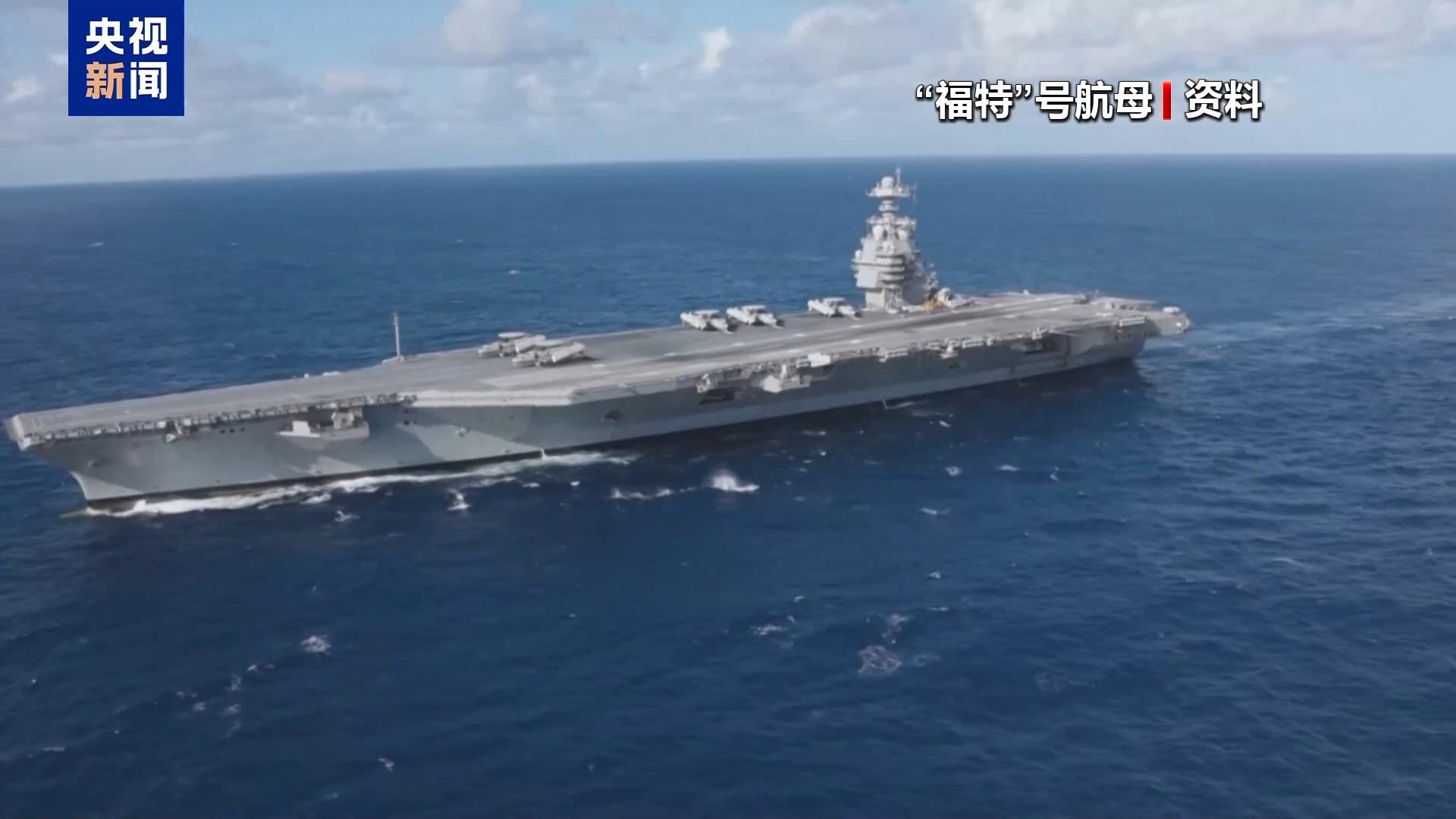
An Israeli intelligence official revealed on the 24th that even if the USS Ford carrier strike group arrives near Iran, the current military capability of the U.S. can only sustain high-intensity airstrikes for 4 to 5 days, or about a week of low-intensity strikes.
Some media analysts have stated that after weeks of continued pressure on Iran without obtaining substantial concessions, President Trump is weighing whether to take larger-scale military action against Iran.
Recently, the U.S. has deployed one of the largest military forces to the Middle East since the Iraq War. The U.S. has already deployed the USS Lincoln carrier strike group around Iran, and the USS Ford carrier strike group has arrived at Crete, Greece.
Experts on regional issues and U.S. government officials have warned that if the U.S. launches new strikes against Iran or a larger-scale conflict erupts, Iran may retaliate against U.S. military assets, American allies, and energy infrastructure in the region.
Both sides are still sending positive diplomatic signals
White House: The preferred option for the Iran issue is always diplomacy
On the 24th local time, White House Press Secretary Levitt stated that regarding the Iran issue, Trump's preferred option is always diplomatic means, but he is also willing to use lethal force if necessary, "the final decision always rests with Trump." Levitt also accused some U.S. media of citing "anonymous sources" to make "completely unfounded speculative reports."
President Trump stated on the 24th that he believes Iran is "more eager to reach an agreement" than the U.S. to avoid military strikes, but Tehran has yet to clearly state that it will not develop nuclear weapons.
The day before, Trump stated on social media that he "would prefer to reach an agreement (with Iran)," but if an agreement cannot be reached, it will be "a very bad day" for Iran. Trump also emphasized that whether to take military action against Iran, "the final decision is in my hands."
Iranian Foreign Minister: Hopes to reach a fair agreement with the U.S. in the shortest time
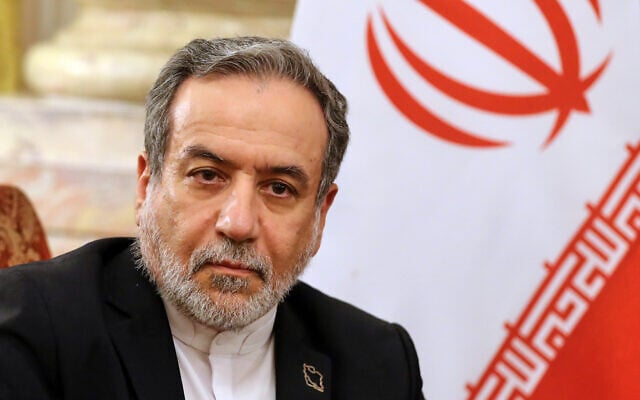
△ Iranian Foreign Minister Zarif
On the evening of the 24th local time, Iranian Foreign Minister Zarif stated that based on the consensus reached in the previous round of negotiations, Iran will resume talks with the U.S. in Geneva, determined to reach a fair and reasonable agreement in the shortest time possible.
Iran's fundamental position and belief are very clear: under no circumstances will it seek to develop nuclear weapons, and the Iranian people will never give up their right to peacefully use nuclear technology.
He pointed out that there is now a historic opportunity to reach an unprecedented agreement to address common concerns and safeguard mutual interests. An agreement is imminent, but the premise must prioritize diplomatic avenues. Iran has proven that it will spare no effort to defend its sovereignty. Iran will return to the negotiating table with the same courage, striving for a peaceful resolution of all differences.
Iranian Deputy Foreign Minister: Iran is ready to reach an agreement with the U.S. as soon as possible
Iranian Deputy Foreign Minister Lavanchy stated on the 24th that Iran will negotiate sincerely and in good faith, hoping to receive a response from the U.S. If all parties show political will, Iran and the U.S. can reach an agreement as soon as possible. "But if Iran is attacked or invaded, we will respond according to our established defense plans; everyone should understand that starting a war is possible, but ending a war is not easy. Meanwhile, the entire region will bear the consequences of invading Iran."
When asked about the proposal Iran plans to submit to the U.S. in the next round of negotiations, Lavanchy emphasized that the "only topic of negotiation is the nuclear issue."
Iran's Islamic Revolutionary Guard Corps conducted military exercises in southern coastal areas on the 24th, while the U.S. deployed 11 F-22 fighter jets to Israel. This deployment is part of a larger military buildup, including aircraft carrier strike groups near Iran, ahead of negotiations scheduled for the 26th. Both nations are signaling diplomatic intentions despite heightened military tensions.
- Iran's IRGC conducted military exercises in southern coastal areas on the 24th.
- The U.S. deployed 11 F-22 fighter jets to Israel on the same day.
- U.S. aircraft carrier strike groups are positioned near Iran, indicating significant military readiness.
- Iran's foreign minister expressed a desire for a fair agreement with the U.S. before negotiations.
- Israeli military is enhancing its readiness in response to potential threats from Iran.