
Israel buys 12 AH-64E Apache helicopters in 2026 to enhance its ground war despite the cost of American reliance.
 Ahmed Al-Rashid
Israel Purchases 12 AH-64E Apache Helicopters in 2026 to Enhance Its Ground Warfare Despite the Cost of American Dependence
On October 15, 2026, Israel announced that it had finalized the purchase of 12 AH-64E Apache attack helicopters from Boeing after months of hesitation and funding disputes. While the news may seem like a routine deal between allies, it reveals how arms decisions are made in Israel under operational and time pressure, and how an American production slot can become a leverage point on the budget of a country engaged in a prolonged war.
Deal Saved by the Last-Minute Deadline
According to Defense News, the deal stumbled due to a dispute between the Israeli Ministry of Defense and the Ministry of Finance. The military wanted to classify the purchase as an urgent need, while the finance ministry demanded a clear funding source and budget adjustments. Washington granted Israel several extensions, but the original final deadline was October 7. After surpassing this date, Israel feared that the production slot would be transferred to another foreign customer, which would mean delays in delivery and increased costs. Therefore, Israeli officials requested a final extension, and the Americans agreed on the condition of immediate signing. In an urgent phone vote by the cabinet, funding was secured at the expense of another long-term national program.
What the Apache Echo Version Adds
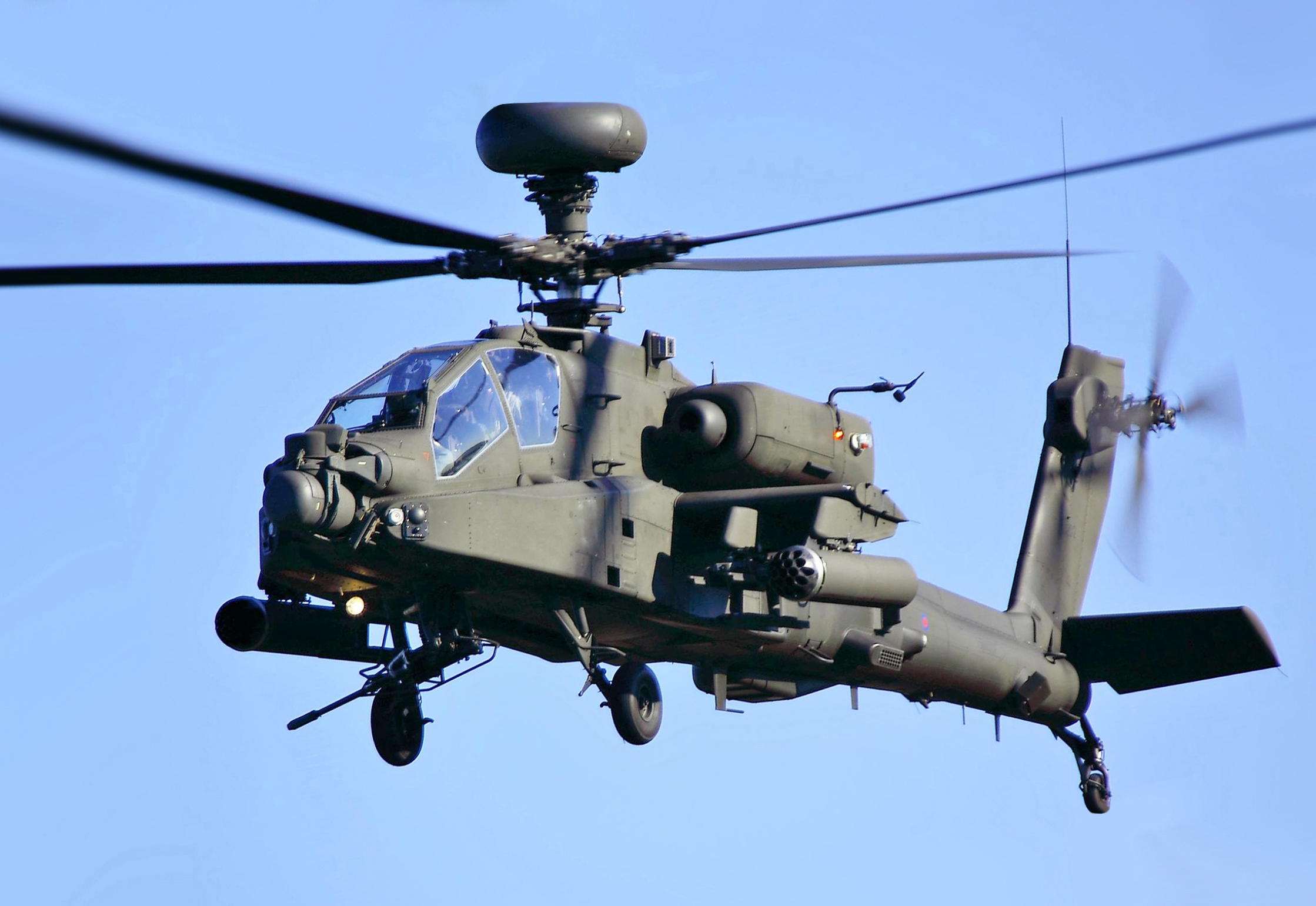
The AH-64E is not just a helicopter that carries missiles. It is a sensor, strike, and communication platform that operates within a broader network. The helicopter is twin-engine with tandem seating and carries, according to published specifications, up to 16 Hellfire missiles, 76 2.75-inch unguided rockets, and a 30mm automatic cannon with a stock of up to 1,200 rounds. Most importantly for Israel is the integration of Link 16, the crew's ability to control drones, and an open systems architecture that allows for the addition of software and hardware later.
Practically, these features give the Israeli army greater capability to link the helicopter with aerial surveillance, ground forces, and command centers. It is not just about destroying a target, but about shortening the cycle from sensing to decision to strike. In an urban or mountainous environment, the helicopter can stay at a distance from danger and provide precise fire or armed surveillance, with its effectiveness remaining tied to the quality of information it receives and the ground forces' ability to secure operational corridors.
Why Now Despite Israel's Large Air Force
Israel possesses F-35I and F-15I fighters and advanced reconnaissance capabilities, but the jet fighter does not perform all the tasks of an attack helicopter. The helicopter is slower and closer to the forces, allowing it to provide repeated support in a limited theater, accompany ground operations, and attack vehicles or fortified positions without consuming a long-range fighter mission. This does not make the Apache a decisive weapon on its own, but it addresses a gap between broad airstrikes and direct action over the front line.
The regional context is important. After the Iran War and extended operations in Gaza and Lebanon, the Israeli planner no longer assumes that war will end with a short airstrike. There is a need for platforms that can be operated repeatedly, and for crews, spare parts, munitions, and communication systems that function in a long campaign. Purchasing 12 helicopters is not a massive expansion in numbers, but it signals that Israel wants to maintain its ground offensive arm in the next decade, even as it reallocates money between air defense, missiles, and drones.
The Triad Capability Reveals the Limits of the Deal
In my view, the value of this deal is not measured by the number of helicopters but by the capability triangle consisting of equipment, training, and institutions. The equipment is powerful, but its arrival at the beginning of the next decade means that Israel needs to bridge the current gap with the existing fleet or through other means. Moreover, the helicopter does not operate alone; it requires trained crews, ongoing maintenance, a stock of Hellfire missiles and spare parts, and command networks that do not break under the pressure of war. Every dollar spent on the platform opens a financial commitment for years in training, support, and upgrades.
Here lies the paradox. Israel tried to protect the production slot because it feared delays in delivery, but at the same time, it had to finance the deal at the expense of another long-term civilian program. This is not evidence of weakness in its military industry, but rather that war rearranges the entire state. When an American factory window becomes part of the sovereign budget decision, discussions about defense independence require a degree of humility.
A Message to the Gulf More Than to Iran
Iran and its allies will read the deal as an addition to the Israeli offensive stockpile, but it will not alone change the balance of deterrence. The helicopter is vulnerable to mobile air defense and anti-aircraft missiles, and it cannot operate freely over an area where adversaries have early warning and fire density. Therefore, the impact of the AH-64E depends on electronic warfare, reconnaissance, and air control, not on the number of missiles hanging under its wings.
As for the Gulf states, they will see the deal as a different reminder. Purchasing an advanced American platform provides real capability, but it ties readiness to American decisions and American supply chains. Israel can negotiate from a stronger position due to its industrial and military alliance with Washington, while not every Gulf state possesses the same level of operational and institutional experience. The platform does not automatically bring with it a culture of use. Any military personnel who has served in the region knows that owning the weapon is easier than building the unit that can operate it every day.
Conclusion
The deal for 12 AH-64E Apache helicopters strengthens Israel's capability for close air support and provides it with a suitable networked platform for a long war, but it also reveals its dependence on American industrial and financial rhythms. Israel bought time before purchasing the helicopters, and paid for it at the expense of other national priorities. The contradiction remains: the more it seeks greater military independence, the more it needs an American factory, American munitions, and an American decision to open the last window.
Sources Defense News, Israel secures procurement of 12 Apache gunships in last-minute maneuver; Boeing, AH-64 Apache.
Israel finalized the purchase of 12 AH-64E Apache helicopters from Boeing on October 15, 2026, to enhance its ground warfare capabilities. The decision followed months of funding disputes between the Ministry of Defense and the Ministry of Finance. This procurement underscores Israel's reliance on American military production and funding, as well as its strategic need for advanced platforms in prolonged military campaigns.
- Israel announced the purchase of 12 AH-64E Apache helicopters from Boeing on October 15, 2026.
- The deal was finalized after months of funding disputes between the Israeli Ministry of Defense and the Ministry of Finance.
- The helicopters will enhance Israel's ground warfare capabilities and integrate advanced systems like Link 16.
- The procurement reflects Israel's need for platforms that can operate repeatedly in prolonged campaigns.
- The deal highlights Israel's reliance on American production and funding for its military capabilities.