
Japan shrugs off GCAP delays, fast-tracks export rules for future warplane
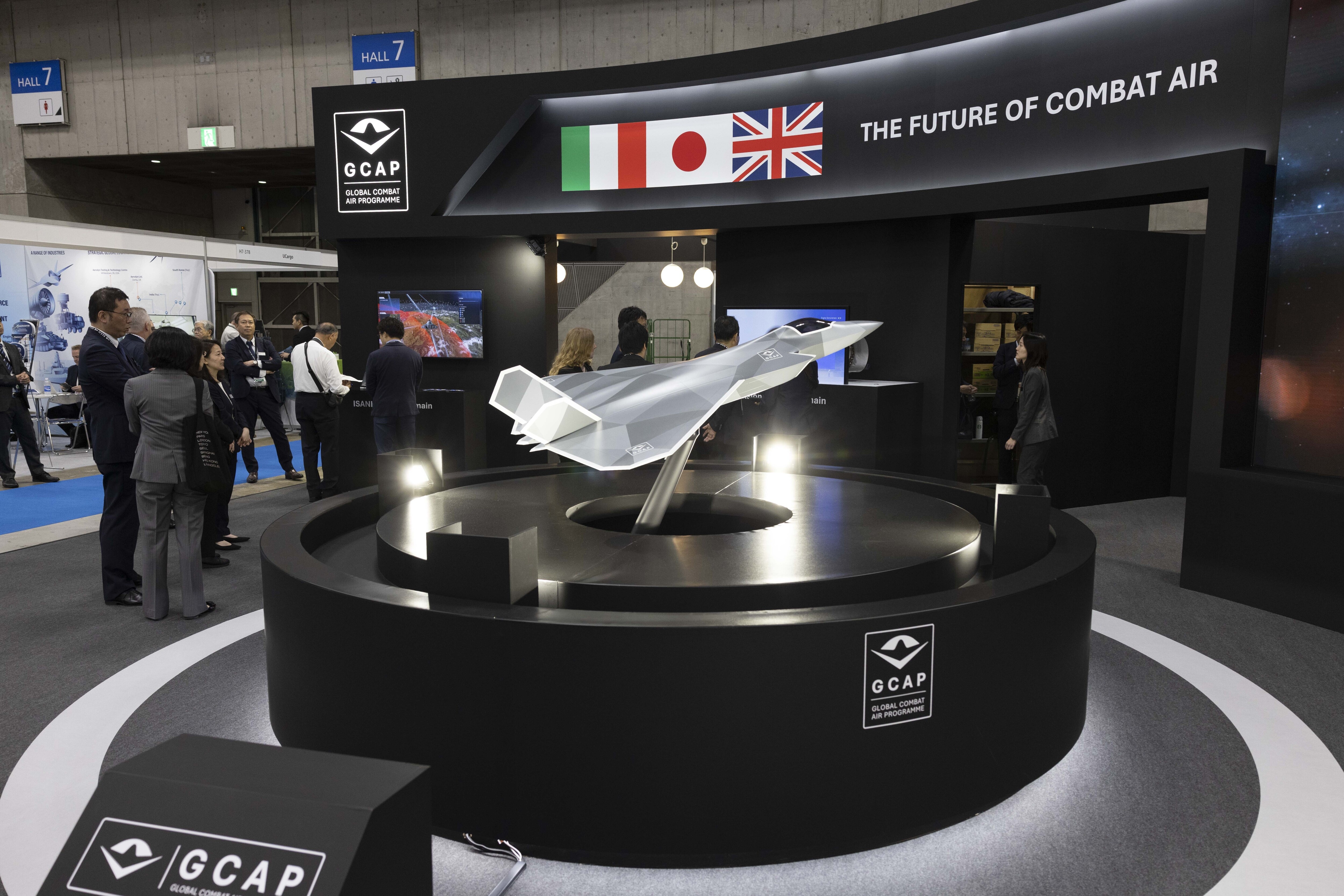
MANILA, Philippines — Japan is working to accelerate the tri-nation GCAP fighter jet collaboration with the U.K. and Italy despite reported fiscal and contract delays, which experts say will unlikely push back target deployment in 2035.
The move comes as the ruling party advances efforts to relax stringent export restrictions on defense equipment and weaponry. The government has not disclosed yet how it plans to overcome fiscal bumps, but the National Diet, Japan’s legislature, is expected to approve allocations for the jets this month.
Parliament had earlier eased export restrictions on GCAP, which is short for Global Combat Air Programme, but an overhaul of the key defense transfer policy may completely lift limitations and allow future exports to countries at war.
The changes are also expected to clear the way for the 11 Mogami-class frigates for the Royal Australian Navy, which Defense Minister Shinjiro Koizumi is scheduled to finalize later this month.
In the next-generation warplane effort, there has been a delay in the contract between the three governments, represented by the GCAP International Government Organisation (GIGO), and the industry joint venture named Edgewing, which represents national contractors BAE Systems, Leonardo and Japan Aircraft Industrial Enhancement Co. Ltd., a firm owned by Mitsubishi Heavy Industries and the Society of Japanese Aerospace Companies.
BAE says its Eurofighter pipeline is filled until first GCAP assembly
Edgewing was set to get its first design work contract by the end of 2025, but the contract has been held up by the delay of delivery of the British Defense Investment Plan, which was due to contain the necessary funding.
That plan, in turn, was originally due last fall, but has been held up amid high-level efforts to contend with budget shortfalls in the U.K.
Shigeki Muto, a retired lieutenant general and former head of the Air Defense Command, told Defense News that delays in the contract signing between GIGO and Edgewing “indicate uncertainty in financial commitments in design and organizational setup,” which could impede major investments from Edgewing.
For now, the British delay seems manageable, perhaps impacting prototype manufacturing by a matter of months or a year, said Muto.
“At present, this situation should be interpreted as a funding adjustment phase rather than a structural crisis,” he added.
GCAP is Japan’s most expensive defense project and its first international co-production deal with European allies. Set to replace the defense forces’ F-2 fighters, compounding delays with the new aircraft could create gaps later on, according to retired Lt. Gen. Eiichirou Fukazawa, a former Northern Air Defense Force commander.
‘Madness’: Italy’s Crosetto slams British secrecy on GCAP fighter jet
“Considering the increasing pressure from China’s military capabilities, delays in introducing new combat capabilities would impact negatively on Japan’s overall defense posture,” he said.
Reports indicate that costs have tripled, but it’s unclear if the Japanese government under Prime Minister Sanae Takaichi would augment this year’s budget for GCAP, earlier earmarked at 700 billion yen ($4.44 billion) for initial research and development from 2023 until 2027.
Experts say a front-load contribution can be justified while easing political backlash: Japan will likely become GCAP’s primary operator, and the tech transfer for fighter development will boost the domestic defense industry, which will advance global expansion goals.
Additionally, shouldering the initial fiscal burden creates an advantage because it allows “expanded access to technology, gives Japan stronger negotiating power, and achieves greater leadership influence, which would be beneficial for future defense exports,” Muto explained.
The government has largely been satisfied with the GCAP program, says Yoko Iwama, Professor at the Tokyo-based National Graduate Institute for Policy Studies, a state think tank.
“This partnership with the Europeans is a new experiment and a sort of de-risking from the Americans — it’s been seen that way here,” Iwama told Defense News.
“We are quite aware of the difficulties involved with an international collaboration because we have experience dealing with the Americans. We know it’s not going to be easy, but we thought it was a risk worth taking and it has shown it was worth taking, seeing the Trump administration,” Iwama said.
Reports surfaced that Germany might be open to joining GCAP, but details remain behind closed doors. Japan’s position on Germany’s participation will be weighed by numerous factors, experts say, but concerns are ripe in Tokyo that adding any new player could hold up development.
The government “places high importance on adhering to the original development schedule and would likely view the participation of new players as undesirable,” Fukazawa said.
Tom Kington in Rome contributed to this report.
Japan is accelerating its collaboration on the GCAP fighter jet with the U.K. and Italy while relaxing export restrictions on defense equipment. The government is expected to approve funding allocations for the jets this month, despite reported delays in contract signing with Edgewing. This initiative is part of Japan's strategy to enhance its defense capabilities amid rising pressures from China.
- Japan is working to accelerate the GCAP fighter jet collaboration with the U.K. and Italy.
- The Japanese government is expected to approve allocations for the jets this month.
- Japan's defense export restrictions are being relaxed to facilitate future exports.
- Delays in the contract signing between GIGO and Edgewing indicate financial uncertainty.
- Japan's GCAP project is its most expensive defense initiative and first international co-production deal.