
Japanese Citizens Gather to Protest Government's Disregard for Public Opinion in Forcefully Deploying Missiles

The Japanese Ministry of Defense announced on March 31 that missiles have been deployed in Kumamoto Prefecture and Shizuoka Prefecture. This includes anti-ship missiles with a range of approximately 1,000 kilometers.
On the same day in Shizuoka Prefecture, many citizens braved the rain to protest in front of the Japan Ground Self-Defense Force Fuji Base, opposing the Japanese government's disregard for public opinion and the forced deployment of missiles.
Japanese citizens: Do not deploy missiles at Fuji; protect Article 9 of the Constitution.
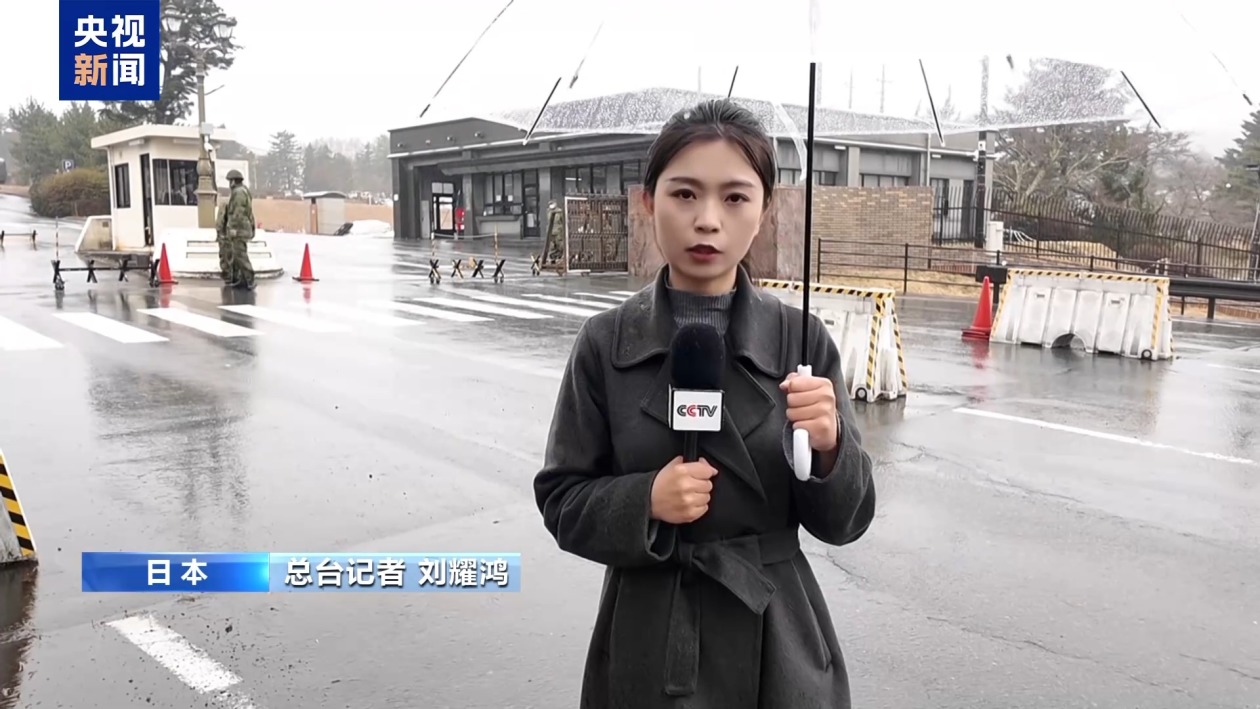
Reporter Liu Yaohong: Behind me is the Japan Ground Self-Defense Force Fuji Base located in Shizuoka Prefecture, where the "island defense high-speed glide missile" has officially been deployed since March 31. Despite the rain today, many local residents and civic groups have come here to express their strong protest and dissatisfaction with the Japanese government's disregard for public opinion and the forced deployment of missiles.
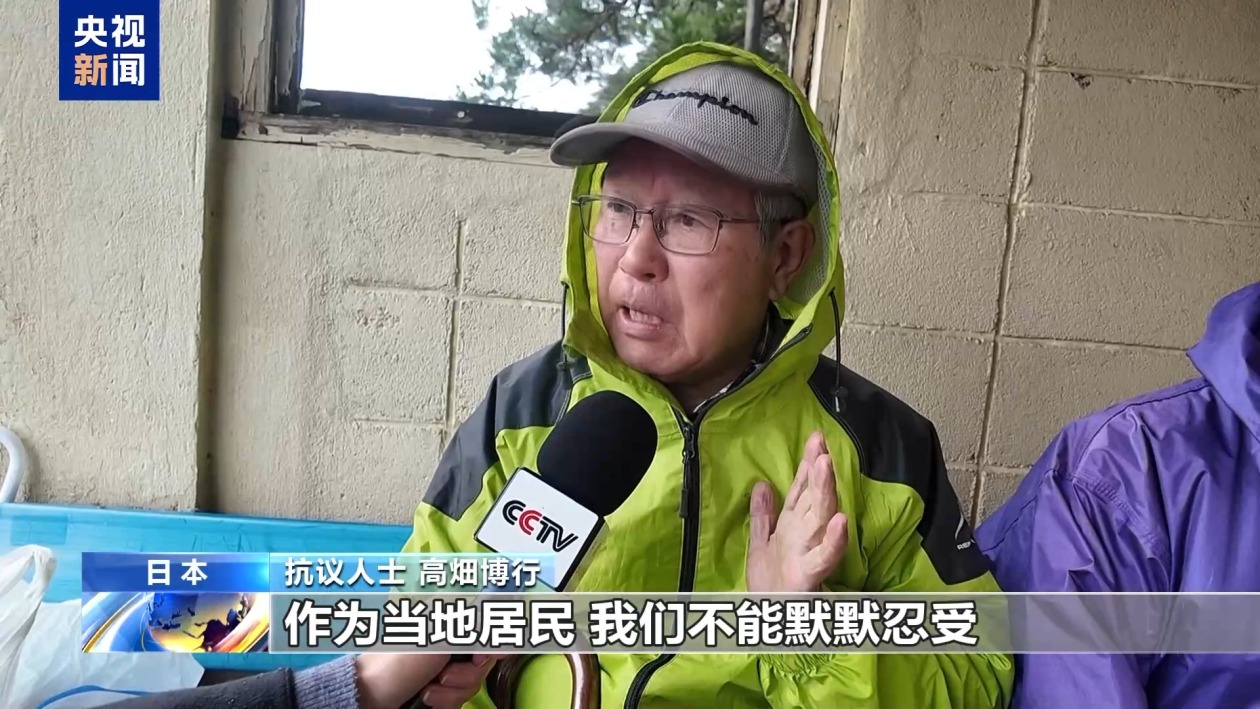
Protester Takahata Hiroyuki: As local residents, we cannot remain silent. To ensure the peace and safety of the residents, we must speak out. This time, high-speed glide missiles are being deployed, but there will be further deployments. After the deployments at the Kenjun Base and Fuji Base, there will be deployments across Japan. We cannot sit idly by on this matter; we must voice our opposition.
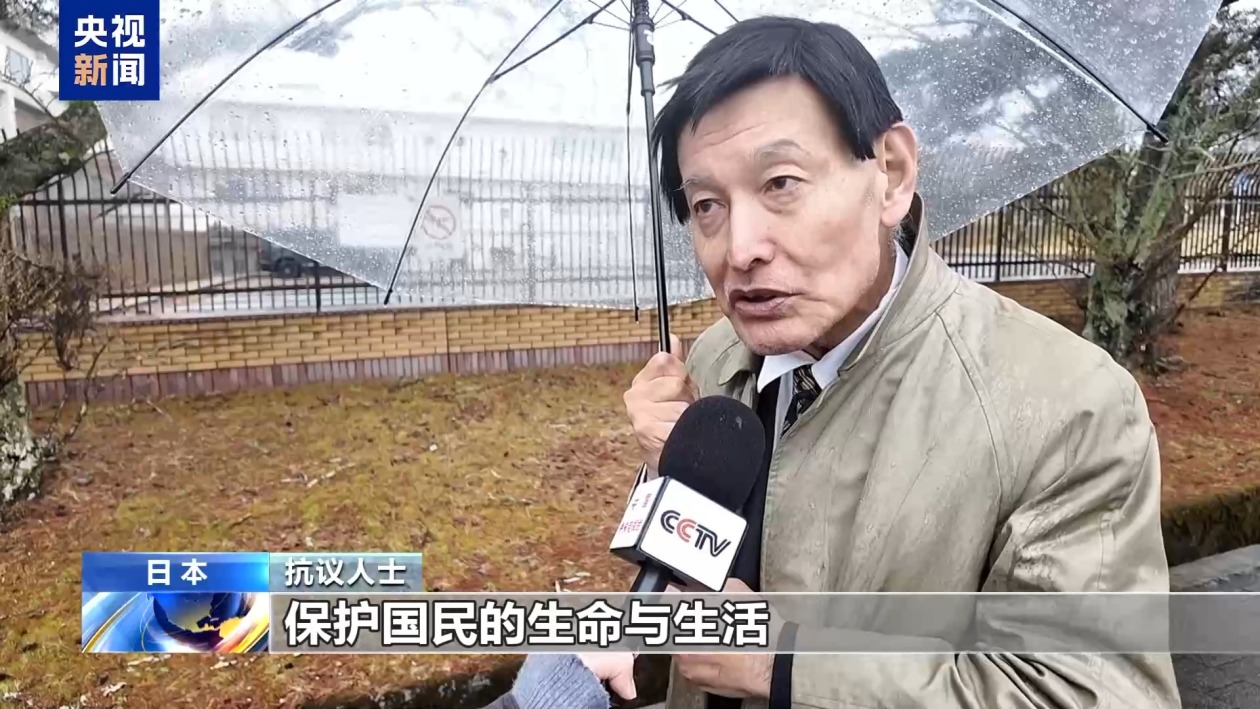
Protester: As mentioned in the last request, the Japanese government's deployment of missiles disregards the Japanese Constitution. The government should focus on its primary responsibilities, protecting the lives and livelihoods of the people.
On that day, the local civic group opposing missile deployment in Shizuoka Prefecture, "Stop the Deployment of Missiles at Fuji," also submitted a petition to the Japanese Ministry of Defense and relevant departments, demanding that the government stop the missile deployment at Fuji Base and reconsider the current security policy.
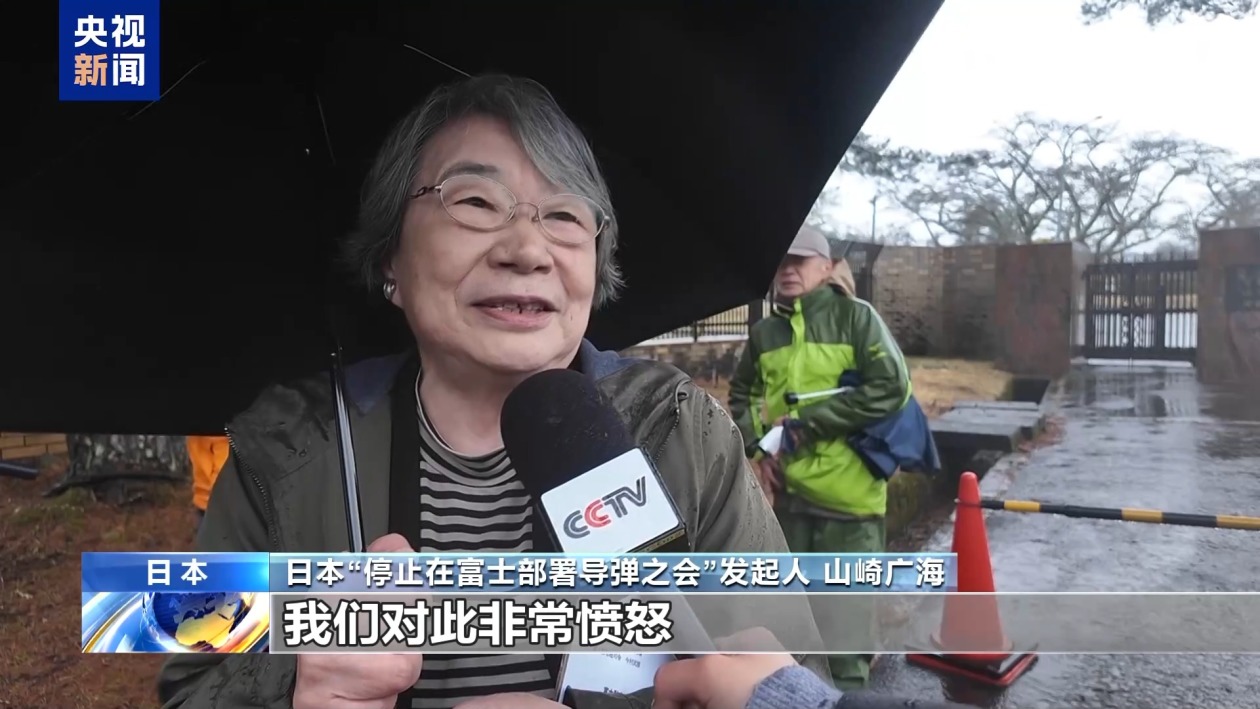
Initiator of the "Stop the Deployment of Missiles at Fuji" group, Yamazaki Hiroshi: Missiles have already been transported to Kumamoto, and deployments have taken place here as well. This is equivalent to deceiving us without any explanation. We are very angry about this.
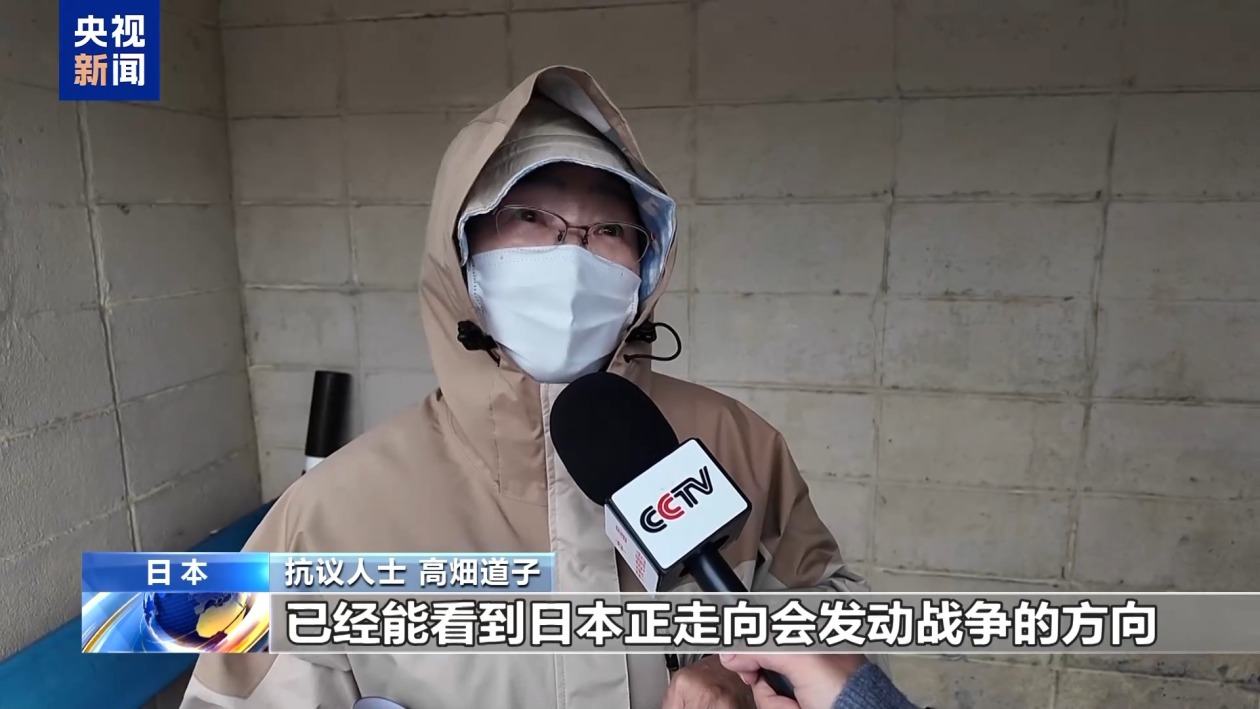
Protester Takahata Michiko: Since the rise of Takai Sanae, we can see that Japan is moving towards a direction that could lead to war, so we must speak out. We do not want the younger generation to bear such a future; this is our wish.
What dangerous schemes lie behind Japan's latest missile deployment?
The Japan Self-Defense Forces have deployed missiles with a range of approximately 1,000 kilometers. What dangerous schemes are behind this move? What impact will it have on regional peace?
Japan's military policy shifts from "defensive" to "offensive"
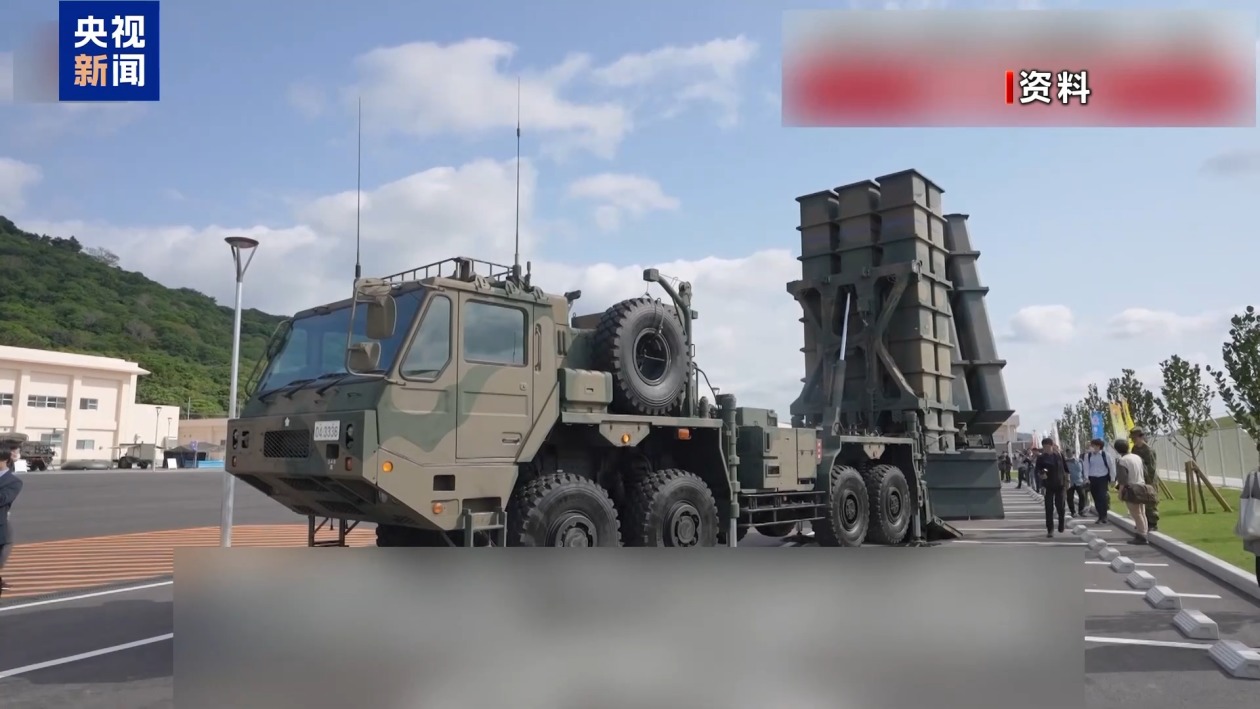
Meng Mingming, Assistant Researcher at the Political Research Office of the Institute of Japanese Studies, Chinese Academy of Social Sciences: The deployment of missiles by the Japan Self-Defense Forces represents another substantial breakthrough in the country's defense policy since Takai Sanae took office, with clear strategic implications and dangerous signals. Kumamoto is located in central Kyushu, facing the East China Sea, the Taiwan Strait, and the Korean Peninsula. Deploying missiles here can cover these areas and parts of our mainland coastal regions. Although the Japanese government claims it possesses retaliatory capabilities, the earliest term used was "capability to attack enemy bases," which effectively grants the Japan Self-Defense Forces the authority for preemptive strikes, completely tearing away the previous facade of "strictly defensive."
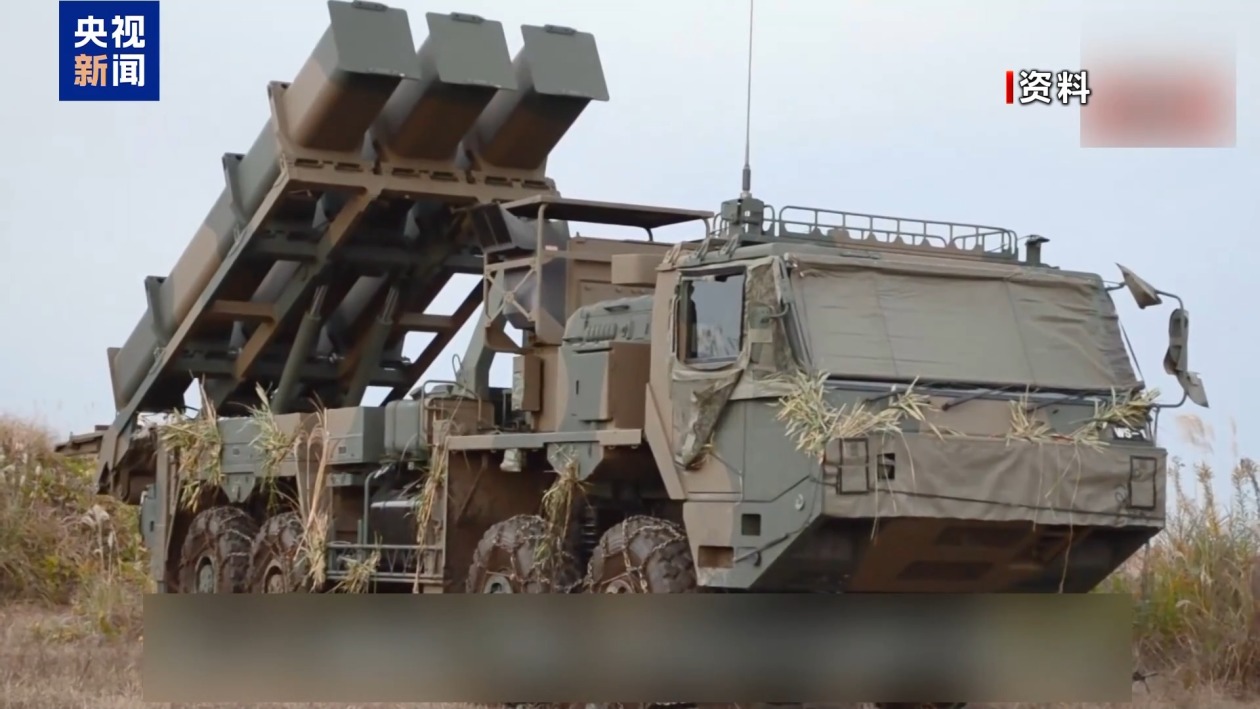
Meng Mingming, Assistant Researcher at the Political Research Office of the Institute of Japanese Studies, Chinese Academy of Social Sciences: The second point is the deepening of the U.S.-Japan alliance. After Japan deploys these missiles, they can complement the U.S. forces stationed in Japan. The third point is breaking through the current framework of the pacifist constitution to achieve military normalization. The deployment of missiles marks Japan's transition from a defensive military to an offensive military with long-range strike capabilities, representing an important step towards re-militarization driven by right-wing forces in Japan, represented by Takai Sanae.
Exposing Japan's military ambitions threatens regional peace and stability
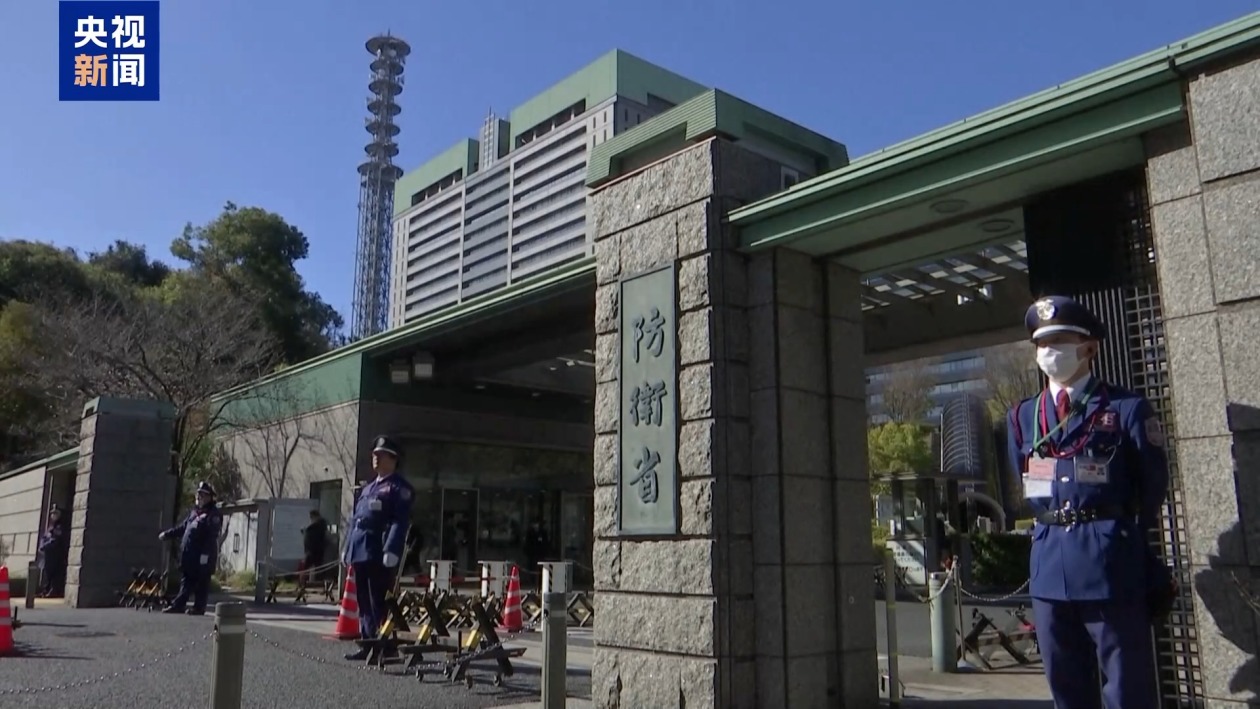
Meng Mingming, Assistant Researcher at the Political Research Office of the Institute of Japanese Studies, Chinese Academy of Social Sciences: During the missile deployment process, the Japanese Ministry of Defense did not even inform local residents and officials in advance, secretly transporting equipment for deployment at night, exposing Japan's eagerness to break free from the constraints of the post-war system. Considering the current publicly available plans from the Japanese Ministry of Defense, the next step may be to construct a missile network nationwide, using Kumamoto as a pivot to form an integrated long-range strike system across land, sea, and air, or to develop and procure more offensive weapons based on situational needs, such as accelerating the introduction of U.S. "Tomahawk" cruise missiles or hypersonic missiles with ranges of 2,000 to 3,000 kilometers. In summary, Japan's actions will not bring it security; instead, they will seriously threaten peace and stability in East Asia, exacerbate local tensions, fuel the resurgence of militarism in Japan, and ultimately lead to self-inflicted consequences, repeating the mistakes of history.
Japan's Ministry of Defense deployed missiles in Kumamoto and Shizuoka on March 31, prompting significant protests in Shizuoka. Local citizens expressed strong opposition to the government's actions, arguing it disregards public opinion and violates constitutional principles. Protesters called for a halt to the missile deployment and a reassessment of national security policies.
- Japan's Ministry of Defense announced missile deployment in Kumamoto and Shizuoka on March 31.
- Protests occurred in Shizuoka against the missile deployment, with citizens expressing concerns over government actions.
- The missiles include anti-ship missiles with a range of approximately 1000 kilometers.
- Protesters demand the government respect public opinion and reconsider its security policies.
- The deployment is seen as a shift towards a more offensive military posture by Japan.