
Japan's 8.9 Trillion Yen Defense Request Indicates a Dangerous Advance in Submarine-Launched Hypersonic Missiles
 Tanaka Takashi
The 8.9 Trillion Yen Defense Request from Japan Indicates a Risky Advance in Submarine-Launched Hypersonic Missiles
In the details of the fiscal 2027 budget request from the Ministry of Defense revealed on August 19, what stood out most was not the amount itself, but the fact that the research for submarine vertical launch systems and submarine-launched hypersonic missiles was pushed forward in the same context. The Japan Maritime Self-Defense Force's submarines were originally intended to serve as an "invisible deterrent" that restricts the actions of opposing fleets. If long-range land strike capabilities are added, their role will shift from quiet surveillance forces to forward offensive forces.
If Submarines Change, So Does the Division of Roles in the Alliance
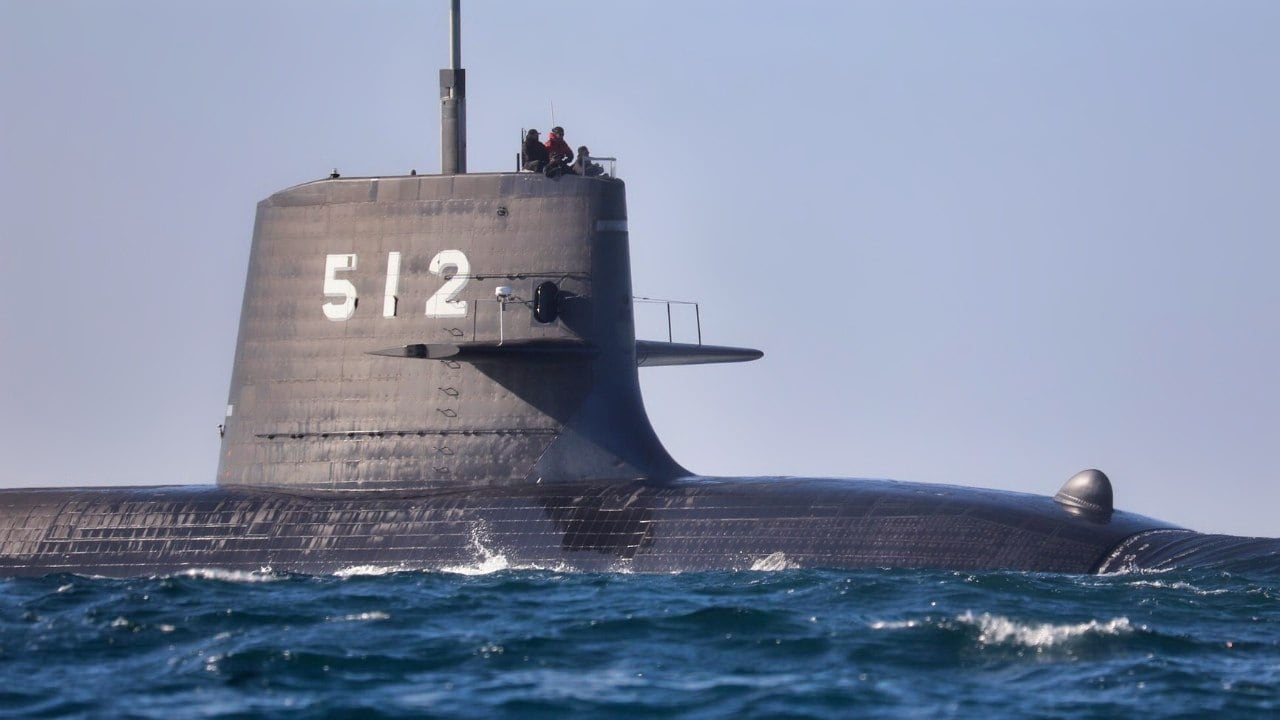
According to reports, in addition to submarine-launched hypersonic missiles, the budget request also included long-range missile launch capabilities for unmanned submarines and attack drones launched from ships. Commentary from the Global Times pointed out that the budget request amount is approximately 8.9 trillion yen, and there is a possibility that it could swell to around 10 trillion yen by the end of the year. The increase in amount is no longer news. What is important is that this increment is pushing the JMSDF's submarine fleet from being a rear support force for the Japan-U.S. alliance to a force that shares the initial strike responsibilities along the first island chain.
The advantages of submarine launches are clear. They are easier to conceal and less susceptible to preemptive attacks on fixed bases. Considering the area from the southwestern islands to around Taiwan, and further to the northern part of the East China Sea, JMSDF submarines could not only be responsible for SLOC (Sea Lines of Communication) defense and anti-ship denial but could also exert pressure on the enemy's command centers and launch bases. For the U.S. military, the ability to partially distribute the burden from Kadena and Guam to the sea would also be attractive.
Increased Deterrence Also Means More Difficult Crisis Management
However, there is a point of concern for those from the Japan Maritime Self-Defense Force. The value of a submarine lies in its ability to remain hidden. If the mission of land strikes becomes more significant, the need for communication, target updates, and integration of firepower will increase, resulting in more opportunities for exposure. Hypersonic weapons are designed to deprive the enemy of decision-making time after launch, and if submarines become the operational platform, the enemy will have no choice but to consider "from where and how many missiles will come" under the worst-case scenario from peacetime. Deterrence may strengthen, but the potential for misidentification also increases.
Furthermore, Japan's budget request encompasses the enhancement of unmanned systems, intercept drones, production capabilities for equipment, and improvements in personnel treatment as a unified approach. This is not merely an addition of equipment but a revision of the sustained combat concept based on the premise of a prolonged conflict. Submarine-launched hypersonic missiles appear to be a symbolic case within this context. While maintaining the explanation of defensive posture, in practice, the "counterstrike capability" is being submerged into the depths of the sea.
The Question is Not the Launch Means but the Speed of Political Decision-Making
- The budget request is approximately 8.9 trillion yen, with the possibility of further increases by the end of the year.
- The research subjects include submarine-launched hypersonic missiles, submarine vertical launch systems, and unmanned equipment.
- The mission of JMSDF submarines is expanding from a focus on anti-ship and patrol to integrated deterrence that includes land strikes.
In my view, the true challenge is not the speed of the missiles themselves. The moment Japan and the U.S. possess counterstrike capabilities from submarines, the question will be the speed of political decision-making regarding when to authorize a launch and who bears the responsibility for escalation. While the quietness of the vessel can be achieved through training, the calmness of that decision cannot be compensated for by equipment.
Japan is advancing its defense capabilities with a budget request of approximately 8.9 trillion yen for the fiscal year 2027, focusing on submarine-launched hypersonic missiles and vertical launch systems. This shift indicates a move from deterrence to offensive capabilities for the Japan Self-Defense Forces, impacting regional security dynamics, particularly around Taiwan and the East China Sea. The budget may increase to around 10 trillion yen by year-end.
- Japan's defense budget request is approximately 8.9 trillion yen for the fiscal year 2027.
- Research includes submarine-launched hypersonic missiles and vertical launch systems.
- The role of Japan's submarines is shifting from deterrence to offensive capabilities.
- The budget may increase to around 10 trillion yen by year-end.
- The advancements are seen as a response to regional security dynamics, particularly concerning Taiwan and the East China Sea.