
Lithuania lifts its nuclear weapons ban in 2026 and shifts NATO's deterrence eastward
 Dr. Klaus Weber
Lithuania to Lift Its Nuclear Weapons Ban in 2026 and Shift NATO's Deterrence Eastward
Two-thirds of Lithuanian lawmakers could repeal a constitutional provision by the end of 2026 that originates from a different European era. President Gitanas Nauseda stated on July 2 after consultations with parliamentary parties that the ban on nuclear weapons and foreign military bases no longer corresponds to the security situation. Lithuania has no immediate plans to store nuclear weapons. This particular statement is politically significant. It shows that Vilnius is not announcing a deployment decision but is legally clearing an option.
A Constitutional Question Becomes a Deterrence Question
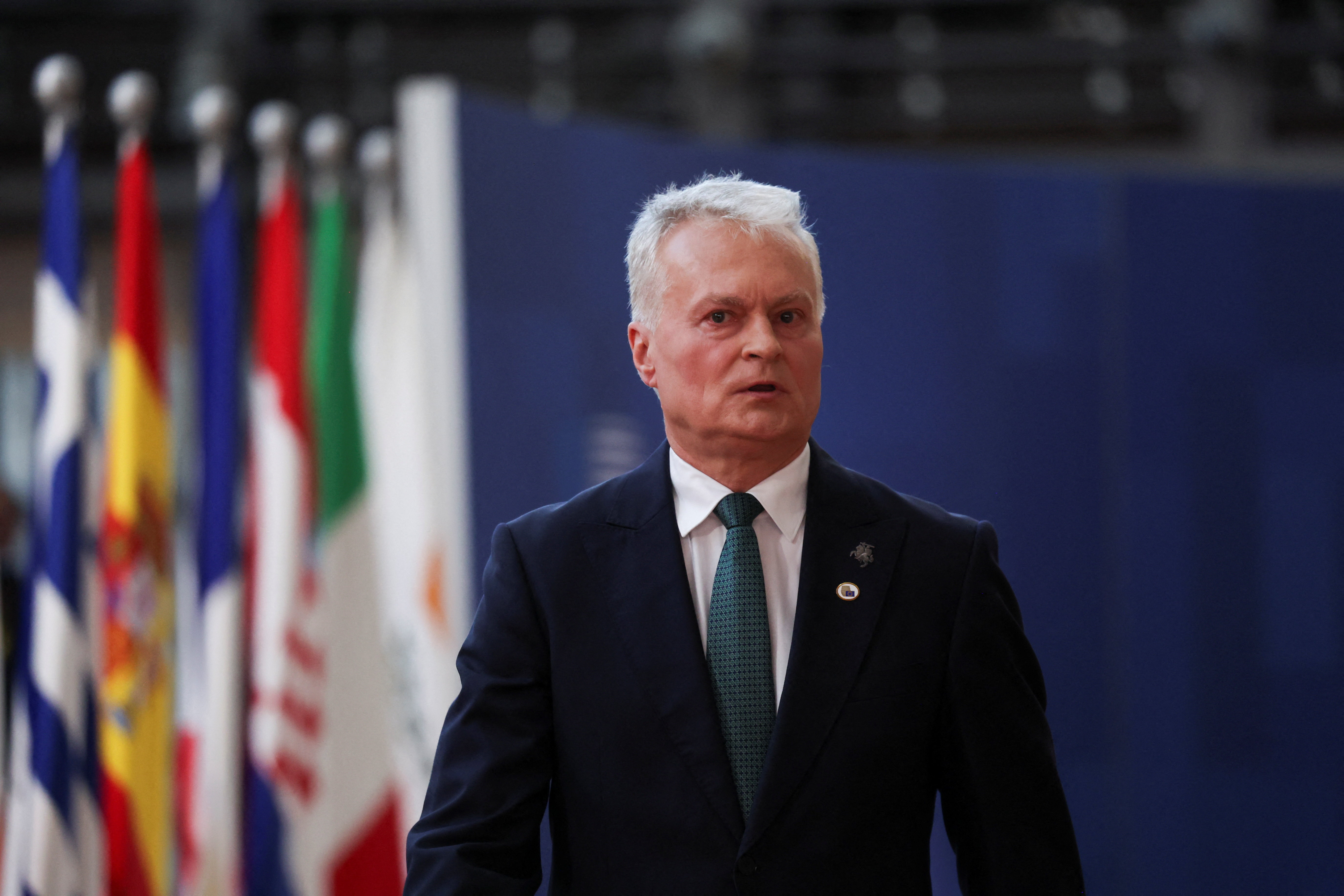
The distinction is crucial. In NATO, deterrence is generated not only by weapons that are actually deployed but also by credible capabilities. Lithuania's current constitution excludes a category of allied options from the outset. For a state that borders Kaliningrad and Belarus, this is no longer just legal symbolism in 2026. It is an institutional self-denial at the most sensitive point of the alliance's geography.
Lithuania has tripled its defense spending since Russia's invasion of Ukraine in 2022, is expanding border fortifications, and is preparing for the permanent stationing of a ready-to-deploy German brigade starting in 2027. This brigade is a test of the Zeitenwende for Germany and a test of alliance commitment for Lithuania. However, conventional forward presence and nuclear deterrence follow different logics. A brigade can delay an attack, politically increase its cost, and force the invocation of the alliance's mutual defense clause. It does not replace the nuclear element on which NATO's ultimate escalation level still relies.
Finland Has Set the Precedent
The Lithuanian approach follows the Finnish example. Helsinki has gradually relaxed legal restrictions on nuclear weapons following its NATO accession in 2023; the corresponding amendment came into effect in early July. Russia responded promptly with the familiar threat that Finland would now be considered a potential target. This rhetoric is not new. What is new is that two states on NATO's northeastern flank are explicitly treating their previous legal architecture as a product of a bygone security order.
This shifts the political focus of NATO deterrence. The classic nuclear sharing has been a Western and Southern European arrangement for decades: Germany, Belgium, the Netherlands, Italy, and Turkey hosted or integrated nuclear roles, while the eastern members primarily relied on Article 5, U.S. presence, and conventional reinforcement. Lithuania does not immediately overturn this division of labor. But it raises the question of whether a flank that bears the highest conventional risk should permanently retain the least legal flexibility regarding nuclear deterrence.
Legal Opening Is Not Yet Capability
But is legal flexibility enough? No. A constitutional article does not build a bunker, certify aircraft, create a nuclear command and control structure, or replace an American decision. This is precisely where the Weberian point lies: Lithuania can repeal its ban, but operational nuclear power remains almost entirely American. Even if discussions about storage, transit, or infrastructural preparation were to take place in Vilnius at some point, the key question would not lie in the Lithuanian Parliament but in Washington and the NATO nuclear planning process.
For Germany, this development is uncomfortable. Berlin is sending a brigade to Lithuania in 2027 and wants to demonstrate that German security policy is finally taking territorial matters seriously. At the same time, Germany is one of the few European countries that is practically involved in nuclear sharing and is technically renewing this role with the procurement of the F-35. If Lithuania now creates the legal conditions for a broader deterrence debate, Berlin cannot pretend that this is merely a Baltic special issue. The German brigade will henceforth operate in a space where conventional defense, nuclear signals, and Russian escalation threats converge more closely.
The EU Remains a Bystander in the Toughest Security Question
The European Union plays almost no role in this debate. This is remarkable because Brussels is simultaneously discussing armament programs, ammunition production, and strategic autonomy. However, nuclear deterrence remains outside EU institutions. France possesses nuclear weapons but does not share operational control in a European manner. The EU can organize SAFE loans, procurement rules, and industrial policy; it cannot formulate a credible nuclear guarantee for Lithuania. Anyone who speaks of European sovereignty must explain why the toughest deterrence question continues to be answered transatlantically, not European.
Domestically, the step is not trivial either. A constitutional amendment requires two votes with a two-thirds majority. Critics are calling for referendums or warning of escalation risks. These objections are not merely pacifist reflexes. Nuclear infrastructure alters target planning, crisis communication, and societal vulnerability. Those who open the legal door should also define what threshold should never be crossed politically and under what conditions a threshold might be conceivable. Deterrence without clarity quickly becomes symbolic politics.
The Baltic Vulnerability Meets American Decision-Making Power
Russia will propagandistically exploit any Lithuanian change. However, Moscow's threat is a weak argument against the reform. Precisely because Russia has militarized Kaliningrad, integrated Belarus into its escalation architecture, and normalized nuclear threats, old Baltic self-restrictions are increasingly appearing asymmetrical. The question is not whether Lithuania provokes Russia. The question is whether a NATO state must write its own constitution in such a way that it rewards Russian coercion in advance.
Lithuania's decision therefore does not indicate a new arms race but a sober adjustment to a destroyed security order. However, it does not make Europe more autonomous. It merely makes visible that Europe's eastern deterrence still rests on three levels that do not institutionally belong together: Baltic vulnerability, German forward presence, and American nuclear decision-making power. More European responsibility begins with such constitutional amendments. But it does not end there. The bitter truth is: Lithuania can open the door, but Europe does not hold the key.
Source Situation
- Defense News and Reuters reported on July 2, 2026, about the agreement of Lithuanian parliamentary parties to lift the constitutional ban.
- Lithuanian sources cite two parliamentary votes with a two-thirds majority as a prerequisite and emphasize that no immediate deployment decision is planned.
- The Finnish legislative amendment to relax nuclear restrictions came into effect in early July 2026 and provides the regional comparison case.
Lithuania plans to lift its nuclear weapons ban by the end of 2026, as two-thirds of the parliament may vote to amend the constitution. President Gitanas Nauseda indicated that the current ban does not align with the security situation. This move aims to enhance NATO's deterrence strategy in response to regional threats, particularly from Russia, following increased defense spending and military preparations since 2022.
- Lithuania plans to lift its nuclear weapons ban by the end of 2026.
- Two-thirds of the parliament may vote to amend the constitution.
- President Gitanas Nauseda stated the ban no longer reflects the security situation.
- Lithuania has tripled its defense spending since Russia's invasion of Ukraine in 2022.
- The decision follows Finland's example of relaxing nuclear restrictions.