
Midnight Sword Training! Naval Aviation Conducts Air Combat Training
Recently, a certain unit of the Naval Aviation of the Southern Theater Command organized night flight training for pilots, honing the unit's emergency combat capabilities at night.
In the early morning, the tower commander issued the takeoff order, and dozens of fighter jets took off in sequence, heading to the mission airspace to conduct air combat training.
As the red and blue flight formations just entered the mission airspace, the lead aircraft of the red side coordinated seamlessly with its wingman, locking onto the blue side's fighter jets first, preparing to carry out a simulated strike. Unexpectedly, the blue side's pilot suddenly increased thrust and turned, attempting to launch a counterattack from the side and rear of the red lead aircraft. The red lead aircraft responded calmly and quickly completed an evasive maneuver.
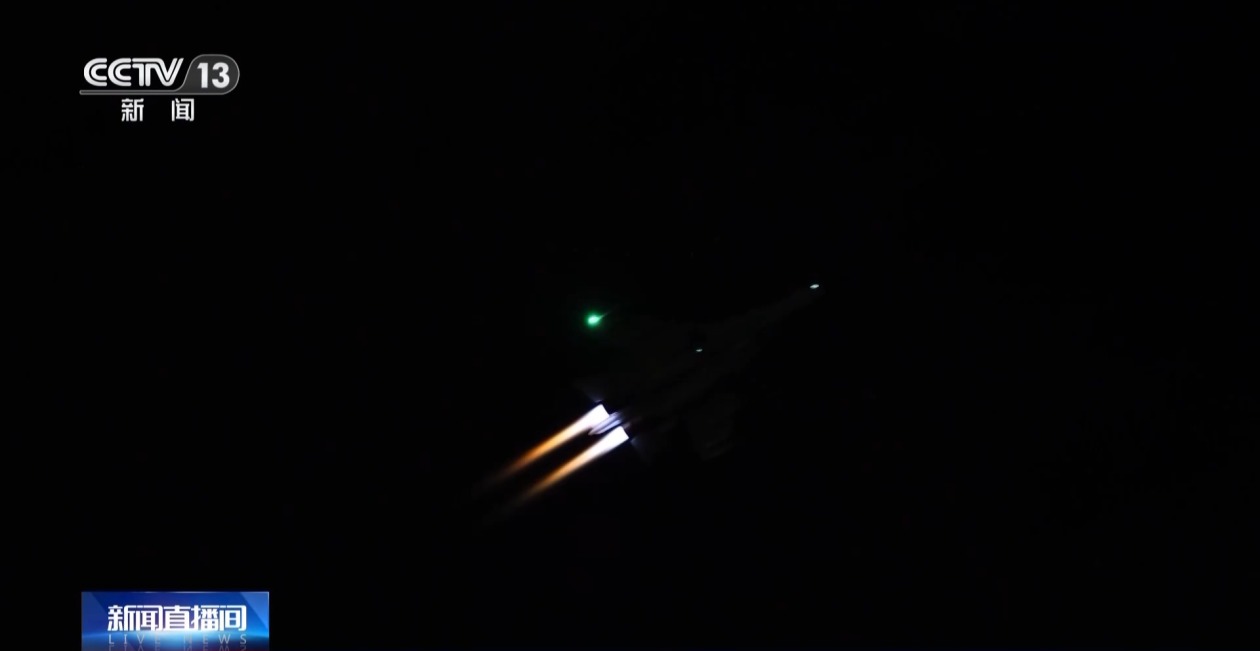
At the same time, the red wingman searched for the target based on the lead aircraft's instructions. Just as it was about to lock onto the target, the "enemy" aircraft suddenly released strong electromagnetic interference and used tactical maneuvers to evade. The red wingman quickly took counter-interference measures based on the aerial situation, soon re-locking the target and successfully executing a precise simulated strike on it.
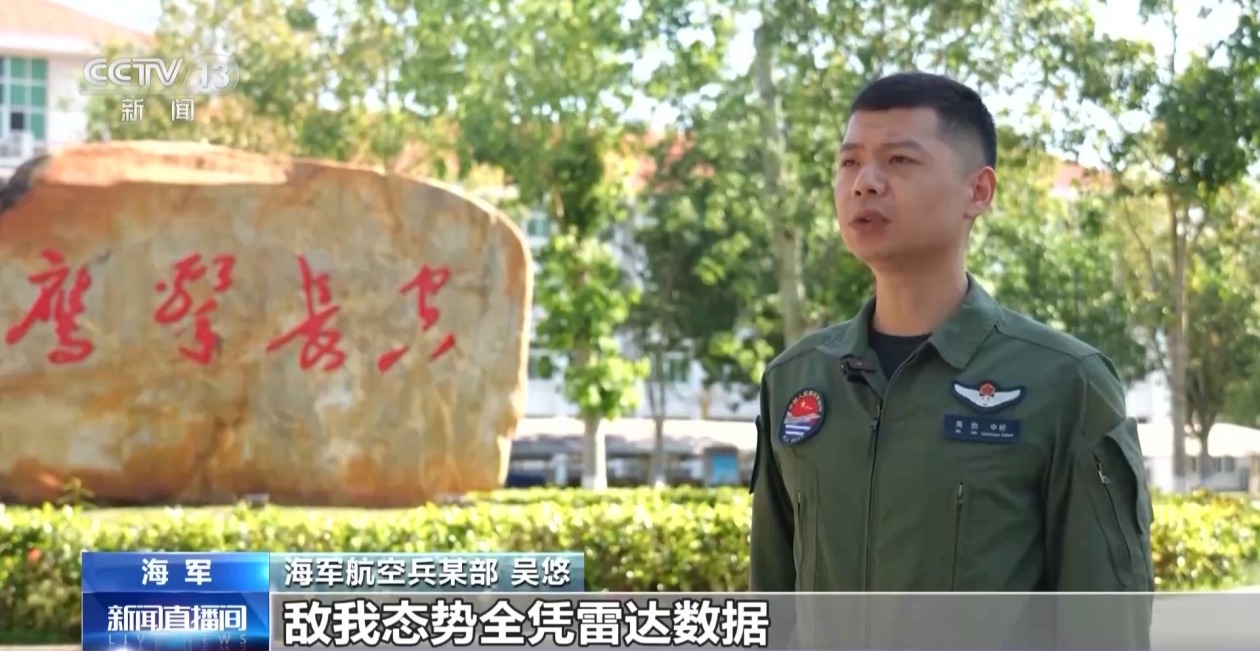
Wu You, a member of the aviation unit: In night air combat, visibility is limited, and the enemy and friendly situations rely entirely on radar data, instrument parameters, and flight experience for comprehensive judgment. Every maneuver, every aiming and firing must be completed in an instant, with no room for hesitation or deviation. A slight delay could result in missing the opportunity for combat or even lead to risks.
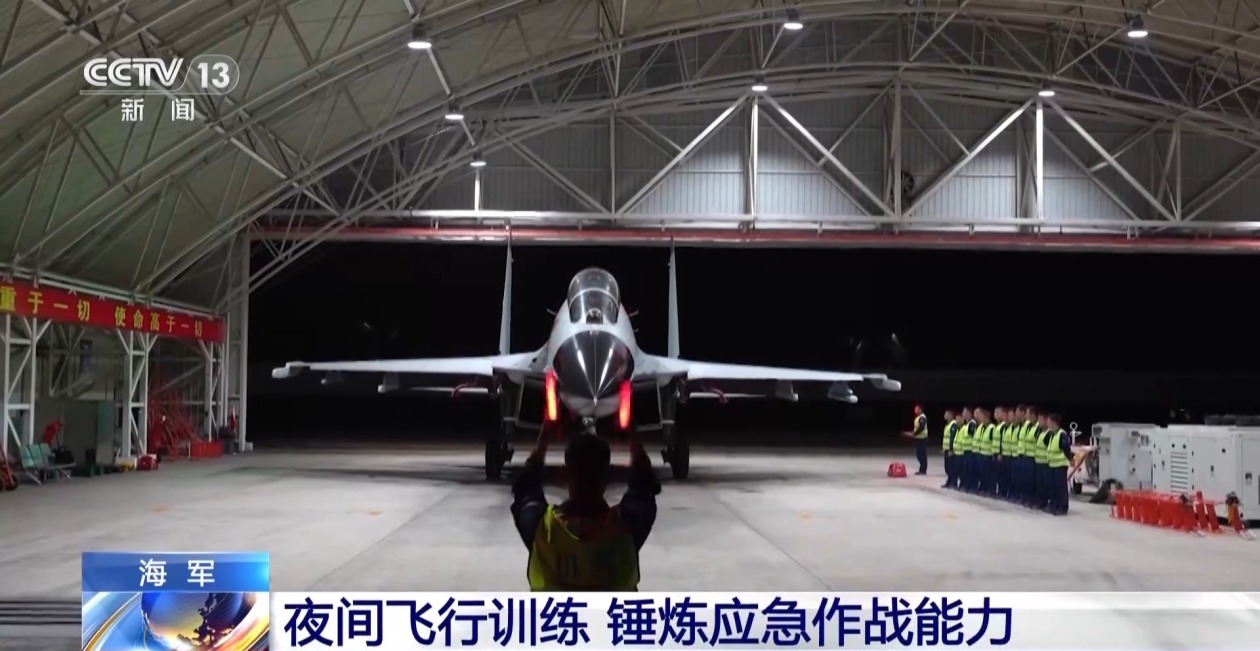
The training continued until the early hours of the morning, with fighter jets landing steadily. The maintenance personnel quickly assembled to complete support operations. Subsequently, the fighter jets roared back into the sky.
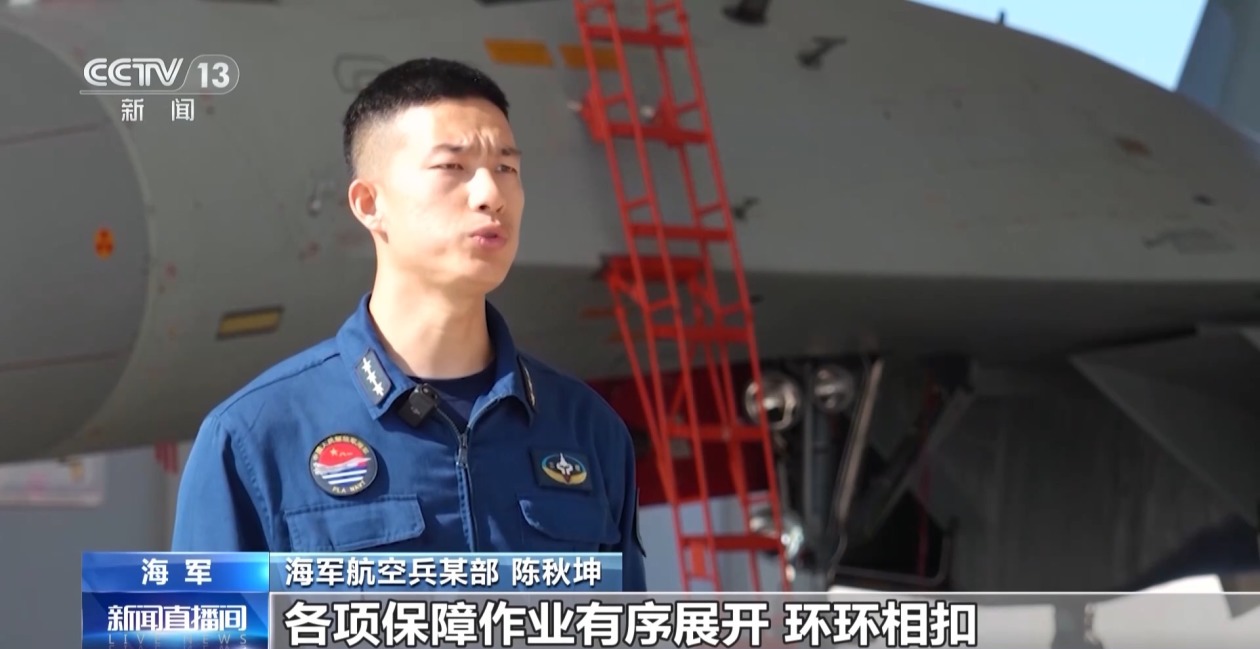
Chen Qiukun, a member of the aviation unit: The flight support tasks in the early hours are tight and fast-paced. All support operations are carried out in an orderly manner, interconnected, and every operation must be precise and efficient to ensure that the fighter jets can take off again in optimal condition for combat.
Naval Aviation of the Southern Theater Command conducted night air combat training involving dozens of fighter jets. The exercise included simulated combat scenarios between Red and Blue teams, focusing on emergency combat capabilities and electronic countermeasures. Training emphasized the critical role of radar data and pilot experience in night operations.
- Naval Aviation conducted night flying training to enhance emergency combat capabilities.
- Dozens of fighter jets participated in the air combat training exercise.
- Red and Blue teams engaged in simulated combat scenarios during the training.
- The training involved complex maneuvers and electronic countermeasures.
- The exercise emphasized the importance of radar data and pilot experience in night operations.