
Military Situation Time: What Are Japan's True Intentions Behind Participating in Multinational Joint Exercises and Equipping Offensive Missiles?

From April 6 to 17, Japan officially and comprehensively participated for the first time in the "Shield-2026" multinational joint exercise hosted by the United States and the Philippines. This marks the first time in 81 years since the end of World War II that Japanese military personnel have set foot on Philippine soil. The Philippines was once severely invaded by Japan, yet now it actively invites the Japan Self-Defense Forces over. What is the underlying intention?
Also in April, the U.S. military's F-35A stealth fighters began to be permanently stationed in Japan. What intentions are hidden behind this? More notably, Japan now not only possesses "enemy base attack capabilities" but has also equipped itself for the first time with foreign-made offensive missiles, and the Self-Defense Forces are undergoing large-scale restructuring. What exactly is Japan's intention behind this series of actions?
From April 6 to 17, 2026, the "Shield-2026" large-scale joint military exercise, led by the U.S. and the Philippines with Japan participating for the first time, will be held on Luzon Island in the Philippines, with a total participating force of over 7,000 personnel. The exercise location is close to the Bashi Channel and the South China Sea. The exercise content includes: maritime and territorial defense, amphibious operations, joint operations, electronic warfare, anti-drone operations, and humanitarian assistance. This is the first time in 81 years since the end of World War II that Japanese military personnel have participated in exercises on Philippine soil.
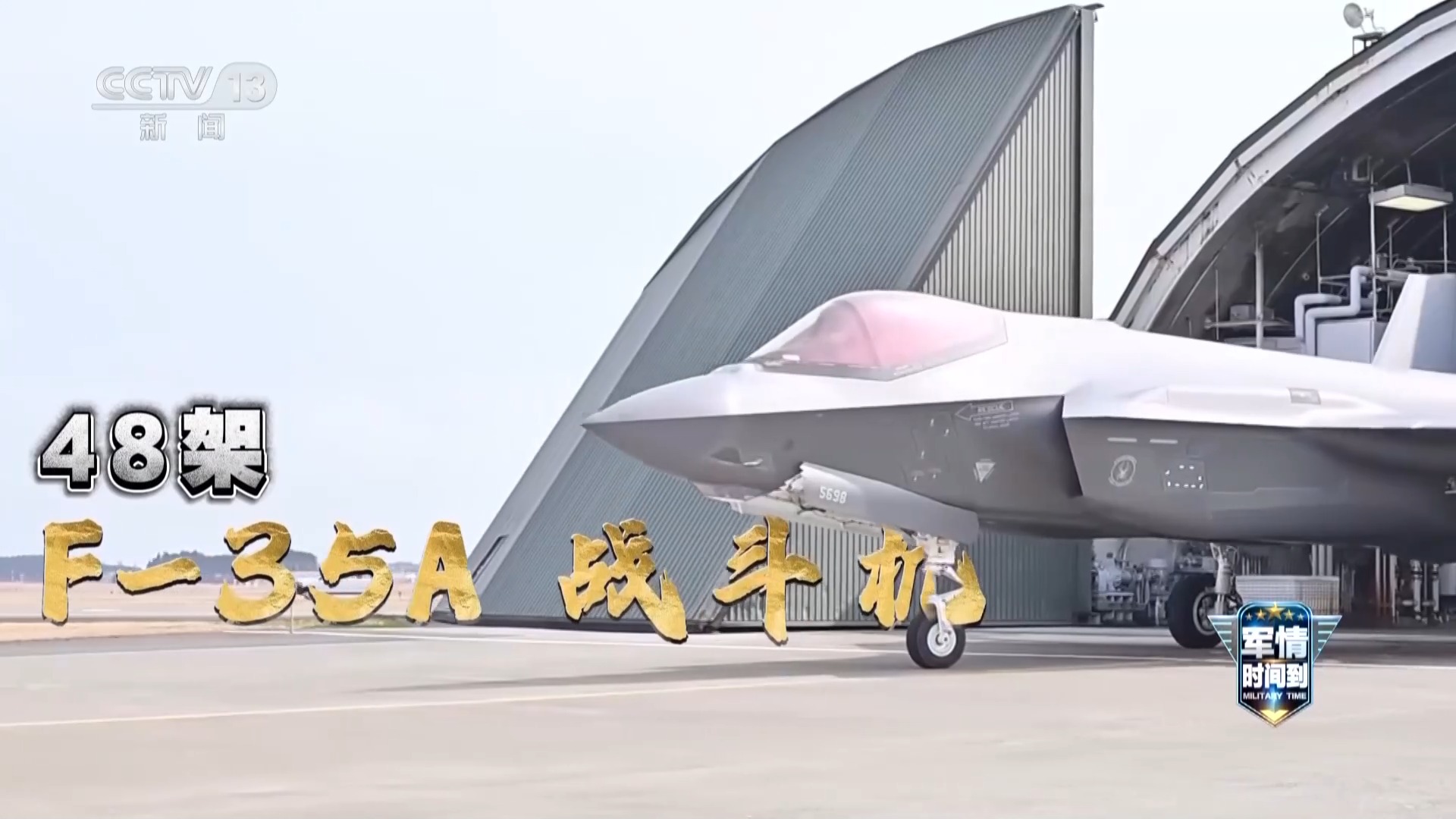
In late March 2026, the U.S. military stationed in Japan officially launched a large-scale equipment replacement operation at Misawa Air Base in Aomori Prefecture, northern Honshu. The U.S. Air Force's 35th Fighter Squadron stationed there will completely retire its 36 active F-16 fighters and replace them with 48 F-35A fighters. The U.S. Air Force stated: "By permanently deploying the most advanced tactical aircraft in Japan, the U.S. military will enhance regional deterrence and significantly improve emergency response capabilities."
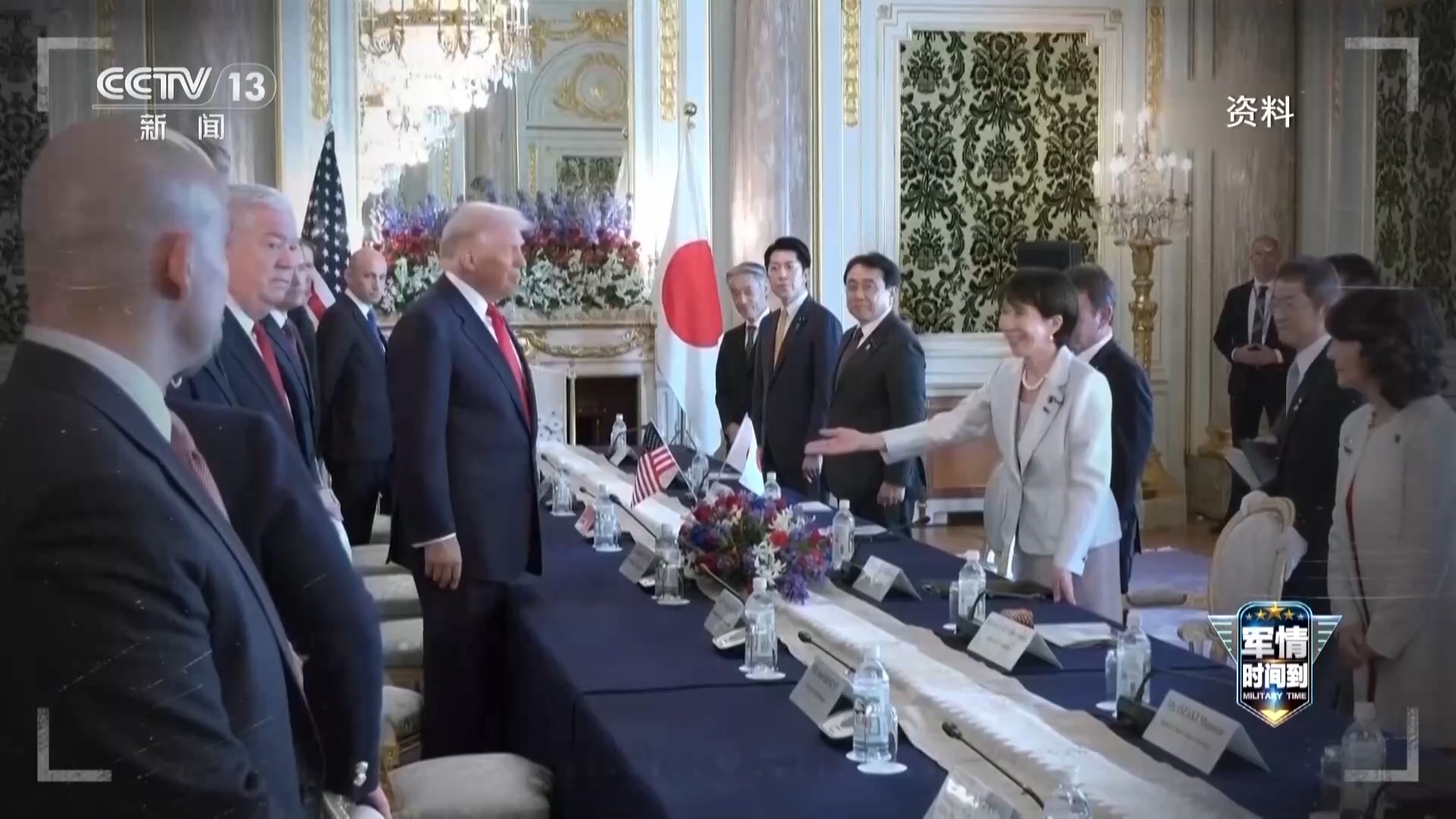
At the same time the U.S. military is adjusting its deployment, Japan is also actively promoting military ties with the United States.
In March 2026, Japanese Prime Minister Sanae Takaichi visited the U.S. and confirmed the so-called legitimacy of deploying the "Tianfeng" medium-range missile system on Japanese soil, and explicitly proposed promoting Japan's participation in the "Iron Dome" missile defense system.
The "Iron Dome" is a U.S.-led next-generation global missile defense system, planned to be completed by 2029, covering a four-layer interception network across land, sea, air, and space. Japan will fully integrate its domestic radar network, Aegis ships, and other missile defense equipment into the U.S. "Iron Dome" system, achieving "zero-delay" sharing of intelligence information and coordinated interception. Japan's participation marks a substantial transformation from being a "buyer of weapons" to a "military-industrial partner." The U.S. and Japan are forming a more multidimensional and deeper cooperation in military and strategic aspects.
Japan Self-Defense Forces participate in exercises for the first time as combat troops
What signal does this send?
What kind of signal does the participation of the Japan Ground Self-Defense Force as combat troops in multinational exercises send?
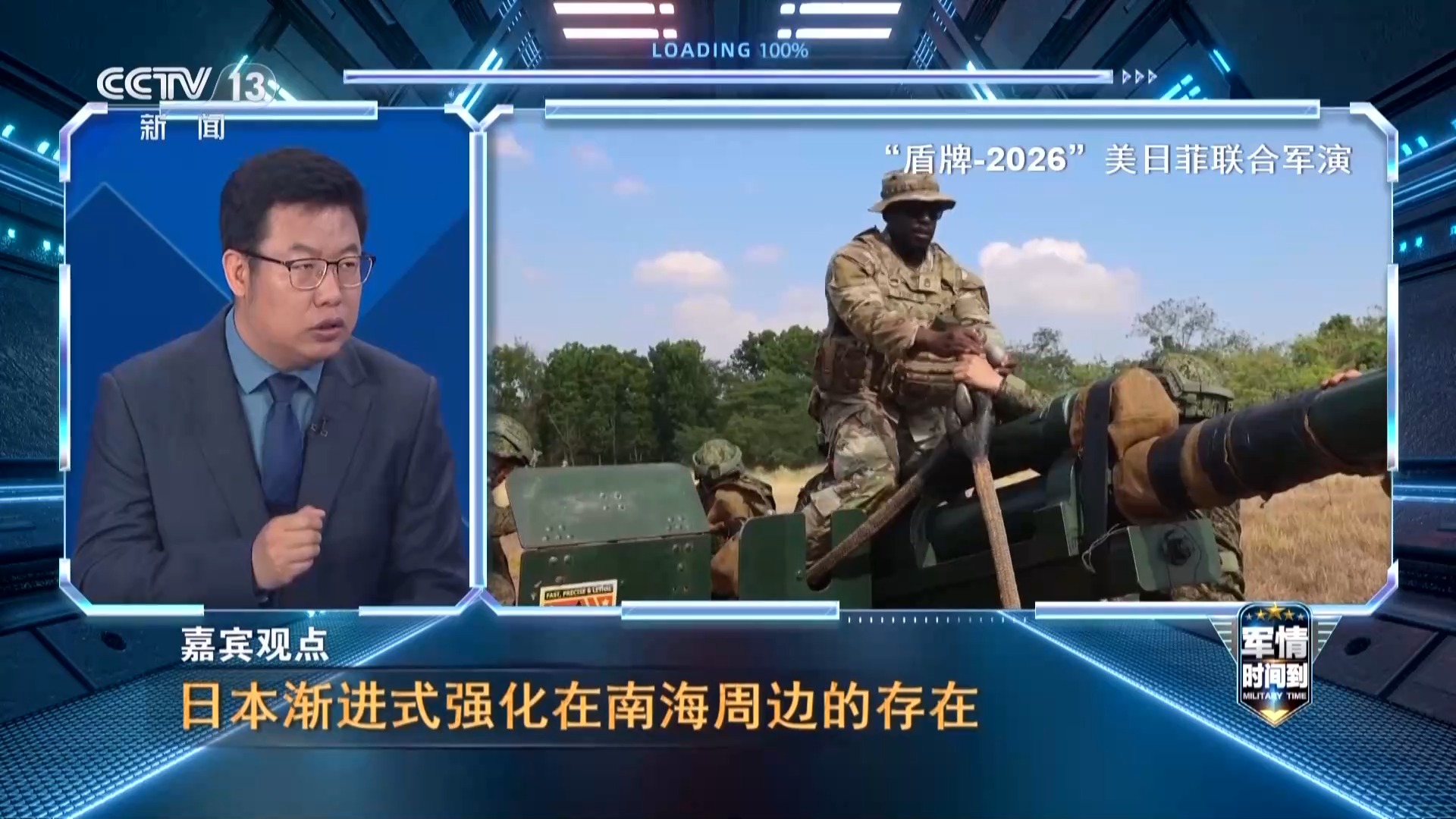
Military Observer Wei Dongxu: The forces participating from the Japan Ground Self-Defense Force may include the Amphibious Rapid Deployment Brigade. This is an island-seizing force, and such a combat capability conducting adaptive training in the Philippines and joint exercises with U.S. and Philippine armed forces is very clearly aimed at the islands in the South China Sea. Moreover, Japan will gradually strengthen its presence around the South China Sea. The joint military exercises Japan participates in are also evolving from small-scale to large-scale, from simple to complex. In the future, for large-scale multinational joint exercises, Japan's deployed forces may increase, and the exercise locations may be around the South China Sea. Therefore, when Japan's military forces reappear on Philippine territory, I believe the situation in the South China Sea will definitely be negatively affected. The Japan Self-Defense Forces arriving in the South China Sea region are not there to help but to create chaos.
During World War II, the Japanese army committed the horrific Manila massacre in the Philippines, and now the Philippines not only opens its doors wide to the Japan Self-Defense Forces but also signed a reciprocal access agreement with Japan. Have they really forgotten that history?
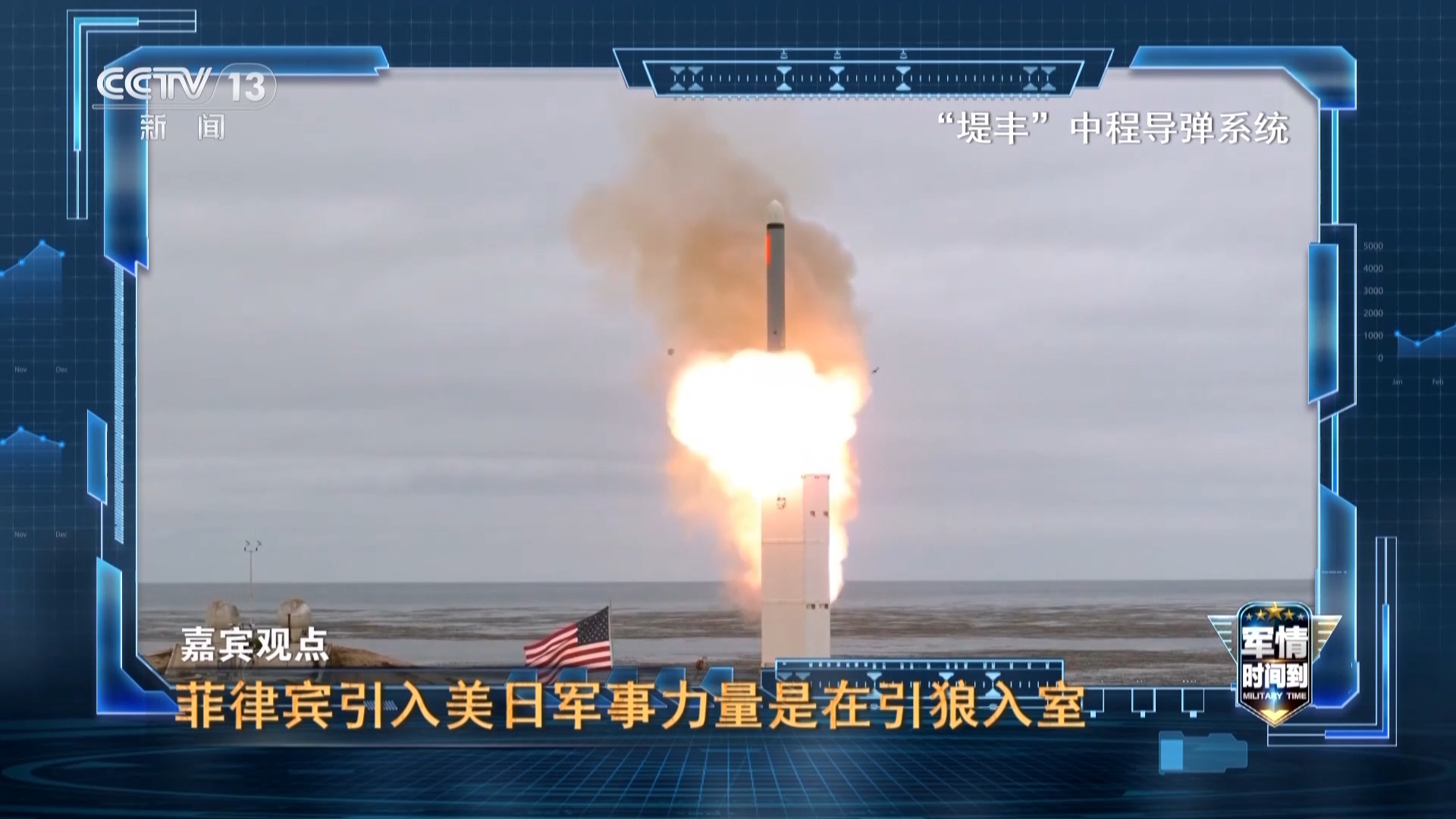
Military Observer Wei Dongxu: After the outbreak of the Pacific War, the Japanese invading army, which occupied the Philippines, especially in the Manila area, killed over 100,000 Filipino civilians, including unarmed citizens and many children, before being completely eliminated. To this day, the Japanese government has not taken a clear stance and has not apologized to the Filipino people. It can be said that in seeking its own security, the Philippines is making the wrong choice now. If the Philippines cooperates with its neighbors for mutual development, it would not face any external threats. Now, the Philippines is inviting wolves into the house, bringing Japanese and U.S. military forces into the country, and opening many military bases for the regular deployment of U.S. and allied combat forces, which will only complicate and escalate the regional situation. Neither the U.S. nor Japan can establish a systematic defense system or permanent forces in the Philippines. After the U.S. and Japanese military forces cause trouble in the South China Sea, they may quickly withdraw, leaving the Philippines to face what consequences? The Philippine government and military should seriously consider whether the involvement of Japanese and U.S. military forces is beneficial or detrimental to them.
What does the permanent deployment of F-35A by U.S. forces in Japan mean?
The U.S. military has begun deploying F-35A fighters at Misawa Air Base and claims this is a permanent deployment. What does this mean?
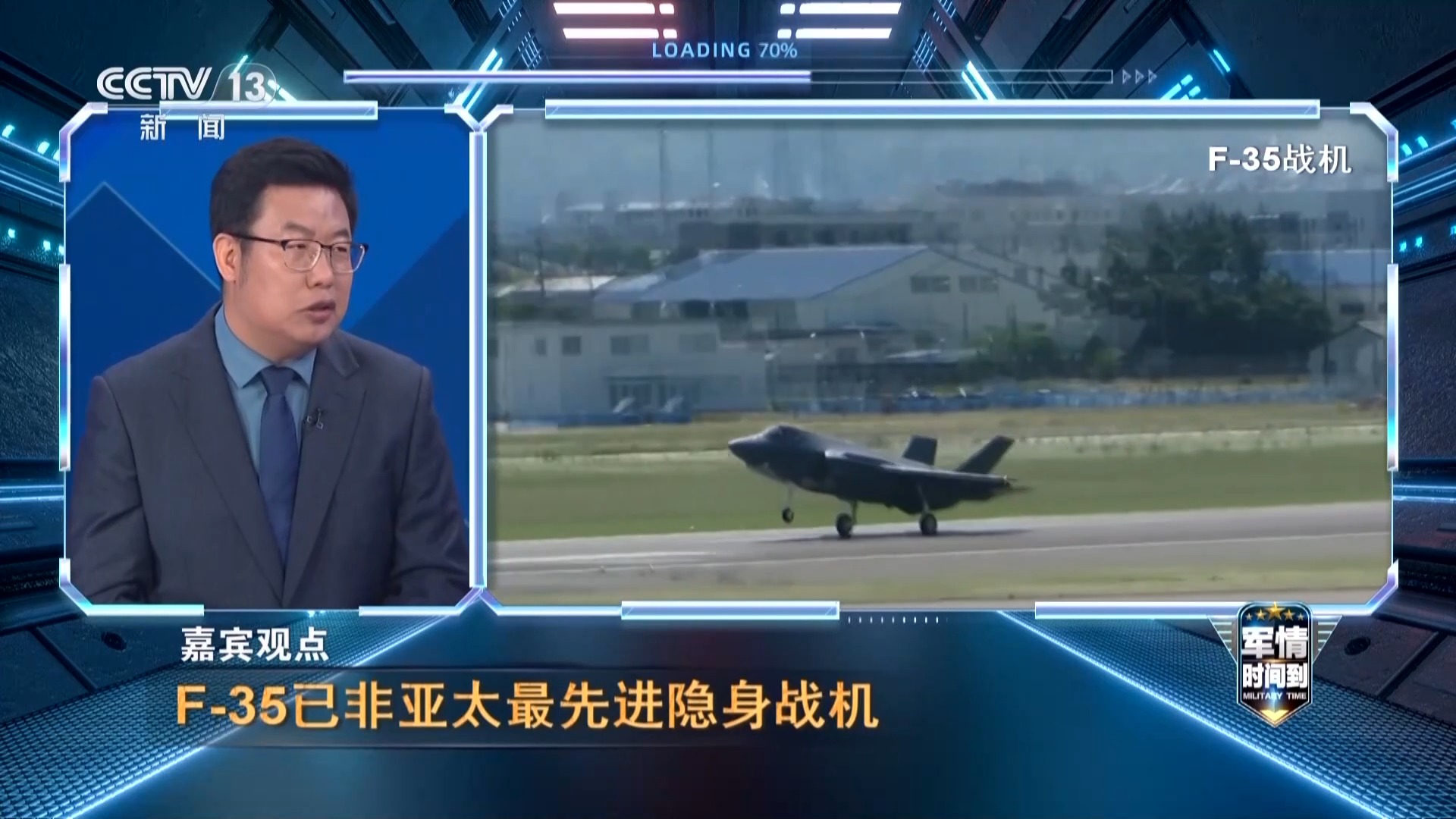
Military Observer Wei Dongxu: The three brothers of the F-35 are now all gathered in Japan, and they will be deployed regularly in the future. This will enhance the U.S. air power's strike and surprise capabilities. However, the F-35 is not currently the most advanced stealth fighter in the Asia-Pacific region, as other countries may have twin-engine or more advanced aerial stealth combat platforms that can counter it. Anti-stealth technology is also developing, and when the F-35 faces a powerful, sophisticated, high-tech early warning and air defense system, the effectiveness of this "stealth cloak" is uncertain. Moreover, if the U.S. military uses all three variants of the F-35 to provoke or launch surprise attacks, they may find themselves in a difficult situation.
If the Japan Self-Defense Forces are seeking new breakthroughs abroad, they are still in a testing phase. However, a series of recent military actions by Japan indicate that its militarization measures are accelerating.
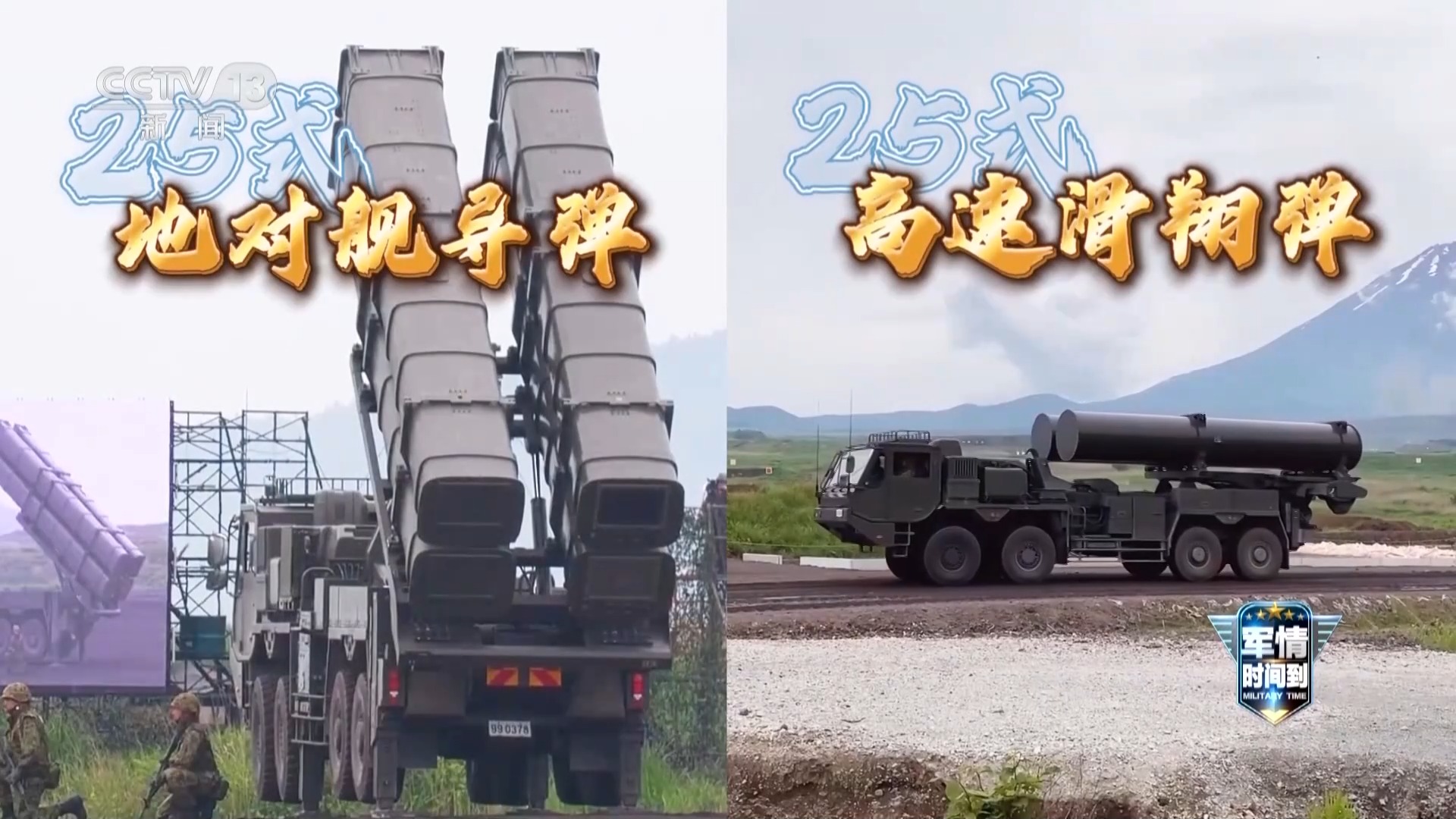
According to Japan's Kyodo News, on March 31 local time, the Japanese Ministry of Defense deployed Type 25 ship-to-ship missiles and Type 25 high-speed glide bombs at the Kengun garrison in Kumamoto Prefecture and the Fuji garrison in Shizuoka Prefecture, respectively. The Type 25 ship-to-ship missile, previously known as the "land-based improved Type 12 anti-ship missile," has a range of about 1,000 kilometers, five times that of the original, while also improving strike accuracy. Launched from the Kengun garrison in Kumamoto Prefecture, its coverage can include the entire Korean Peninsula, parts of Russia's Far East, core areas along China's eastern coast, and the vicinity of northern Taiwan.
The Type 25 high-speed glide bomb, previously known as the "high-speed glide bomb for island defense," has a range of several hundred kilometers. Japan is currently developing an upgraded version with a range of about 2,000 kilometers.
On March 13, the Japanese Ministry of Defense also officially received U.S.-made Tomahawk cruise missiles to equip the Maritime Self-Defense Force's Aegis destroyers, marking the first time Japan has equipped itself with foreign-made offensive missiles.
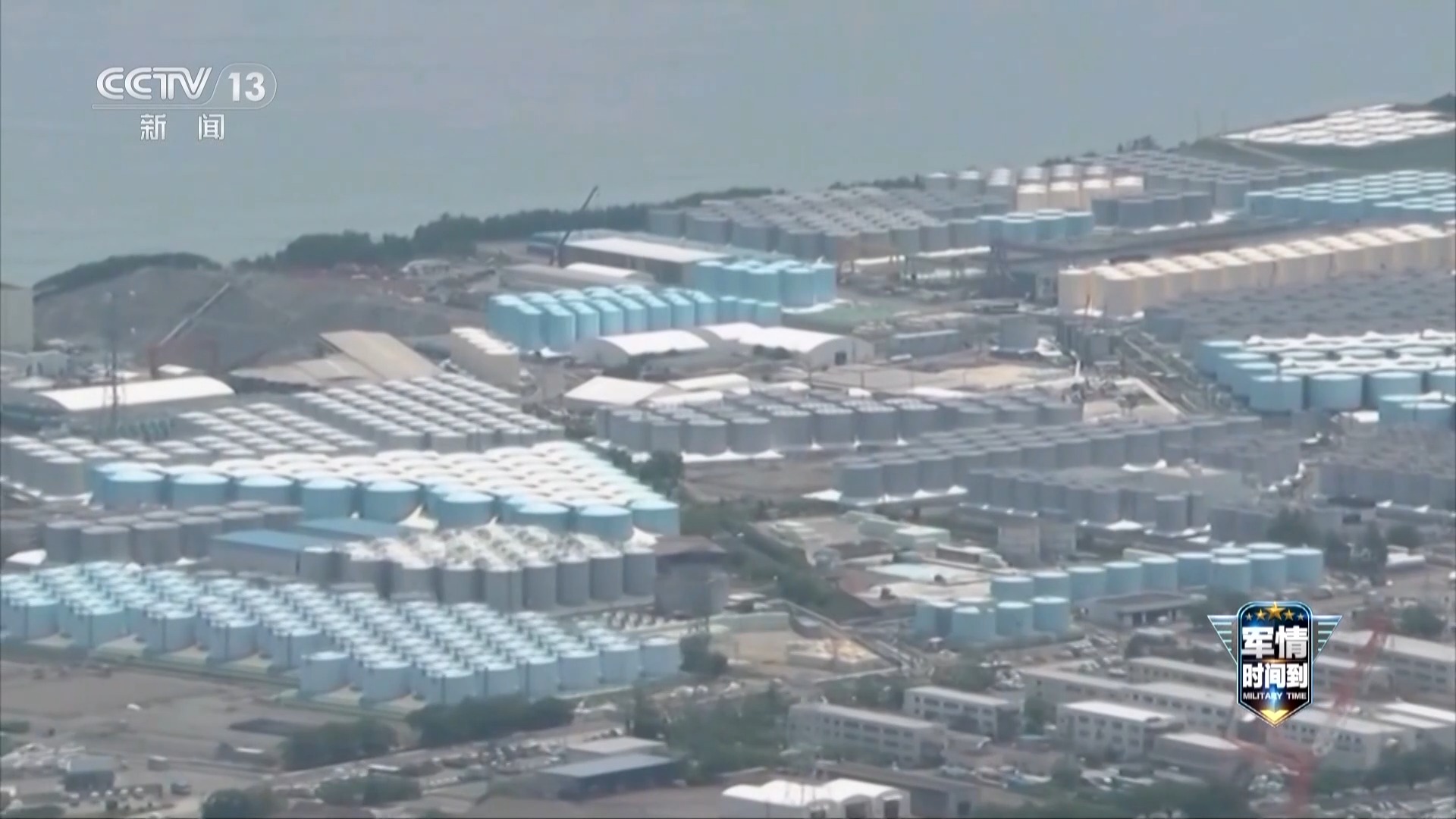
In addition to conventional missiles, Japan's nuclear material reserves are also quite astonishing. According to the People's Liberation Army Daily, by the end of 2024, Japan is expected to stockpile about 44.4 tons of separated plutonium, enough to produce about 5,500 nuclear warheads. Moreover, Japan is the only non-nuclear country in the world with a complete nuclear fuel cycle system. Although Japan currently does not possess nuclear weapons, it has nearly all the material and technical conditions necessary to manufacture them. Once it completely breaks through the restrictions of the "Three Non-Nuclear Principles," it could become a de facto nuclear power in a very short time.
If Japan breaks through the "Three Non-Nuclear Principles"
What serious consequences would it have?
Japan has nearly all the material and technical conditions necessary to manufacture nuclear weapons. What serious consequences would arise if Japan completely breaks through the "Three Non-Nuclear Principles"?
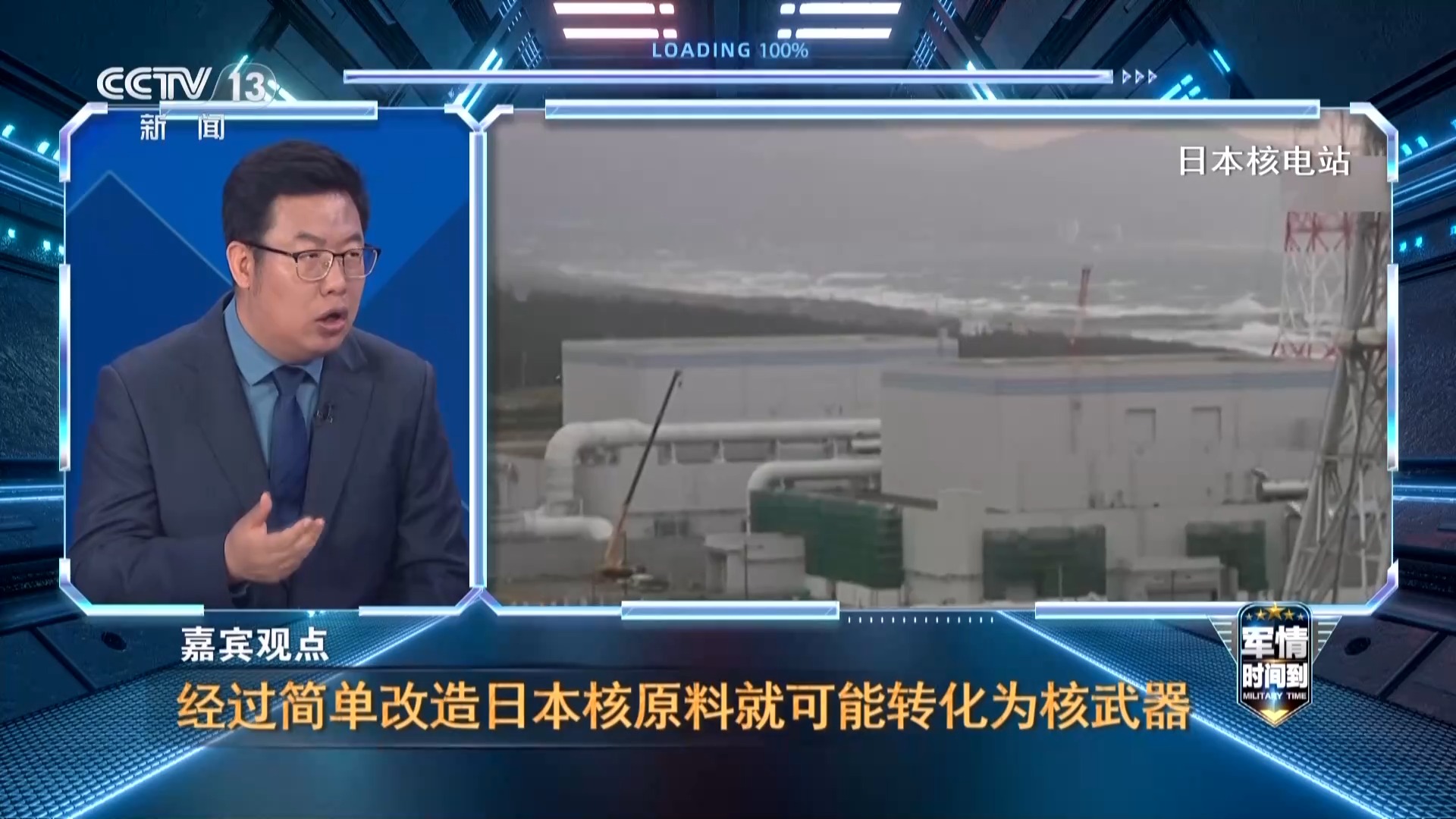
Military Observer Wei Dongxu: There is a saying in the outside world that Japan is just a screwdriver away from nuclear weapons. This means that with simple technical modifications, Japan's large stockpiles of enriched uranium or nuclear fuel could be converted into nuclear weapons, potentially being made into atomic bombs. Moreover, Japan has a very large stockpile of nuclear materials, which could allow for the production of dozens or even hundreds of nuclear weapons. Additionally, Japan has the means to deliver nuclear weapons, so in its pursuit of nuclear capability, Japan has actually been preparing in secret. This covert preparation may be hidden under other projects. However, once Japan breaks through the "Three Non-Nuclear Principles," it could become a de facto nuclear weapons power and a strong nation.
In March, Japan deployed Type 25 land-based anti-ship missiles and Type 25 high-speed glide bombs at two garrisons. Some media have commented that Japan has already acquired a preemptive capability. What kind of preemptive capability is this?
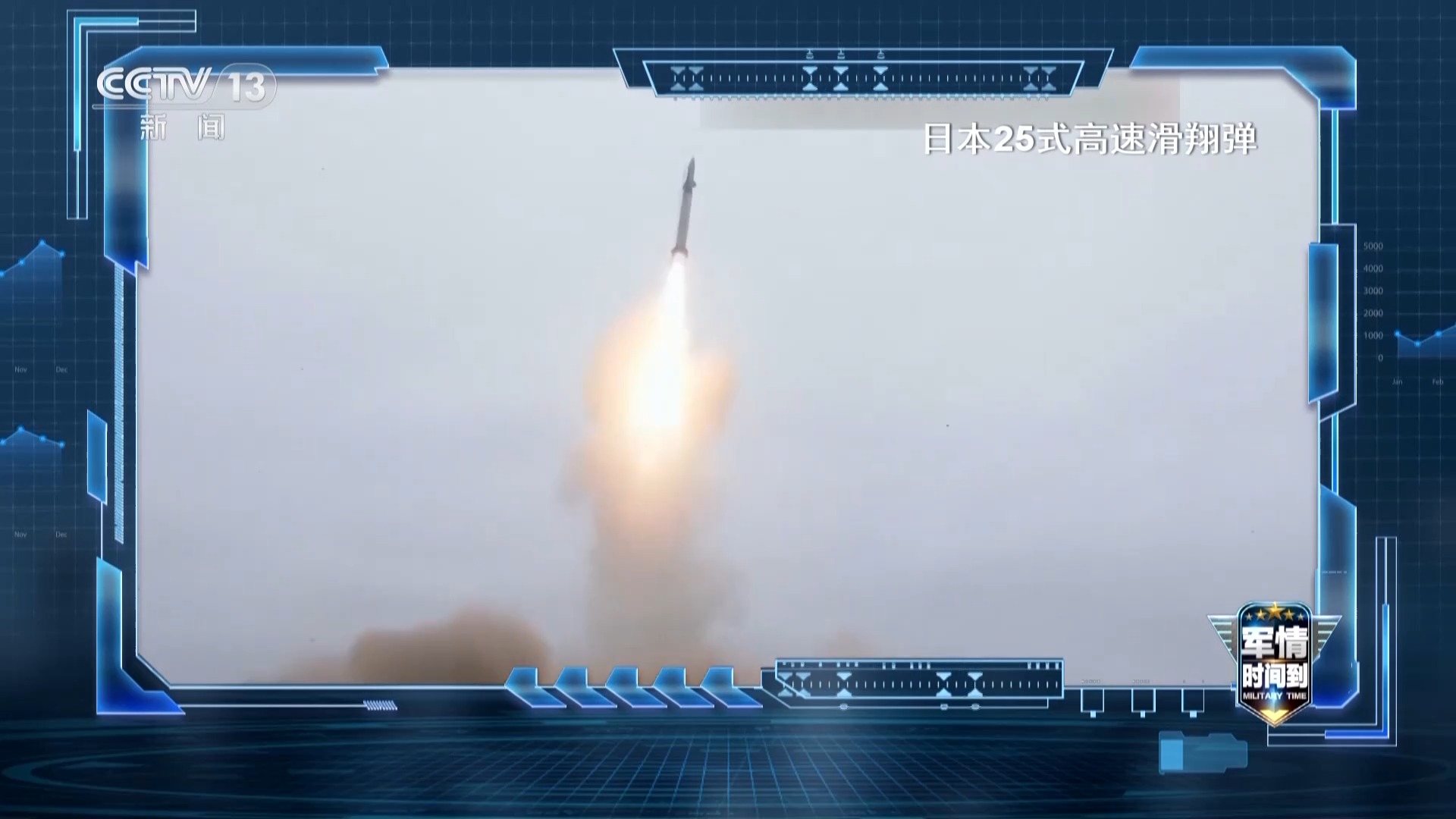
Military Observer Wei Dongxu: The Type 25 anti-ship missile has a maximum range of over 900 kilometers, approaching 1,000 kilometers, and may further extend its range in the future, adopting a stealth design concept, enhancing its penetration capability, and employing a composite guidance mode, which objectively has strong anti-jamming capabilities. Therefore, it is a very expensive long-range strike system, not intended for defensive operations. If the Self-Defense Forces deploy Type 25 anti-ship cruise missiles at the northern end of the Japanese archipelago or in the southwestern region, they would have extensive fire coverage capabilities against Russia, large islands in the southwest, and important straits, capable of blockading straits, attacking island targets, and striking large naval vessels at long distances. This is a thoroughly offensive weapon system, intended for preemptive strikes. What does preemptive mean? It means that Japan can launch preemptive fire strikes against its surroundings when it feels threatened. Many acts of aggression are secretive and preemptive, without prior notice. Currently, the combination of the Type 25 long-range anti-ship missile and preemptive tactics indicates that the Japan Self-Defense Forces are becoming increasingly dangerous.
On one hand, Japan is deploying its own manufactured long-range missiles, while on the other hand, it is equipping itself with Tomahawk cruise missiles. Why is this?
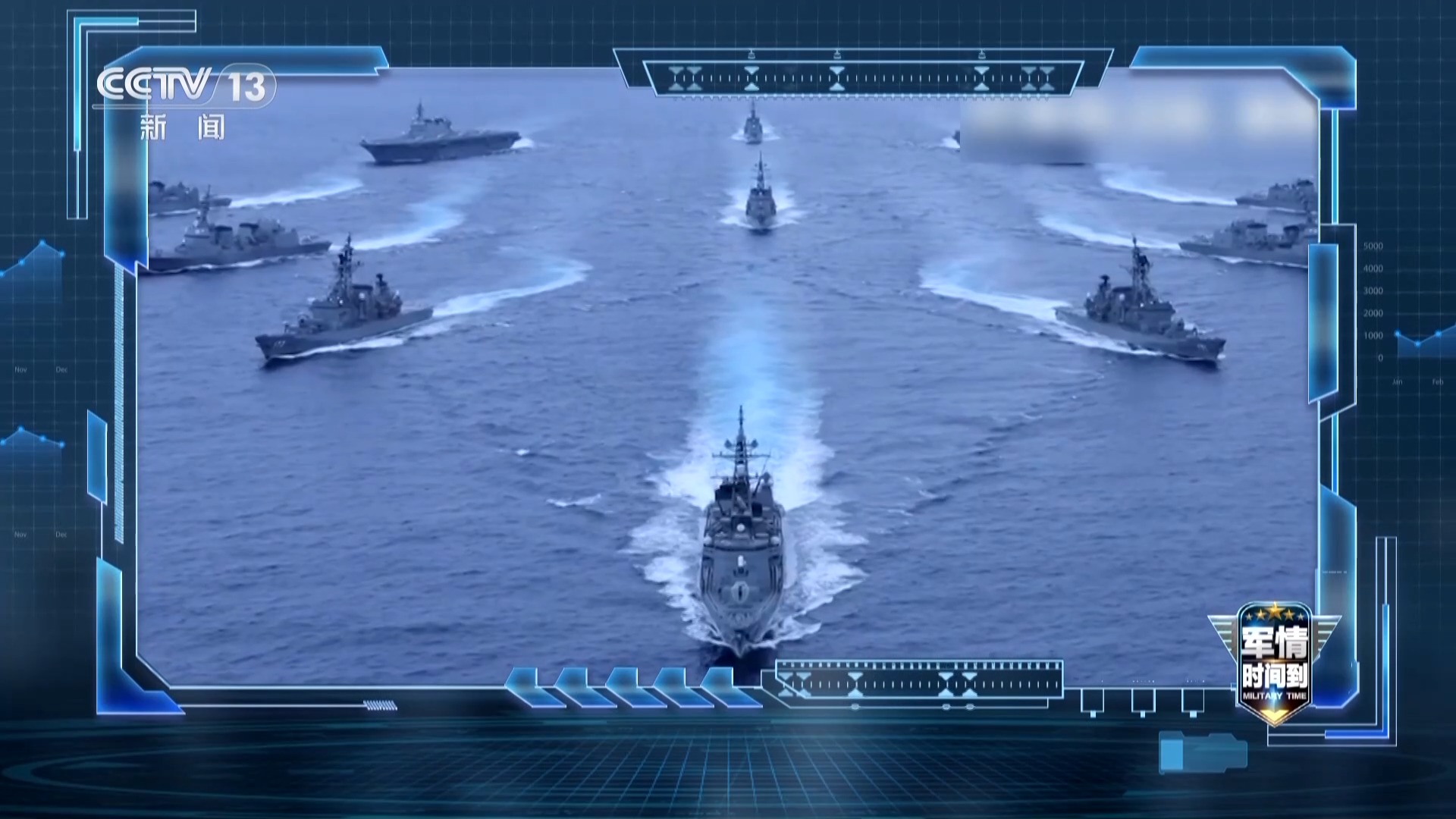
Military Observer Wei Dongxu: Firstly, the range of the Type 25 long-range anti-ship missile has not yet reached 1,000 kilometers, and it flies at subsonic speeds. However, Japan's military expansion and overseas ambitions are very urgent, so it needs large quantities of mature, long-range cruise missiles. In the past, during the operational process of U.S. and Japanese naval forces, the U.S. was the main force while Japan played a supporting role, often executing tasks such as air defense, anti-submarine warfare, and mine sweeping. Now, it is different. The joint maritime combat system being built by the U.S. and Japan is a dual-main force system, with the U.S. Navy taking the lead in offensive tasks while the Japan Maritime Self-Defense Force also pushes to the front line to conduct joint offensives. For joint offensives, the standards for weaponry must be unified. The U.S. Arleigh Burke-class destroyers launch Tomahawk cruise missiles, so Japan's Aegis ships must also match the U.S. destroyers in missile defense capabilities and strike capabilities against deep land targets, achieving the same level of firepower and standards, allowing them to assist the U.S. military in joint offensives.
If weapons are "hardware," then military structure is the "operating system." Japan's recent restructuring is essentially a "system upgrade" for the Self-Defense Forces.
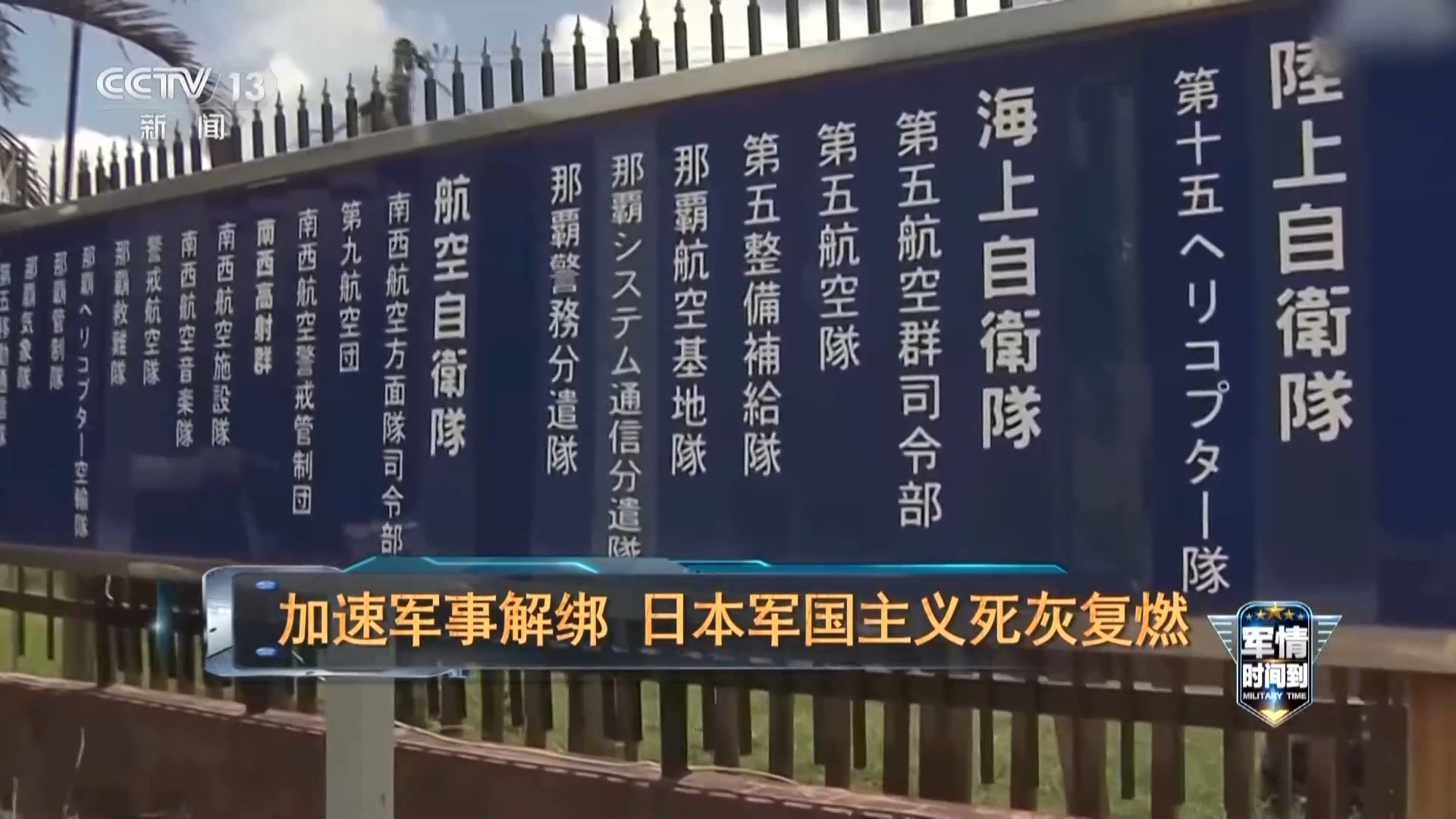
In March of this year, Japan conducted the largest organizational adjustment of its Ground, Maritime, and Air Self-Defense Forces since the Cold War, including significant restructuring of the Maritime Self-Defense Force, expanding space forces, and building intelligence units, with a focus on strengthening deployments in the southwestern islands and operational capabilities in space and information domains.
The Japan Maritime Self-Defense Force has established a unified command "Surface Fleet," integrating the former escort fleet and mine-sweeping units, and has set up "Surface Battle Groups," "Patrol Defense Groups," and "Amphibious Mine Warfare Groups," forming a full-chain operational system of "sea control - mine sweeping - deployment," achieving a transition from defense to oceanic intervention.
The Maritime Self-Defense Force and the Ground Self-Defense Force have also established new "Intelligence Operations" agencies to integrate dispersed intelligence capabilities.
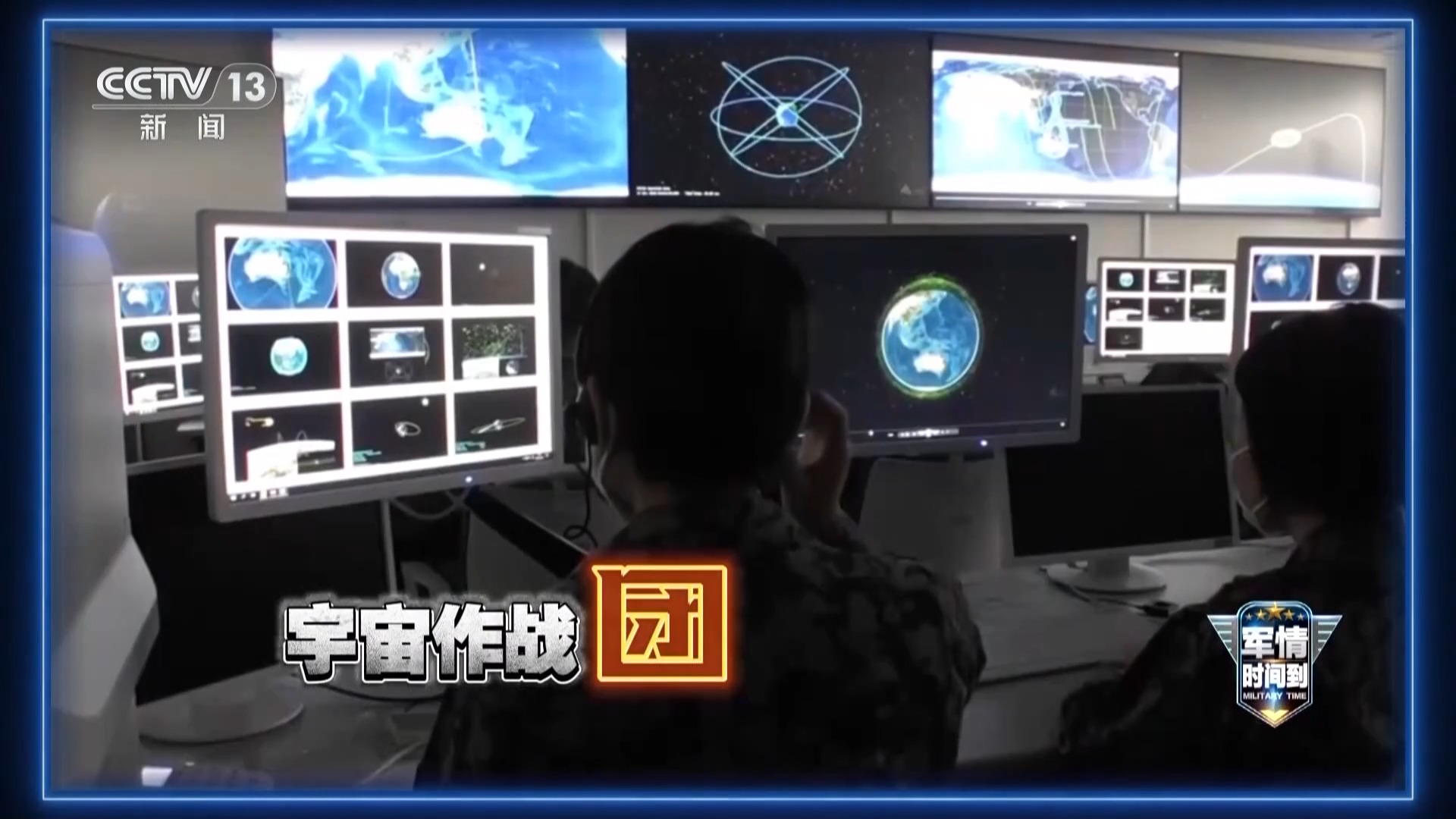
The Air Self-Defense Force plans to be renamed the "Aerospace Self-Defense Force" by the end of 2026 and will significantly expand the scale of its space professional forces. The "Space Operations Group," responsible for space surveillance tasks, will be upgraded to a "Space Operations Regiment," with personnel increasing from about 310 to about 670, and plans to further upgrade to a "Space Operations Group" within the 2026 fiscal year, expanding personnel to about 880.
Recruitment, restructuring, and weapon purchases will undoubtedly lead to a significant increase in military spending, with Japan's defense expenditure exceeding 9 trillion yen in the 2026 fiscal year. At the same time, Japan's government debt interest has for the first time exceeded 30 trillion yen, severely squeezing funding for people's livelihoods. In response, Japan's Asahi Shimbun commented: "In the eyes of the Takaichi government, the priority of 'cannons' is clearly higher than that of 'butter.' While the public struggles with inflation outpacing wage increases, the government is paying for expensive missiles."
How Japan gradually loosens its own constraints
Japan has seriously deviated from its post-war political commitment to international peace order. How has Japan gradually loosened its own constraints?
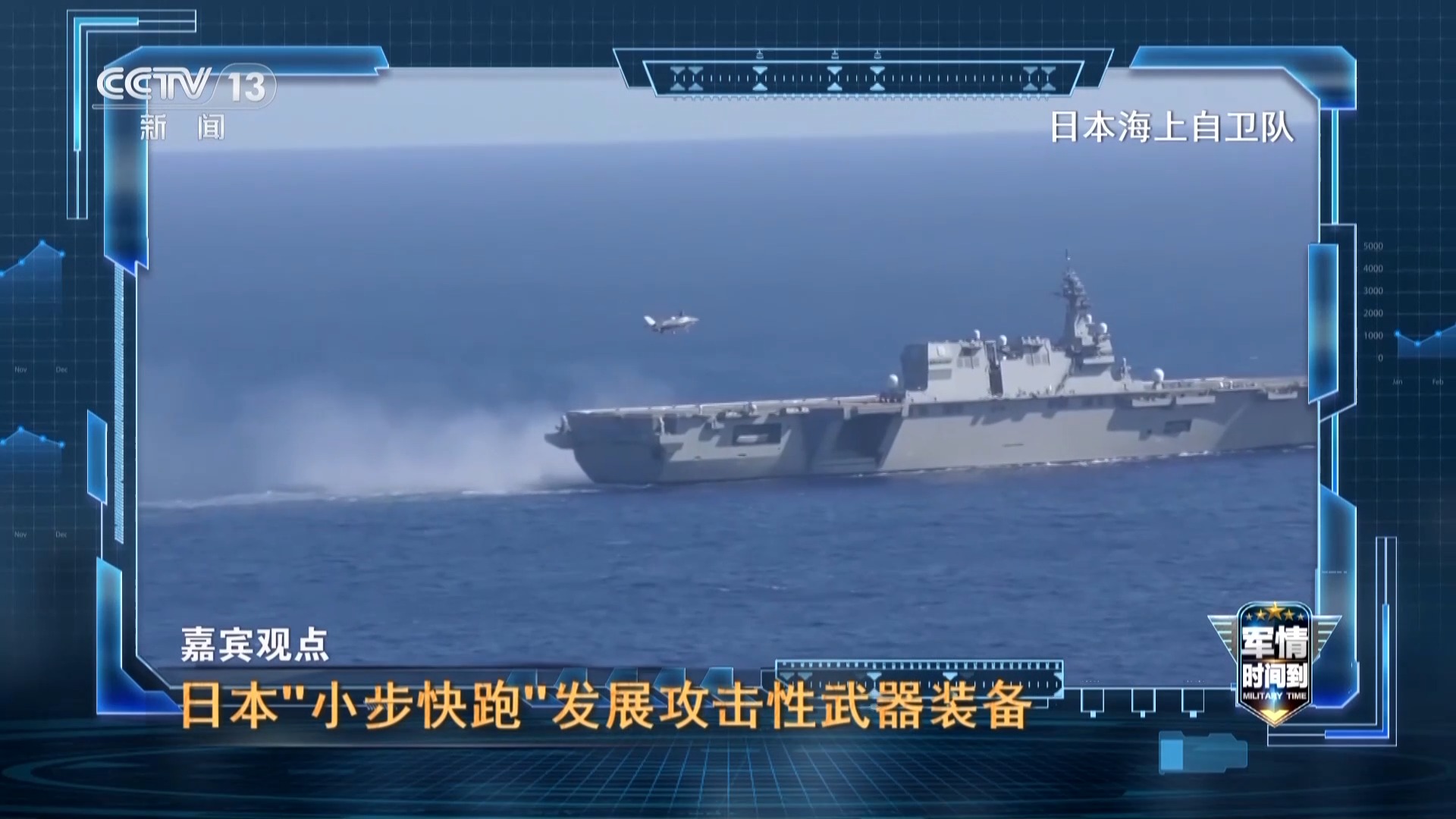
Military Observer Wei Dongxu: Japan is loosening its military constraints mainly by breaking through the principle of exclusively defensive posture and escaping the limitations of its pacifist constitution. First, it will take every opportunity, with U.S. assistance, to loosen legal constraints, introducing various legal amendments that allow the Japan Self-Defense Forces to operate overseas. In the process of developing weaponry, it adopts a "small steps, quick runs" approach. Previously, it followed the U.S. military under the guise of mine sweeping, now it is sending organized combat troops to conduct live-fire exercises and fire strike drills in relevant areas of the Philippines. Previously, Japan's defense cooperation was mainly focused on the U.S., with no third parties involved. Now it is beginning to pursue diversified defense cooperation, but still under U.S. leadership. Japan wants to join some small circles and groups led by the U.S., which will bring more external military forces into the relevant areas of the Western Pacific to support its provocative actions and may even further stir up trouble in those areas.
In March of this year, Japan's Ground, Maritime, and Air Self-Defense Forces underwent the largest organizational adjustment since the Cold War. What is the most noteworthy feature of this adjustment?
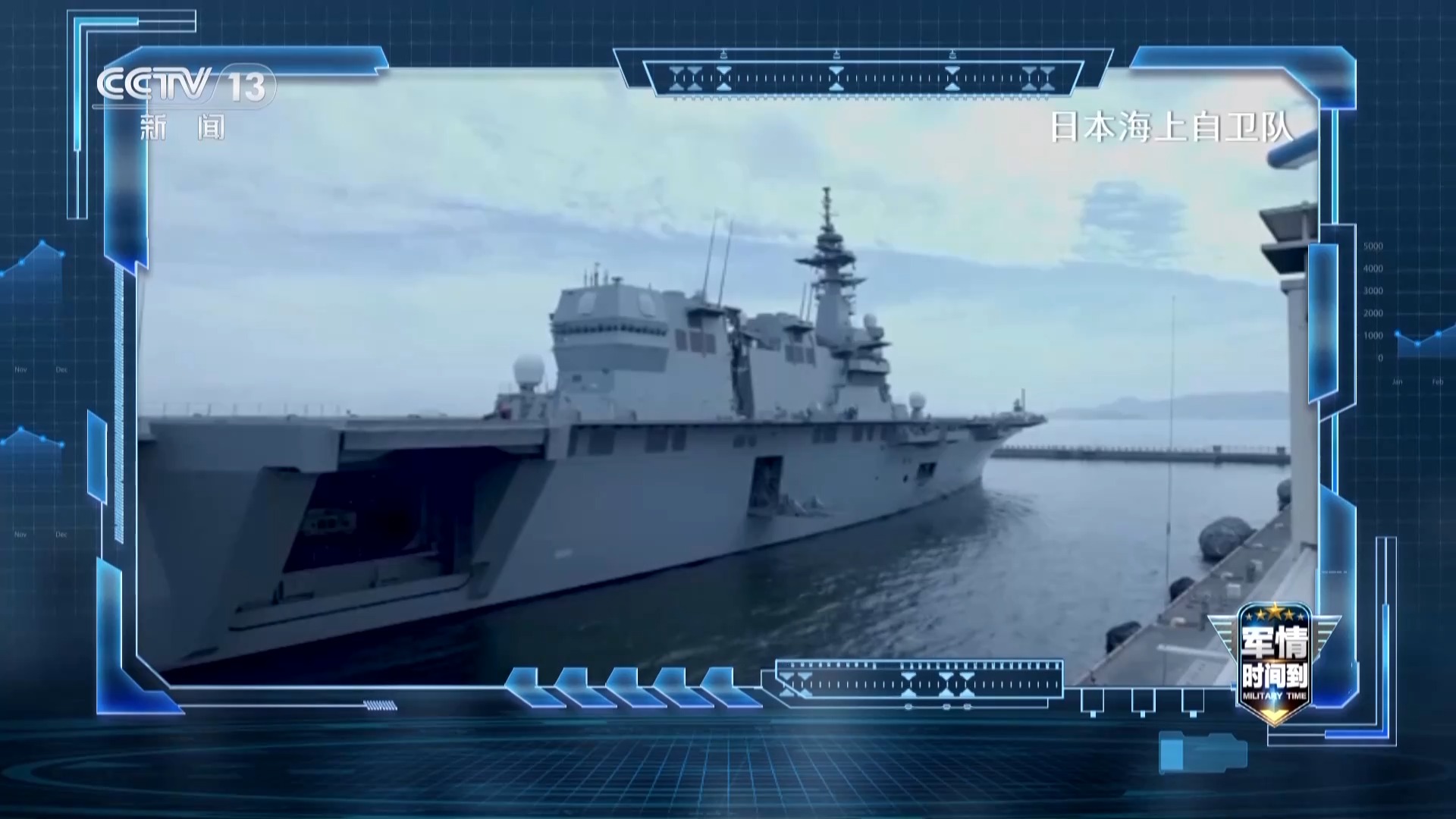
Military Observer Wei Dongxu: Japan's military power has essentially transformed from a Self-Defense Force into a military system with strong offensive capabilities and enhanced comprehensive combat capabilities, or one that has initially developed joint operational capabilities. First, the Japan Maritime Self-Defense Force has undergone a large-scale troop reorganization, creating three maritime combat clusters. Now, the Japan Maritime Self-Defense Force's long-range offensive capabilities and its ability to intervene in regional hotspots have been comprehensively strengthened. The composition of the Japan Ground Self-Defense Force has two noteworthy aspects: on one hand, its missile launch units will increase, and on the other hand, it has formed an Amphibious Rapid Deployment Brigade, indicating that its firepower needs to reach far and its island-seizing forces need to go out, which clearly are not defensive requirements. The biggest change for the Japan Air Self-Defense Force is to break through the atmosphere and reach space, so it will be renamed the Aerospace Self-Defense Force, likely to cooperate with the U.S. Space Force in executing some orbital reconnaissance or orbital attack missions. The transformation of the functions of the three Self-Defense Forces and the reorganization of their forces indicate that Japan's current defense strategy has undergone significant adjustments. The restrictions of the exclusive defense principle and the pacifist constitution are increasingly weak against the now formidable Japan Self-Defense Forces.
The Takaichi government continues to violate public opinion by expanding the military budget, and its military expansion policy is becoming increasingly prominent. What consequences might this lead to?
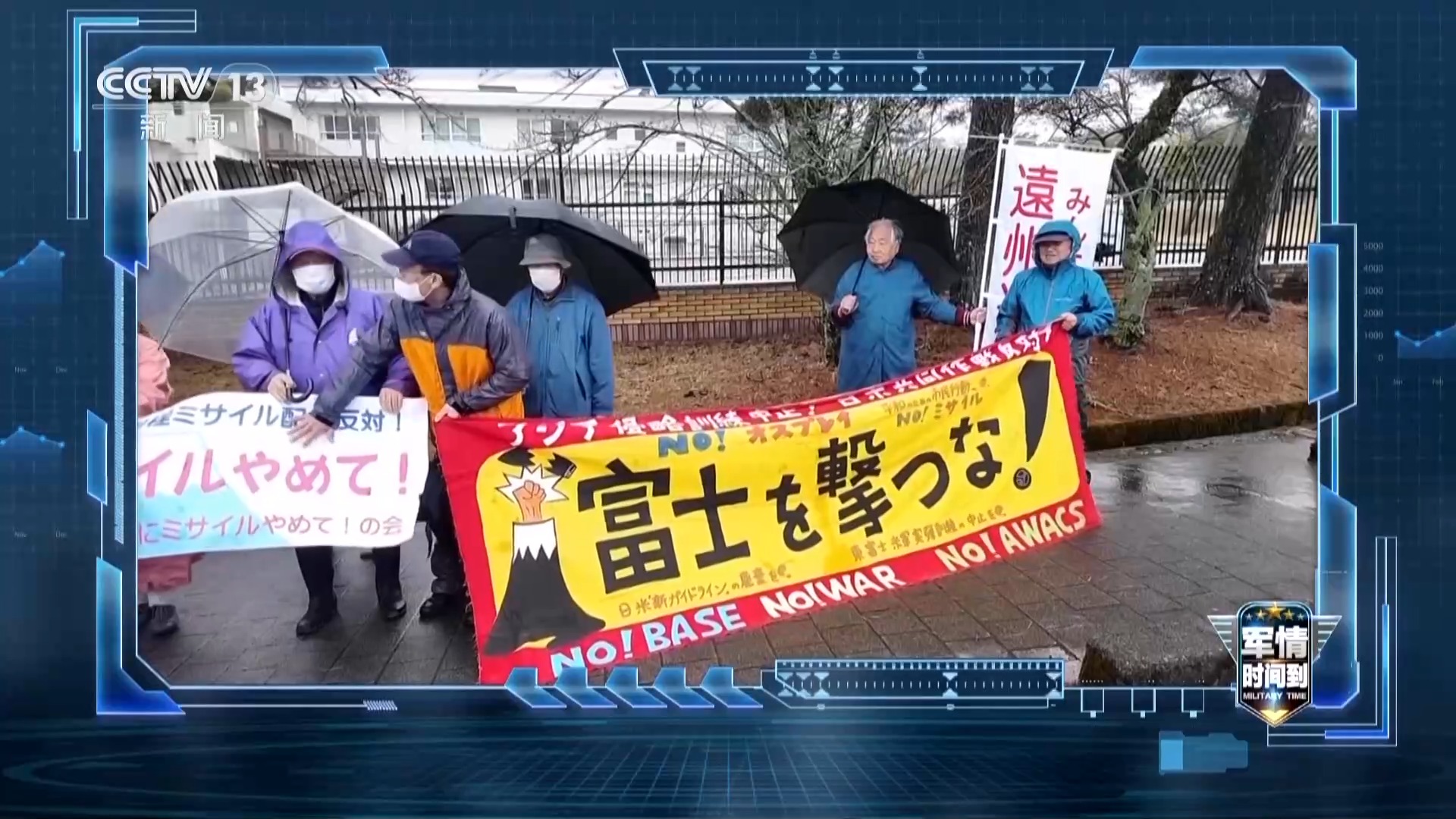
Military Observer Wei Dongxu: Japan is now on a very dangerous path; it is not seeking to befriend its neighbors but is attempting to be hostile towards them. If Japan engages in military provocations, igniting war and provoking conflict, it is likely that Japan will face a fate similar to the tragic end of World War II. The rise of militarism in Japan is a concern for the Japanese public, and it may exert some restraint or checks on the current Japanese Ministry of Defense and the government.
Military Hotspot Q&A
Are the U.S. mine sweepers too old
Can they clear mines in the Strait of Hormuz?
Recently, according to the U.S. Central Command, the U.S. military has begun mine-clearing operations in the Strait of Hormuz. Some foreign media reported that U.S. Navy mine sweepers are sailing westward from the Pacific, seemingly heading to the Middle East to prepare for mine-clearing operations.
Netizen question: The U.S. mine sweepers are so old, can they clear mines in the Strait of Hormuz?
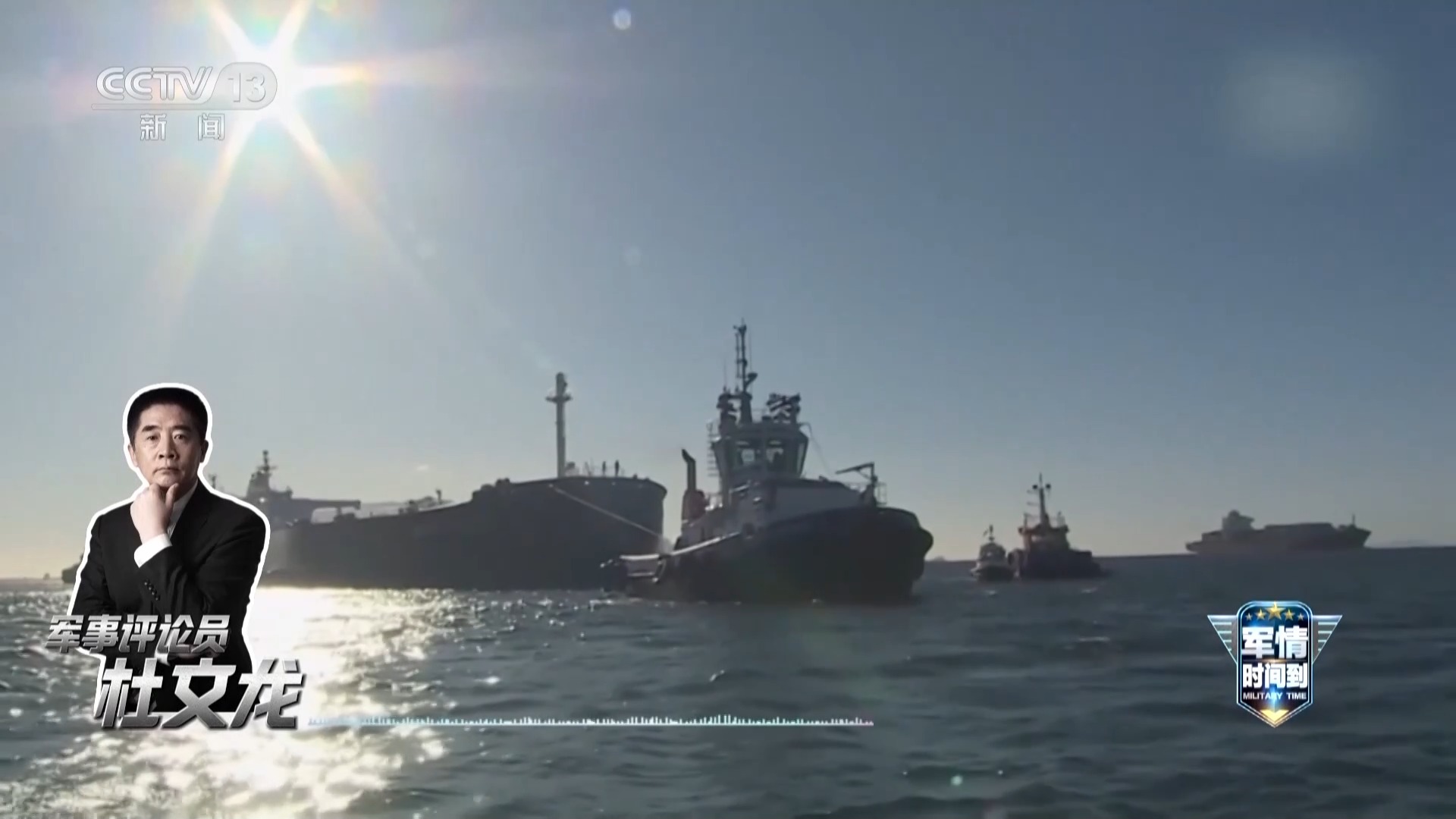
Military Commentator Du Wenlong: The currently equipped U.S. mine sweepers have been in service for a long time, with relatively low performance, and the main mine sweepers, the "Avenger" class, are facing a large number of retirements. Currently, the newer and more capable model in the U.S. is the Littoral Combat Ship, which has mine-sweeping modules, but these modules are relatively complex, and the Littoral Combat Ship has serious deficiencies in defensive capabilities and is limited in number. This indicates that the U.S.'s so-called mine-clearing capabilities have significantly declined compared to the Cold War period. Therefore, the U.S. so-called mine-clearing is likely just a pretext, aiming to combine the mine-clearing capabilities of all allies into a joint mine-clearing force to conduct various operations in the Persian Gulf. Relying solely on the current U.S. mine-clearing capabilities to clear all mines laid by Iran in the Persian Gulf would be extremely difficult.
Why can't South Korea disengage from the U.S.?
Is complete defense independence possible in the future?
Recently, South Korean President Lee Jae-myung stated at a meeting of military commanders that he would accelerate the process of regaining wartime operational command. As of now, South Korea remains the only country in the world that has entrusted wartime operational command to another country.
Netizen question: Why has South Korea been unable to disengage from the U.S. for so many years? Is complete defense independence possible in the future?
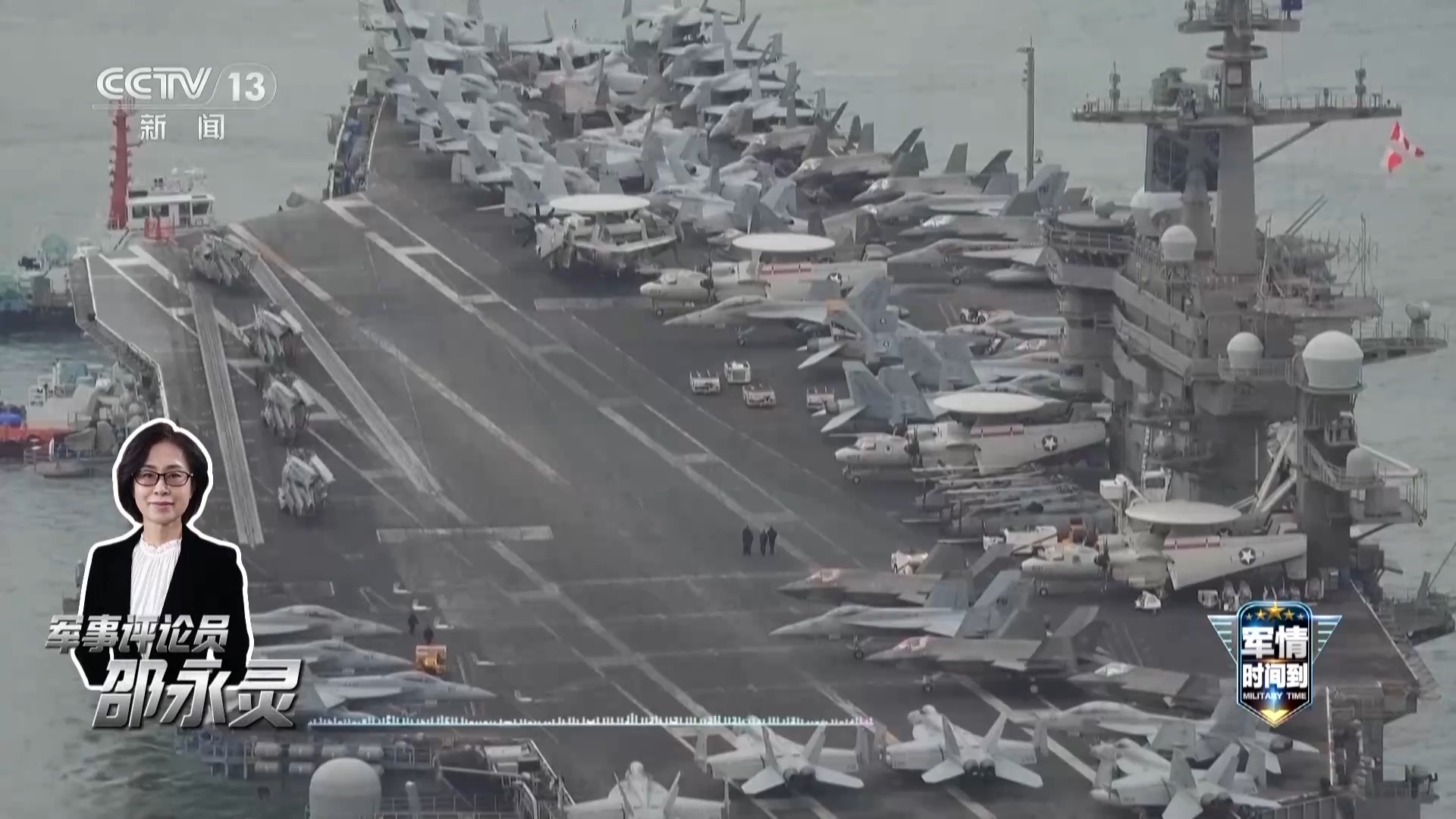
Military Commentator Shao Yongling: The issue of command authority between the U.S. and South Korea has historical roots. In 1994, South Korea regained peacetime command authority, but wartime command authority remains with the U.S., which is indeed unique in the world. The current Lee Jae-myung government is fully promoting the recovery of wartime command authority by around 2028, achieving a model where the South Korean military leads and the U.S. military supports. However, this is not a simple matter that can be resolved with a single order; it is closely related to the tense or relaxed situation on the peninsula, the current state of South Korean military power, and U.S. military strategic security. In an ideal situation, South Korea could smoothly regain command authority in 5 to 10 years. If everything goes relatively smoothly in the future, it may achieve a model of limited autonomy with deepened alliance.
Japan participated in the 'Shield-2026' multinational military exercise in the Philippines from April 6 to 17, 2026, involving over 7000 personnel. This marks Japan's first military presence in the Philippines since World War II. Concurrently, Japan has restructured its Self-Defense Forces and acquired offensive missiles, including Tomahawk cruise missiles, indicating a shift towards more aggressive military capabilities. The U.S. has also established a permanent presence of F-35A fighters in Japan.
- Japan participated in the 'Shield-2026' exercise in the Philippines with over 7000 personnel.
- Japan has equipped itself with foreign-made offensive missiles for the first time.
- The U.S. has begun permanent deployment of F-35A fighters in Japan.
- Japan's military reforms include significant organizational changes and the establishment of new military capabilities.
- Japan's defense spending is projected to exceed 9 trillion yen in the 2026 fiscal year.