
Military Situation Time: With the Centenary of the Army Approaching, What New Equipment Will the Four Branches Welcome This Year?

Today (August 1) marks the 99th anniversary of the founding of the People's Liberation Army of China. Over the past 99 years, the Chinese military has transformed from a single army equipped with "rice and rifles" into a modern, informationized, and intelligent military force that integrates "land, sea, air, space, and network." From the vast deserts to the distant oceans, the people's army is presenting a new image, building a steel Great Wall to defend national sovereignty, security, and development interests. What developments and changes has the Chinese military undergone this year? What new equipment has been introduced? What new tactics and strategies have emerged?
Navy: Multiple new types of aircraft commissioned, successfully equipped with the "carrier five-piece set"
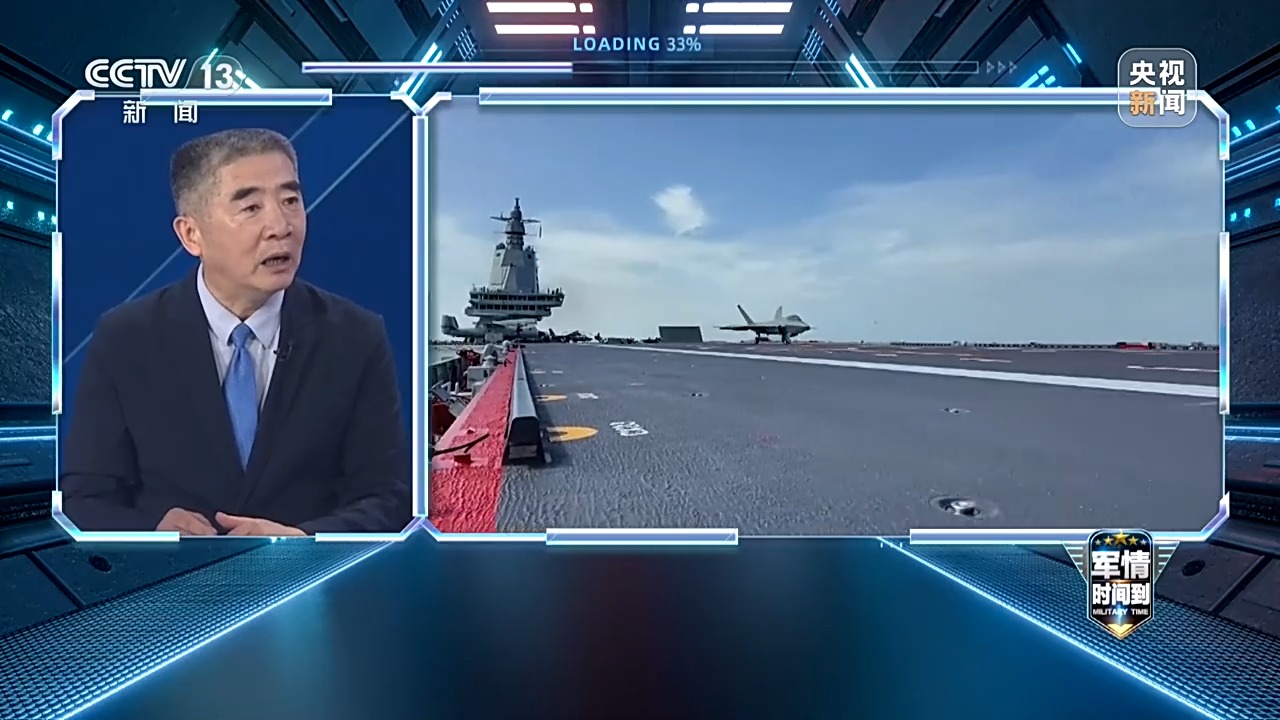
The J-15T, J-35, and KJ-600 have been successfully commissioned, allowing the People's Navy to complete the "carrier five-piece set." This is a key step in forming the operational capability of an aircraft carrier battle group.
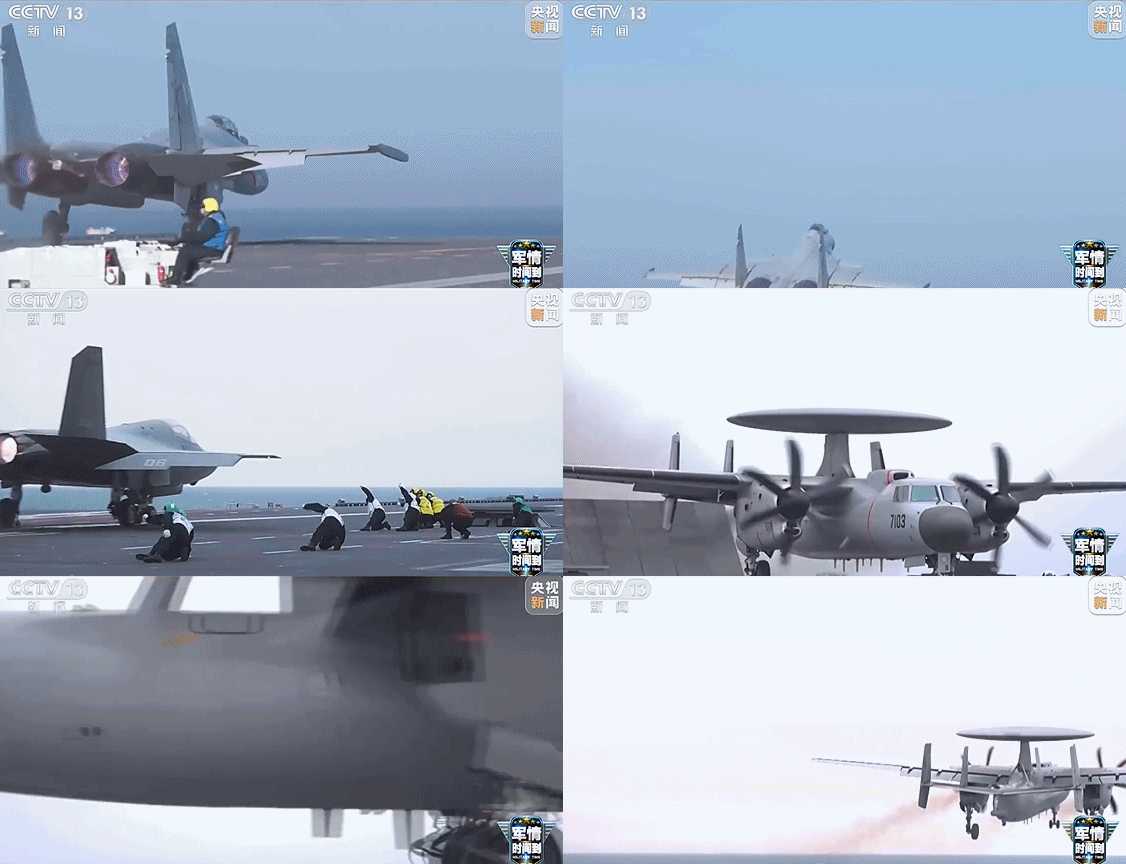
On September 22, 2025, the People's Navy announced that the J-15T, J-35, and KJ-600 carrier-based aircraft successfully completed their first catapult takeoff and landing training on the Fujian ship. This marks the first time in our country that multiple types of advanced carrier-based aircraft have achieved electromagnetic catapult launch and arrested landing on a catapult-type aircraft carrier.
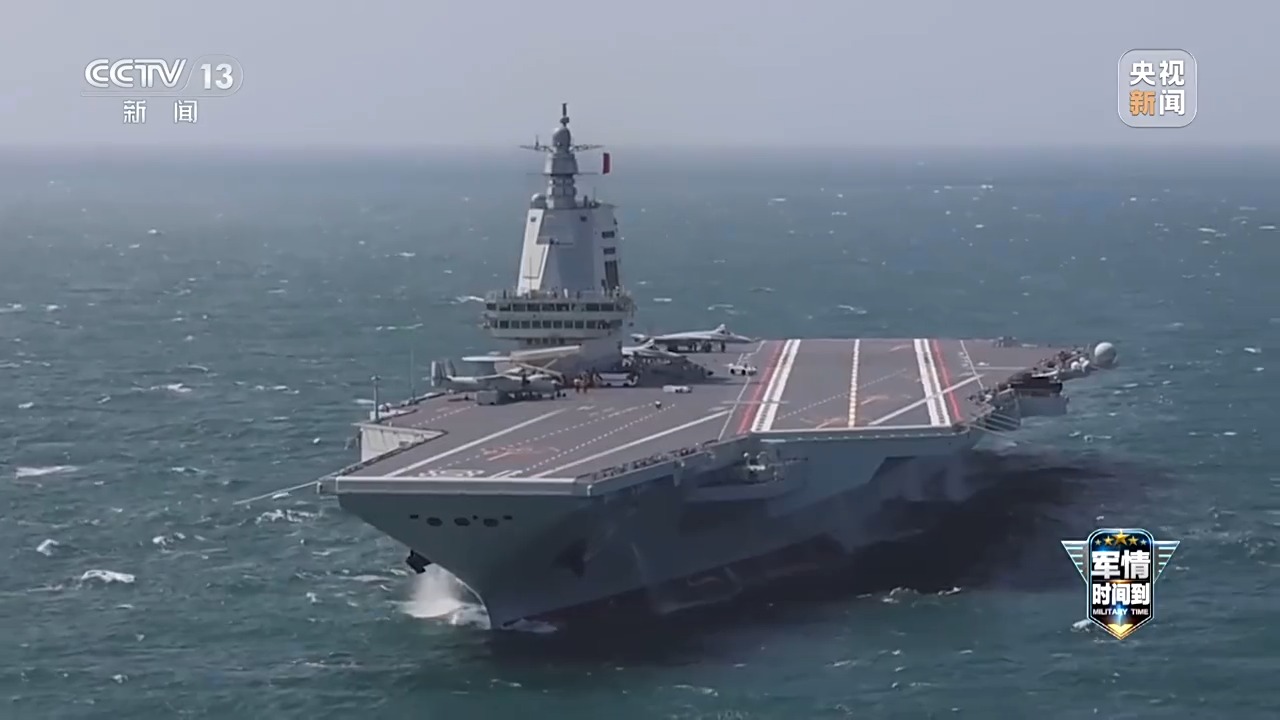
In November 2025, the Fujian ship conducted its first at-sea live training after being commissioned. Multiple types of carrier-based aircraft, including the J-35, J-15T, J-15DT, and KJ-600, completed several catapult takeoffs and landings on the Fujian ship, effectively testing the ship's electromagnetic catapult, recovery, and deck operation capabilities, further validating the compatibility of the aircraft with the ship.
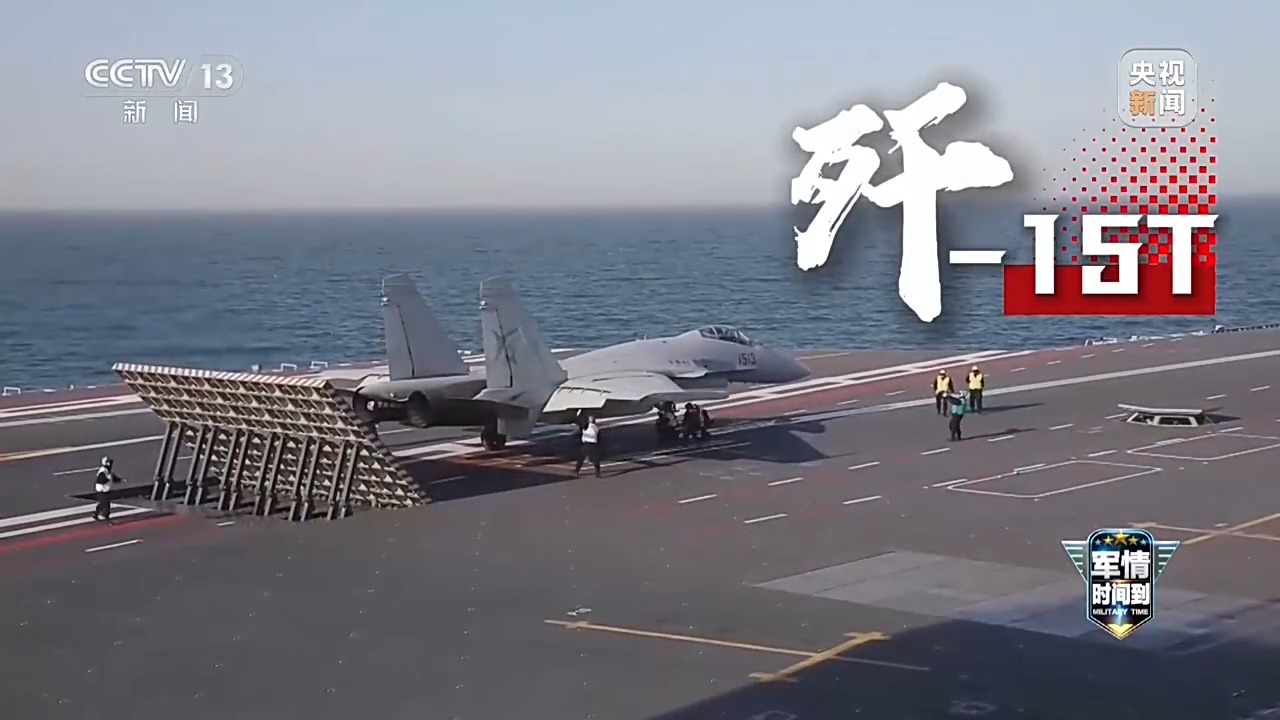
The J-15T has been equipped with a catapult rod based on the J-15, compatible with the Fujian ship's electromagnetic catapult system, marking a historic leap for the naval carrier-based fighter from ski-jump to catapult launch.
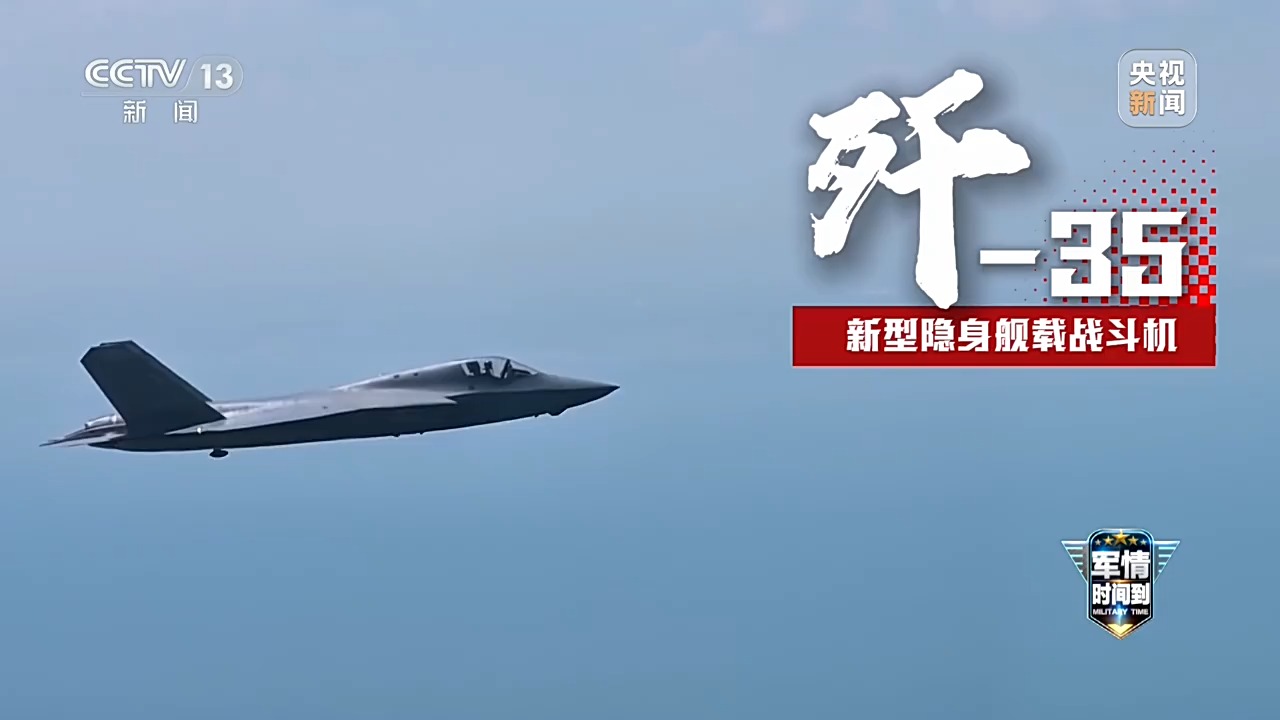
The J-35 is a new stealth carrier-based fighter independently developed by China, featuring an integrated design with a single-seat, twin-engine, and outward-canted twin vertical tail layout, complementing the J-15T to achieve a synergistic effect that enhances the long-range operational capability of the aircraft carrier battle group.
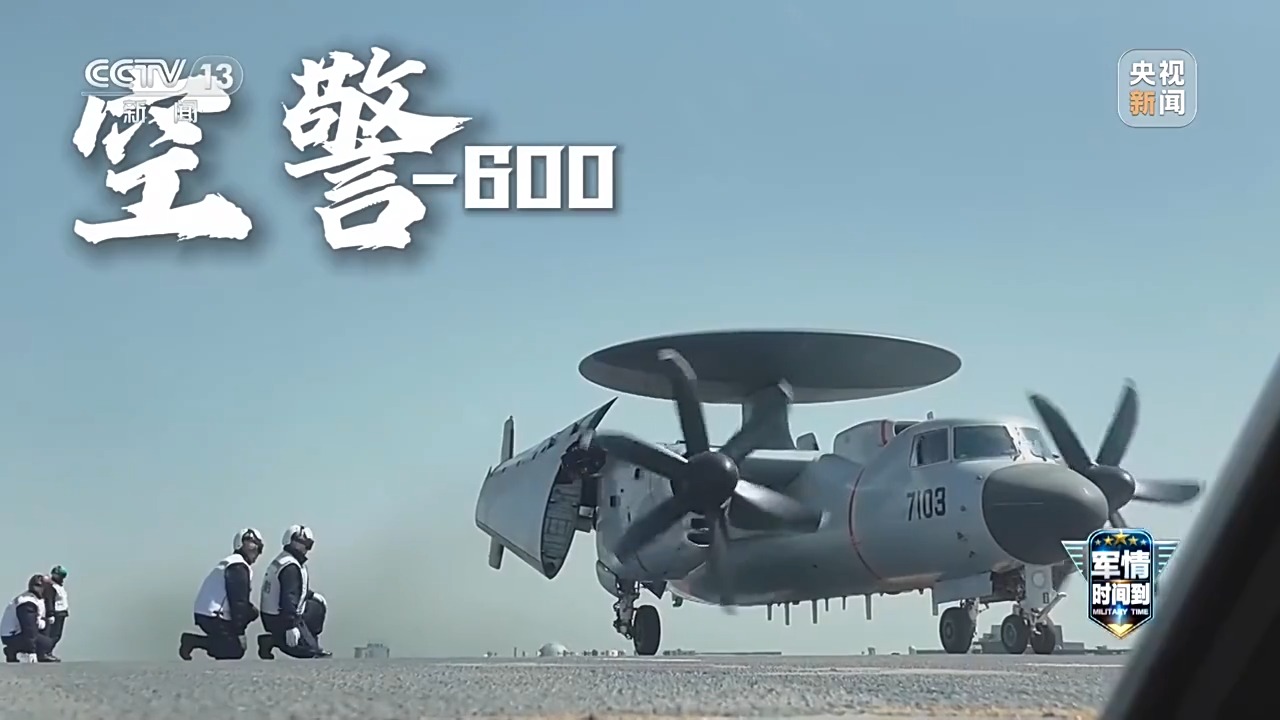
The KJ-600 is an all-weather carrier-based early warning aircraft independently developed by China, known as the "Sea and Air Command Center."
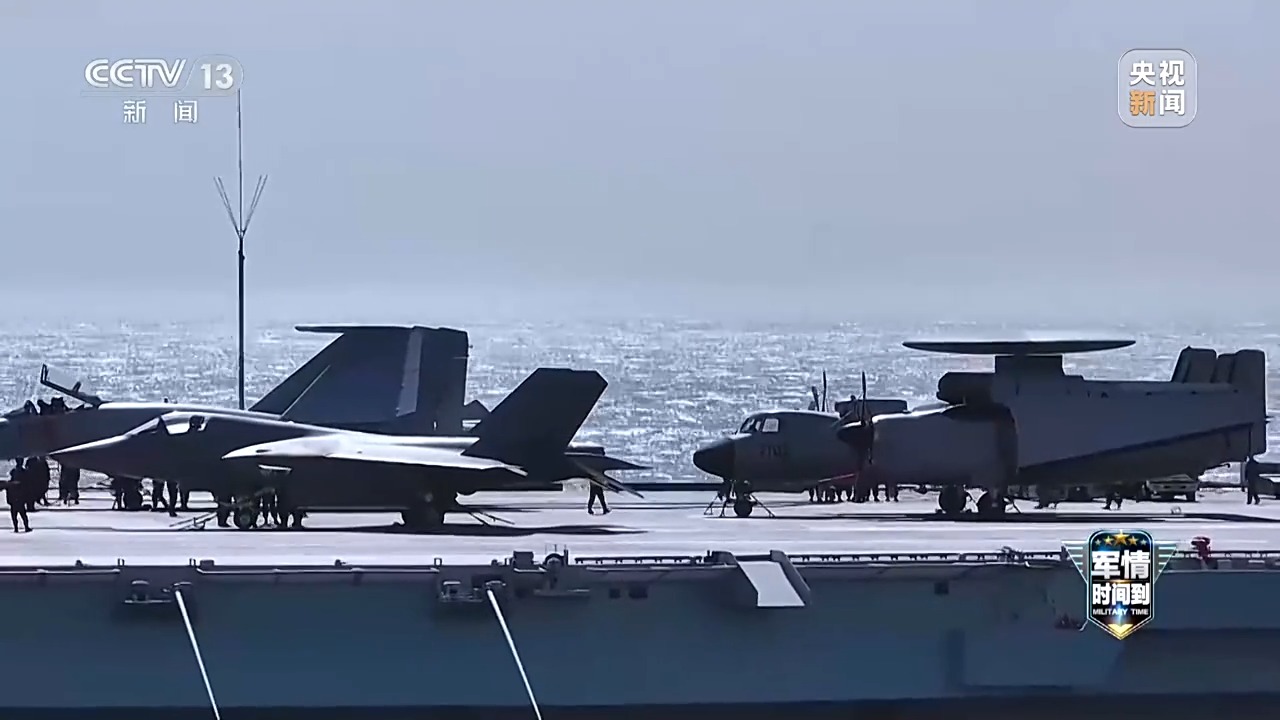
The commissioning of these three types of carrier-based aircraft has given the aircraft carrier battle group the wings to win at sea and in the air, while the amphibious combat capabilities of the People's Navy have also welcomed new elite forces.
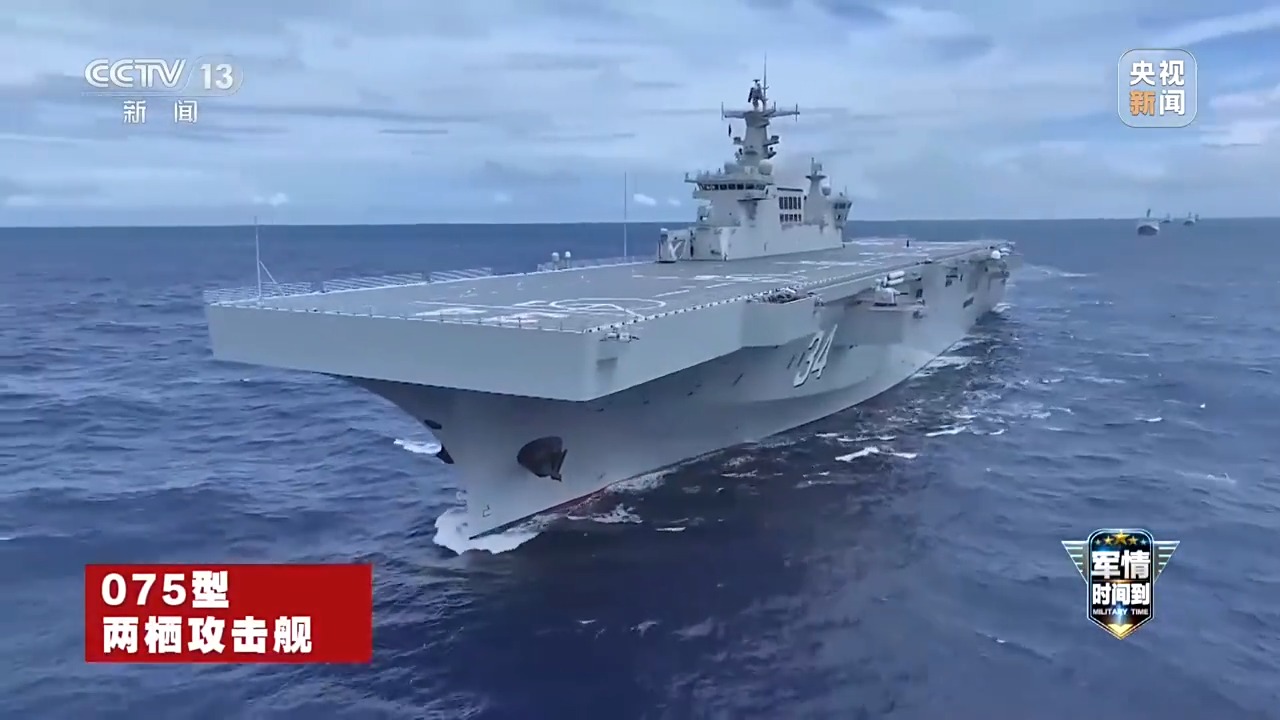
On the Army Day of August 1, 2025, the People's Navy's fourth 075-type amphibious assault ship, Hubei ship, made its debut. The Hubei ship features a straight deck and can carry multiple types of carrier-based helicopters, air-cushion landing craft, and amphibious armored vehicles, possessing capabilities for three-dimensional landings, long-range delivery, and system operations. Since its commissioning, the Hubei ship has continuously engaged in high-intensity realistic training. Recently, the Hubei ship, carrying Z-20 carrier-based helicopters, went to a certain sea area in the South China Sea to conduct multi-subject realistic training, integrating the new generation of general-purpose helicopters into the core configuration of naval amphibious operations. The "Hainan ship" is the lead ship of the 075-type amphibious assault ship, providing a wealth of experience and expertise for other ships of the same class, laying a solid foundation for the rapid generation of new combat capabilities.
Host: On September 22, 2025, the People's Navy publicly announced that the J-15T, J-35, and KJ-600 successfully completed catapult takeoff and landing training on the Fujian ship. What does the commissioning of these three types of carrier-based aircraft mean for the combat capability of the Fujian ship?
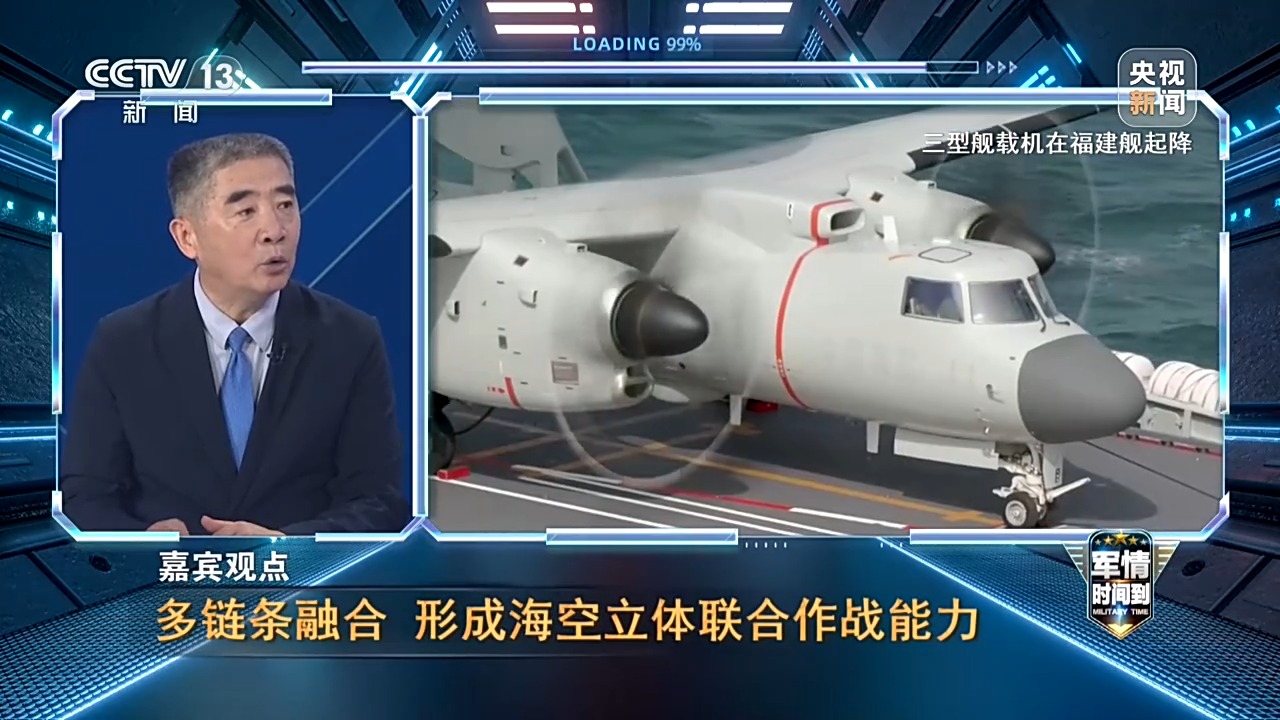
Military Commentator Du Wenlong: Carrier-based aircraft are the core of aircraft carrier operations. These three types of carrier-based aircraft essentially integrate previous offensive, defensive, reconnaissance, and support chains, combining airborne radar command posts with maritime and aerial combat forces. This allows us to establish "fists" and "eyes" simultaneously at sea, which is rare globally and plays a particularly important role in forming joint operational capabilities in maritime and aerial environments.
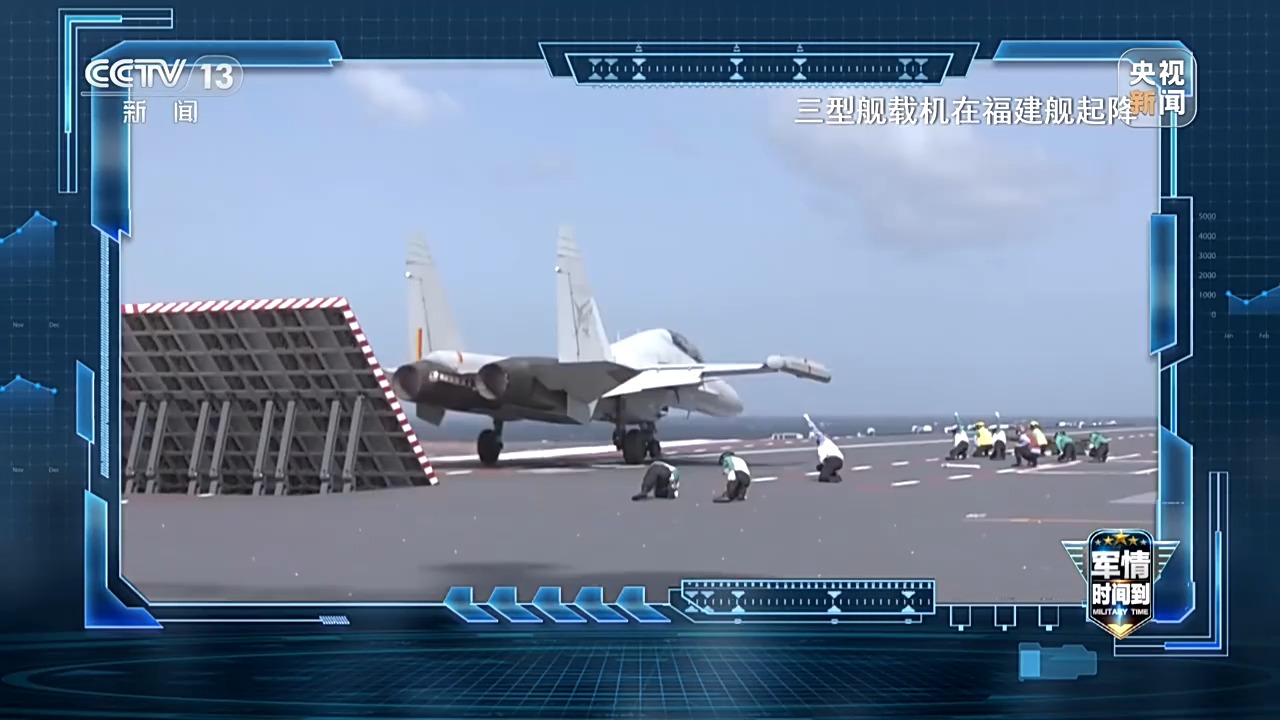
It also indicates that our starting point, compared to other countries, has achieved the highest level in terms of carrier-based aircraft, electromagnetic catapults, and various elements of aircraft carriers. What we see now are three types of carrier-based aircraft, and more models will continue to emerge in the future. As operational demands increase, the comprehensive combat level of the Fujian ship will reach new heights. In the future, through joint training of carrier-based aircraft and cooperative operations within the fleet, our long-range operational capabilities will be rapidly established.
What can two 075-type amphibious assault ships practice together?
Host: Let's take a look at the 075-type amphibious assault ship Hubei ship, which recently conducted realistic training alongside the lead ship of the 075-type amphibious assault ship, Hainan ship. What can these two 075-type amphibious assault ships practice together? How do they train?
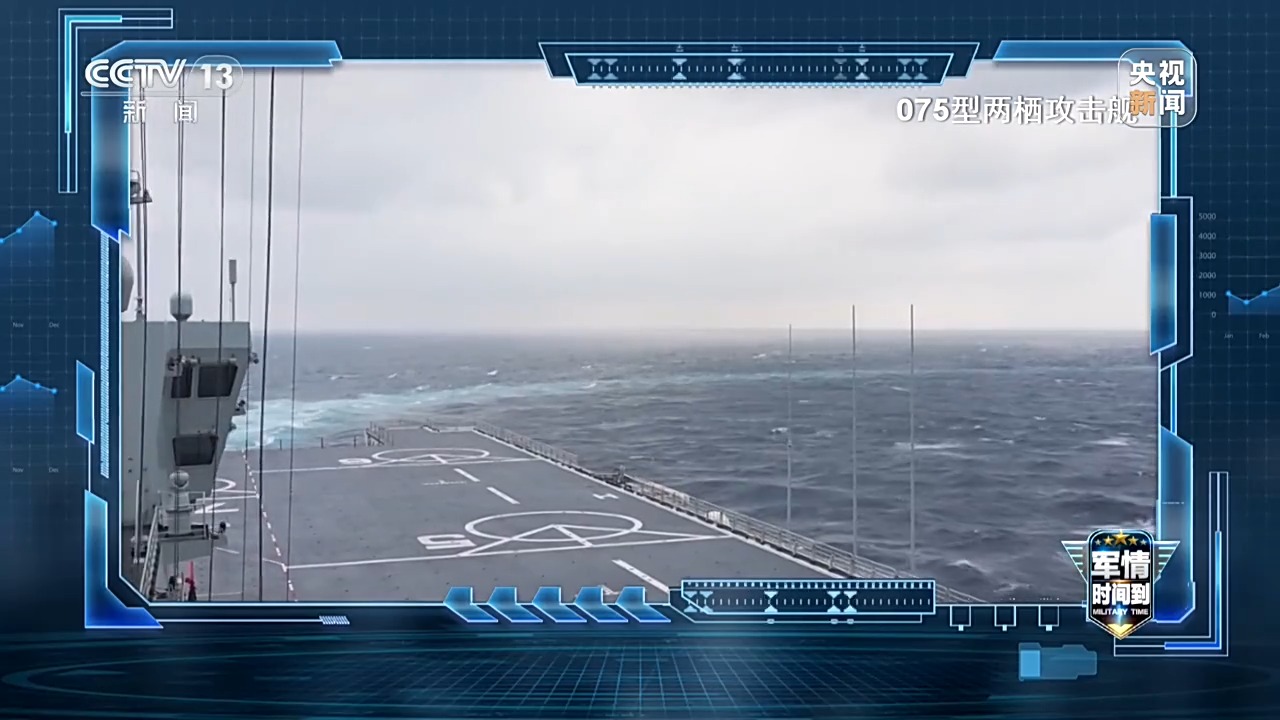
Military Commentator Du Wenlong: Conducting joint training with two amphibious assault ships targets large objectives. In future maritime landing operations, the targets and situations we face may become more complex, so we need to train rigorously and under challenging conditions. Secondly, this may strengthen the coordination between the amphibious assault ships, allowing different combat forces to conduct tactical joint operations. If one ship encounters an unexpected situation, the other can provide supply and rescue, which is crucial for enhancing maritime combat capabilities.
Host: In addition to the 075-type amphibious assault ships, the navy also has a more advanced amphibious assault ship, the 076-type. The lead ship of the 076-type, Sichuan ship, has been launched for a year and a half. What is the current status of Sichuan ship?
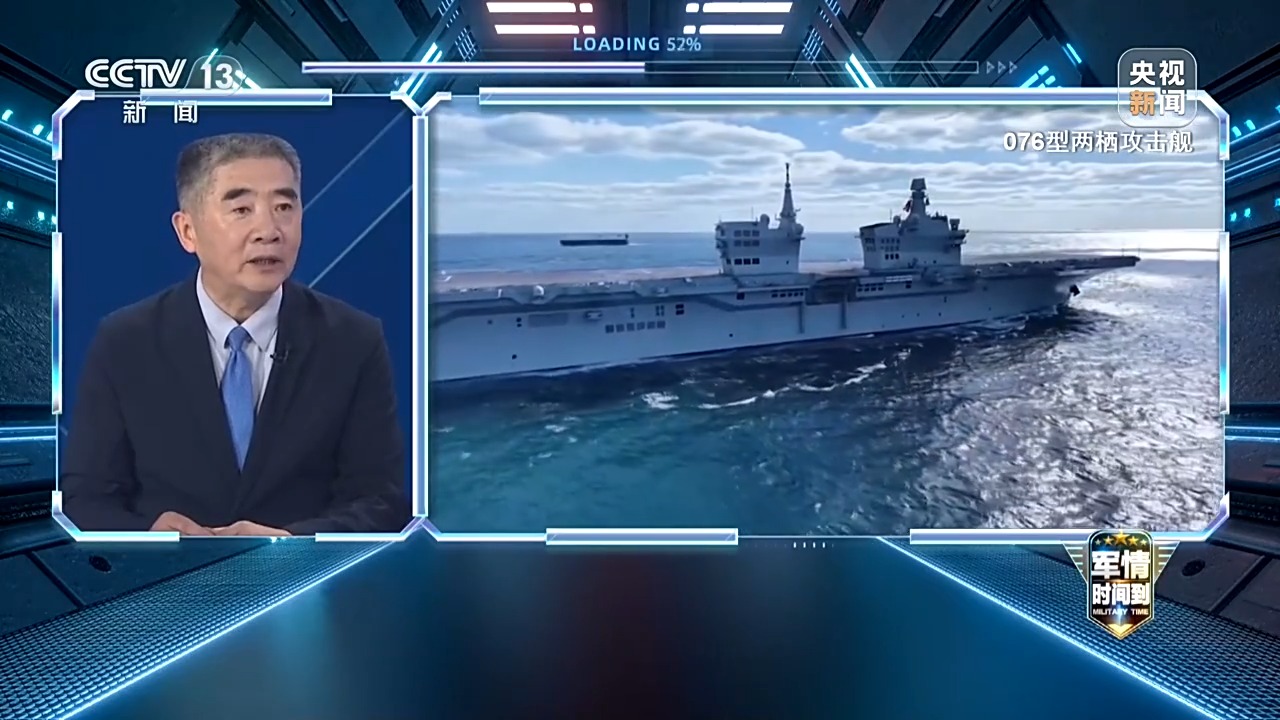
Military Commentator Du Wenlong: Public reports have not specified the exact status of the 076 Sichuan ship's sea trials, but many speculate that electromagnetic catapult tests have been conducted. The biggest difference between this amphibious ship and other amphibious ships is the addition of electromagnetic catapults and arresting devices, allowing general fighter jets and carrier-based aircraft to take off and land from a platform of 40,000 tons. This sea trial will assess wave resistance and overall combat capabilities. In the next step, if we can coordinate air and naval forces and switch various task roles within the fleet, it will certainly play an important role in amphibious assault operations.
Host: The most significant feature of the 076-type is that it is the only amphibious assault ship in the world equipped with electromagnetic catapults. Does this mean that its mission and role will differ from the 075-type amphibious assault ship?
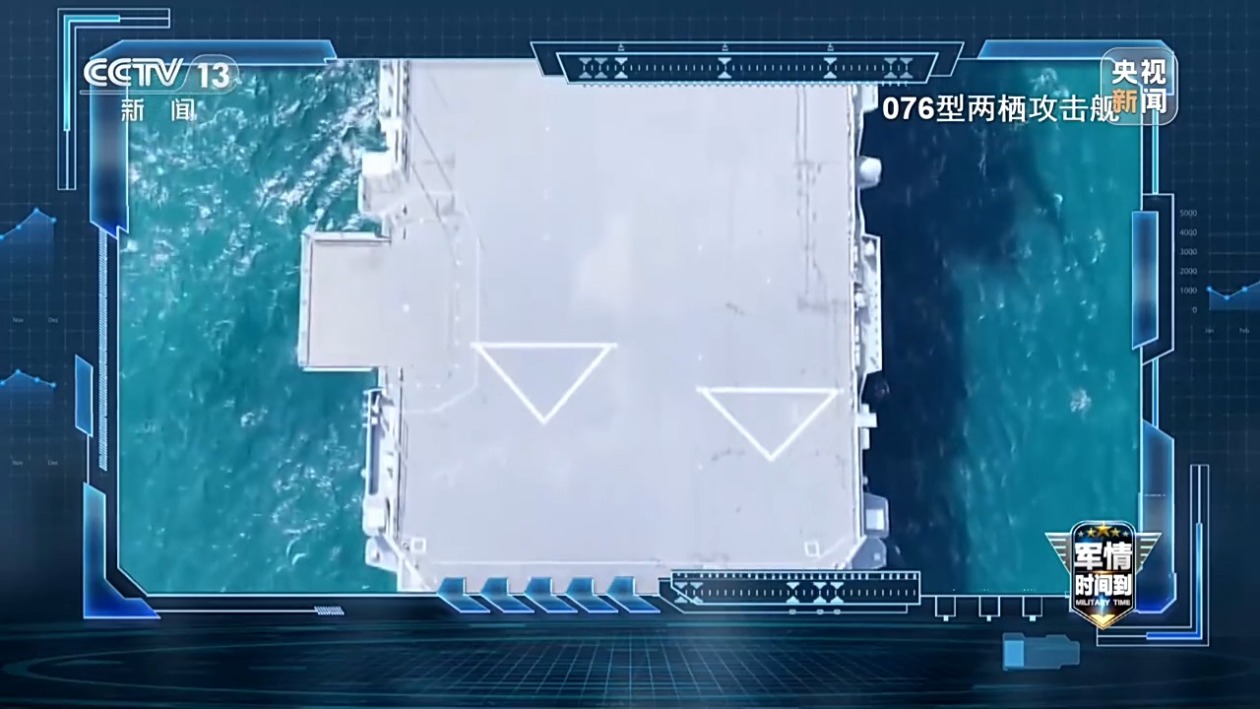
Military Commentator Du Wenlong: The 076, equipped with electromagnetic catapults, has basic functions or aviation operational capabilities similar to those of an aircraft carrier. This means that with the addition of electromagnetic catapults, the 076 has become a "quasi-aircraft carrier," capable of launching multiple types of drones and manned aircraft, and can conduct continuous aviation operations. Therefore, the next step in this combat style and model will expand globally, indicating that the 076 is guiding a new development model for amphibious assault ships and aircraft carriers worldwide.
Air Force: Aiming for future battlefields, honing solid skills
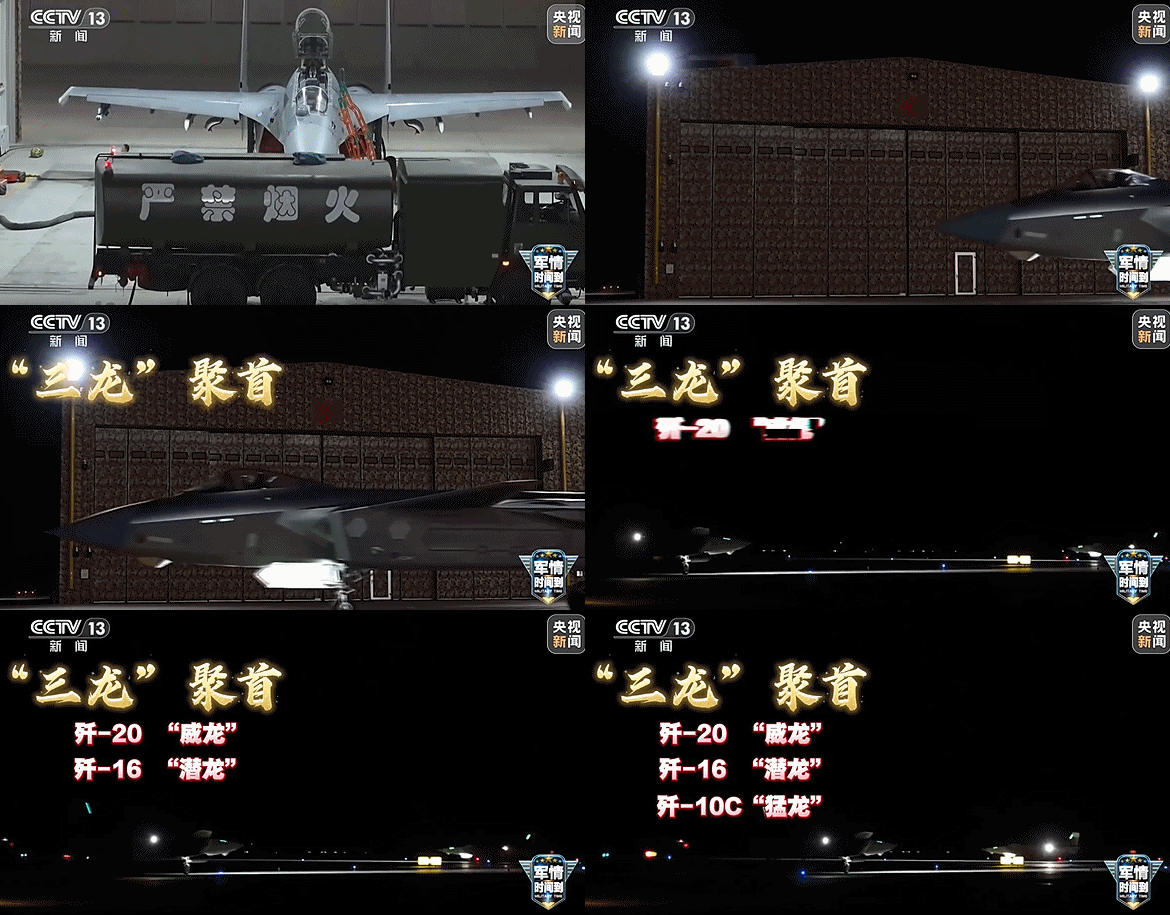
At the end of June this year, the "Three Dragons" gathered, with the J-20, J-16, and J-10C conducting night-time realistic air combat training, effectively enhancing their rapid deployment and sustained support capabilities at night.
Night and dawn are critical windows for aerial offense and defense, as well as key periods for realistic training of troops. In mid-June, multiple J-16 fighter jets conducted night-time red-blue confrontation air combat. The blue team pilots took the initiative to attack, leveraging their positional advantage.
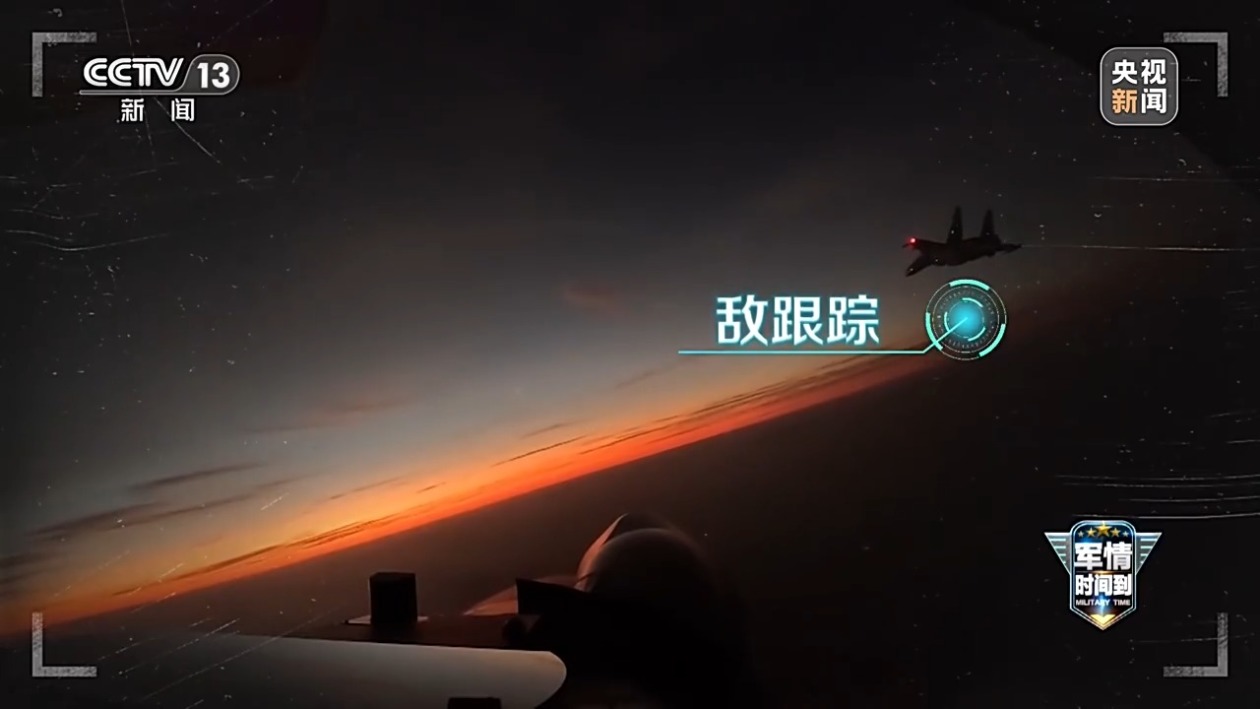
After several rounds of fierce combat, the red team pilots adjusted their combat posture, seized a favorable attack position, and successfully struck the blue team aircraft.
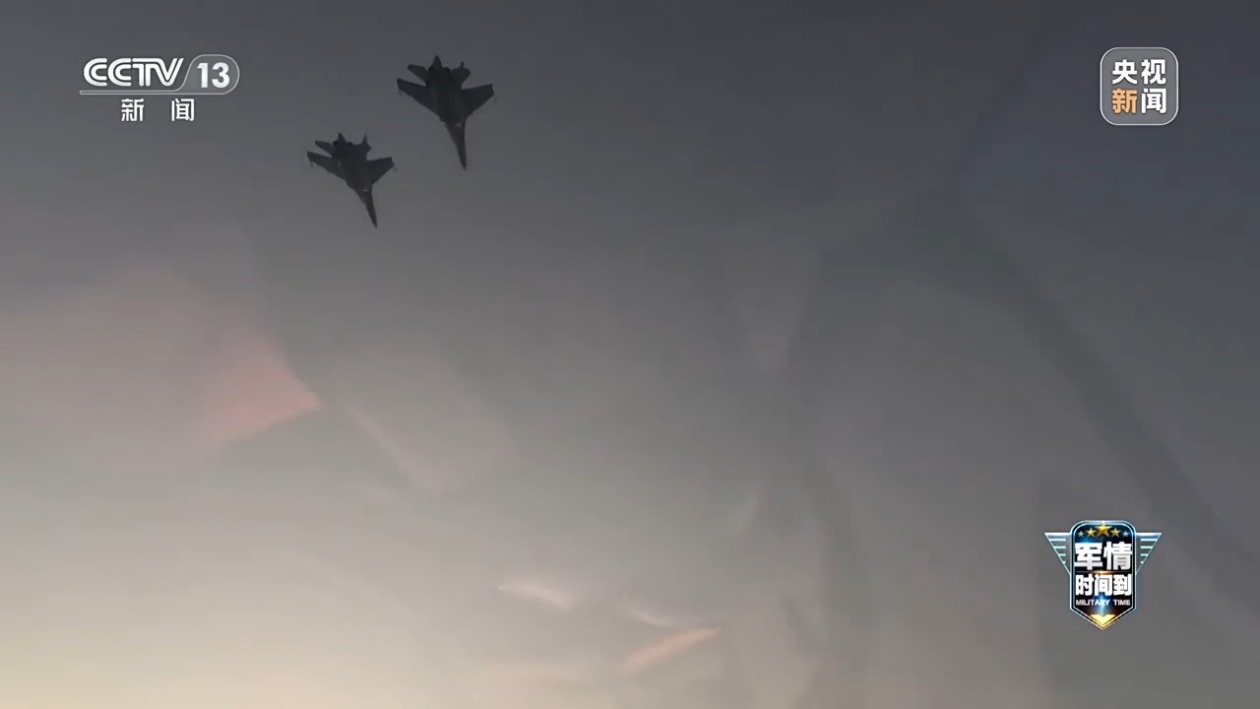
Recently, multiple branches of the Air Force also conducted a comprehensive live-fire confrontation exercise, with multiple combat units advancing simultaneously, quickly completing equipment setup, signal communication, and parameter debugging, establishing a command information network covering all domains. During the confrontation, the blue army relied on terrain cover to evade radar detection and launched a surprise attack on the red army's position. The red army's operators conducted real-time firepower allocation and tiered interception, successfully destroying the incoming targets.
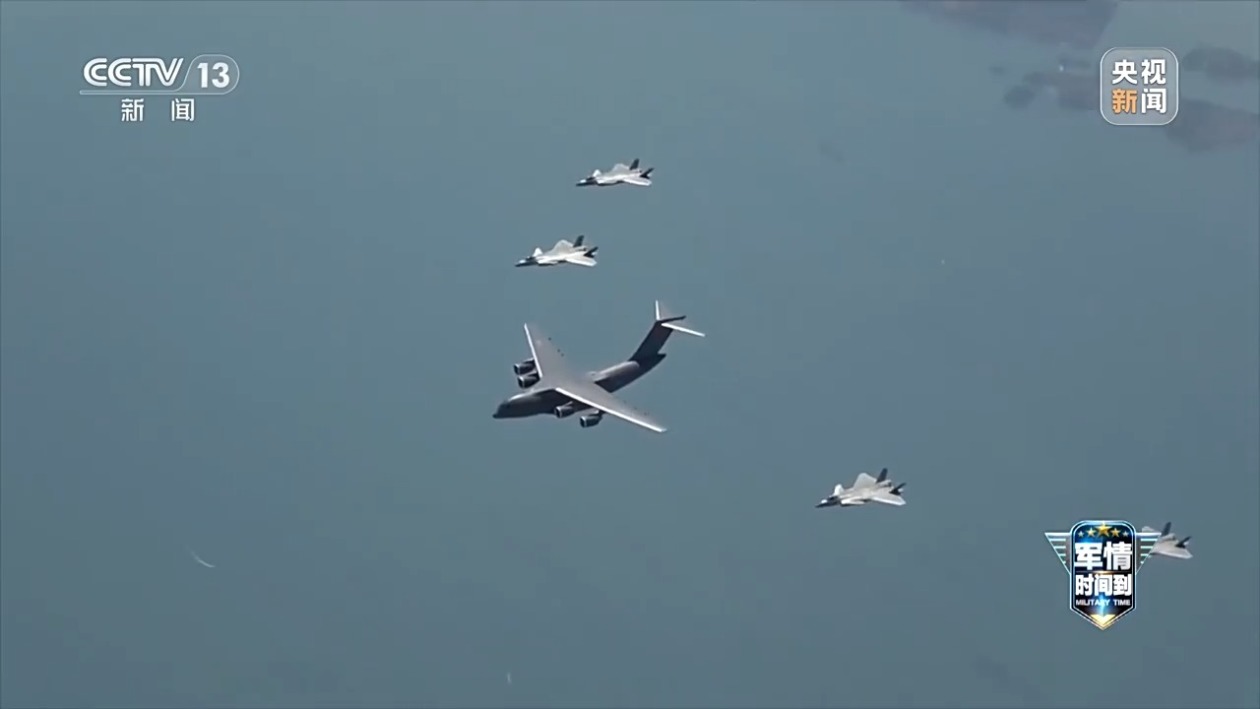
From the "sharpness" of realistic training to the "warmth" of welcoming heroes, under the same sky, the People's Air Force pays the highest tribute to the heroic souls. On April 22 of this year, the Air Force Y-20B special aircraft welcomed the remains and related belongings of 12 martyrs from the 13th batch of volunteer soldiers in Korea back to the country. This was the first time the Y-20B performed a welcoming mission, and as a "Great Power Kunpeng" equipped with new domestically produced engines, this journey was praised by netizens as "using the most passionate 'Chinese heart' to bring the bravest people home."
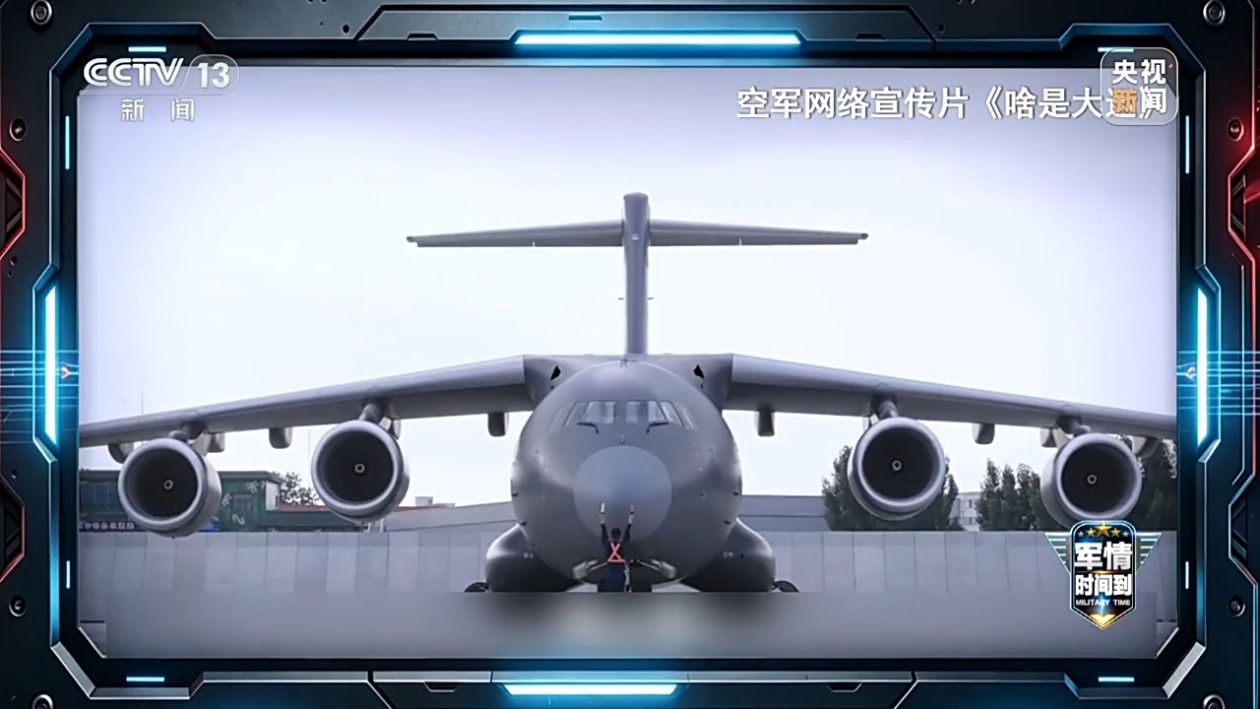
June 28 of this year marks the 10th anniversary of the Y-20's commissioning into the Air Force. The Air Force released a promotional video titled "What is the Y-20," showcasing the complete family system from the Y-20A to the Y-20A tanker and then to the Y-20B equipped with domestically produced engines. Over the past decade, the Y-20 series has become more powerful, consumed less fuel, flown farther, and expanded its family.
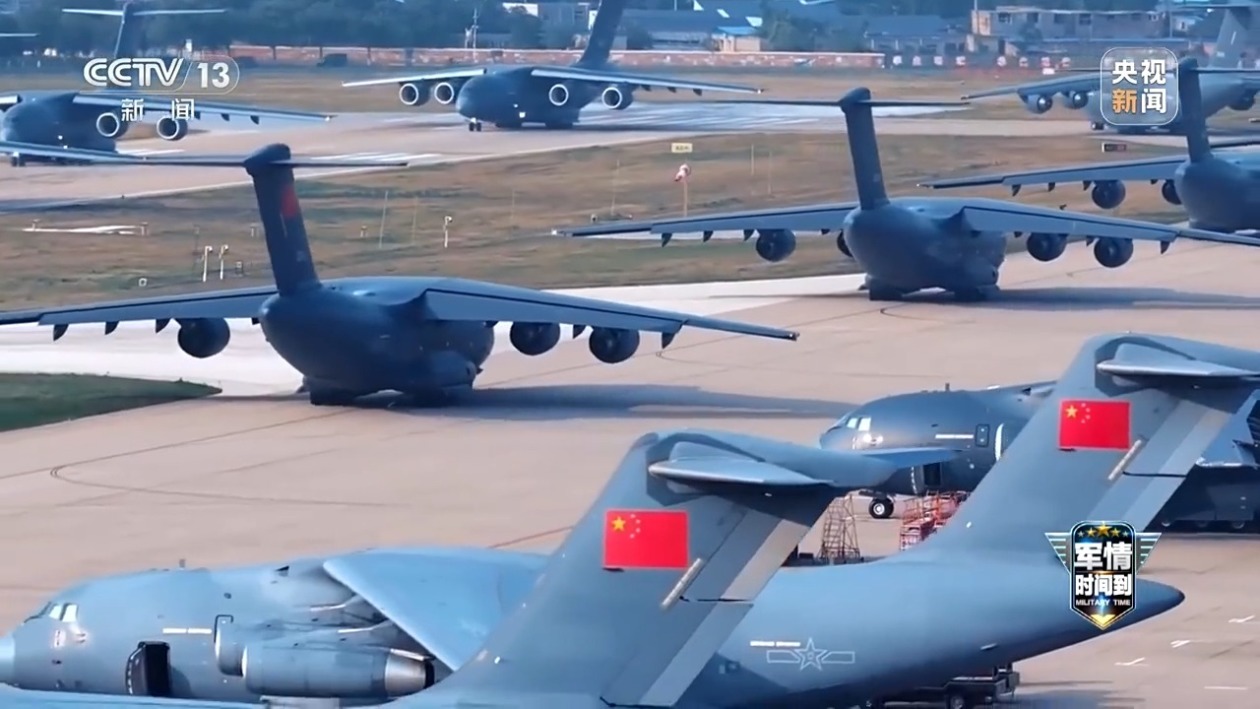
Host: We can see that the J-16's fuselage and wings are loaded with ten missiles, which military enthusiasts refer to as "beast mode." What is the advantage of this "beast mode"? What makes it special?
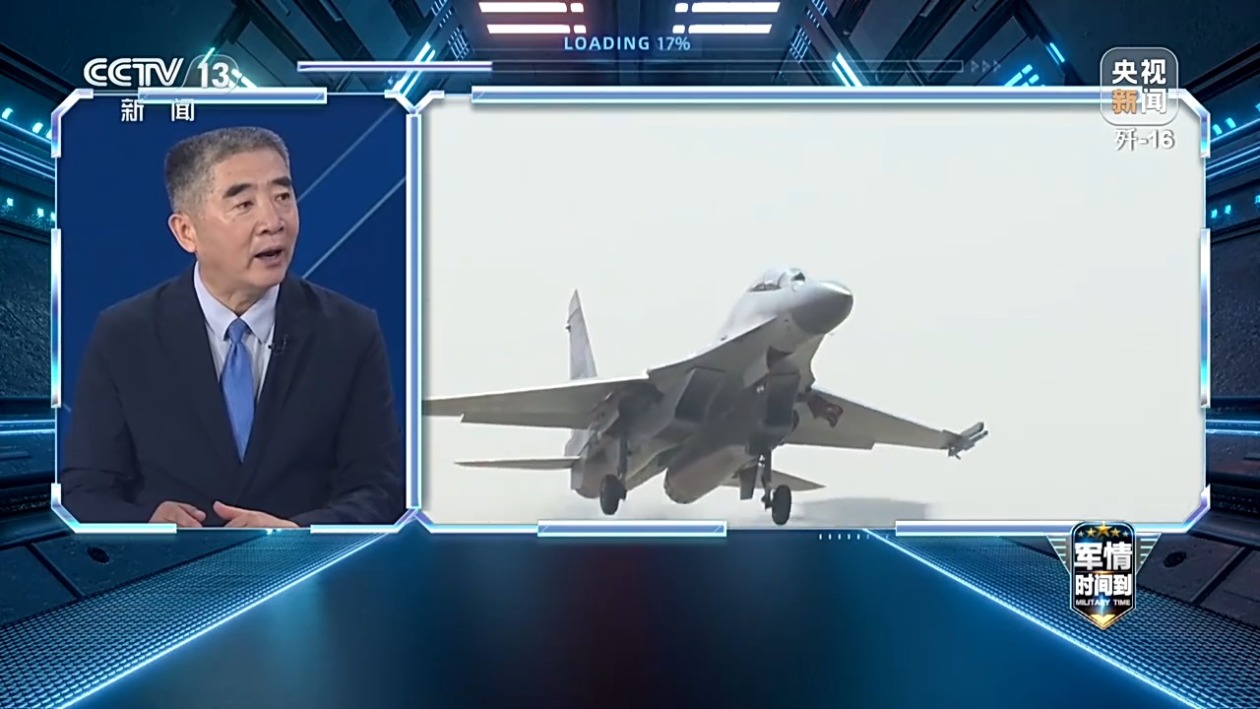
Military Commentator Du Wenlong: "Beast mode" is generally used to test the maximum payload of a fighter jet. In actual combat, it carries various weapons for attack with maximum payload, capable of air superiority, striking at sea, and targeting land objectives. The multi-role capabilities of this fighter jet are well reflected in its beast mode. Therefore, this mode is not just for show; it aims to achieve greater combat results in real operations.
Host: Our fighter jet family is becoming increasingly large, including stealth fighters like the J-20 and J-35 series. What is the positioning of the J-16 within our Air Force's fighter jet family?
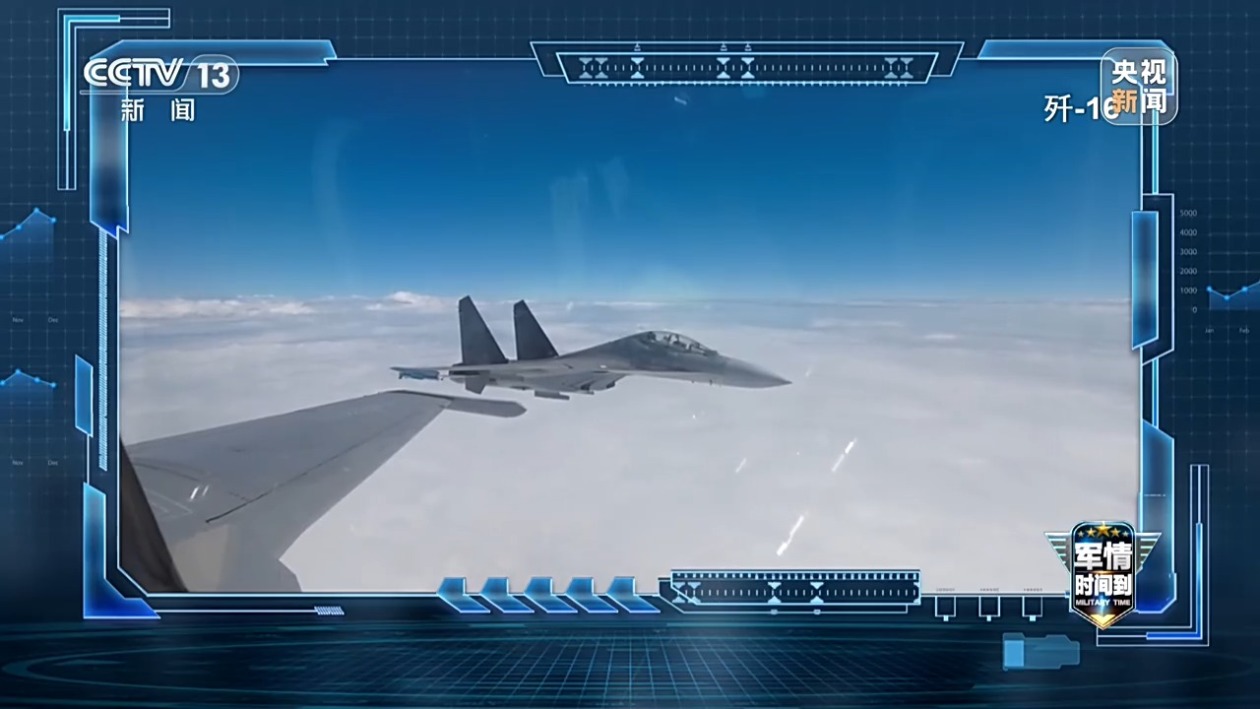
Military Commentator Du Wenlong: The J-16 is classified as a heavy fighter jet. Compared to other fighter jets, its tasks may be more diverse, as it can attack aerial targets with missiles while also utilizing attack time windows obtained by other aircraft to deliver a large volume of firepower. Therefore, it is generally referred to as a "bomb truck" in combat operations, posing a significant threat to both maritime and land targets.
Host: In recent years, the Air Force has also undergone a transformation, shifting from solely air defense to air and space defense, now also undertaking strategic air and space defense tasks. What progress has been made in this area?
Military Commentator Du Wenlong: The transition from air defense to air and space defense signifies an acceleration of the Air Force's transformation. Previously, homeland air defense operations faced traditional targets, but now high-altitude threats are increasing, such as hypersonic missiles, which cannot be adequately addressed by traditional air defense operations. Therefore, the Air Force's reconnaissance and early warning capabilities, strategic early warning capabilities, and fire interception capabilities are all advancing to the level of air and space, significantly increasing the operational space and making future combat tasks more demanding.
Host: This year also marks the 10th anniversary of the Y-20's commissioning into the Air Force. We have seen significant developments in the Y-20 over the past decade, including the installation of domestically produced engines and the development of the Y-20 tanker. What direction will the Y-20 platform take in the future?
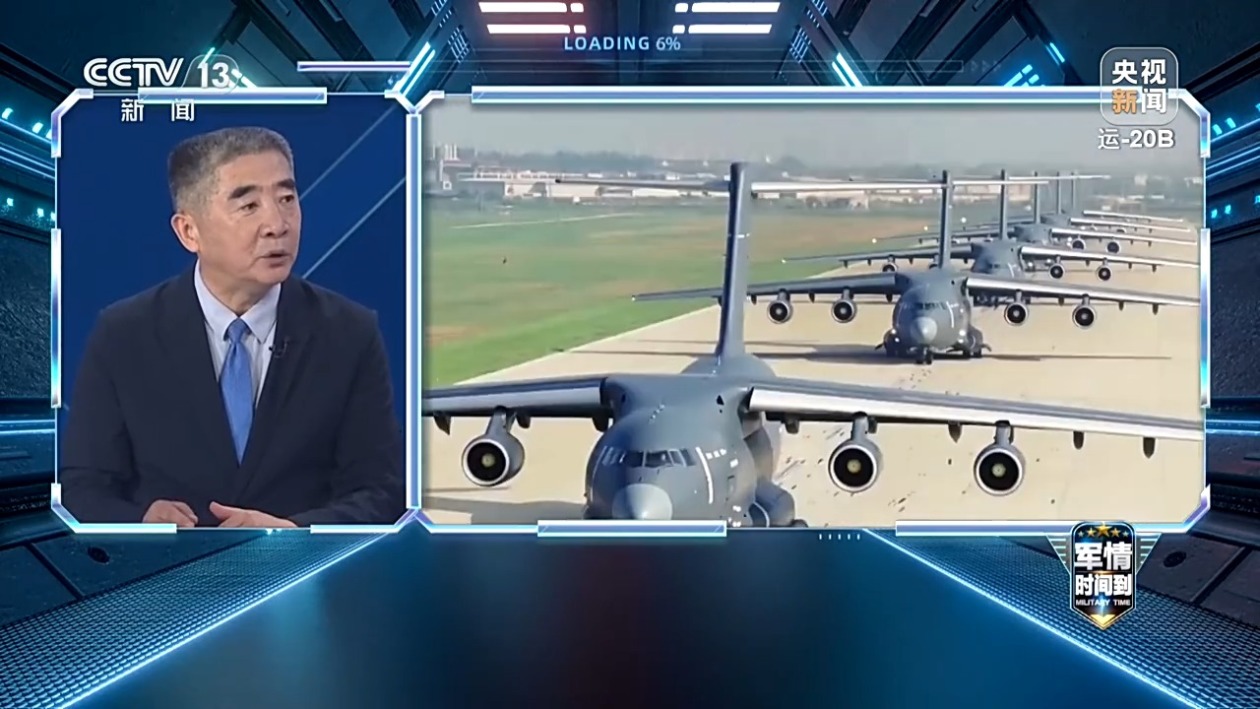
Military Commentator Du Wenlong: The Y-20 is a large family. In the next step, for example, by adding large radars and other advanced detection and command systems, we can form a new type of large early warning aircraft, which will have a long loiter time and strong reconnaissance, early warning, and interception capabilities against stealth targets, small targets, and high-speed targets. Therefore, early warning models may be a future development direction. There are also discussions about the possibility of a focus on arsenal aircraft in the future, as they are large and have ample internal space. If we can incorporate some missile weaponry into them using a pallet system, we can transform transport aircraft into bombers, expanding both the strike range and capabilities. Thus, this large system and family will continue to see more new members grow robustly.
What will the future sixth-generation aircraft look like?
Host: In the Y-20's 10th anniversary promotional video, there is a phrase that has attracted a lot of interest: "First add the Sixth Master, then add Little Six." "Sixth Master" likely refers to the H-6, while "Little Six" has led many military enthusiasts to speculate whether it refers to the sixth-generation aircraft. If it does refer to the sixth-generation aircraft, what should our future sixth-generation aircraft look like?
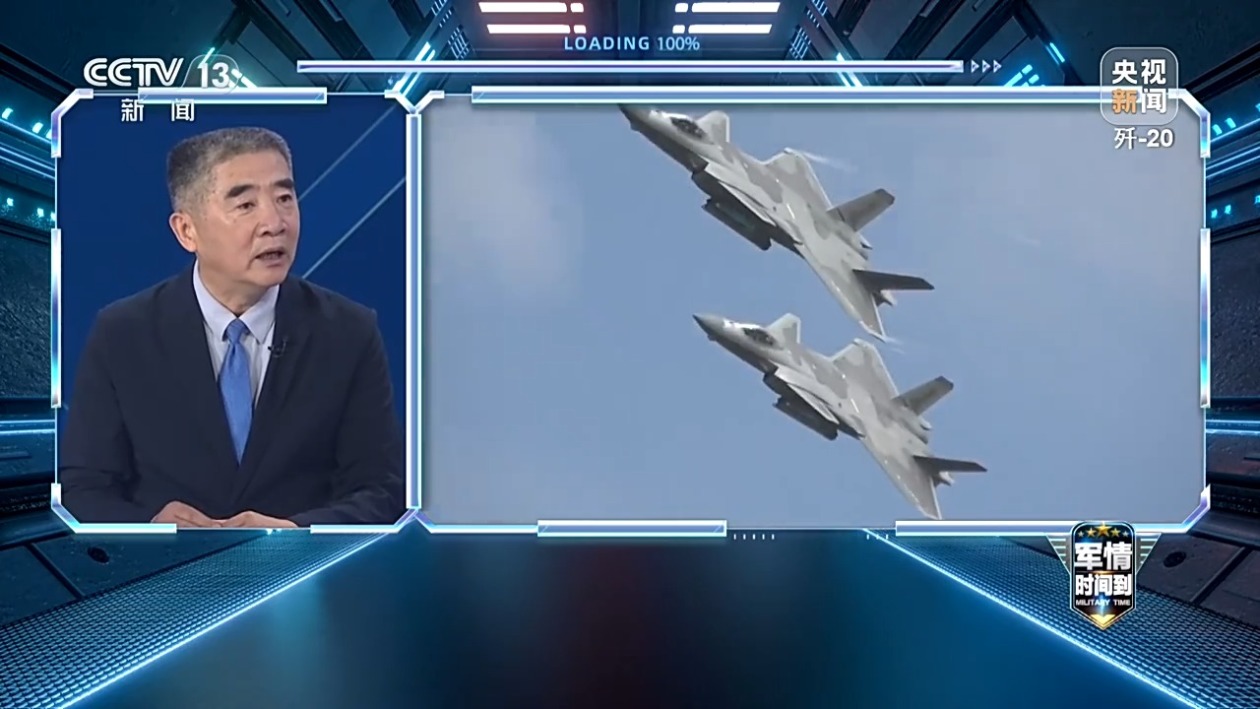
Military Commentator Du Wenlong: There are many speculations about "Little Six." Many people say it refers to the sixth-generation aircraft, while others suggest it is called J-36. From this perspective, it must be a new generation platform that surpasses the current generation of aircraft. Compared to fifth-generation aircraft, sixth-generation aircraft will certainly have qualitative improvements in many aspects, such as ultra-long range, super strong attack capabilities, and advancements in automation and intelligence levels. Therefore, the next generation platform will certainly see qualitative leaps and developments compared to the current generation.
Host: Could "Little Six" also possibly refer to drones?
Military Commentator Du Wenlong: That is also possible, as there is no unified standard for sixth-generation aircraft. They could be manned or unmanned. In the future, whether it is our new early warning aircraft or other tankers, they can command drones and also refuel them. Thus, "Little Six" provides us with a vast space for imagination.
As the Air Force's wings grow stronger, the Army, rooted in the land, and the Rocket Force, wielding the great sword of the nation, have also achieved a leap in combat capabilities.
Army and Rocket Force: Three-dimensional offense and defense, precise strikes
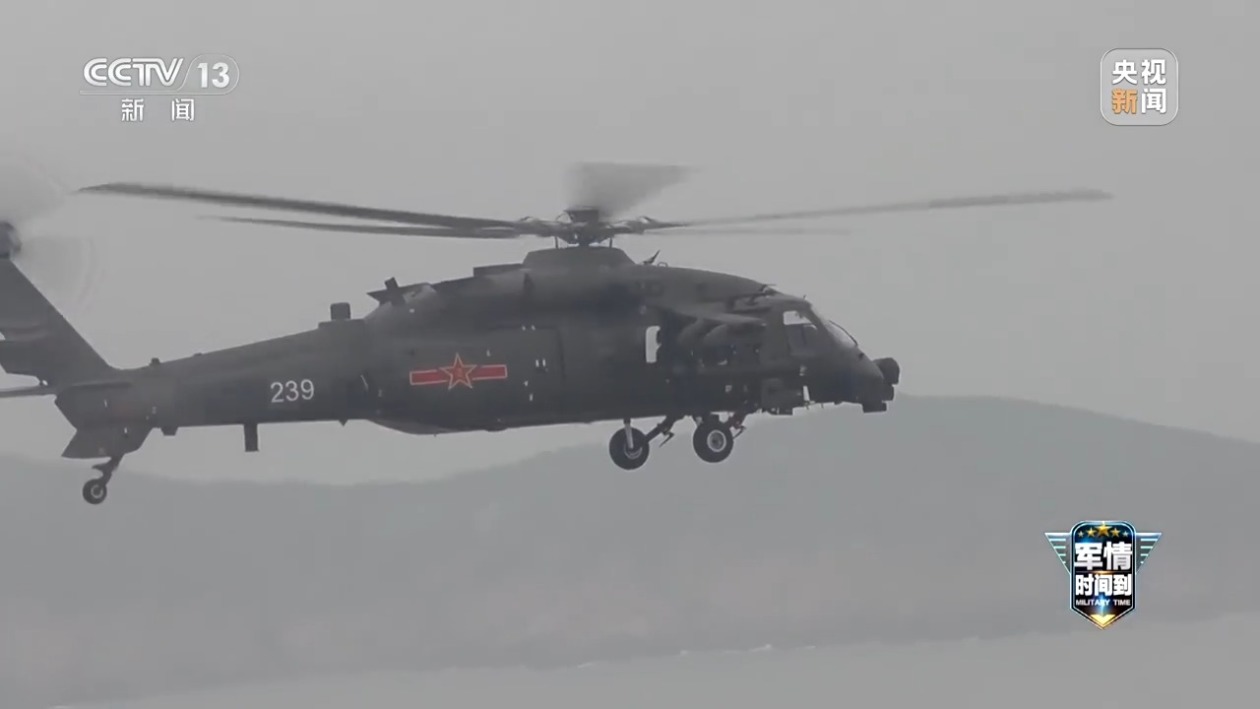
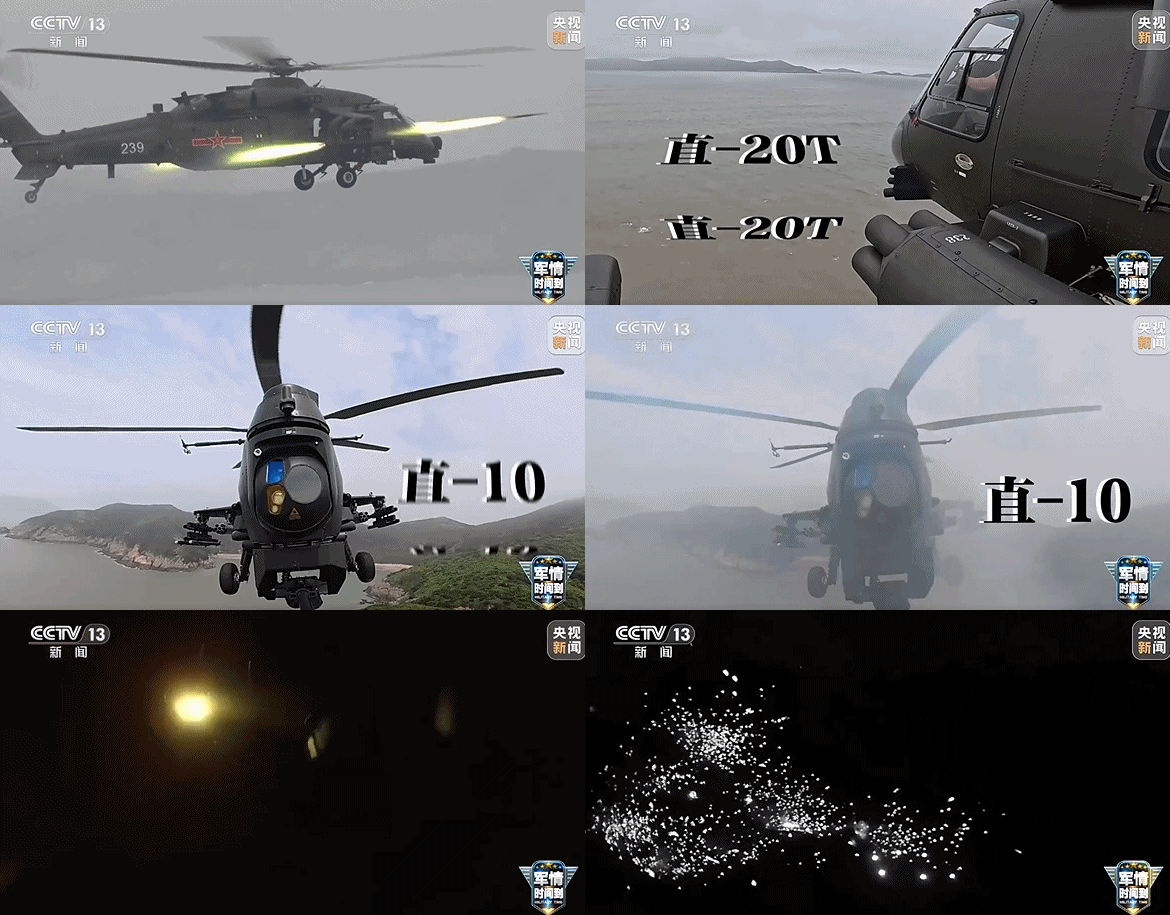
The Army Aviation Corps is a symbolic force in the Army's transformation from flat combat to three-dimensional offense and defense, enhancing all-domain deterrence capabilities. In July this year, a certain brigade of the Army organized Z-20 assault helicopters and Z-10 helicopters to conduct cross-day-and-night maritime tactical live-fire training, embedding special situations and tactical methods throughout the process, honing the troops' core combat capabilities in three-dimensional offense and defense and precise strikes.
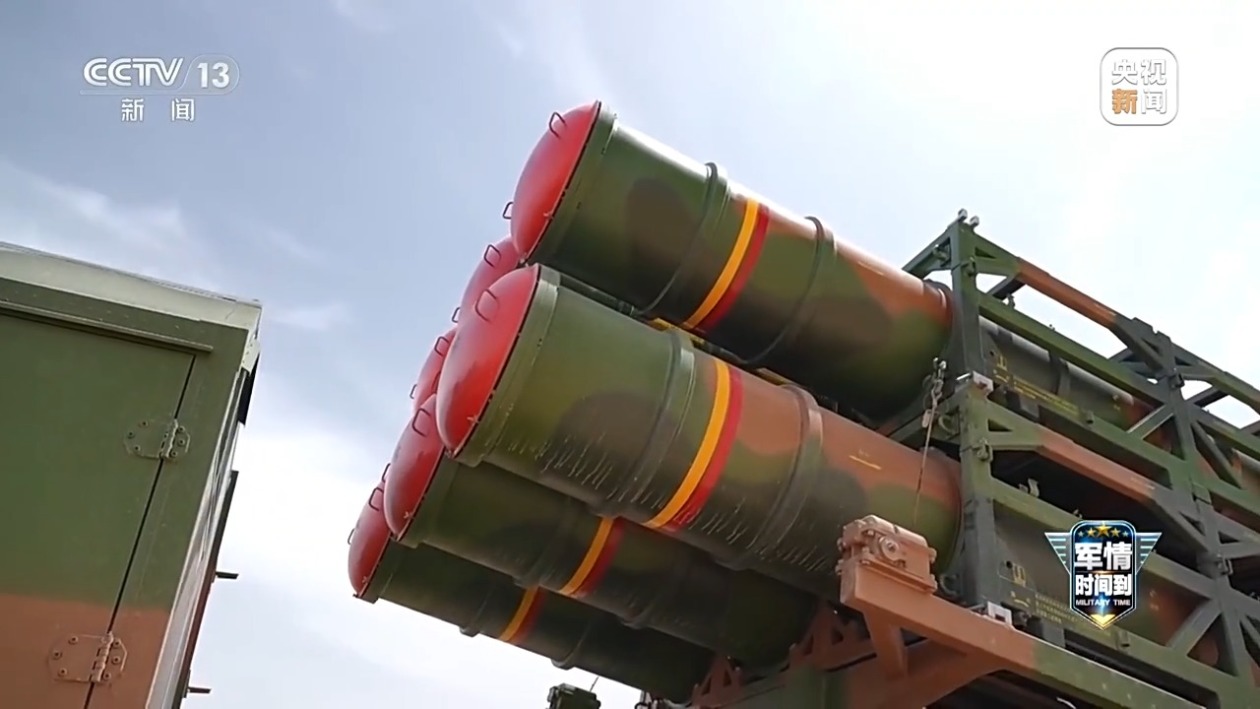
On the other end of three-dimensional offense and defense is the extension of the Army's air defense capabilities. This summer, a certain brigade of the Army traveled from the southeastern coast to the northwestern Gobi Desert, covering over 4,000 kilometers, to conduct the first live-fire assessment of a new air defense weapon system in an unfamiliar environment. This comprehensively tested the officers and soldiers' ability to respond to emergencies and the extreme combat performance of the new equipment.
The Army is reshaping the ground battlefield form, while another strategic force has also reached its milestone moment. This year marks the 60th anniversary of the establishment of China's strategic missile forces. The Rocket Force has transitioned from "troops" to "army," becoming the fourth branch of the Chinese military for ten years. In recent years, a large number of new main battle equipment independently developed by China, such as the Dongfeng-17, Dongfeng-26D, Dongfeng-31, and Dongfeng-61, have been commissioned and regularly trained.
At a certain field training ground of the Rocket Force, several new missiles are being erected. The commissioning of new equipment has also streamlined the command chain, significantly shortening the time to generate firepower. At the same time, it has broken the limitations of geography, positions, and weather conditions, truly achieving a leap from fixed-point firing to random launches and from fixed-point readiness to all-domain deterrence.
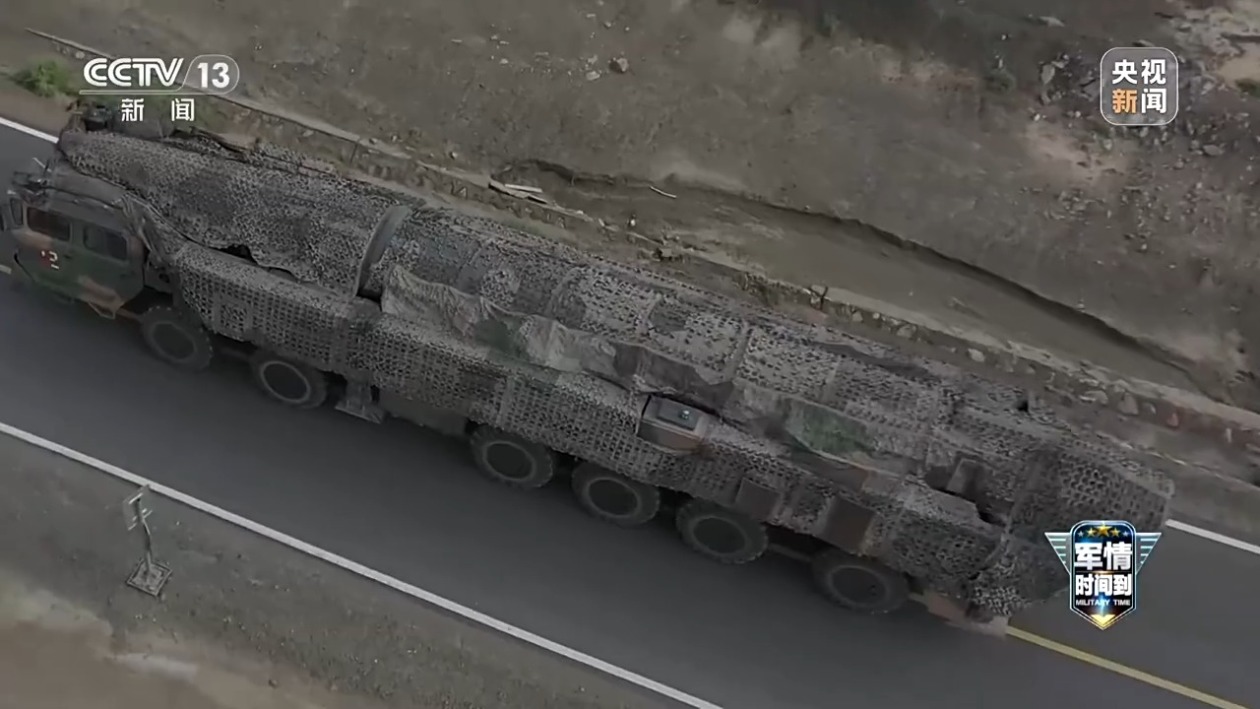
Deep in the northwestern Gobi Desert, a joint training exercise involving multiple military branches is underway. In addition to multiple combat forces from the Army and Air Force, a certain brigade of the Rocket Force has also been integrated into the training system, comprehensively honing joint training methods. The Rocket Force units are maneuvering in an orderly manner according to combat formations, maintaining a patrol-ready state throughout the process, and can switch combat modes at any time based on orders. Such high-intensity, multi-service coordinated realistic training has become the norm.
After 99 years of trials and tribulations, from single-service operations to joint victory among multiple services, the People's Army is marching forward with a new posture towards the goal of becoming a world-class military.
Host: The Army Aviation Corps is equipped with Z-20 assault models, and both the Navy and Air Force have also equipped improved versions of the Z-20. What are the benefits of having multiple improved versions of the Z-20?
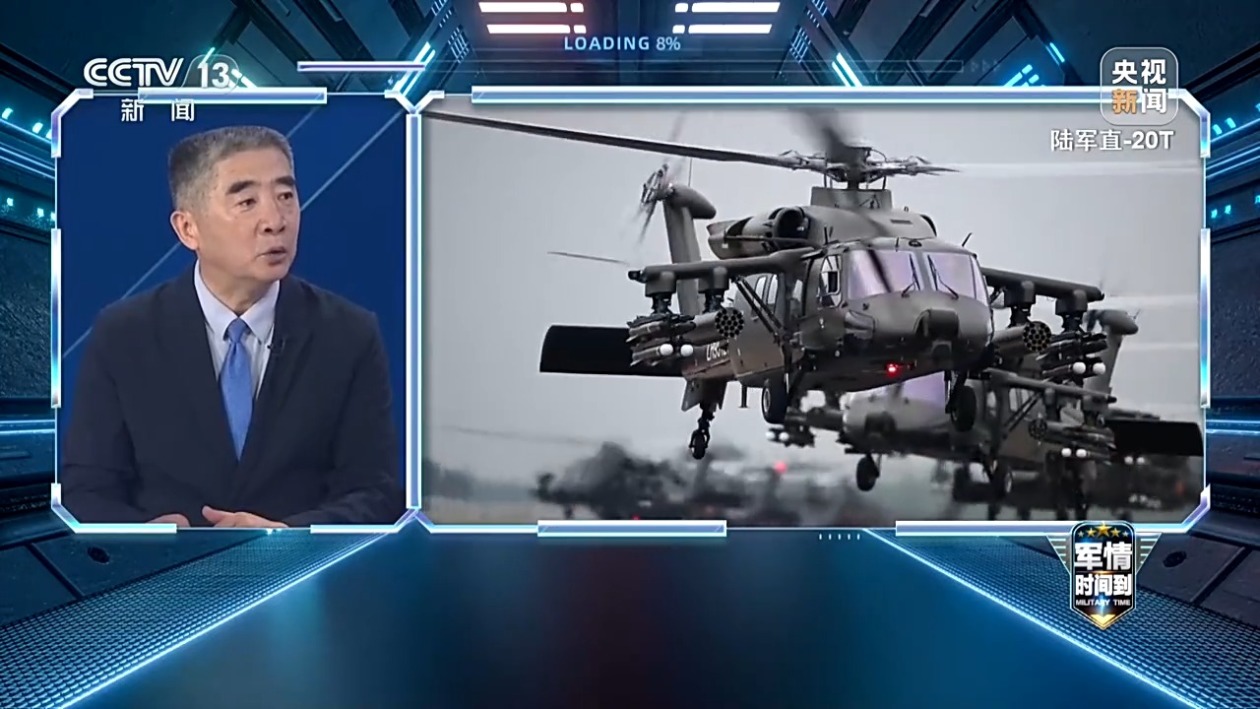
Military Commentator Du Wenlong: The Z-20 is a large family of general-purpose helicopters with excellent platform performance. In the future, different military branches can make improvements based on their specific needs. The Army now has the basic model and the assault model, so it can play a particularly important role in air assault and ground combat operations. The Navy is also equipped with both assault and anti-submarine versions, which will lead to significant advancements in island reef operations, special operations, and underwater target engagements. The Air Force has developed the Z-20K model, which will become a core focus in air assault operations. In the next step, combining platform performance with the needs of different military branches, we can expect to see more variants like special operations and rescue models, leading to a larger Z-20 family.
Host: The Army's new air defense weapon system has conducted its first live-fire assessment. What are the characteristics of this new weapon system?
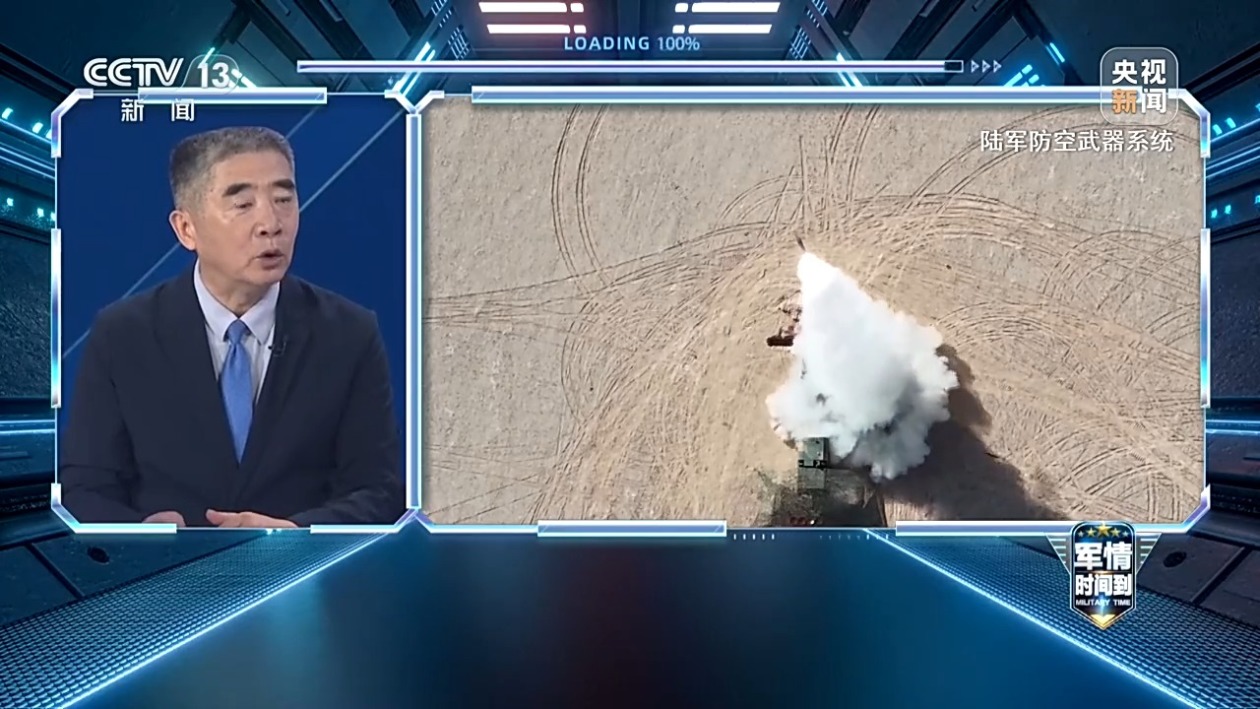
Military Commentator Du Wenlong: This missile can be seen as a light rod missile from the moment it leaves the launch tube. Other missiles have several fins and control surfaces at the tail to guide their flight. If it is a light rod missile, it indicates that it uses vector propulsion, which means its combat actions are not limited to previous air defense operations but also include land-based missile defense operations, with certain interception capabilities against bombs and missiles. This demonstration of new equipment indicates that the Army's air defense operational model is also changing, transitioning from traditional air defense to air defense and missile defense.
Host: What is the difference between Army air defense and Air Force air defense?
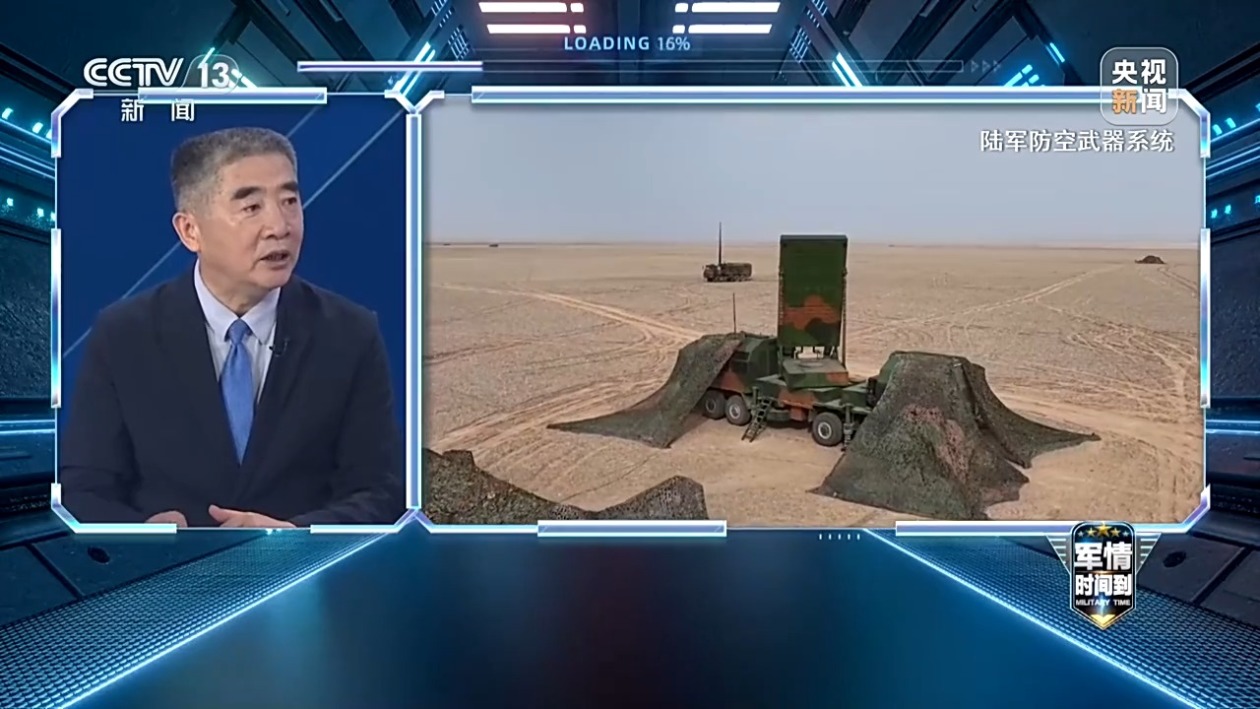
Military Commentator Du Wenlong: Army air defense is called field air defense, while the Air Force generally refers to it as area air defense. If air defense operations are conducted against combat troops and task areas, they are generally carried out by the Army. However, air defense operations against large or strategic targets are typically conducted by the Air Force. The Army is currently transitioning from air defense to air and missile defense, while the Air Force is moving from air and missile defense to air and space defense. This indicates that in the future, these two different protective umbrellas will play an important supporting role in national security.
Host: Many missile launches by the Rocket Force now adopt mobile launch methods. What are the benefits of this?

Military Commentator Du Wenlong: Mobile or maneuverable launches can significantly enhance concealment capabilities, making it difficult for the enemy to determine coordinates, while also increasing the element of surprise in strikes. Many types of missiles in the Rocket Force can be launched from temporary positions, which is crucial for enhancing the suddenness of firepower.
Host: The progress of the Rocket Force is not only reflected in the range and accuracy of missiles or increased firepower but also in advancements in launch methods.
Military Commentator Du Wenlong: Concealed and rapid launches are particularly important aspects of Rocket Force operations. Therefore, in addition to looking at range and power, we must also consider the efficiency of launch actions.
With the centenary of the military approaching
What will be the focus of our military's development next?
Host: This year marks the last year before the centenary of the military. What will be the focus of our military's equipment development and personnel training in the future?
Military Commentator Du Wenlong: In the face of future global developments, the Chinese military must set new examples and shoulder great power responsibilities, with equipment development playing a particularly important role. Our weaponry will continue to be updated and upgraded, and the combat capabilities and technical status of different military branches will rapidly advance. Currently, globally, advancements in intelligence, unmanned systems, and networks are progressing rapidly. I believe the People's Liberation Army will also stand at the forefront, forming strong combat capabilities by the time of its centenary.
A strong nation must have a strong military; only a strong military can ensure national security. The People's Liberation Army, which follows the Party's command, can win battles, and has excellent conduct, is forging ahead towards the goal of building a world-class military and achieving the goal of a strong military.
On August 1, 2025, the People's Liberation Army Navy introduced new aircraft including the J-15T, J-35, and KJ-600, enhancing its operational capabilities. The 075 amphibious assault ship Hubei has been actively engaged in training exercises. These developments mark significant advancements in China's military modernization as it approaches its 100th anniversary.
- The People's Liberation Army Navy introduced the J-15T, J-35, and KJ-600 aircraft.
- The 075 amphibious assault ship Hubei has been actively training since its commissioning.
- The J-15T has been modified for electromagnetic catapult launches on the Fujian aircraft carrier.
- The PLAN is enhancing its naval combat capabilities with new aircraft and ships.
- The report highlights the modernization of the Chinese military as it approaches its 100th anniversary.