
Military Situation Update: Highlights of the Chinese Air Force's International Joint Training in August

Do you remember the shocking images of Chinese Air Force aircraft flying over the pyramids in Egypt last year? This year, the joint training between the air forces of China and Egypt has begun again. From August 22 to early September, the China-Egypt "Civilization Eagle-2026" air force joint training is being held in Egypt. What types of aircraft are being sent by China and Egypt for the training? What new highlights are there in this second joint training? The first flight day saw one-on-one aerial confrontations between different types of aircraft; how did the battles unfold?
First Flight Training Day: J-16 vs. Rafale Aerial Confrontation
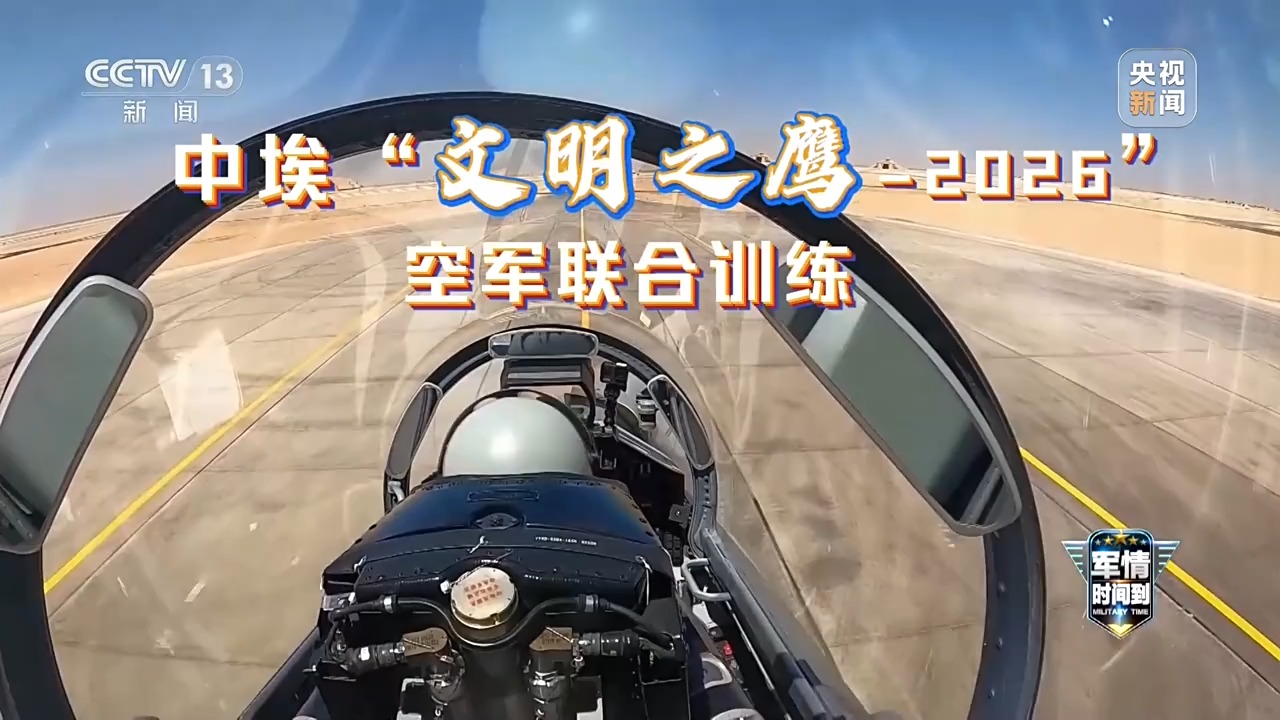
On August 23, the first flight training day of the China-Egypt "Civilization Eagle-2026" air force joint training took place. Before the flight training, pilots from both countries introduced the performance of their respective aircraft and engaged in in-depth discussions on the joint training subjects, clarifying flight safety rules, airspace control regulations, takeoff and landing methods, and emergency response plans to ensure the safe and efficient implementation of subsequent confrontation training.
On the first flight training day, the subject was set for one-on-one aerial combat between different types of aircraft. The Chinese J-16 fighter jet engaged in medium-range and close-range aerial combat with the Egyptian Air Force's Rafale fighter jet.
It was reported that the China-Egypt air force joint training will gradually advance from basic one-on-one and two-on-two aerial combat to systematic joint operations. As the mutual understanding between the pilots improves, the joint training not only promotes the exchange of tactical methods but also helps enhance the combat skills and practical capabilities of both sides.
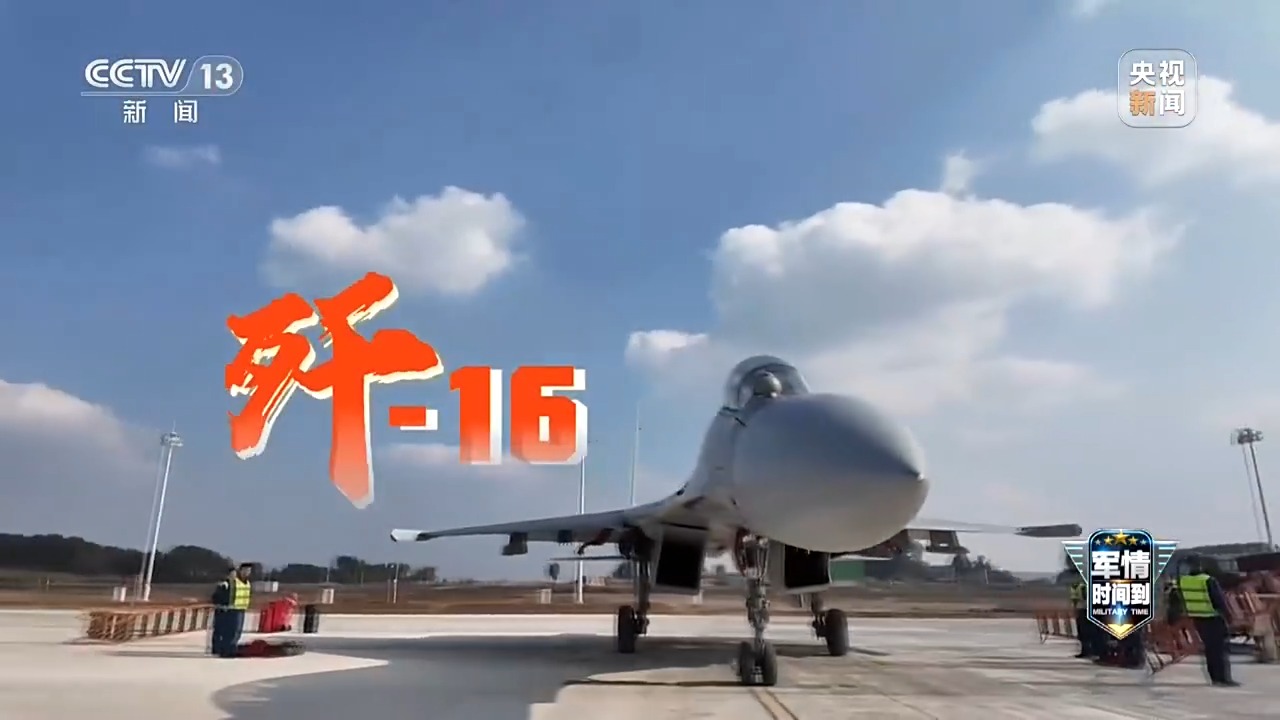
The main aircraft participating in this joint training from the Chinese side is the J-16, a dual-seat, heavy multi-role fighter jet independently developed by China, which balances air combat capabilities with ground and maritime strike capabilities. Due to its powerful engine, versatility, and excellent performance, it is referred to by military enthusiasts as a "battlefield all-rounder." The J-16 can carry various air-to-air missiles, anti-ship missiles, and laser-guided bombs, and is also vividly nicknamed the "bomb truck."
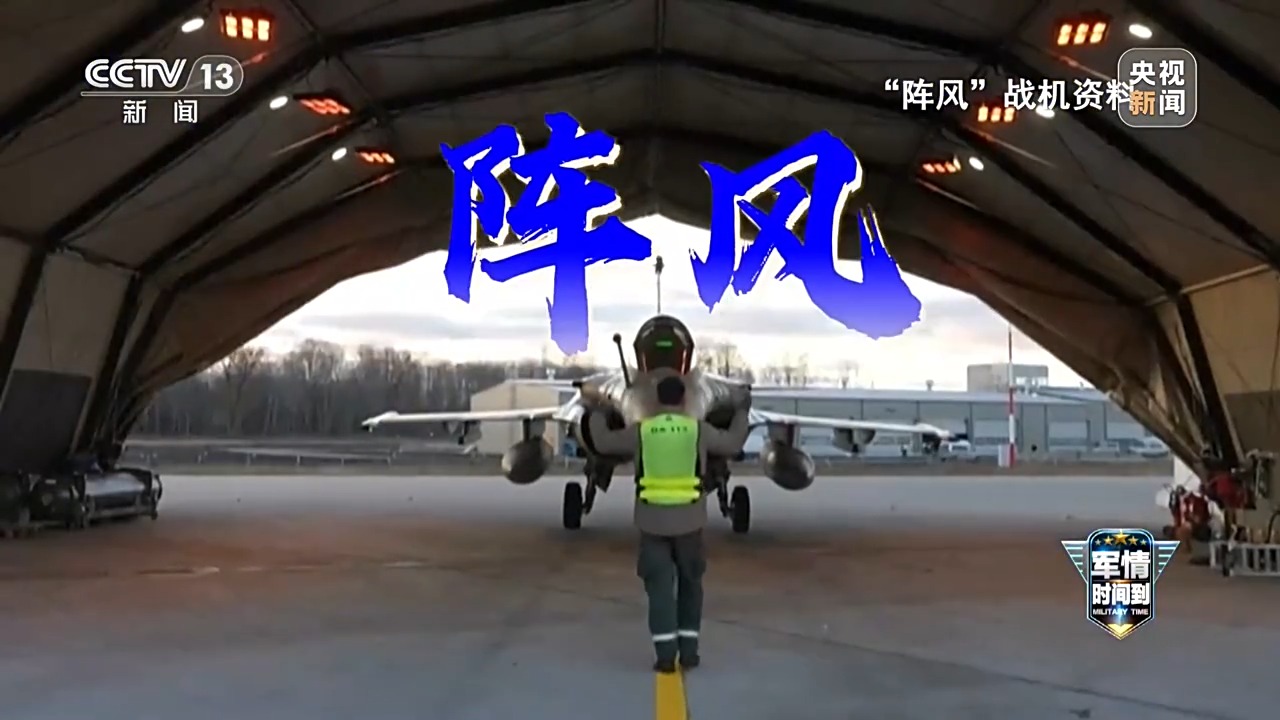
The Rafale fighter jet participating in this training from the Egyptian Air Force was developed by Dassault Aviation in France and is classified as a medium multi-role fighter. It can perform a variety of missions including air superiority, ground attack, anti-ship strikes, and reconnaissance.
In terms of onboard weapons, the Rafale can carry MICA medium-range air-to-air missiles, Meteor long-range air-to-air missiles, and Exocet anti-ship missiles. Like the J-16, the Rafale also features a twin-engine design, a large payload capacity, and strong multi-role flexibility and availability.
Host: On the first flight training day, the J-16 and Rafale engaged in medium-range and close-range aerial confrontations. How do we define what is medium-range and what is close-range? From the perspective of aerial confrontation, what are the differences between medium-range and close-range aerial combat?
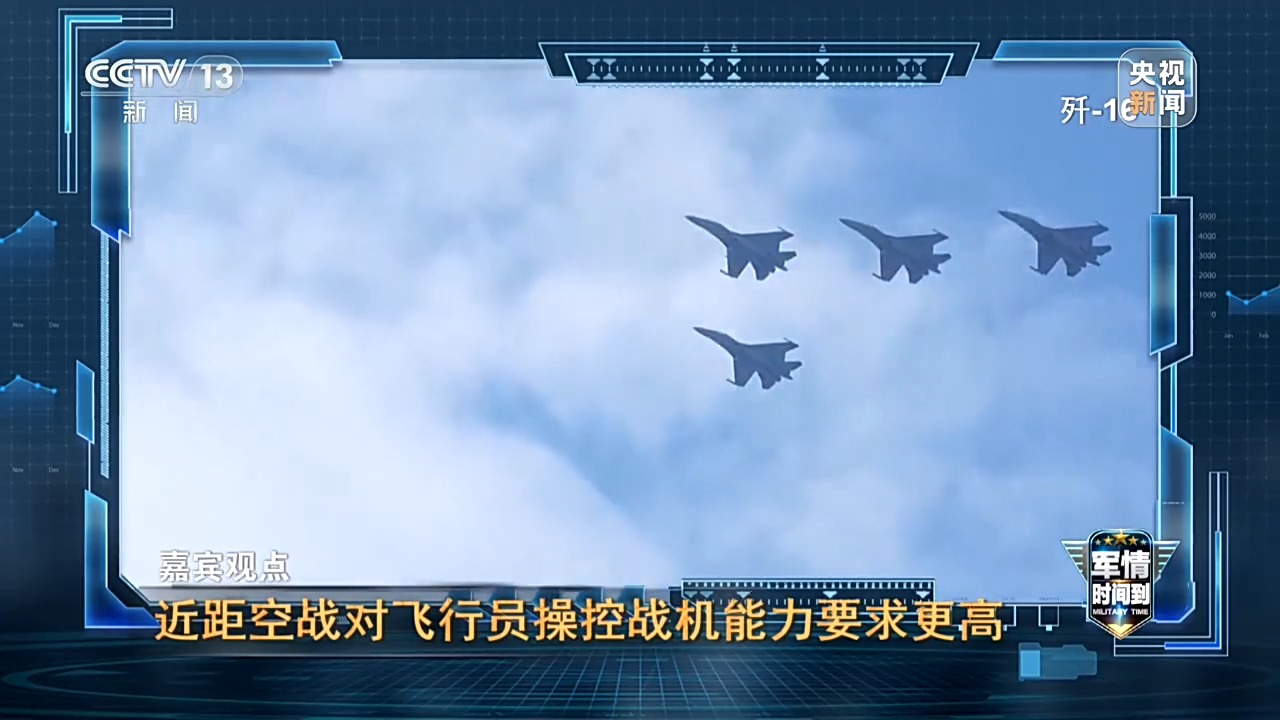
Military Commentator Zhang Xuefeng: Literally, medium-range and close-range mainly differ in distance, but in reality, there is no clear distance scale to distinguish between them. Medium-range primarily involves using onboard radar or other sensors to track and lock onto targets, then using medium-range air-to-air missiles to strike the opponent's targets. Close-range often relies on visual identification by the pilot, supplemented by onboard radar and infrared sensors for assistance in detection, using close-range dogfight missiles to strike the opponent's targets. Moreover, in close-range dogfighting, pilots are required to maximize the aircraft's performance, especially its maneuverability and climb performance, which further reflects the pilot's operational and control capabilities.
Host: Now, with beyond-visual-range attacks, why is there still a need for such close-range aerial combat training? What does this close-range aerial confrontation mean for pilots in terms of challenges?
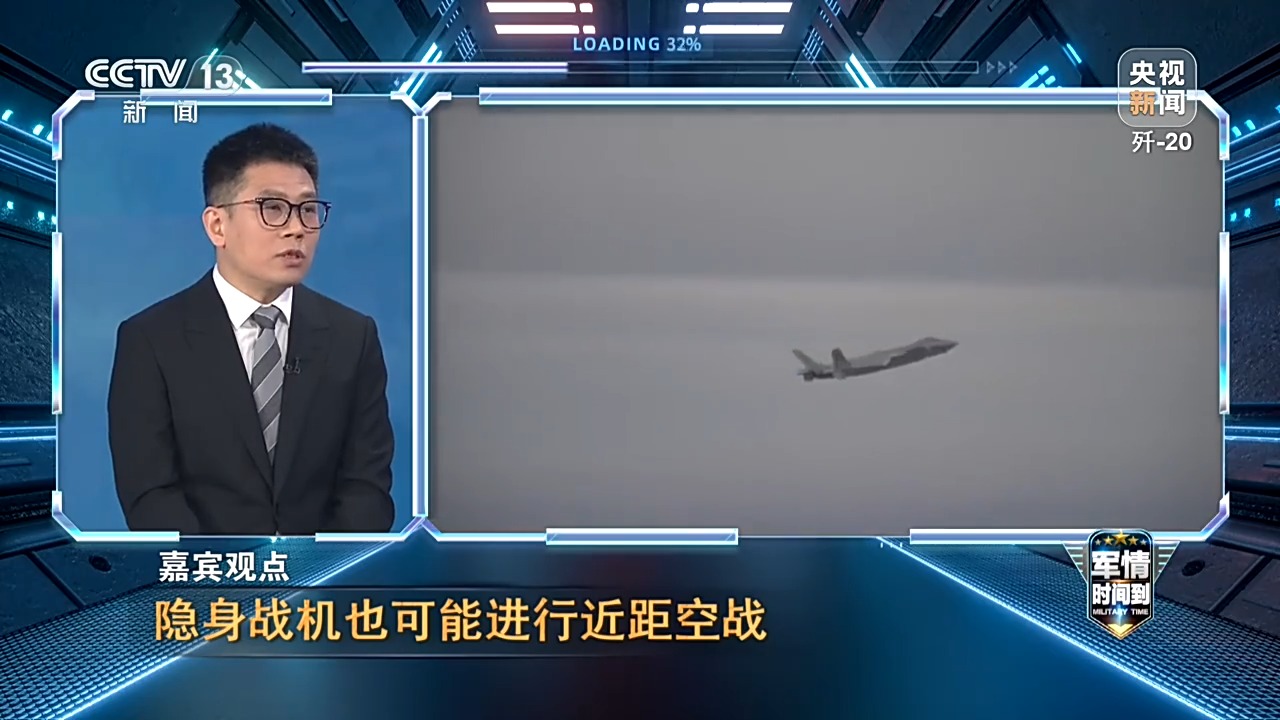
Military Commentator Zhang Xuefeng: In military training, we need to consider all possible situations that may arise on the battlefield and envision a more complex battlefield scenario. Although the current air combat mode is primarily medium-range, we cannot rule out the possibility of close-range dogfights occurring. This includes situations where both sides are using stealth fighters, as the radar detection range for both sides would be significantly reduced, making close-range dogfighting a possibility. Additionally, when driving away foreign aircraft, the ability to engage in close-range dogfighting is also very necessary. To effectively constrain the opponent, one must occupy a position behind the opponent in close-range dogfighting, leaving the opponent with no choice but to retreat.
Host: How is such aerial confrontation training organized during flight training?

Military Commentator Zhang Xuefeng: First, safety rules must be clarified, and a safety distance is established, generally around 300 meters; secondly, advanced and comprehensive training equipment is required, such as both sides typically carrying training munitions. The infrared guidance systems of the training munitions lock onto the opponent's aircraft. In addition, there must be a scientific method to evaluate the aerial combat and determine who wins or loses. At this point, aerial combat training simulators are often used to obtain real-time fire control information from the aircraft, which is then transmitted back to ground control stations for comprehensive analysis to determine which aircraft achieved victory.
Host: In domestic training, our aircraft and pilots also conduct such aerial confrontation exercises, but they only engage with our own blue forces. Now, going abroad to directly confront Western aircraft like the Rafale, what differences are there compared to training domestically?
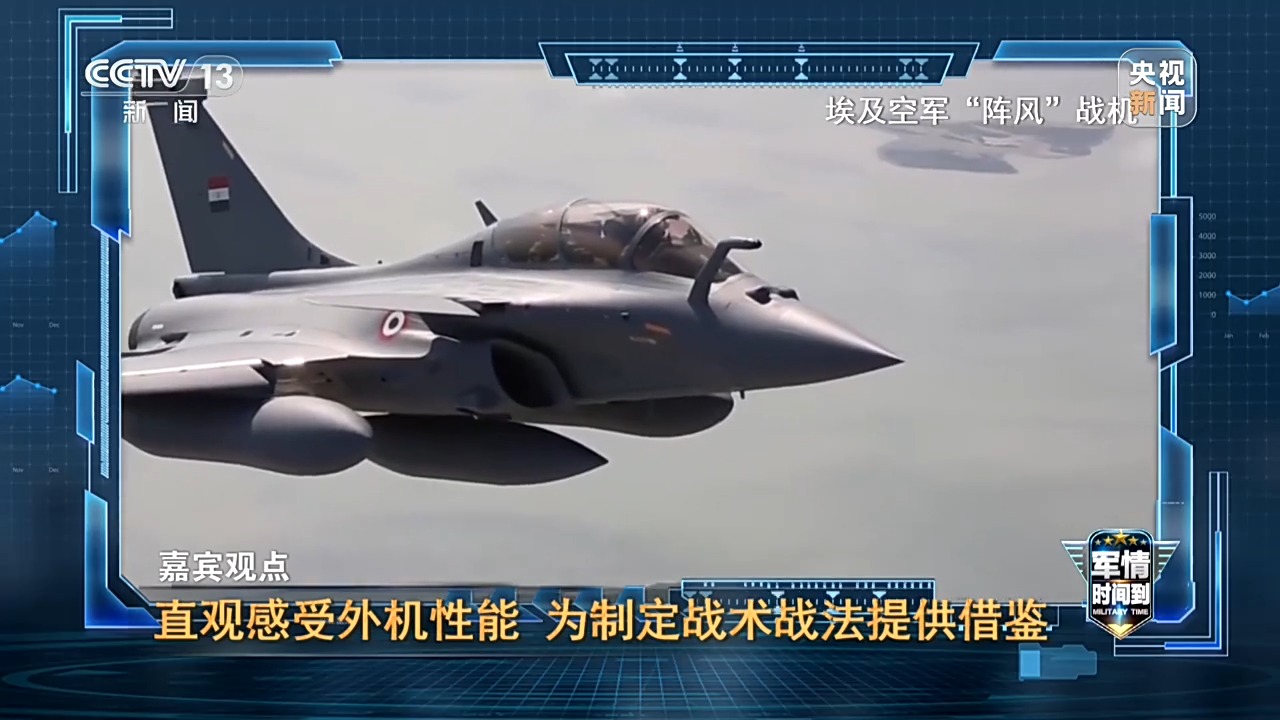
Military Commentator Zhang Xuefeng: Engaging with the Egyptian Air Force's Rafale fighter allows us to intuitively experience the performance of this aircraft and fully grasp its flight characteristics, providing valuable insights for developing relevant tactics and strategies.
Host: For the Egyptian Air Force, will there also be lessons learned and gains from this?
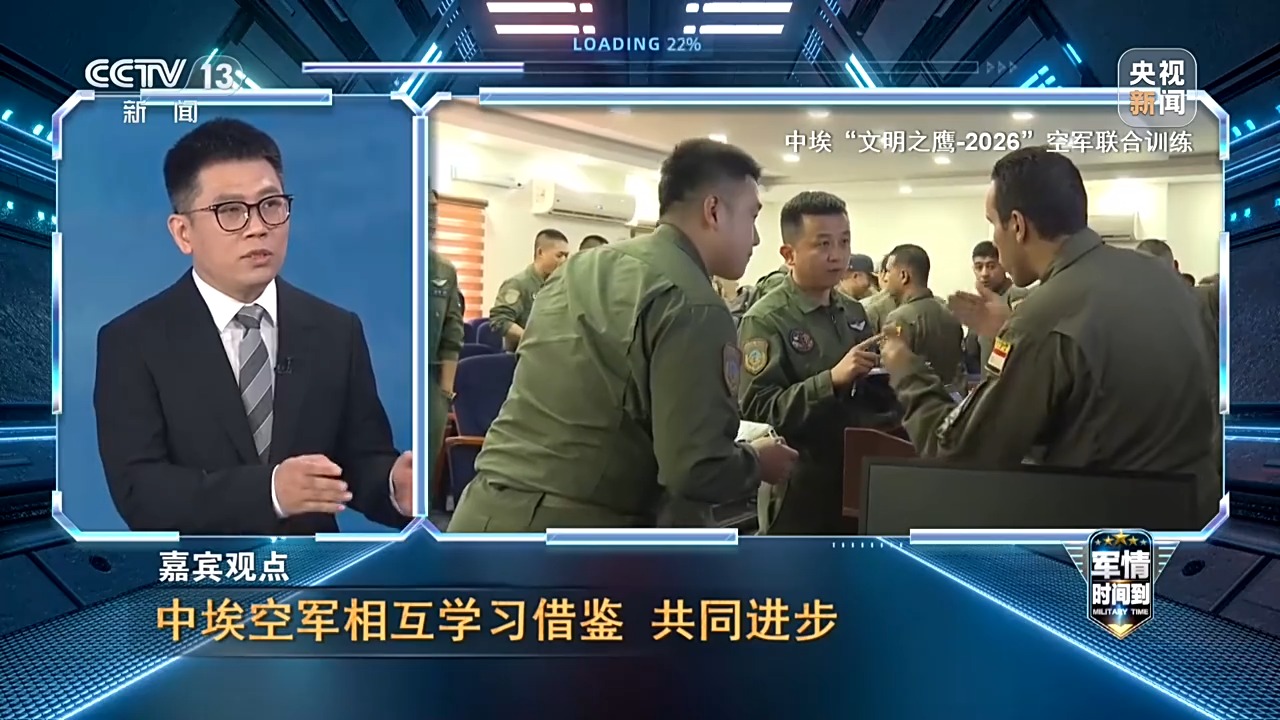
Military Commentator Zhang Xuefeng: Yes, through joint training with the Chinese Air Force, the Egyptian Air Force can find a very powerful sharpening stone, which helps improve its tactical and technical level. During the training process, both sides can learn from each other’s tactics, operational concepts, and achieve mutual progress and improvement.
Intercontinental Long-Distance Deployment
Chinese Air Force Participates in a Systematic Manner
In the early hours of August 21, the Chinese Air Force's various types of aircraft and participating personnel for the China-Egypt "Civilization Eagle-2026" joint training completed intercontinental long-distance deployment and successfully arrived at an Egyptian Air Force base.
For this joint training, the Chinese Air Force dispatched multiple types of aircraft including fighter jets, refueling aircraft, special mission aircraft, and helicopters, participating in a systematic manner. On the way to Egypt, the Y-20A refueling aircraft not only undertook air refueling tasks, providing aerial refueling for the J-16 fighter jets, but also served as the airborne command node for the formation. The flight formation overcame challenges such as long flight times and complex weather, covering over 6,000 kilometers, passing through four countries across two continents, and arriving in Egypt after nearly nine hours of flight.
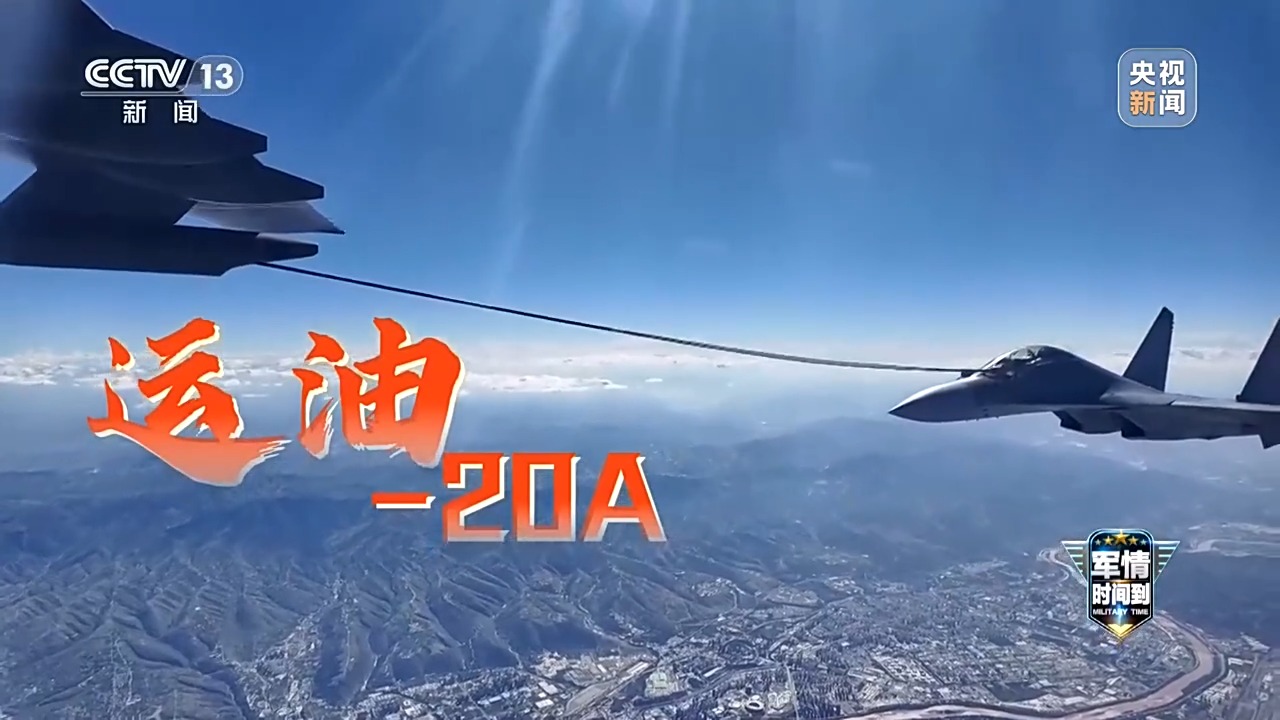
This joint training marks the second time the air forces of China and Egypt have conducted joint exercises. From April 17 to May 4 last year, the two countries' air forces held the "Civilization Eagle-2025" joint training at an Egyptian Air Force base for the first time. The Chinese Air Force sent J-10C fighter jets, KJ-500 early warning aircraft, and Y-20A refueling aircraft to participate. During the joint training, both sides conducted training on air superiority operations, suppression of air defense, battlefield search and rescue, and mixed formation exercises, and engaged in discussions on training models, air combat tactics, and air refueling. The first joint training between the Chinese and Egyptian air forces is a new starting point for cooperation between the two militaries, significantly enhancing the tactical and technical levels of the participating forces, further deepening mutual friendship and practical cooperation between the two militaries, and effectively testing the Chinese Air Force's long-distance deployment, agile deployment, and systematic combat capabilities.
Host: Last year's China-Egypt joint training saw the Chinese Air Force dispatch the J-10C fighter jet, while this year the J-16 heavy fighter jet is being sent. How do you view this change?
Military Commentator Zhang Xuefeng: First, we need to consider diversifying the types of aircraft we send for training. Previously, we sent the J-10C, which tested its combat capabilities. This time, sending the J-16 is also an opportunity to test its tactical and technical levels and the performance of the fighter jet, as well as to accumulate richer experience through this joint training.
Host: With such advanced fighter jets being sent abroad for joint training and engaging in high-intensity aerial confrontations, are there concerns about leaking information about our equipment?
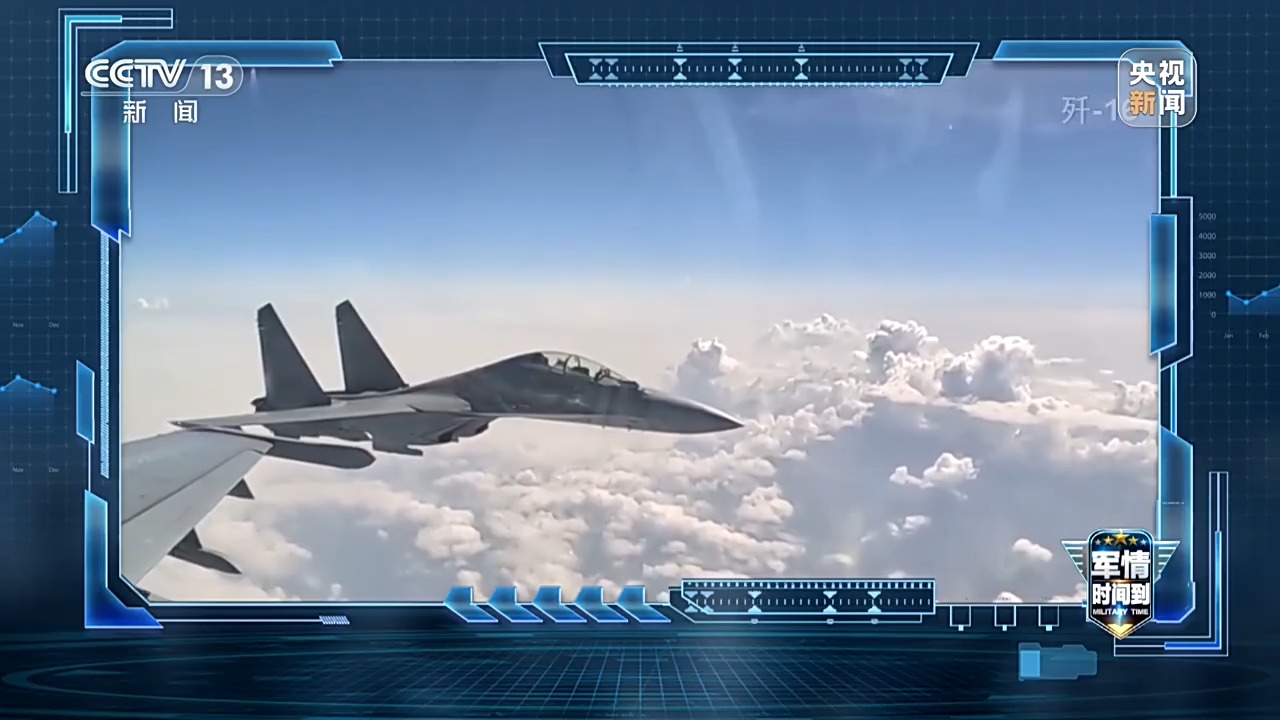
Military Commentator Zhang Xuefeng: I believe the first point is mutual trust. During our exercises, the performance of our aircraft, including the results, is subject to confidentiality regulations, and both sides should not disclose this information to third parties. The second point is our confidence; even if some performance of our aircraft is detected or understood by other countries or third parties, it will not affect our future combat capabilities. The J-16 and other advanced fighter jets generally use active phased array radars, which operate over a very wide frequency range. During training, we may use a very narrow frequency band, while in combat, we have a wider frequency range to operate and respond to interference, including more anti-jamming modes.
Host: This time, the Chinese Air Force has dispatched a combat group that also includes special mission aircraft. What kind of tasks do special mission aircraft undertake?
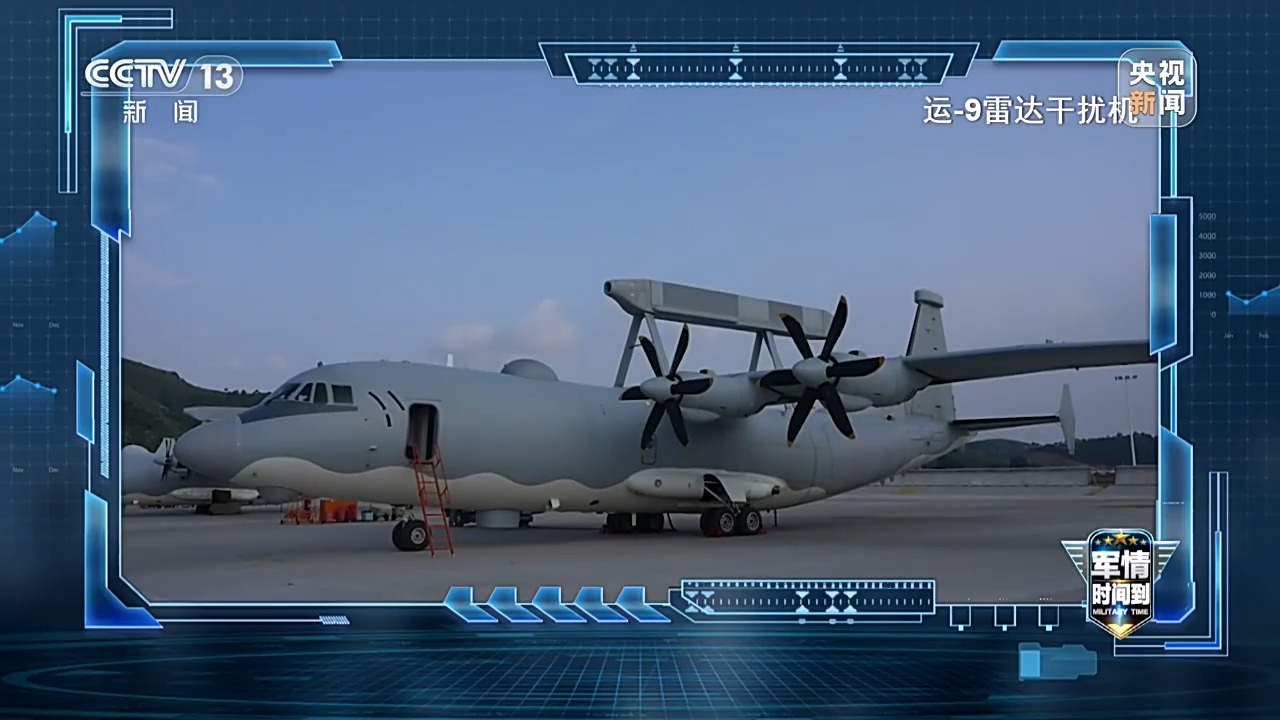
Military Commentator Zhang Xuefeng: From the relevant images, this special mission aircraft should be the Y-9 radar jamming aircraft, which has a distinctive external feature resembling a "balance beam" antenna, housing various electronic warfare equipment. This allows for a very wide field of view. This type of electronic warfare aircraft primarily operates outside the range of the opponent's surface-to-air missiles and outside the interception radius of their fighter jets to jam the opponent's radar network. It can interfere with both ground-based air surveillance radars and fire control radars, as well as the radars mounted on airborne early warning aircraft and fighter jets. On one hand, we can render these platforms deaf and blind, even if the opponent's radar is relatively advanced and has certain anti-jamming measures. Our jamming aircraft can significantly reduce the radar detection range.
Host: This time, we have dispatched fighter jets, refueling aircraft, special mission aircraft, and helicopters. How do you view the composition of this air group?
Military Commentator Zhang Xuefeng: This has formed a basic system of combat power capable of launching a medium-scale aerial campaign. Such a system can practice both defense and offense. For example, during defensive training, the J-16 can intercept incoming targets under the command of early warning aircraft to seize air superiority; during offensive training, the J-16 fighter jets can strike the opponent's air defense systems and ground targets under the command of early warning aircraft and with the cover of electronic warfare aircraft. Especially this time, with the Y-9 radar jamming aircraft, we can jam the opponent's ground and airborne radars, which is more conducive to practicing related suppression of air defense subjects. In addition to conducting confrontational training, our system can also practice mutual integration and cooperation with the Egyptian Air Force. Last year, our Y-20 refueled the Egyptian Air Force's MiG-29; if this year our Y-20 refuels the Rafale fighter jet, it should not come as a surprise.
Chinese Air Force Joint Training with Multiple Countries: Sharpening the Sword Together
In addition to the China-Egypt "Civilization Eagle" joint training, the Chinese Air Force has also recently conducted joint training with Belarus, Thailand, and the United Arab Emirates.
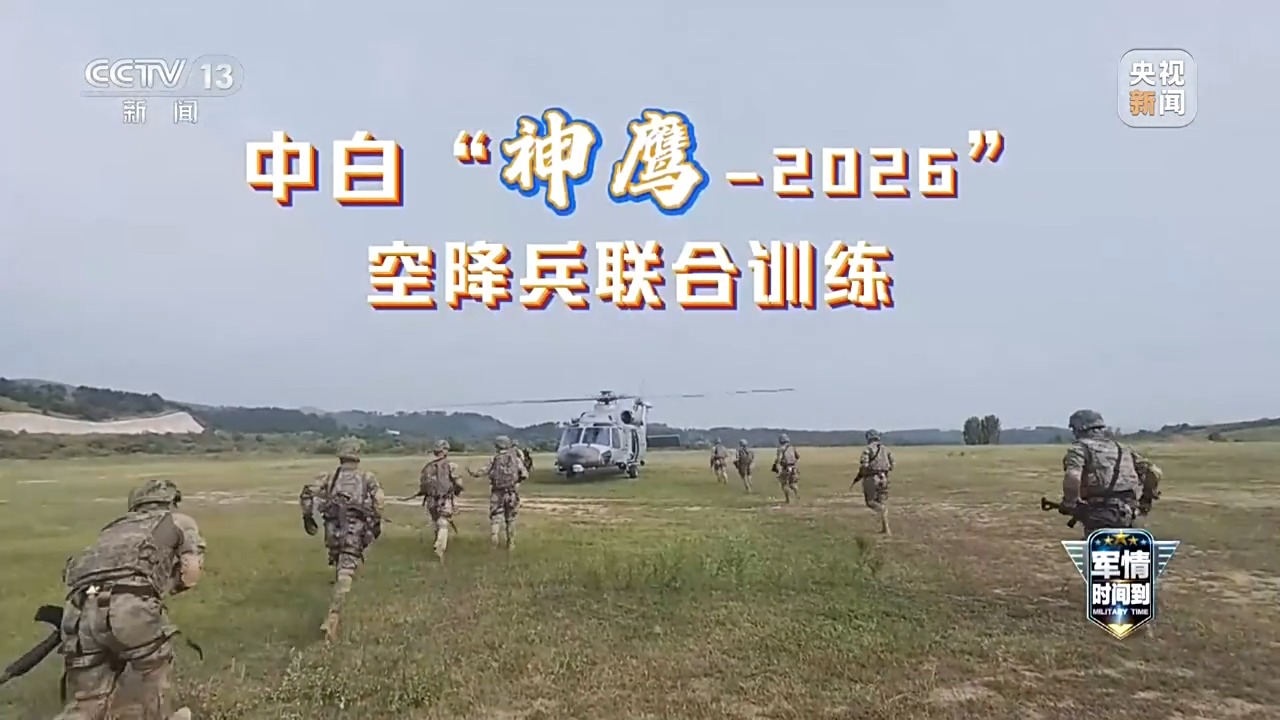
On August 24, the China-Belarus "God Eagle-2026" airborne joint training concluded at a training center of the Chinese Air Force. Since it began on August 12, both sides adopted a mixed formation model, focusing on joint urban counter-terrorism operations, closely aligning with real combat scenarios to complete exercises on reconnaissance and counter-reconnaissance, seizing control and defense, and clearing and holding, effectively testing the two militaries' coordinated command and joint counter-terrorism capabilities.
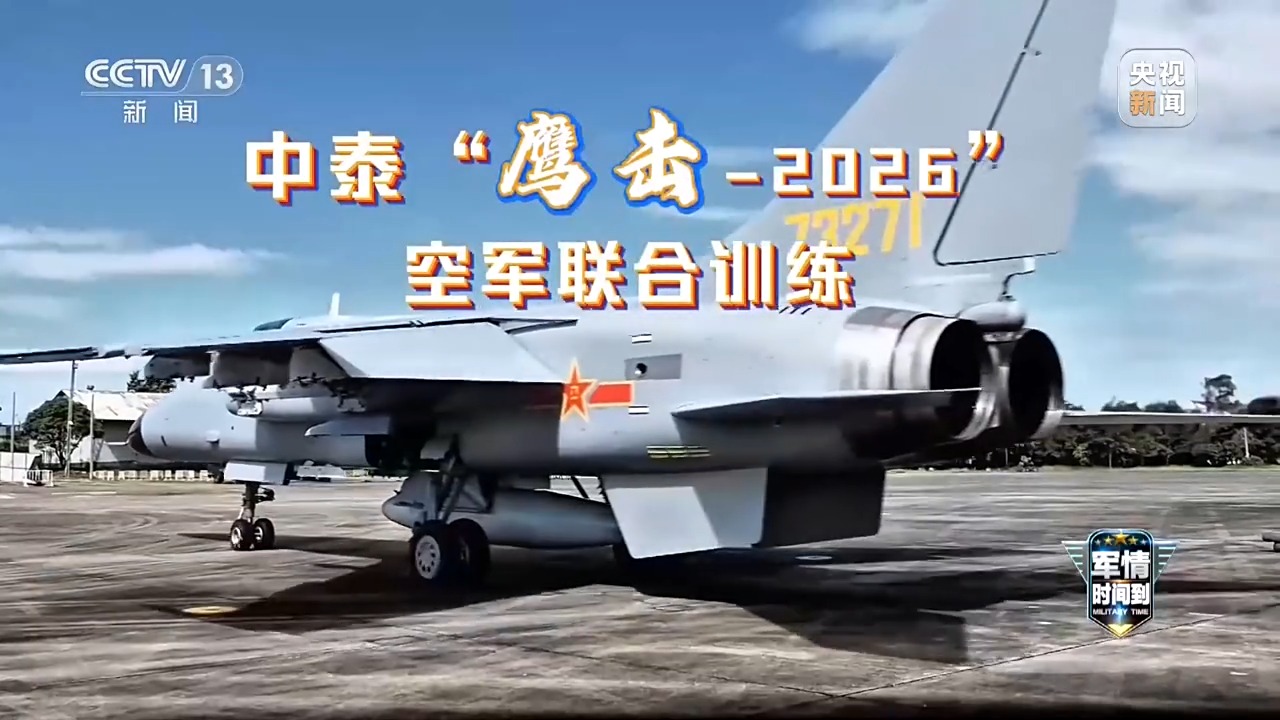
On the morning of August 20, the closing ceremony of the China-Thailand "Eagle Strike-2026" air force joint training was held at the Udon base of the Royal Thai Air Force. In this joint training, the Chinese side dispatched fighter jets, early warning aircraft, refueling aircraft, helicopters, and ground-based air defense weapons, forming mixed formations with the Thai Air Force and successfully completing all set tasks.
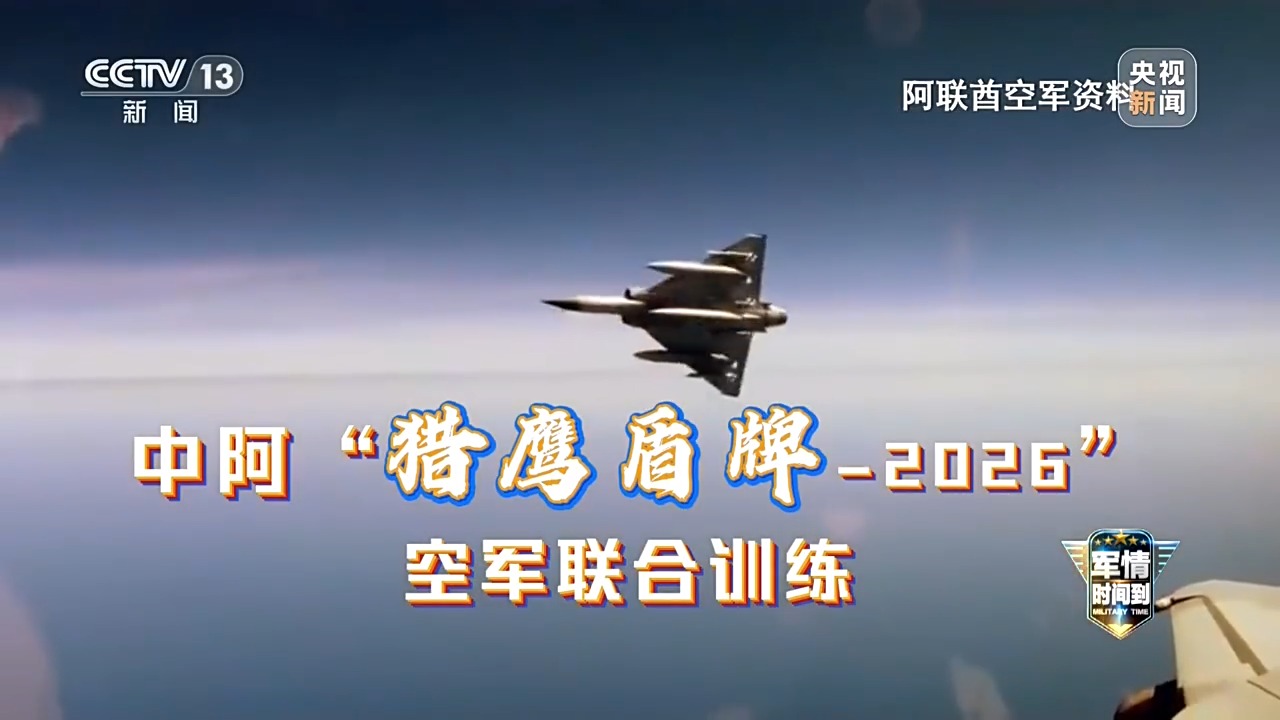
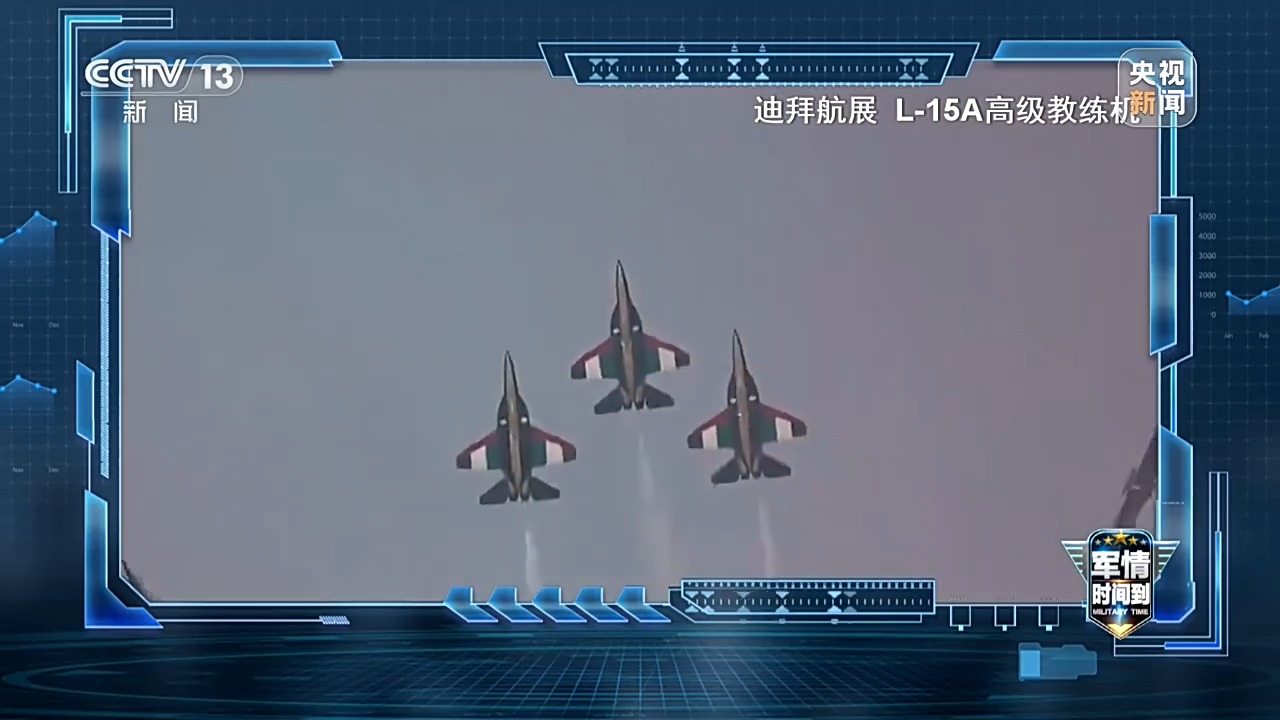
The next air force joint training is also worth attention. From late August to mid-September this year, the air forces of China and the United Arab Emirates will hold the China-UAE "Falcon Shield-2026" air force joint training in Hotan, Xinjiang, conducting command simulations, flight training, and live mixed exercises.
Host: The China-Belarus "God Eagle-2026" airborne joint training is a restart after many years. What highlights does this joint training have?
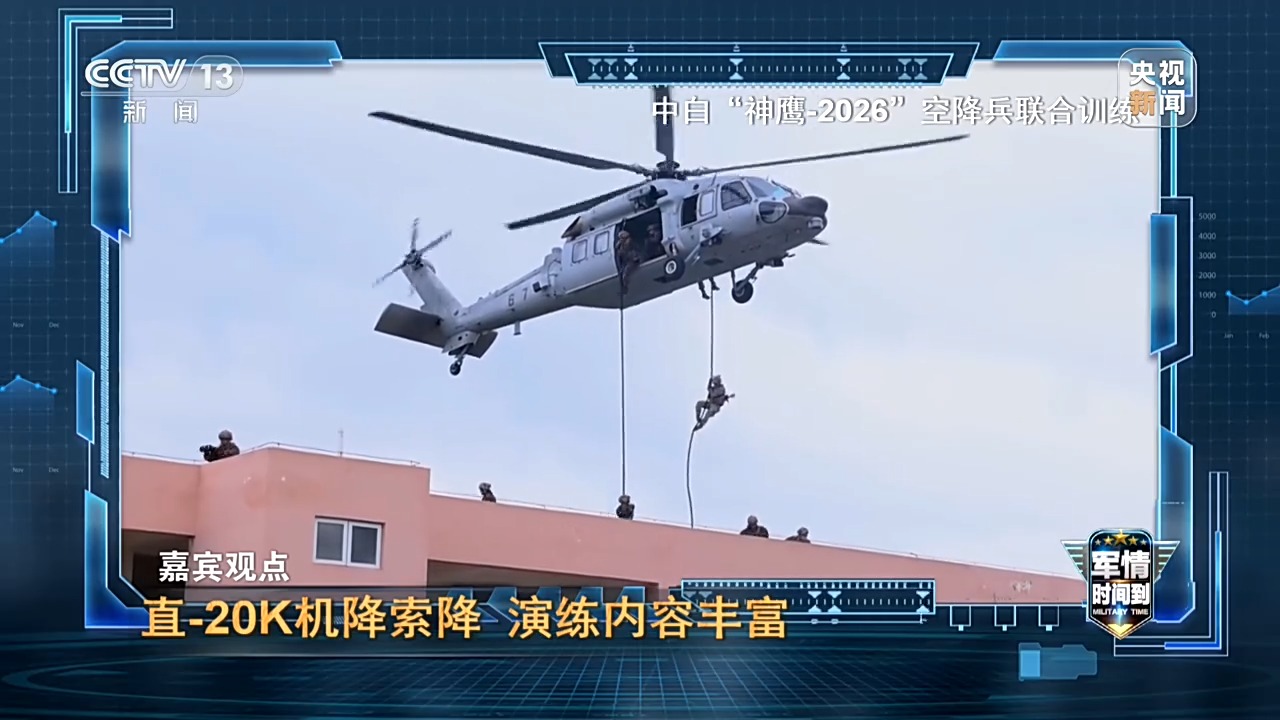
Military Commentator Zhang Xuefeng: There are three highlights worth noting. First, during this joint training, the Belarusian side used weapons and equipment provided by China, particularly the provision of the Type 191 rifle for training, which helps improve mutual cooperation capabilities in potential counter-terrorism operations in the future. At the same time, this simplifies the process for the Belarusian side to transport live ammunition to China, including customs clearance. The second feature is that both sides used a very realistic simulated confrontation system, making the tactical training more closely aligned with real combat, which is beneficial for improving both sides' tactical and technical levels. Third, the Z-20K conducted relevant exercises on air dropping and rappelling, reflecting the richness of the subjects practiced in this joint training.
Host: In the other two joint trainings, the Royal Thai Air Force used the Swedish "Gripen," while the United Arab Emirates Air Force used the French-made "Mirage 2000." What characteristics do these aircraft have?
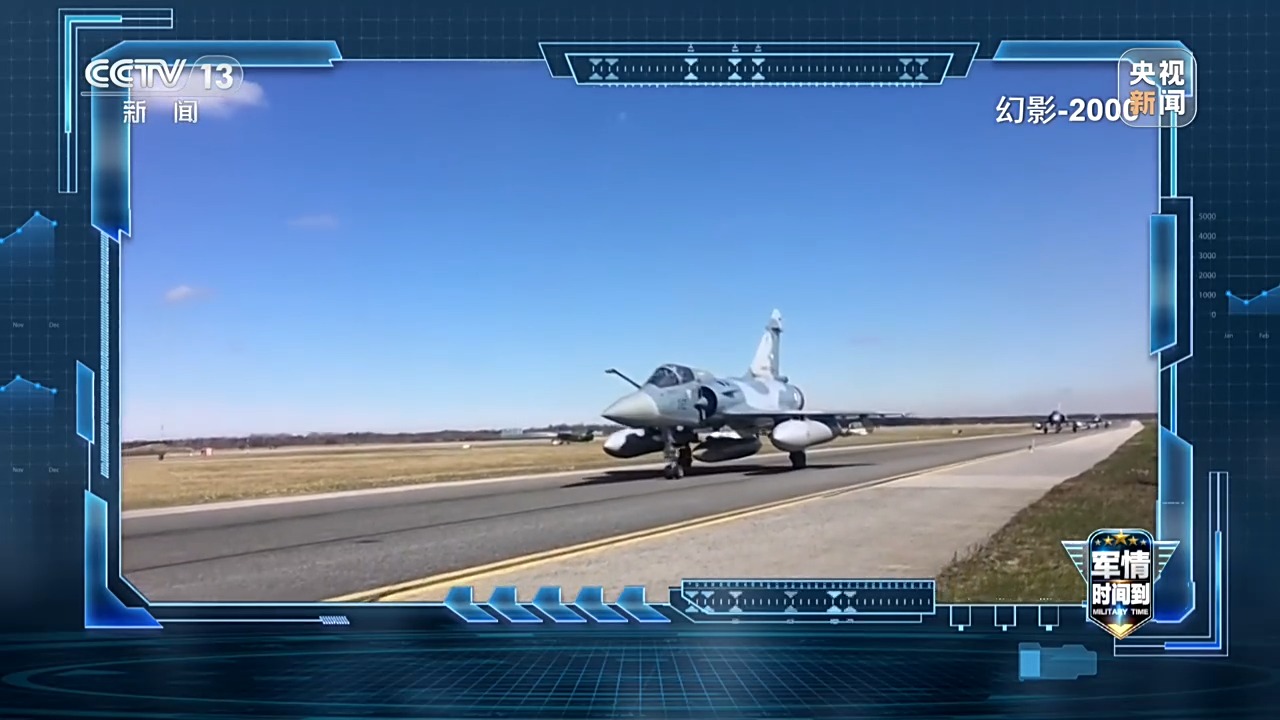
Military Commentator Zhang Xuefeng: The "Gripen" fighter jet is a lightweight fighter and can be considered an old friend of the Chinese Air Force. When we first conducted exercises with it, we used the Su-27 and J-11 fighter jets. Early Su-27 radars were not very advanced, so they might have some disadvantages at medium to long ranges, but in close-range dogfighting, our heavy fighter jets, although heavier, have excellent maneuverability, giving us a significant advantage in close-range air combat. The "Mirage 2000" can be described as a medium fighter with a distinctive aerodynamic layout, but this fighter jet is also continuously being improved, so being able to confront it allows us to understand the performance of its latest variants and test our own equipment.
Host: These countries maintain military procurement relationships with the West but are also willing to conduct joint training with the Chinese military. What does this indicate?
Military Commentator Zhang Xuefeng: Relevant countries have a strong demand for diversified defense cooperation. Previously, these countries often procured equipment from the United States and Europe. However, the U.S. has very stringent political conditions for exporting weapons and equipment to other countries. Therefore, we see some countries that not only procure U.S. weapons but also a certain number of European weapons and even Russian weapons. Now, China's weaponry is becoming increasingly advanced and offers a cost-effective advantage; some fighter jets and drones have very advanced performance. Moreover, we do not impose harsh political conditions, so why wouldn't these countries want to cooperate with us? China is a reliable and dependable friend.
Host: With the aim of peace, strengthening cooperation, and achieving common progress, honing practical skills through joint exercises, and enhancing mutual trust between the two militaries through sincere communication, this is the contribution of the Chinese Air Force to maintaining regional stability and world peace.
China and Egypt conducted joint air force training from August 22 to early September 2026 in Egypt, featuring J-16 and Rafale fighter jets in air combat exercises. The training aimed to enhance tactical exchanges and operational capabilities, with multiple aircraft types deployed by the Chinese Air Force, including Y-20A and Y-9. This exercise marks the second collaboration between the two nations' air forces, following a previous training in 2025.
- China and Egypt conducted joint air force training from August 22 to early September 2026.
- The exercise involved J-16 and Rafale fighter jets in air combat training.
- Chinese Air Force deployed multiple aircraft types including J-16, Y-20A, and Y-9.
- The training aims to enhance tactical exchanges and operational capabilities between the two air forces.
- This is the second joint training exercise between China and Egypt, following a previous one in 2025.