
Military Situation Update: What Impact Do Western Weapons and Intelligence Have on the Course of the Russia-Ukraine War?
Ukraine has used British-made drones to strike deep targets within Russian territory, Turkey intends to transfer U.S.-made weapons to Ukraine, NATO is providing precise coordinates for missiles to Ukraine, Japan and Ukraine are collaborating on drone production, and multiple countries are meddling in the Russia-Ukraine conflict, continuously testing Russia's bottom line. What impact will this have on the situation? Will the weapons and equipment supported by the West change the course of the conflict? Japan is also eager to get involved from afar; what benefits do they hope to gain? How is Russia responding to all of this?
On August 15, the British newspaper The Sunday Times cited anonymous sources from the Ukrainian military, revealing that the Ukrainian army has repeatedly used British-made drones over the past six months to carry out strikes deep into Russian territory, with some operations reaching over 700 kilometers.
In this cross-border strike, two types of British-made drones played a key role. The most notable is the "Neyan" jet-powered drone developed by BAE Systems, the largest defense contractor in Europe. This drone was publicly unveiled at the Farnborough Airshow in the UK in July this year. It has a wingspan of 2.9 meters, a range of over 241 kilometers, and features low detectability and anti-jamming navigation capabilities.
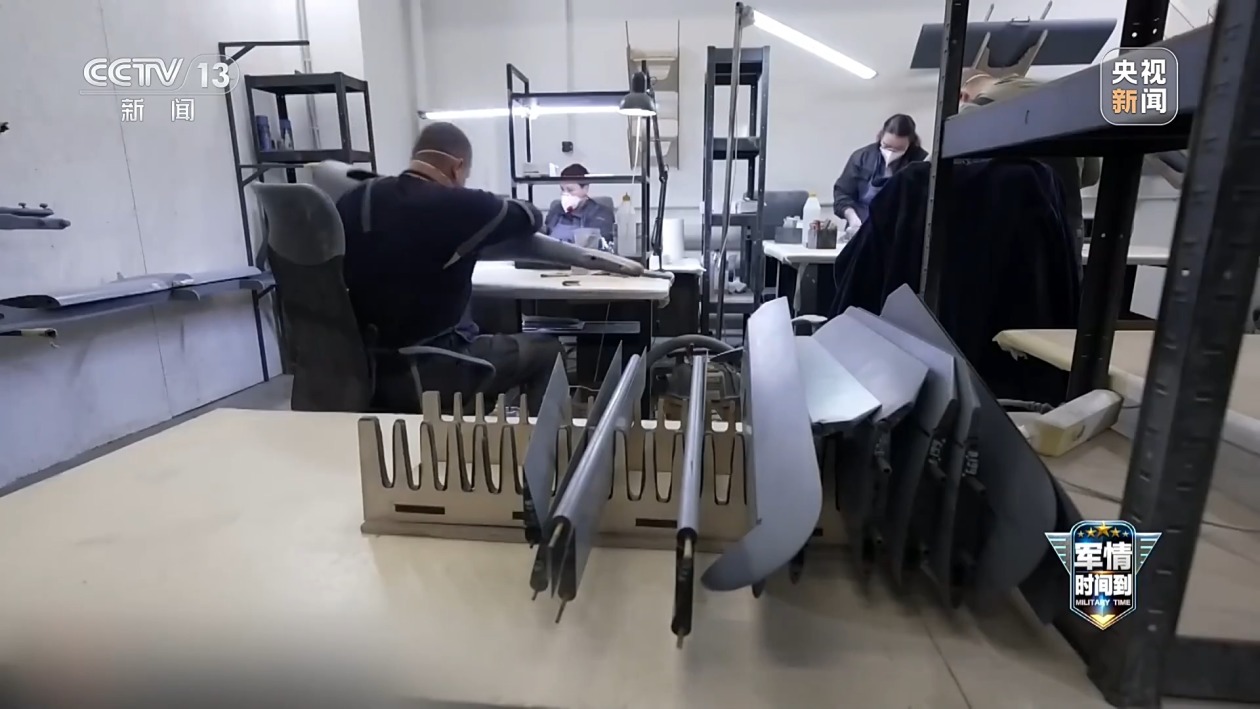
Another British-made drone, whose specific model has not been disclosed, has an even longer range of over 966 kilometers, takes off using a catapult system, and supports rapid continuous launches.
In response to the reality of British drones penetrating deep into Russian territory, Russia quickly made a strong response. On August 18, Russian Foreign Minister Lavrov clearly stated that Russia has the right to consider the actions of British weapons directly participating in strikes on Russian territory as the UK having directly engaged in the war.
In the face of Russia's stern warning, the UK did not hit the brakes. The UK Ministry of Defence reiterated that it would continue to provide military assistance to Ukraine.
In fact, the cross-border drone strikes are not isolated incidents but rather a manifestation of the UK's systematic strategy to aid Ukraine. As early as June this year, the UK government announced a support plan totaling up to £752 million to help Ukrainian factories produce 150,000 drones, over 350 air defense missiles, and radar systems by the end of 2026. This funding comes from the profits generated by frozen Russian assets.
What advantages does the "Neyan" drone have?
What impact will it have on the battlefield situation?
Host: Over the past six months, Ukraine has repeatedly used British-made drones. Previously, there was little mention of British drones; what are the significant features of the British-made drones now deployed on the Ukrainian battlefield?
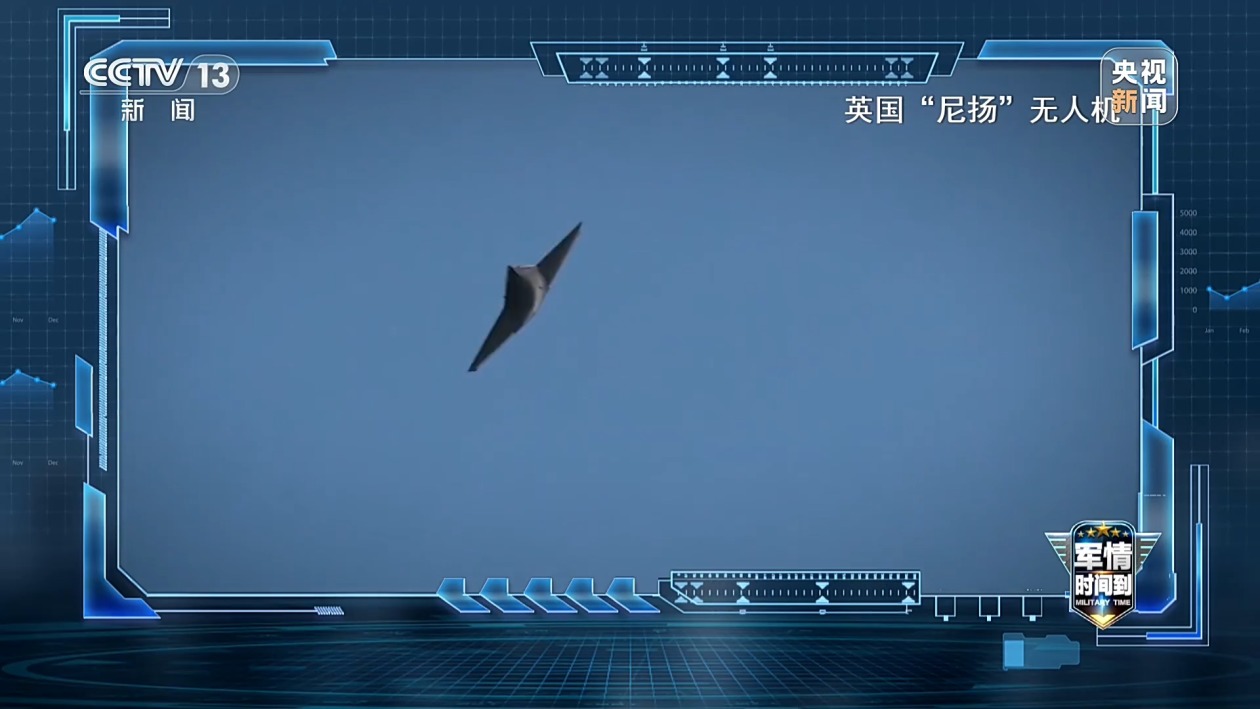
Military Commentator Zhang Xuefeng: In the Russia-Ukraine conflict, both sides have extensively used relatively inexpensive suicide drones, posing a significant threat to each other's rear targets. The development of such suicide drones is not particularly difficult, so some European countries have also begun to develop them. The UK's "Neyan" drone is a very typical representative; it is more refined, smaller in size, with a takeoff weight of about 75 kilograms. Additionally, it employs a flying wing aerodynamic layout and uses some composite materials, which reduces its radar cross-section, making it very difficult for the opponent to detect. Another feature is that it uses a jet propulsion system, and current public information indicates that its maximum flight speed is over 200 kilometers per hour. If its speed is further increased, it could force the opponent to use air defense missiles for interception, thereby increasing the consumption of their air defense missiles.
Host: Regarding the British drone strikes deep into Russian territory, the Russian response has been very strong, even stating that it can be seen as the UK directly participating in the war. This is not the first time Ukraine has used Western-supplied weapons to strike Russia; why is Russia reacting so strongly this time?
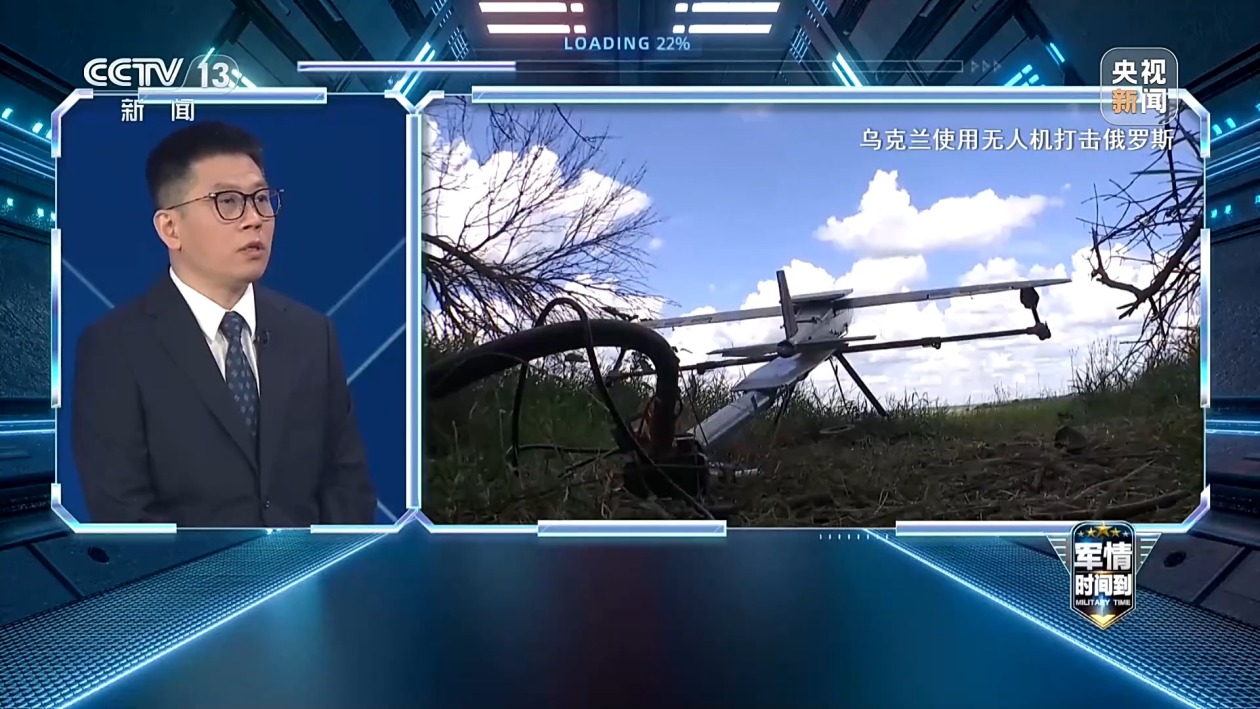
Military Commentator Zhang Xuefeng: Ukraine has previously used the HIMARS system to launch Army Tactical Missiles to strike important targets within Russia. At that time, Russia even used the "Zircon" medium-range hypersonic missile to strike Ukrainian targets, expressing a tough stance. This time, the UK has provided Ukraine with some drones, and Ukraine has used these drones to strike deep Russian targets. This information was first disclosed by British media, and under these circumstances, Russia could not remain silent. Additionally, we are currently in a critical period where both Russia and Ukraine are intensively striking each other's rear strategic targets using drones and missiles. Earlier this year, Ukraine launched about 5,000 drones per month against Russian rear targets, and by July, this number had risen to over 20,000, with a large number of Western-supplied drones, including cruise missiles. In this context, Russia must issue a warning to the West to prevent this trend from further escalating and causing more severe impacts on Russia.
Host: The UK has promised to help Ukraine produce 150,000 drones; what scale is this? What impact might it have on the battlefield situation?
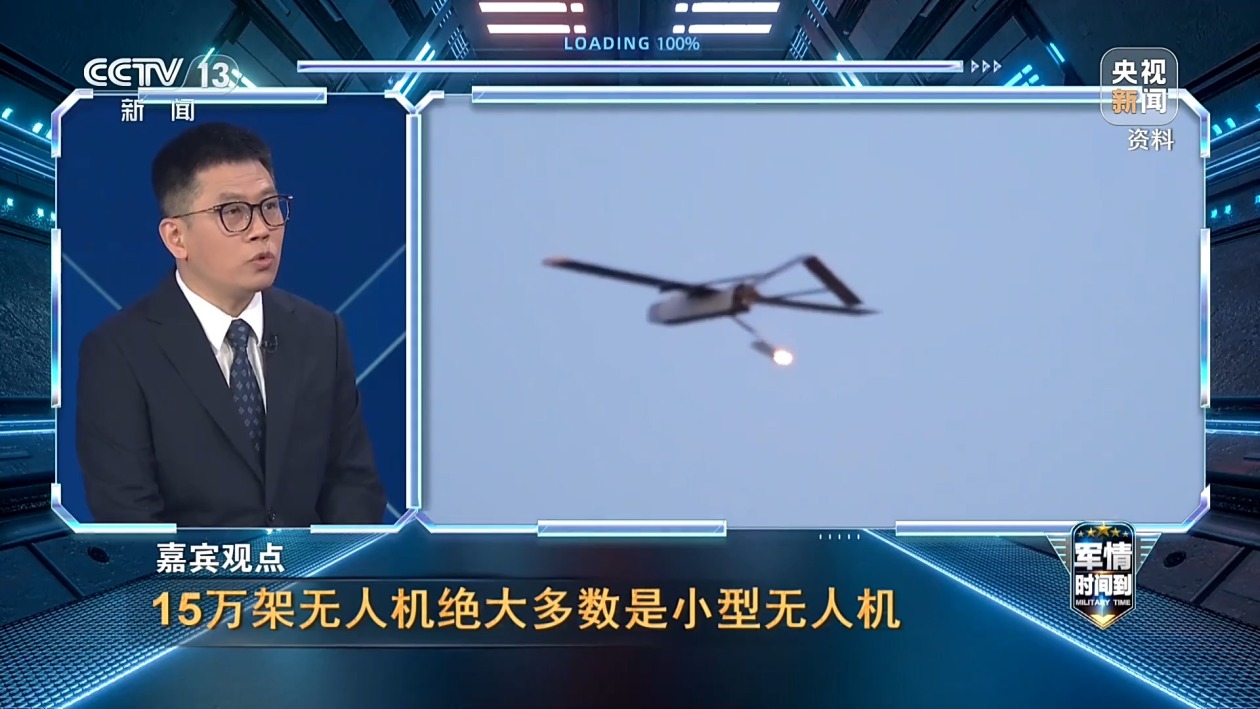
Military Commentator Zhang Xuefeng: Looking solely at the number of 150,000 drones, it is indeed a very large quantity. However, considering that the total contract amount is about £752 million, which also includes assistance to Ukraine for some air defense missiles, even if all £752 million were used to procure 150,000 drones, the unit price would only be about £5,000. This indicates that the vast majority of these 150,000 drones are likely to be relatively small or micro drones, such as multi-rotor drones or FPV suicide drones, which would mean that their proportion of Ukraine's overall usage is relatively small. While they may exert some pressure on Russian rear targets, overall, the impact of this UK assistance on the direction of the entire battlefield is quite limited.
Western military aid to Ukraine is still escalating, with a large influx of U.S.-made weapons into Ukraine, while NATO's intelligence capabilities have also been deeply integrated into the entire strike system of the Ukrainian military.
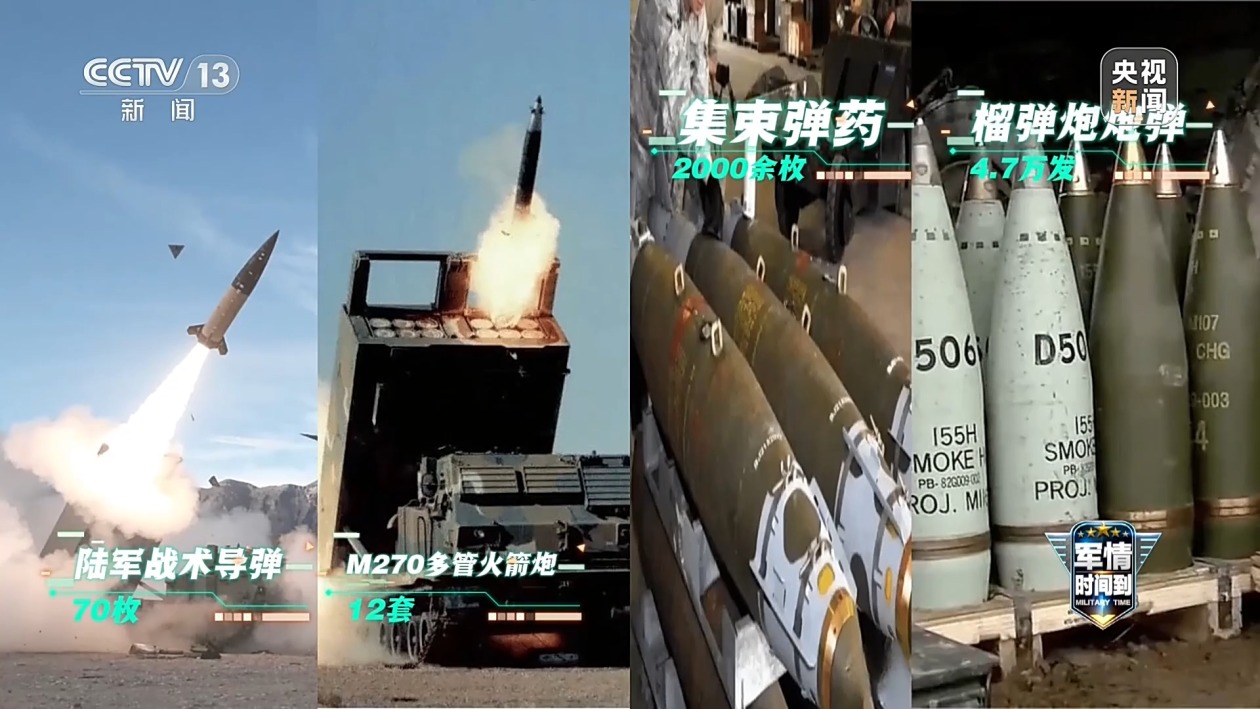
On August 6, U.S. congressional documents indicated that the U.S. State Department had notified Congress of plans to transfer some U.S.-made weapons held by Turkey to Ukraine. On the same day, the Ukrainian newspaper Kyiv Independent also reported that, according to congressional records, Ukraine would receive 70 Army Tactical Missiles, 12 M270 Multiple Launch Rocket Systems, over 2,000 cluster munitions, and 47,000 artillery shells. The original procurement value of this equipment is approximately $280 million. In response, Russian Foreign Ministry spokesperson Zakharova stated that the U.S. and Turkey, while claiming to mediate the Ukraine crisis, are planning to deliver a large number of offensive weapons to Ukraine, which is equivalent to reopening the "Pandora's box."
Not only is the West providing weapons and equipment to Ukraine, but it is also supplying critical information.
On August 13, Russian Foreign Ministry spokesperson Zakharova disclosed that NATO countries and their intelligence personnel have directly participated in Ukraine's military strikes against Russian territory and key facilities. The Russian side cited evidence exposed by hackers, accusing NATO expert Bart De Wachter of having provided the Ukrainian military with precise coordinates for Russian energy facilities, oil terminals, and oil and liquefied natural gas transport ships, directly supporting the navigation for Ukrainian drones and long-range weapons for precise strikes.
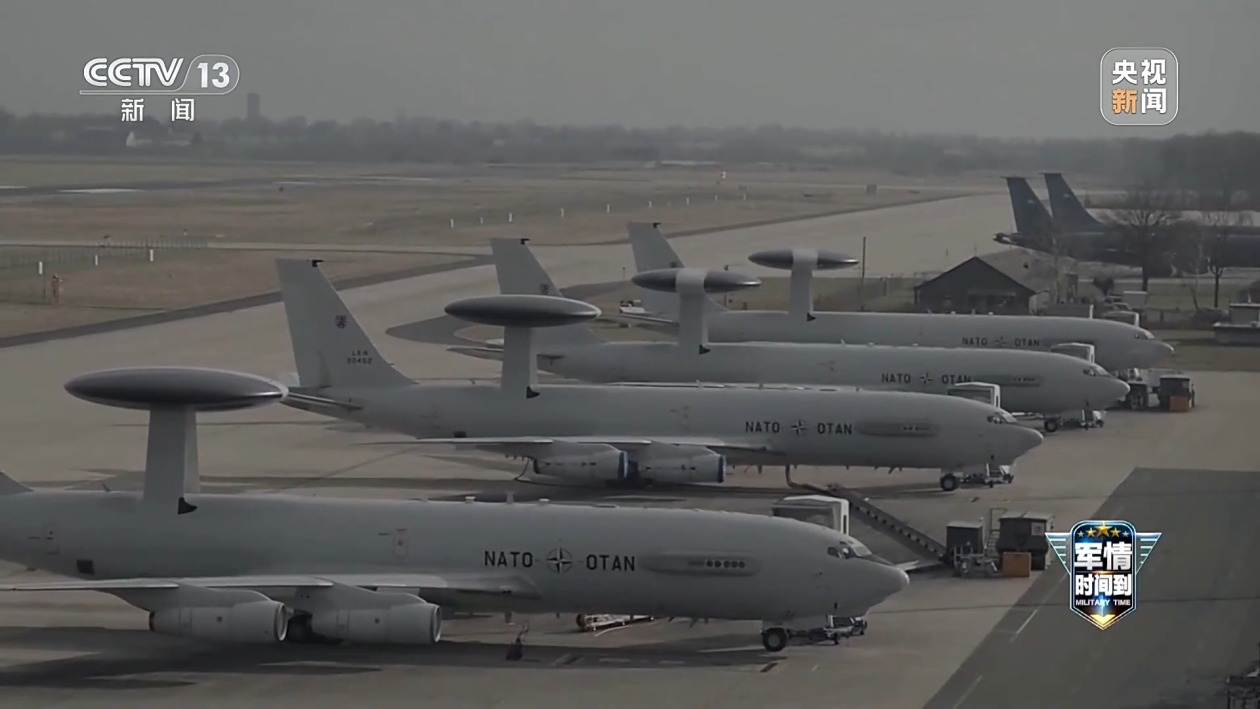
The Russian side pointed out that the Ukrainian military does not possess the reconnaissance capability to continuously track dynamic targets thousands of kilometers away. It is NATO that has utilized electronic reconnaissance aircraft, drones, and low-orbit satellite constellations deployed in the Black Sea and along Eastern Europe to form the front end of Ukraine's "kill chain," converting vast amounts of raw reconnaissance data into attack coordinates that can be directly input into the flight control systems of Ukrainian drones.
Will Western-supported weapons and intelligence
change the course of the conflict?
Host: Turkey is preparing to transfer some of its U.S.-made weapons to Ukraine, including 70 Army Tactical Missiles, 12 M270 Multiple Launch Rocket Systems, over 2,000 cluster munitions, and 47,000 artillery shells. How significant is this batch of ammunition for Ukraine?
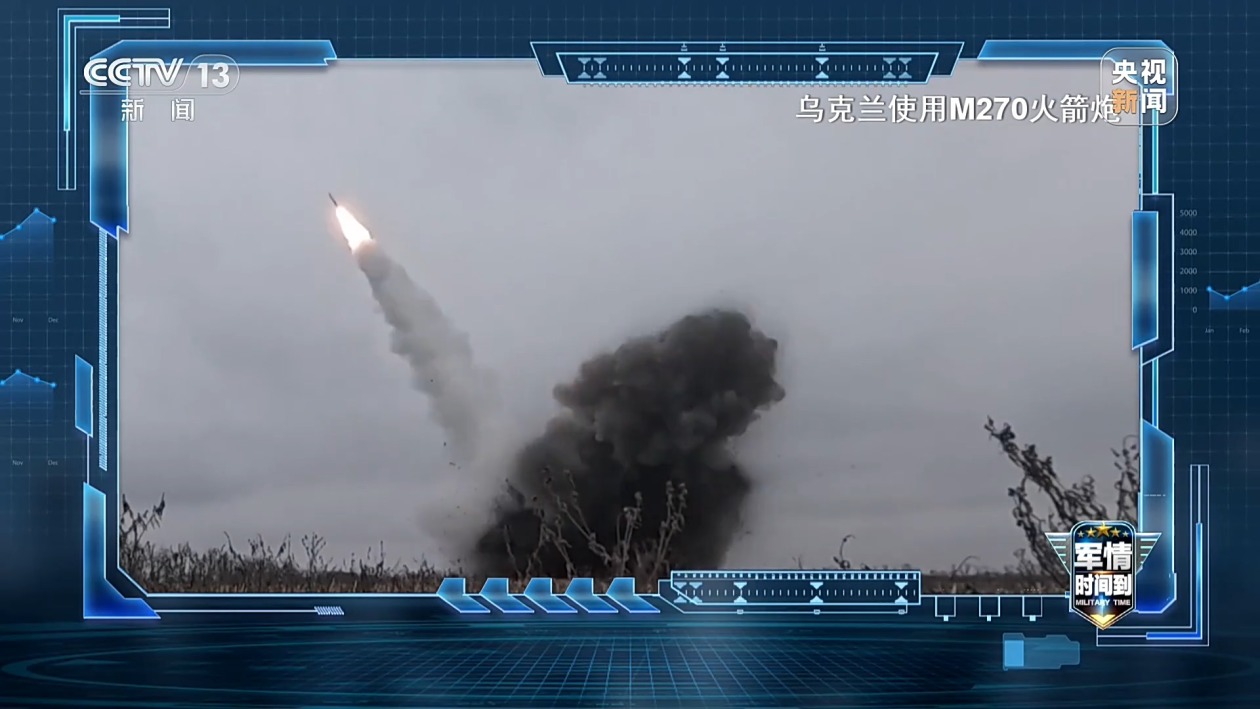
Military Commentator Zhang Xuefeng: The tactical impact is significant, but the strategic impact is small. The tactical impact mainly manifests in ground operations. So far, Ukraine has received about 38 HIMARS systems and 16 M270 self-propelled rocket launchers. Now Turkey is providing 12 systems at once, which is quite a high proportion. Additionally, Turkey is supplying 70 Army Tactical Missiles; the U.S. has also previously provided a certain number of Army Tactical Missiles, which pose a significant threat to some important and high-value targets close to the front lines in Russia. However, overall, the ammunition provided is unlikely to change the trend of ground operations, so the strategic impact is small. Another point is that these weapons and ammunition, due to their longer time in service, may have reduced reliability, potentially leading to an increased rate of unexploded ordnance.
Host: The West is now providing Ukraine with assistance not only in terms of ammunition but also in intelligence support. NATO experts are providing Ukraine with precise coordinates for some key Russian facilities. How do you view this aspect of assistance?
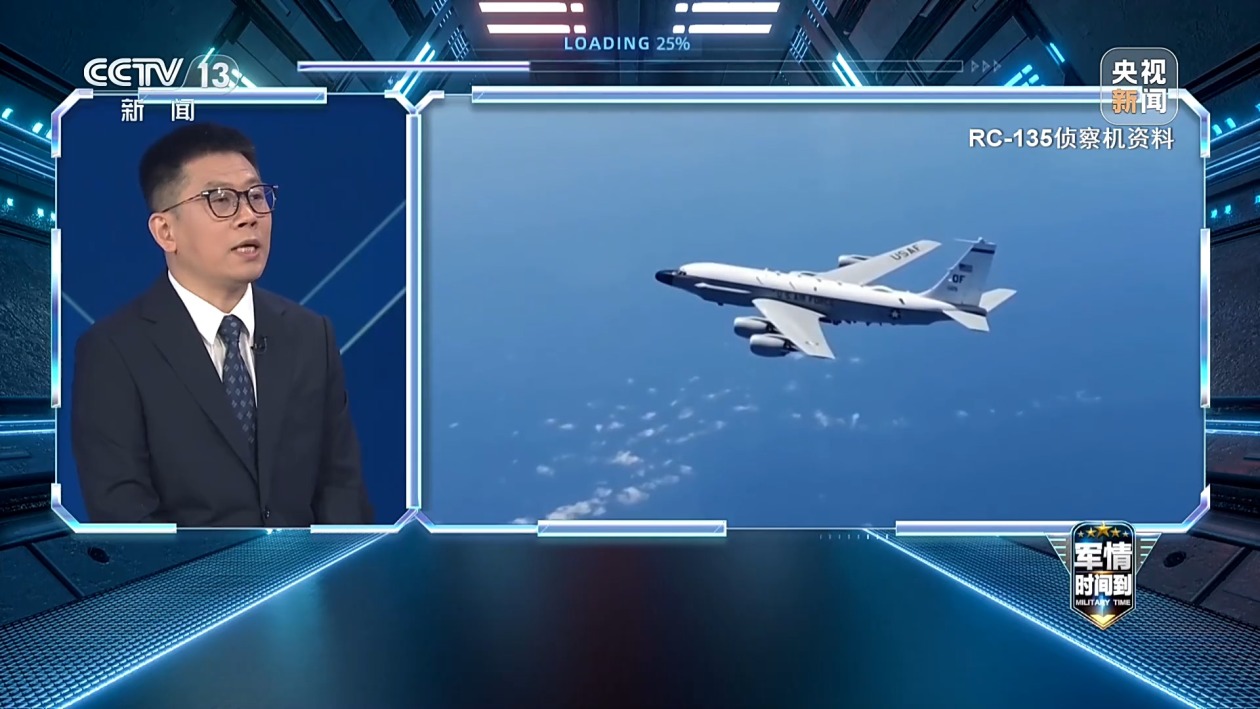
Military Commentator Zhang Xuefeng: NATO's intelligence assistance to Ukraine is arguably as significant as its provision of important weapons and equipment. Ukraine's intelligence advantage comes from NATO, which has a large number of satellites—hundreds of satellites conducting reconnaissance and surveillance on Russia. Therefore, from 2022 to 2023, several important Russian command posts have been struck, resulting in more casualties among Russian generals. This includes many reconnaissance aircraft from the U.S. and NATO flying over Eastern Europe and sometimes over the Black Sea, providing real-time monitoring of Russian military movements, particularly reconnaissance and positioning of Russian air defense systems. By synthesizing the relevant information, a database can be established to help Ukraine disrupt and strike Russian ground systems.
Host: According to Russian claims, NATO's intelligence assistance to Ukraine has become the front end of Ukraine's "kill chain." What countermeasures does Russia have against this NATO reconnaissance system?
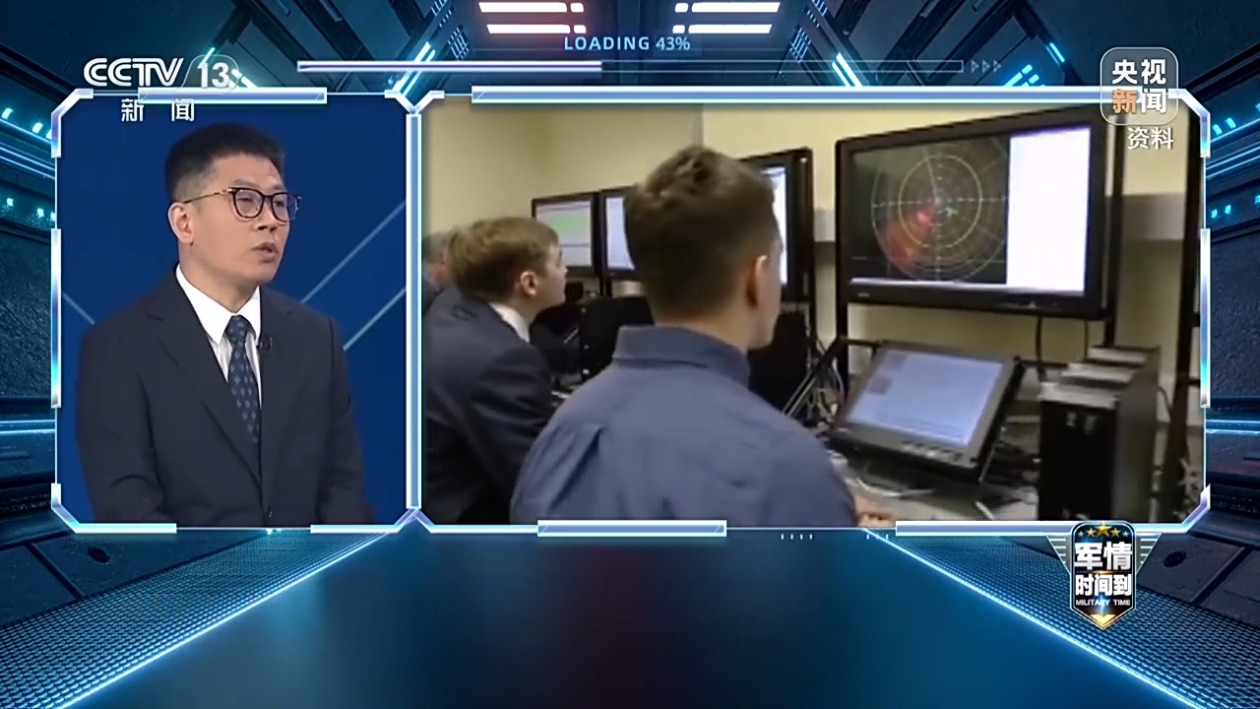
Military Commentator Zhang Xuefeng: It can be said that NATO has indeed posed a challenge to Russia. Currently, Russia mainly adopts a relatively passive defensive approach, primarily strengthening its control over the radio frequency spectrum. For example, new command facilities are being established to isolate them from radio communication systems to avoid effective location of command systems and command posts by the opponent. Since 2023, the frequency of strikes on Russian command posts has decreased, indicating that the Russian military has been continuously changing and improving its methods and combat tactics. Another point is to enhance camouflage and protection, including continuously relocating some important systems to improve survivability and avoid staying too long at any one position, which could lead to being targeted after being located by the opponent.
NATO's involvement in the Ukrainian battlefield is continuously crossing red lines, and the spillover effects of this conflict are also spreading.
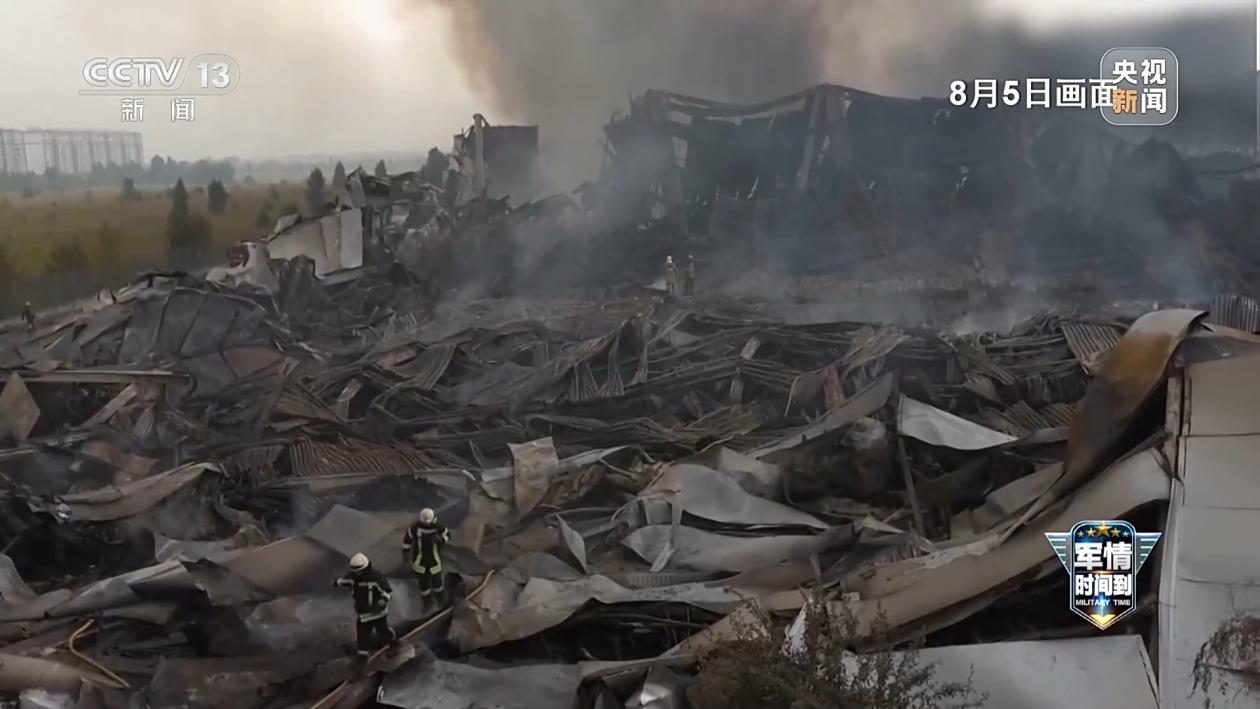
On the night of August 4 to the early morning of August 5, Russian forces launched a fierce airstrike on a large logistics park in Brovary, Kyiv Oblast. A few days later, Toyota Ukraine confirmed that its warehouse had completely collapsed during the airstrike, with all materials inside lost. Regarding this round of strikes, the Russian Ministry of Defense reported that Russian forces used ground-based precision weapons and long-range attack drones to carry out large-scale strikes on logistics distribution centers in Kyiv city and Kyiv Oblast used for the production, storage, and transportation of drone components.
In April this year, the CEO of a Ukrainian defense company personally traveled to Tokyo to submit a proposal for establishing a factory in Japan to produce military drones. In early July, the Japanese side clearly responded that it would establish a production line in Japan for mass production of Ukrainian drones. On July 18, Russian Deputy Foreign Minister Ryabkov characterized the Japan-Ukraine drone cooperation as "openly hostile behavior" and warned that all facilities supporting Ukraine's military industry would be considered "legitimate targets" for the Russian military.
In addition to military cooperation, as early as May this year, the Japanese Ministry of Defense sent four active Self-Defense Force officers to NATO's Ukraine security assistance and training agency for the first time. Defense Minister Kono Taro openly stated that this move was to "understand the new types of combat methods and experiences on the Russia-Ukraine battlefield."
Japan has also invested heavily in financial assistance, ranking among the top countries globally in total aid to Ukraine. By early 2026, Japan's total aid to Ukraine had exceeded $15 billion.
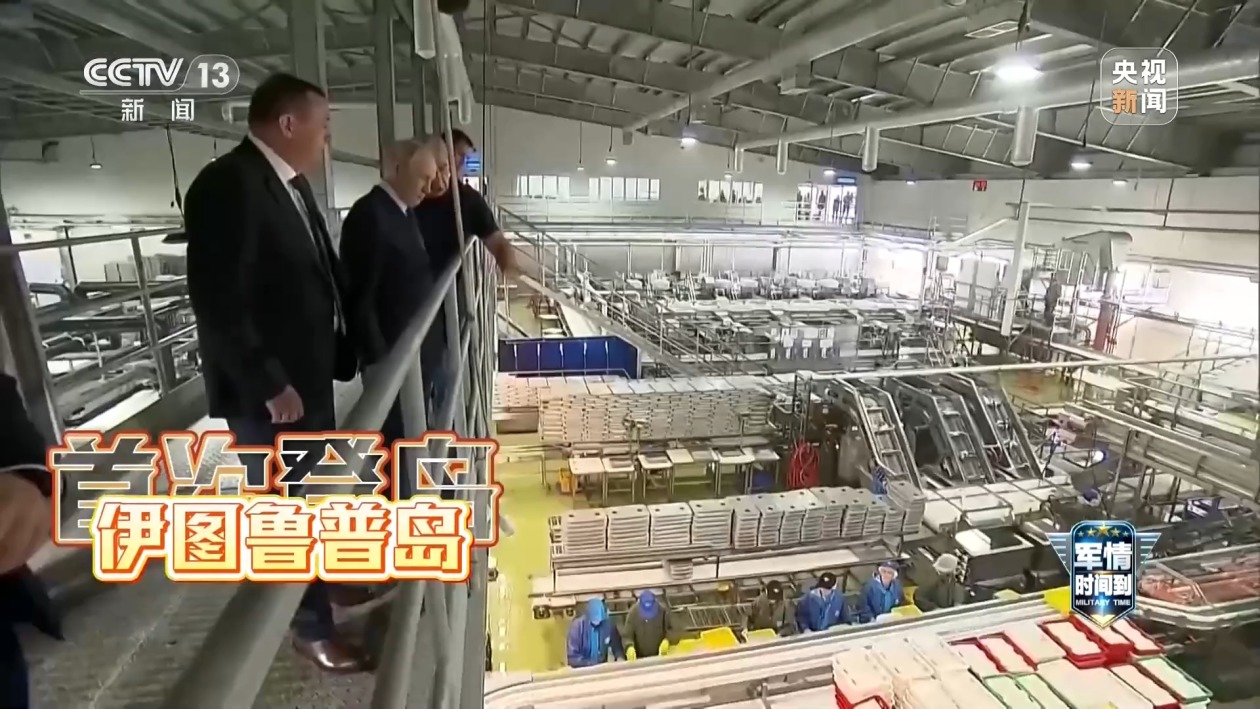
In the face of a Japan that is increasingly aligning militarily with the West and repeatedly crossing red lines, Russia has made its stance clear through actions. On August 13, Russian President Putin visited Iturup Island in the Southern Kuril Islands for the first time. On August 20, the Russian Pacific Fleet conducted missile strikes on targets near the coast of the Southern Kuril Islands during planned exercises.
Japan has a great interest in participating in the Ukraine conflict
What benefits do they hope to gain?
Host: In early August, Russian forces struck a Toyota warehouse in Ukraine during an attack on Kyiv, and this timing coincided closely with Japan's release of its new Defense White Paper. Is this a coincidence?
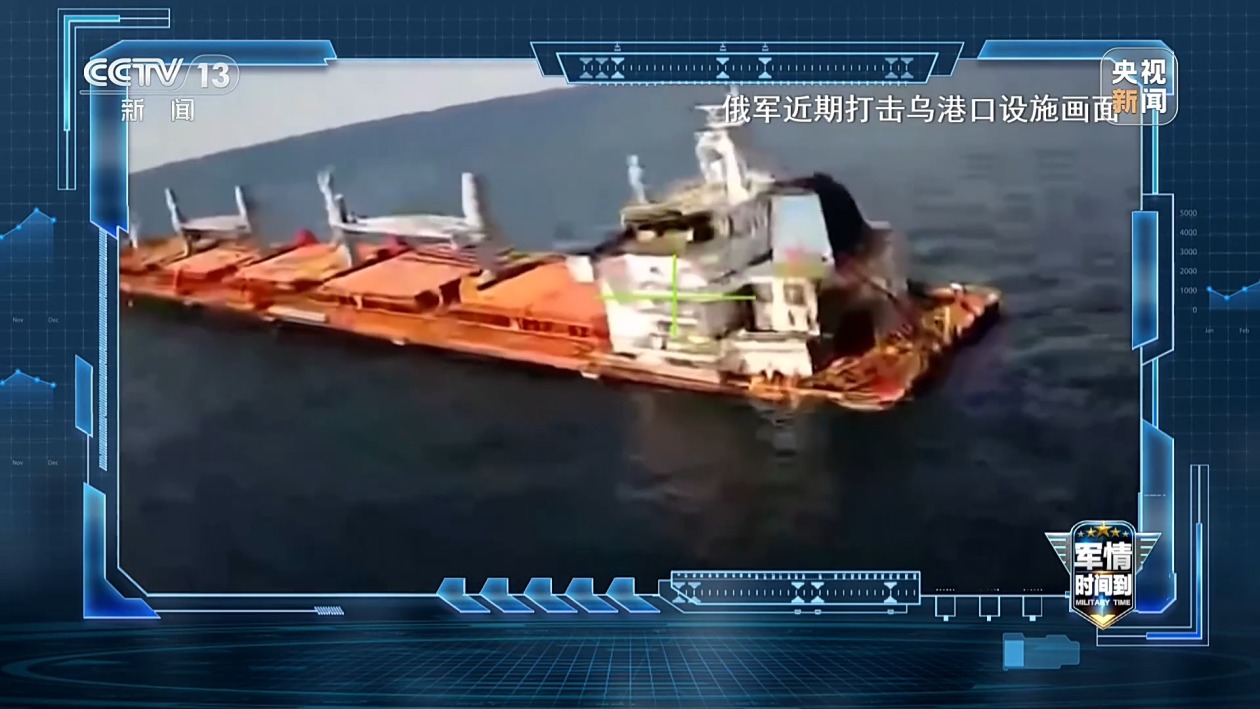
Military Commentator Zhang Xuefeng: This is the result of multiple factors overlapping. Previously, Russian strikes on Ukrainian rear targets rarely involved logistics facilities. However, around mid-July this year, Ukraine began using drones to strike some logistics warehouses of Russian companies, particularly targeting the important logistics center of the Wildberry company. Under these circumstances, Russia also began to strike some important logistics centers in Ukraine, including the logistics center related to Toyota. Additionally, Russia's strikes on some Japan-related warehouses may also be a response to Japan's issuance of the new Defense White Paper. Japan's new Defense White Paper exaggerates the threat from Russia, effectively using Russia as a "stepping stone" for Japan to develop its military power, which would certainly provoke dissatisfaction from Russia.
Host: Japan is now showing great interest in participating in the Ukraine conflict. The joint production of drones between Ukraine and Japan seems to be a done deal, with the Japanese side responding in early July that they would mass-produce Ukrainian drones in Japan. How do you view the cooperation between Japan and Ukraine in drone production?
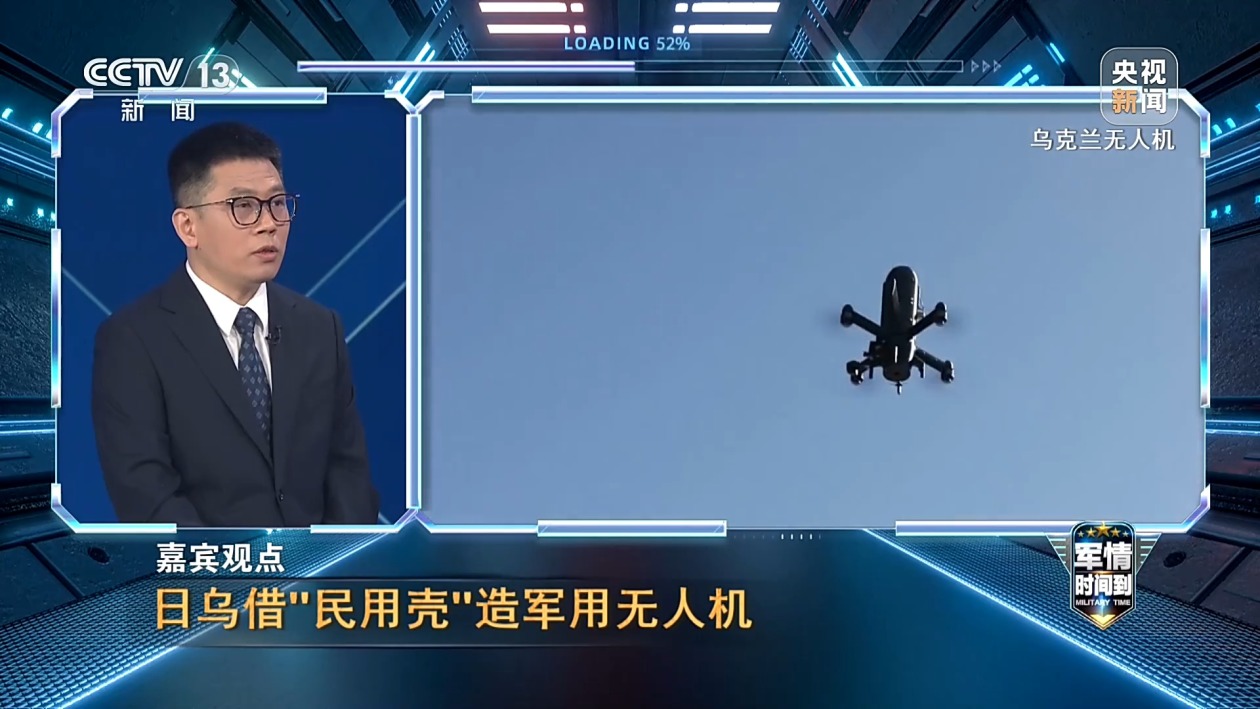
Military Commentator Zhang Xuefeng: The initial claim of cooperation in drone production was framed as producing civilian drones, but in reality, relevant information has been disclosed that Japan and Ukraine are jointly developing some intercepting drones, primarily for intercepting the opponent's suicide drones. The next step will certainly focus on developing attack drones, which will lead to two outcomes. First, it will further enhance the offensive combat capabilities of the Japan Self-Defense Forces, expanding their strike range. Second, if both parties jointly produce some drones, it is possible that this will benefit Ukraine. Previously, Japan's "Three Principles on the Transfer of Defense Equipment" prohibited it from providing lethal weapons to conflict areas. The next step, through third parties or other means, to provide Ukraine with suicide drones produced through their cooperation would mean that it has effectively further breached the so-called "Three Principles on the Transfer of Defense Equipment," and Japan's arms exports will no longer be subject to any restrictions.
Japan and Ukraine's joint production of drones is not only about helping Ukraine but also about Japan wanting to take the opportunity to develop its offensive weapon production capabilities and expand its arms exports.
Host: On August 13, Russian President Putin visited Iturup Island in the Southern Kuril Islands for the first time, and August 15 marks Japan's unconditional surrender day. How do you view this timing?
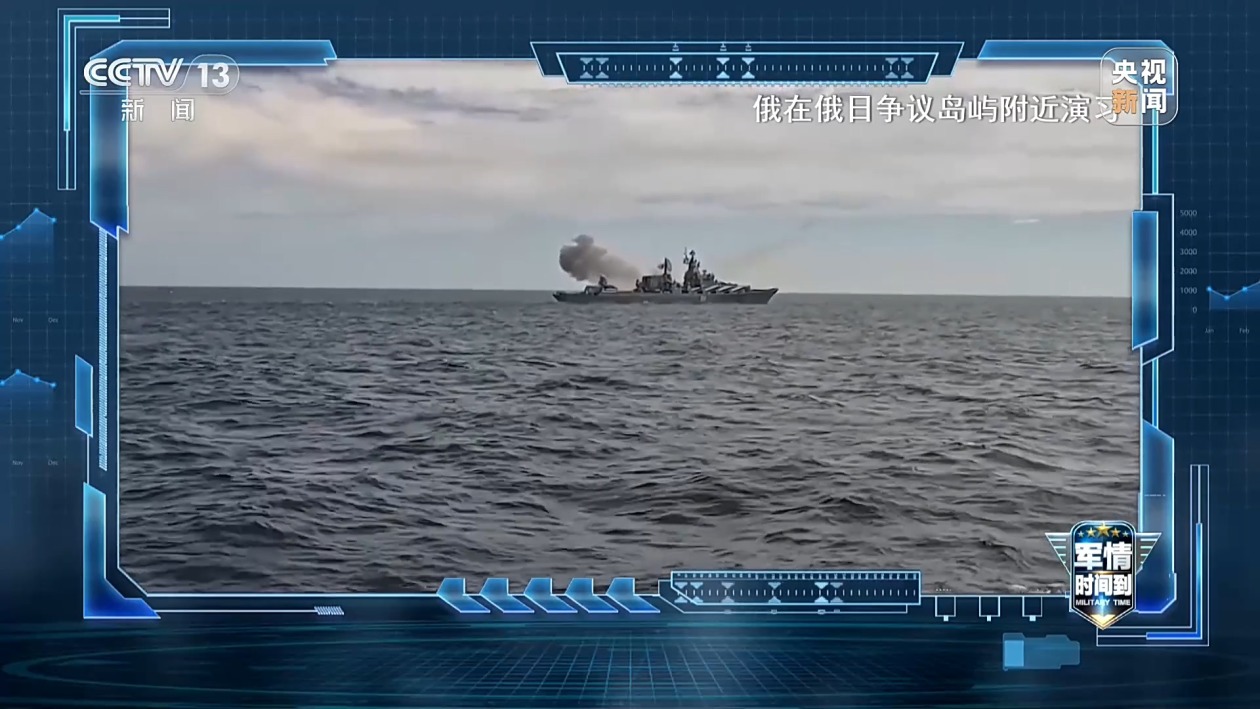
Military Commentator Zhang Xuefeng: This visit to the Southern Kuril Islands at this timing is primarily a way to express dissatisfaction with Japan. After the appointment of Kishi Nobuo, a series of hardline policies have been implemented, exaggerating the threat from Russia, strengthening cooperation with Ukraine, and issuing a new white paper. However, from Russia's perspective, its main focus is on Ukraine, and it has not taken any extreme actions against Japan. Under these circumstances, Japan's continuous pressure on Russia has clearly provoked dissatisfaction from Russia. Coincidentally, this year marks the 81st anniversary of Japan's defeat and surrender, and in this context, Russia is reminding Japan not to forget its identity as a defeated nation, not to forget its obligations as a defeated nation, not to seize the fruits of victory in the global anti-fascist war, and not to provoke or even overturn the post-war international order supported by documents such as the Cairo Declaration, the Potsdam Proclamation, and the Japanese surrender document.
Force cannot resolve fundamental contradictions; ongoing confrontation will only lead to more losses and turmoil.
Ukraine has conducted drone strikes deep into Russian territory using British-made drones, prompting a strong response from Russia. Turkey plans to transfer U.S. weapons to Ukraine, while NATO provides intelligence support for targeting. Japan is collaborating with Ukraine on drone production, indicating a significant escalation in military involvement from Western nations. Russia has warned that the use of British weapons constitutes direct participation in the conflict.
- Ukraine has used British drones to strike targets over 700 km into Russia.
- Turkey plans to transfer U.S. weapons to Ukraine, including 70 tactical missiles and 12 M270 rocket systems.
- NATO has provided intelligence support to Ukraine for targeting Russian facilities.
- Japan is collaborating with Ukraine on drone production, aiming to enhance its military capabilities.
- Russia has issued strong warnings regarding the involvement of Western nations in the conflict.